


Monochrome Art Print
A monochrome art print brings historic depth to a wall, offering tonal richness through centuries of engraving and etching.
Monochrome Art Print
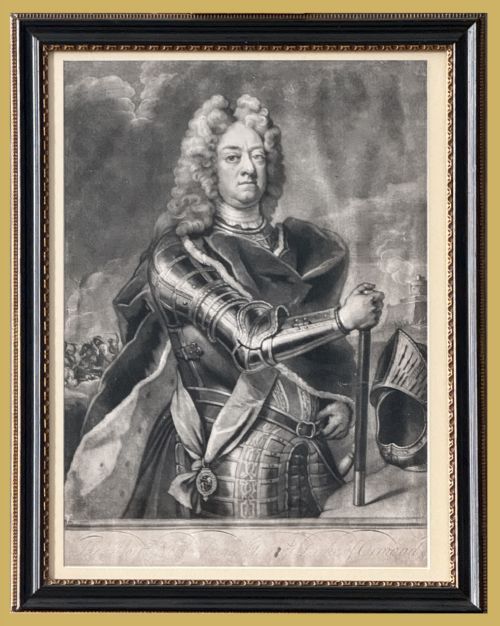
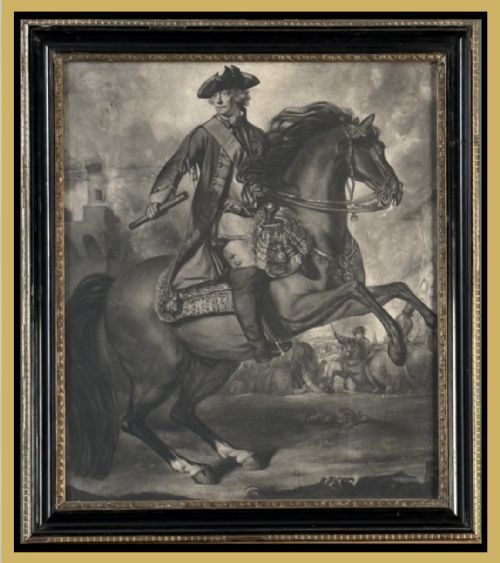
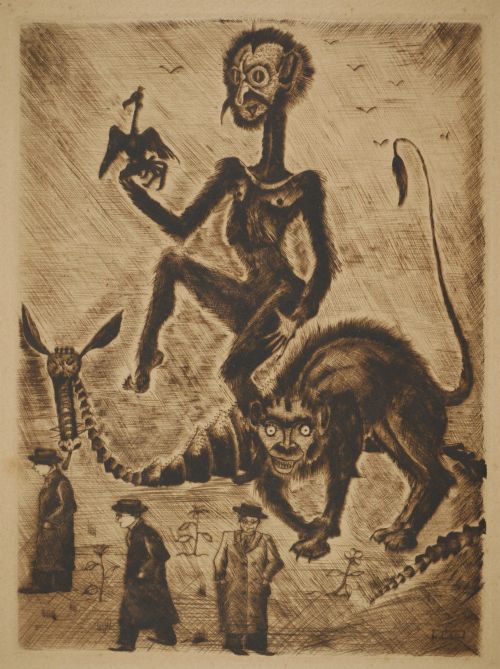
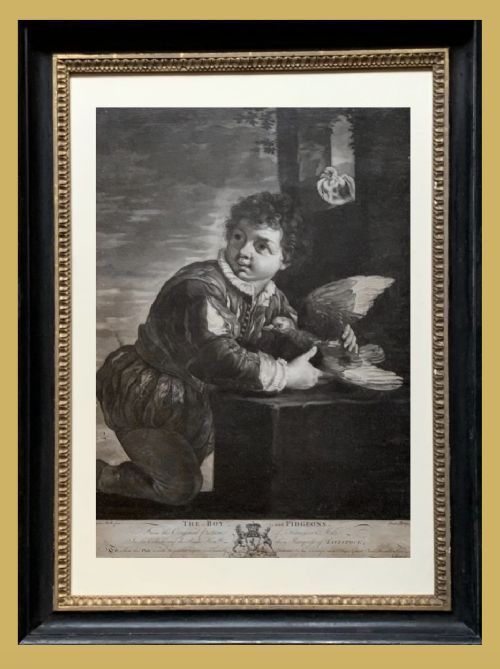
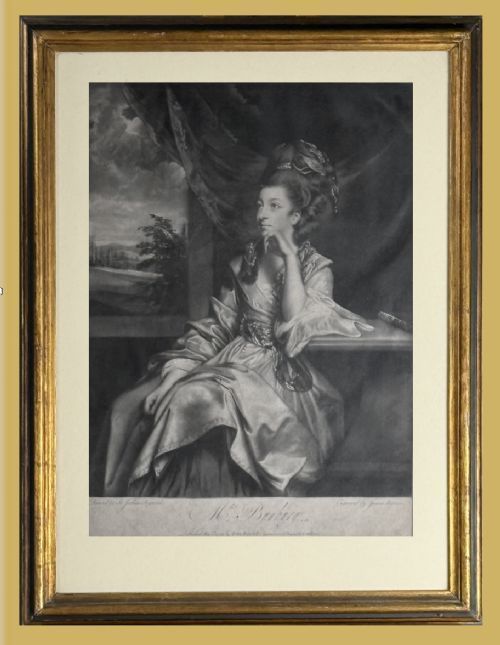
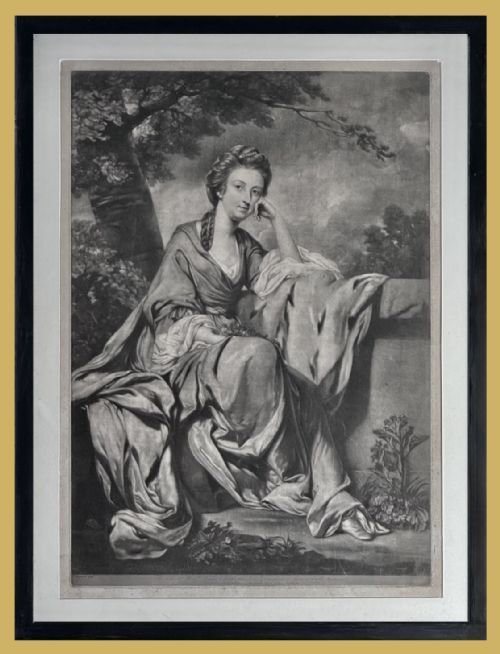
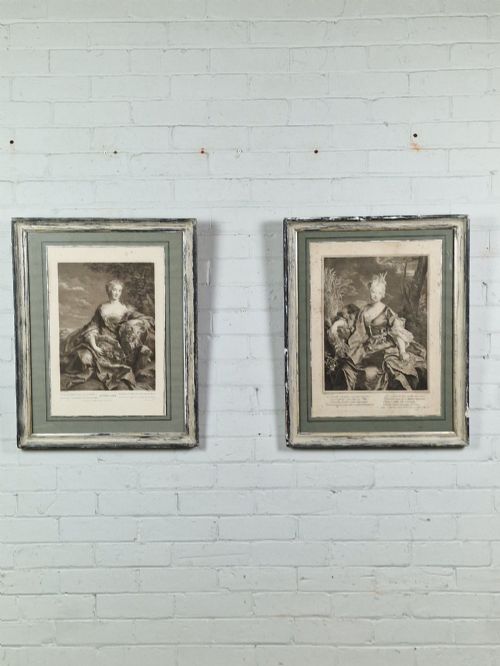
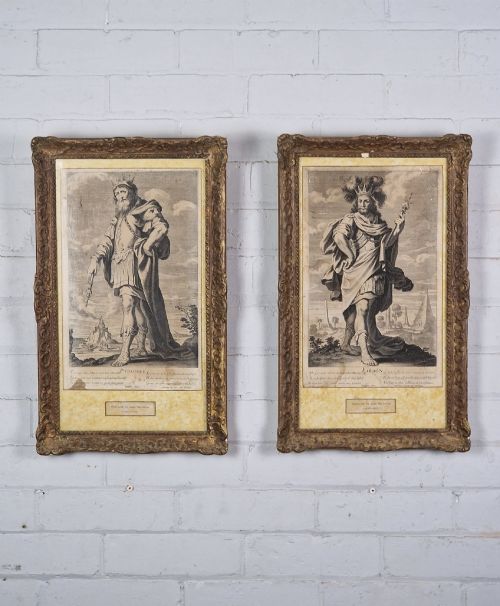
When searching for a monochrome art print, buyers encounter works spanning from the seventeenth century through to the early twentieth century. The selection encompasses detailed mezzotint portraits, classical architectural plates, and original etchings.
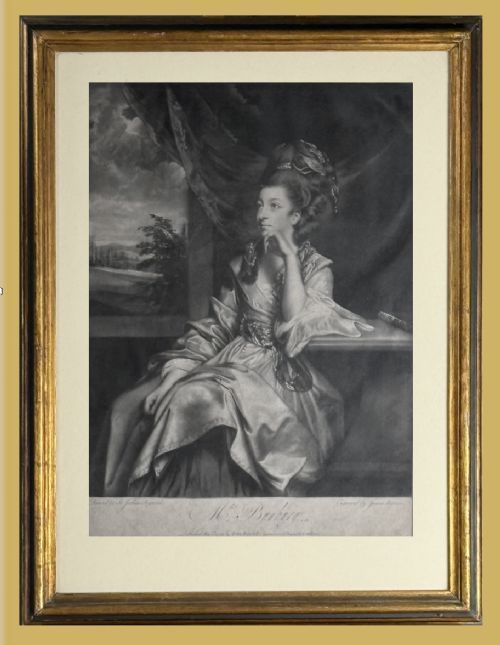
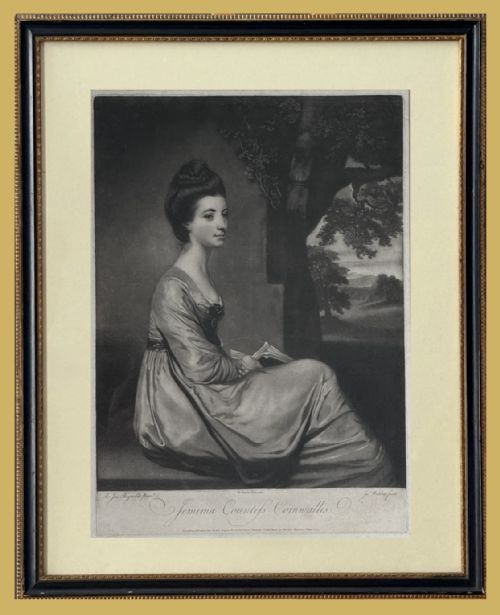
The most prevalent pieces on this page are eighteenth-century mezzotint portraits after painters such as Sir Joshua Reynolds, alongside early twentieth-century animal and landscape etchings. These works rely entirely on ink, paper, and tonal gradation rather than colour to create their effect.
How They Were Made
Makers produced these works using copper plates prepared with inked lines or roughened surfaces to hold ink, which was then transferred under pressure onto heavy paper. Many pieces combine deep black ink with subtle grey tones achieved through scraping and burnishing the metal plate.
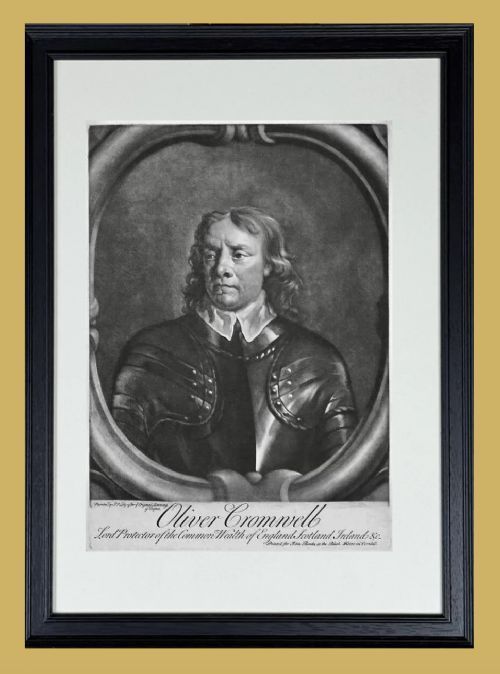
Surviving examples are frequently housed in period timber frames, sometimes finished with gold leaf or gilt wood, paired with protective glass.
Monochrome Art Print Retail Price Guide 2026
Typical asking prices for monochrome art print among the pieces listed under this phrase on Sellingantiques today, from the lower quarter to the upper quarter. They describe what is for sale here now, not the wider market.
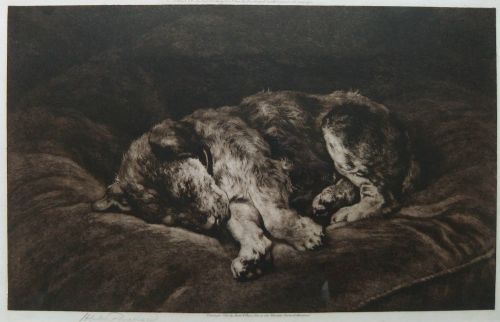
Cats and dogs occasionally crept into the margins of history, as seen in etchings of velvet-lounging hounds.
What Varies in Quality
Quality rests on the crispness of the impression and the subtlety of the tonal range transferred from the plate. Early strikes from a freshly prepared plate show deep, velvety blacks and sharp fine lines, whereas worn plates yield grey, muddy details.
The skill of the engraver in translating a painter's brushwork into tonal ink marks dictates the artistic success of the print.
John Simon·Edward Fisher·John Boydell·James Watson·John Smith·Herbert Dicksee·William Lionel Wyllie
The Monochrome Art Print Glossary
- Mezzotint
- A printmaking process where the copper plate is roughened evenly and scraped down to create light areas, producing rich tonal gradations.
- Etching
- A technique where acid bites lines into a metal plate covered with a protective ground, which are then inked and printed onto paper.
- Drypoint
- An intaglio printmaking method where an artist scratches directly into the metal plate with a sharp needle, creating a distinct velvety burr.
- Gilt
- A thin layer of gold applied to wood frames or details to provide a decorative metallic finish.
Monochrome Art Print: Frequently Asked Questions
How should I hang a monochrome print?
Keep these works away from direct sunlight to protect the paper and ink from fading over time. Standard interior lighting is sufficient to reveal the fine tonal details of the engraving.
Pair the framed print with neutral wall colours to let the dark ink tones and timber frames stand out clearly.
What is a mezzotint portrait?
A mezzotint is an intaglio print where the artist works from dark to light by smoothing a roughened metal plate. This technique allows for subtle gradients of tone rather than simple lines.
Most examples on this page depict notable historical figures copied from oil paintings by prominent portraitists.
How do I date an old print?
Examine the paper type, plate marks at the margins, and the style of the clothing or architecture depicted. Inscriptions naming the painter and engraver often provide specific publication dates.
Matching the framing materials, such as oak or gilt wood, to known periods helps narrow down the age.
Are these prints originals?
Yes, these are original period printings pulled from copper or metal plates during the centuries indicated in the titles. They are contemporary to their stated eras rather than modern photographic reproductions.