


Modern Figurative Painting
Modern figurative painting captures human presence and form through the lens of twentieth-century artistic movements, offering collectors a direct link to mid-century vision and technique.
Modern Figurative Painting
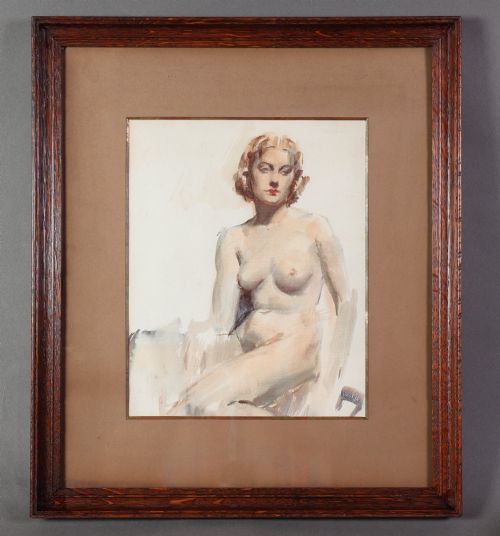
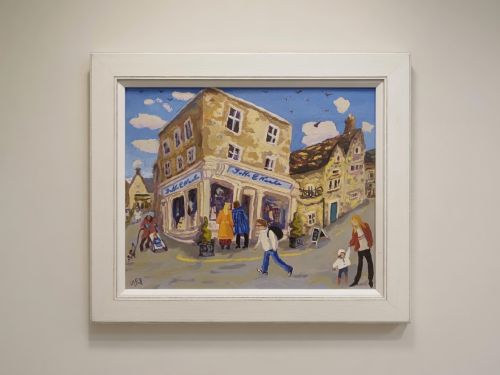
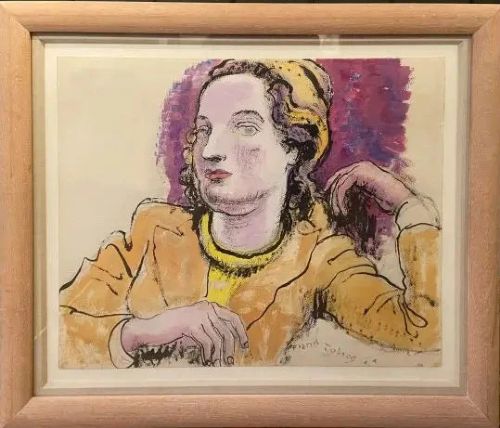
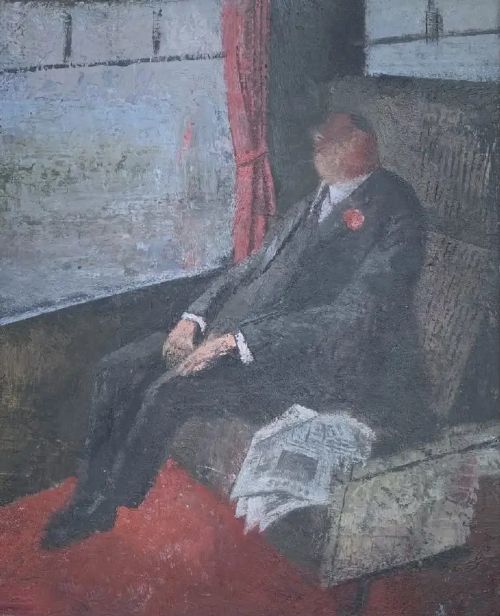
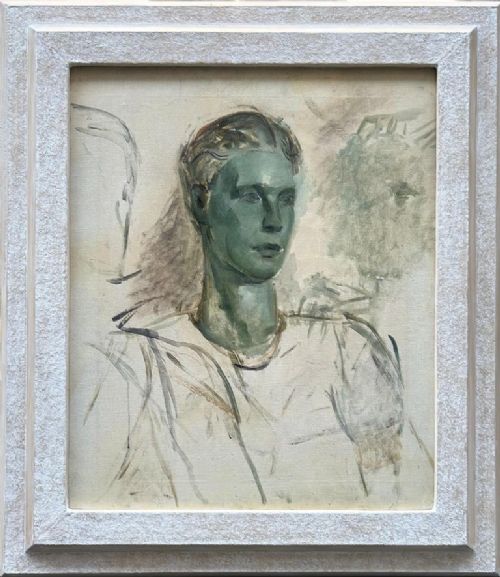
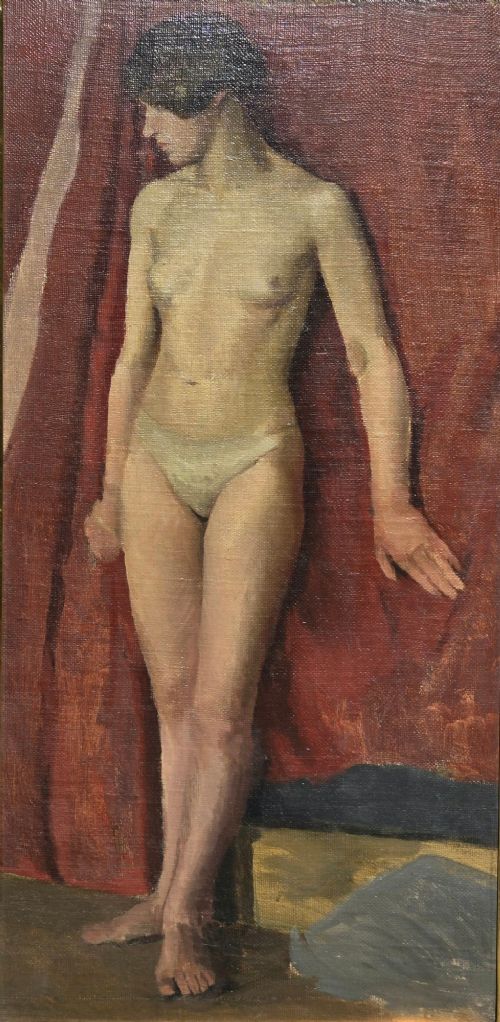
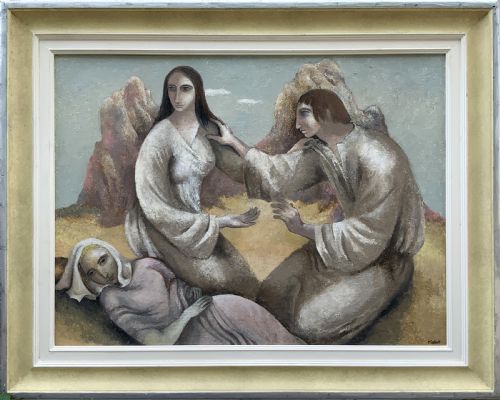
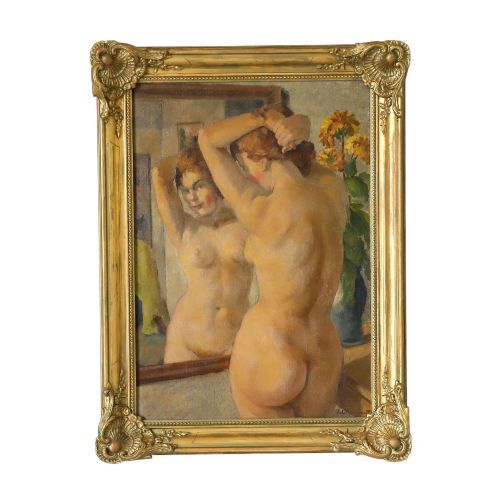
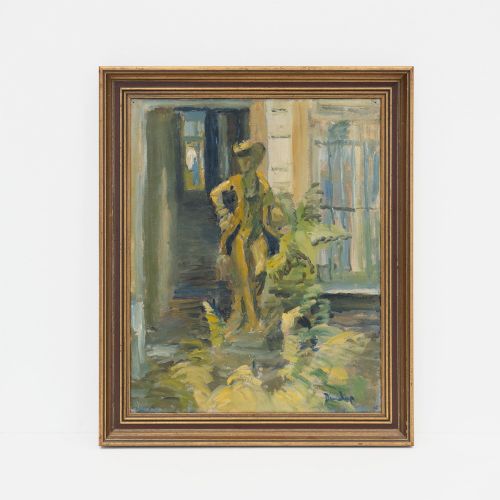
A modern figurative painting focuses on the human subject, ranging from intimate portraits and seated models to dynamic studio studies and surrealist compositions. These works draw upon established modernist, surrealist, and impressionist traditions spanning the early twentieth century through to later decades. Collectors will frequently encounter oils executed on canvas, board, or paper, often reflecting British and continental European schools of practice.
The selection on this page centres on original works produced across various mid-century decades, including pieces from the nineteen-thirties, forties, and fifties. Painters of these periods often departed from strict academic realism, choosing instead to interpret the figure through expressive brushwork, abbreviated forms, and distinct spatial arrangements. Works by named artists sit alongside compelling pieces from anonymous British and international schools.
Materials and methods of construction
Artists working in this field primarily utilised oil paint applied to stretched canvas, wooden board, or heavy paper supports. The physical handling of the medium often involves visible impasto, layered glazes, or rapid brushwork that records the immediate decisions of the painter. Certain works incorporate mixed media or oil laid down onto secondary panel supports to ensure long-term stability.
Framing and support materials are integral to the physical survival of these paintings. Canvases are typically mounted on wooden stretcher frames, while works on paper or board require secure backing to prevent warping. The interaction between pigment and support defines the surface texture characteristic of mid-century studio output.
The listings feature oil paintings on canvas, board, and paper dating from the nineteen-twenties through to the nineteen-sixties.
Distinctions in quality and execution
The quality of a modern figurative painting rests upon the confidence of the draughtsmanship and the artist's command over composition and colour relationships. A superior piece demonstrates purposeful handling of the medium, where every brushstroke contributes to the psychological depth or structural integrity of the subject. Lesser examples can reveal hesitant line work or unresolved spatial dynamics that dilute the impact of the figure.
Condition and originality also govern the standing of a work within this category. Intact original surfaces, minimal restoration, and strong provenance elevate an artwork, whereas excessive overpaint or compromised supports alter its integrity. The alignment between the artist's technical execution and the expressive weight of the subject ultimately separates standard studio output from exceptional works.
Frank Dobson·Ronald Ossory Dunlop·Kees van Dongen·Bernard Meninsky
The Modern Figurative Painting Glossary
- Impasto
- Paint applied thickly to a canvas or board, standing out in relief from the plane and retaining the visible marks of the brush or palette knife.
- Provenance
- The documented history of ownership surrounding an artwork, which helps establish its authenticity and chronological record.
- Triptych
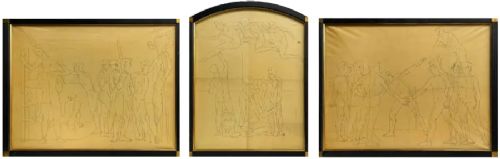
- A painting divided into three separate panels or sections, often hinged or displayed together to form a single continuous narrative.
- Odalisque
- A traditional artistic subject depicting a reclining female figure, frequently reinterpreted within modernist and surrealist compositions.
Modern Figurative Painting: Frequently Asked Questions
What defines a modern figurative painting?
These works focus primarily on human subjects while departing from strict academic realism through twentieth-century stylistic approaches.
Painters utilise expressive brushwork, abstract tendencies, and varied modernist techniques to interpret the human form.
How should I care for an oil painting on canvas?
Keep the artwork away from direct sunlight, high humidity, and rapid temperature fluctuations that can cause the canvas or wooden stretcher to warp.
Dust the surface gently with a soft, dry brush and avoid using chemical cleaning agents on the painted layers.
Are these paintings supplied with frames?
Many listings include original or period-appropriate frames that complement the aesthetic of the artwork itself.
Descriptions specify whether a piece is framed or presented on an unframed canvas or board support.
How can I identify the period of a work?
Dating relies on stylistic markers, materials, artist biographies, and recorded exhibition histories associated with the specific piece.
Signatures, dates inscribed on the reverse, and stretcher construction also provide reliable chronological evidence.