

Framed Paper Portrait Study
A framed paper portrait study captures a likeness through direct drawing or painting on paper, offering an intimate glimpse into historical character and artistic technique.
Framed Paper Portrait Study
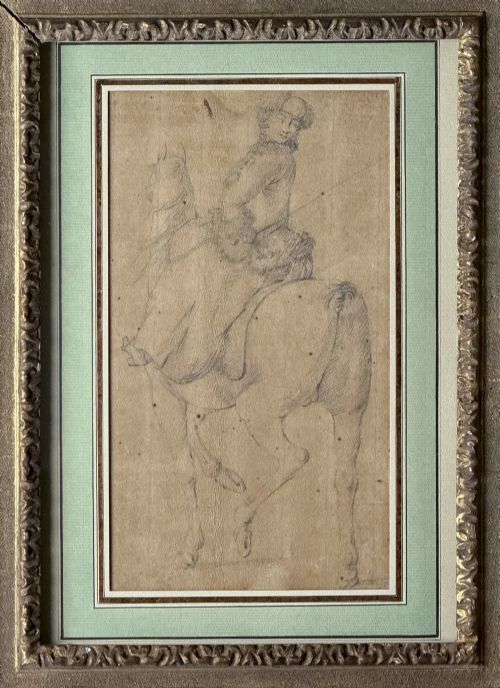
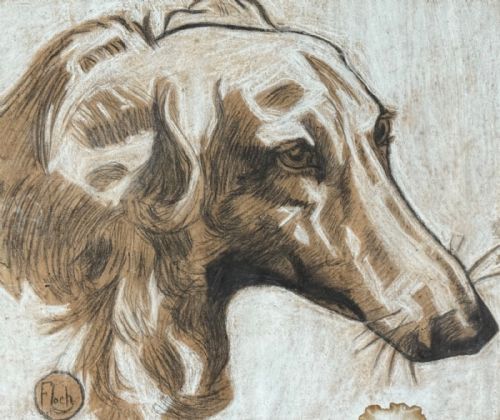
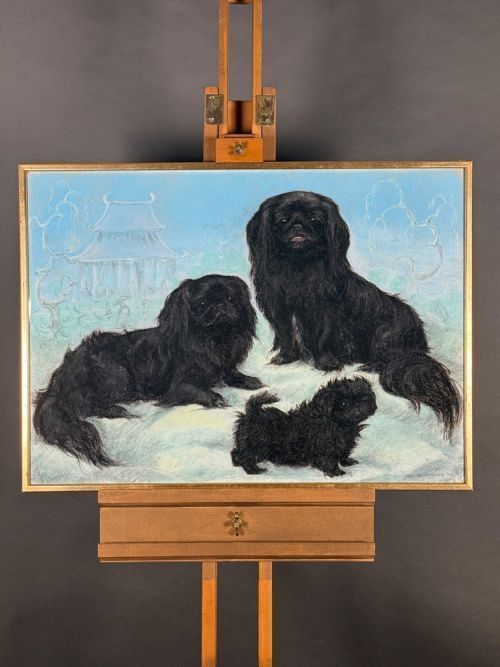
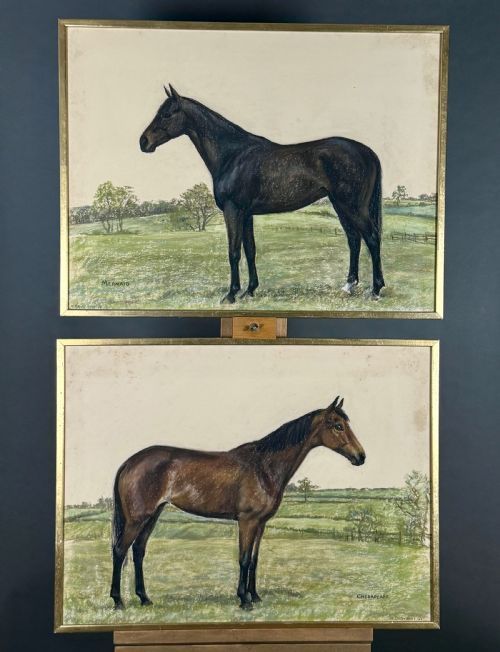
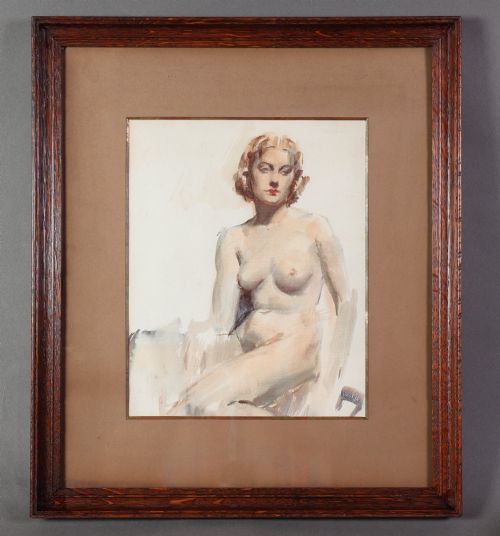
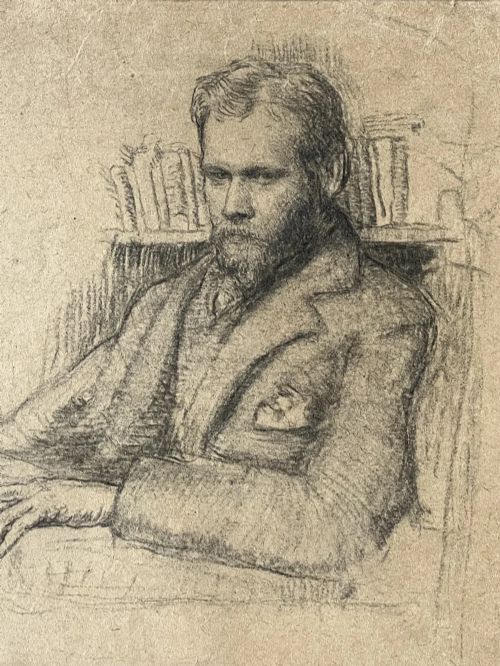
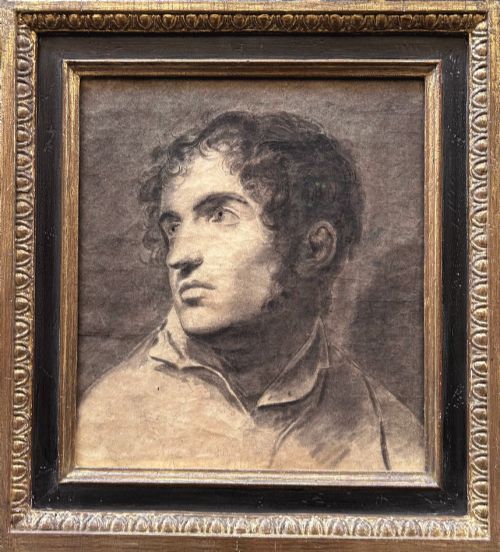
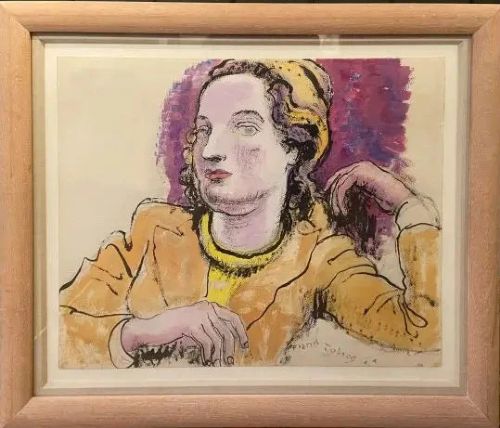
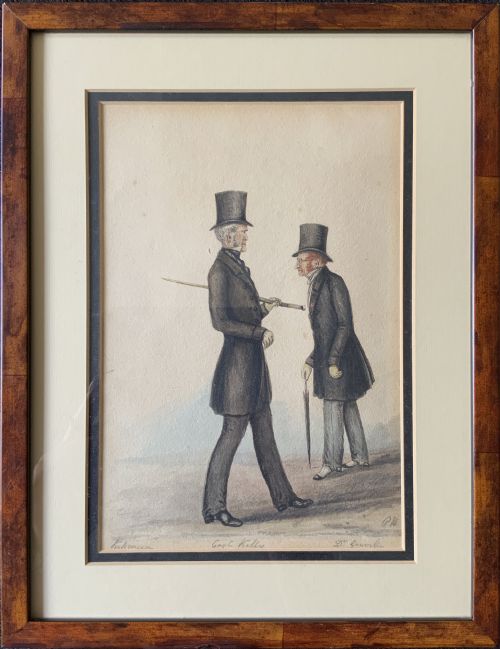
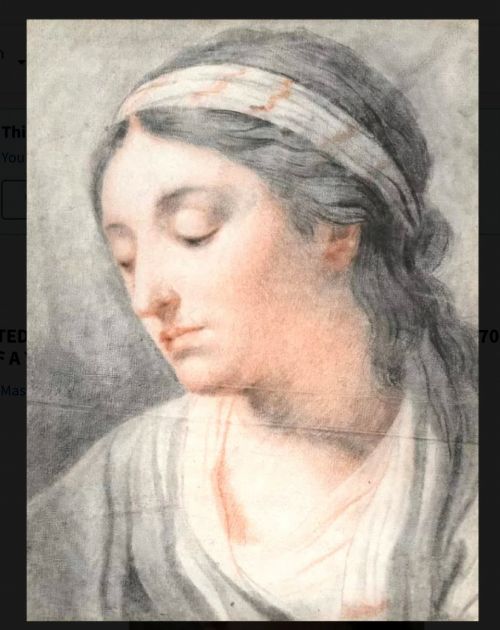
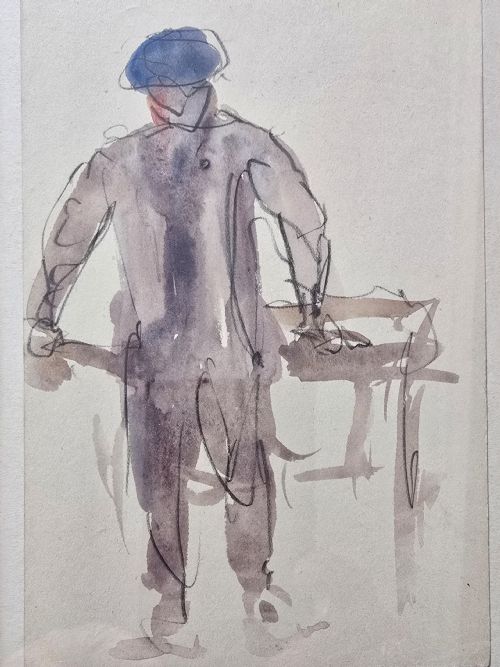
When you search for a framed paper portrait study, you encounter works executed in mediums such as pencil, charcoal, watercolour, and pastel. These pieces originate from periods spanning the eighteenth, nineteenth, and twentieth centuries, reflecting academic training and individual studio practice.
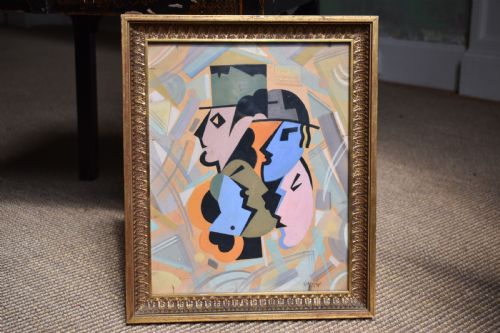
The selections on this page encompass formal likenesses, informal life studies, and preparatory sketches. Creators range from identified British and European masters to regional schools working in graphite, ink, and wash.
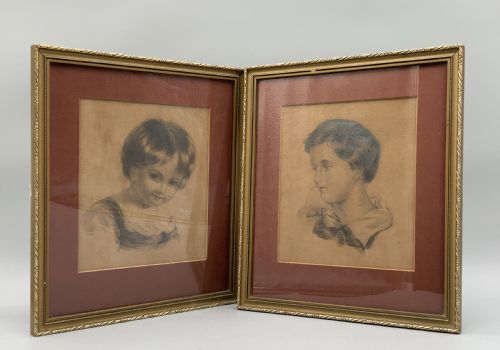
Framing often preserves the fragile paper support beneath glass, maintaining the integrity of the original graphic marks. Buyers find everything from quick compositional sketches to highly finished pastel and watercolour compositions.
How they were made
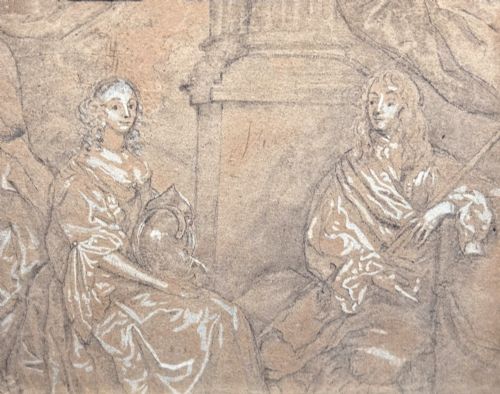
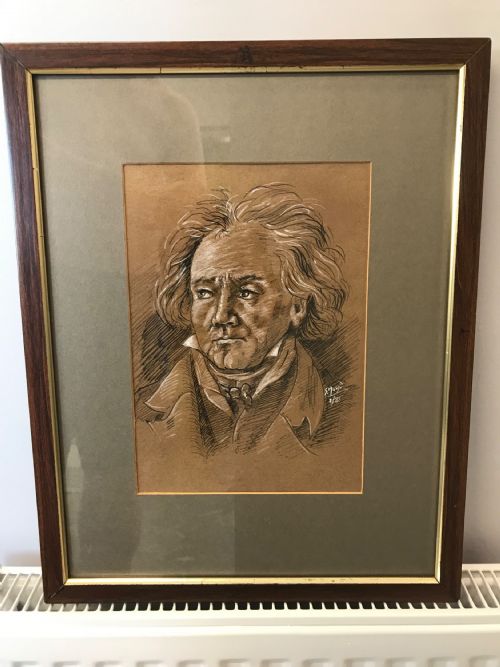
Artists utilise paper as a primary support, applying dry media like graphite, charcoal, and pastel alongside wet mediums such as ink, gouache, and watercolour. Buff paper and tinted sheets frequently provide a mid-tone background that helps highlights stand out.
Techniques combine linear precision with tonal shading, where cross-hatching and washes build depth and form. Protective wooden framing and glass glazing secure these delicate works against environmental damage.
Listings feature works on paper spanning the eighteenth, nineteenth, and twentieth centuries, executed in pencil, charcoal, watercolour, and pastel.
What varies in quality
The assurance of the draftsman's hand separates routine academic exercises from accomplished masterworks. Confident, economical strokes demonstrate a deeper understanding of human anatomy and character.
The preservation of the paper and the integrity of the media significantly influence the piece. Works retaining their original colour vibrancy without excessive fading or paper acidification command greater attention.
Augustus John·Frank Dobson·Michael Healy·Lucien Freud·Dame Laura Knight
The Framed Paper Portrait Study Glossary
- Gouache
- An opaque watercolour paint consisting of pigment, water, and a binding agent such as gum arabic, often mixed with an inert white pigment to create solid, flat colour areas.
- Wash
- A technique involving a thin, fluid layer of diluted ink or watercolour applied across the paper to create smooth background tones or shadowed depth.
- Pastel
- A dry art medium in the form of a stick, consisting of powdered pigment and a binder, which leaves a velvety, powdery colour deposit on the paper surface.
- Academic life study
- A drawing or painting executed from a live human model, typically within an art school setting to master proportion, light, and shadow.
- Support
- The physical material, such as paper or card, upon which the artist applies the drawing or painting media.
Framed Paper Portrait Study: Frequently Asked Questions
How should I hang framed paper portrait studies?
Keep these framed works away from direct sunlight to prevent the watercolour pigments and coloured papers from fading over time.
Position them at eye level in rooms with stable humidity to protect the fragile paper support from moisture damage.
Are these works original art?
Each listed item is a unique hand-drawn or hand-painted work created directly on paper by the artist. They are distinct from mechanical reproductions or mass-produced prints.
Signatures, studio stamps, and direct inscriptions frequently authenticate the individual execution of the piece.
How do I identify the period of a drawing?
Examine the watermark on the paper, the framing style, and the clothing or hairstyle of the portrait sitter. Costumes and artistic conventions often align closely with specific decades.
Documentation, inscriptions on the reverse, and known signatures of period artists also clarify the date of creation.
What is the difference between a study and a finished portrait?
A study is typically a preparatory drawing or a practice piece focusing on a specific feature, pose, or expression without necessarily aiming for a formal presentation.
A finished portrait is resolved for exhibition or commission, displaying a higher degree of overall detail and complete composition.