
Modern British Oil Painting
A modern british oil painting brings direct twentieth-century brushwork into a room, offering genuine texture and character.
What They Are
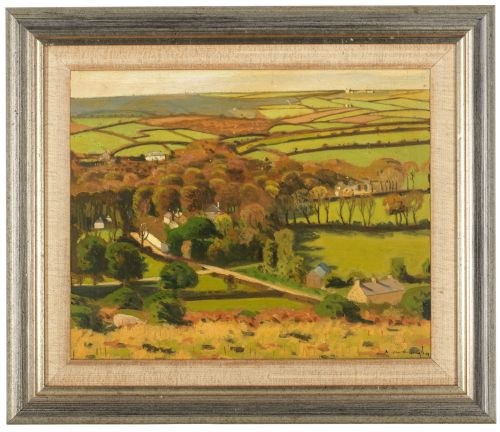
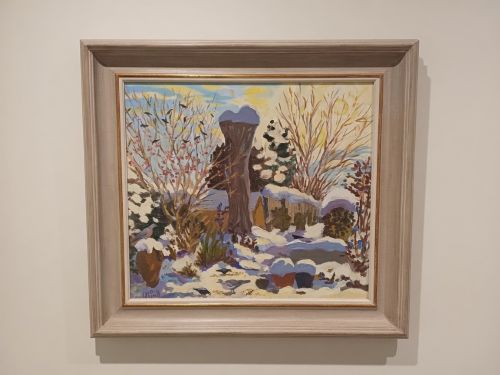
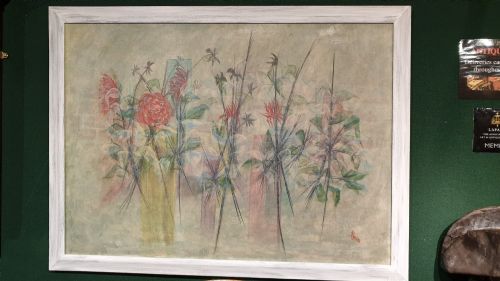
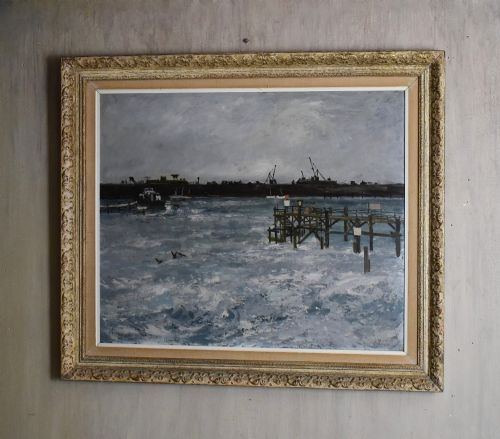
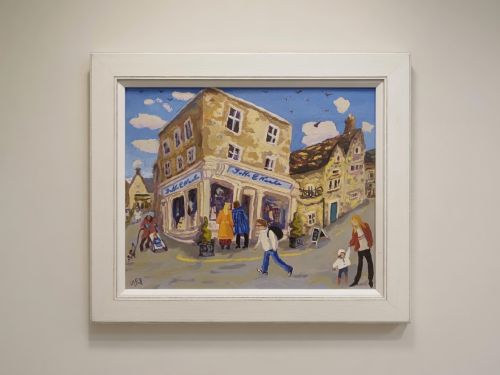
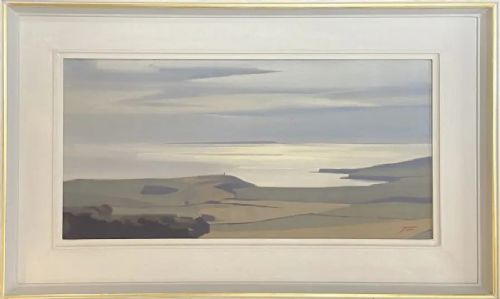
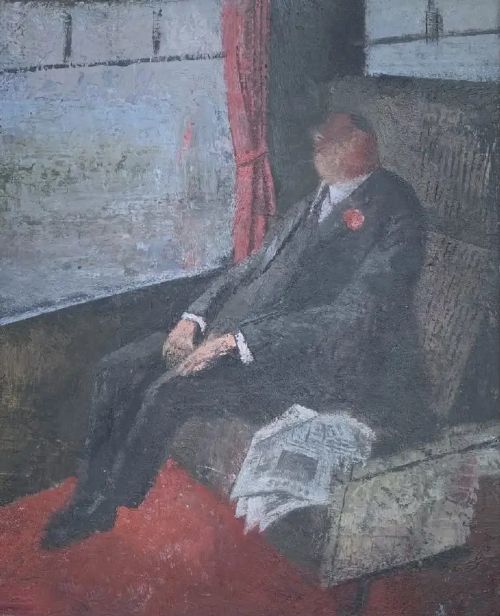
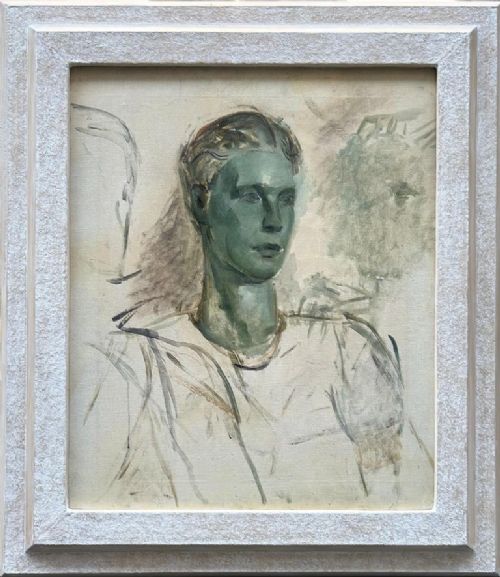
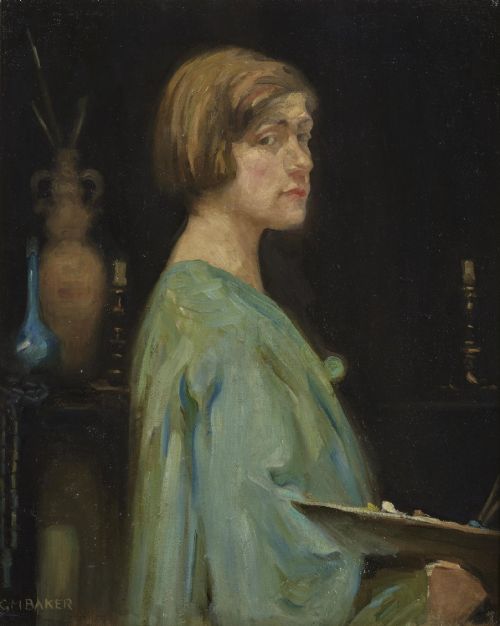
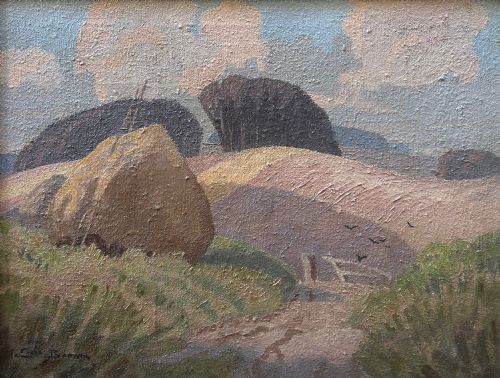
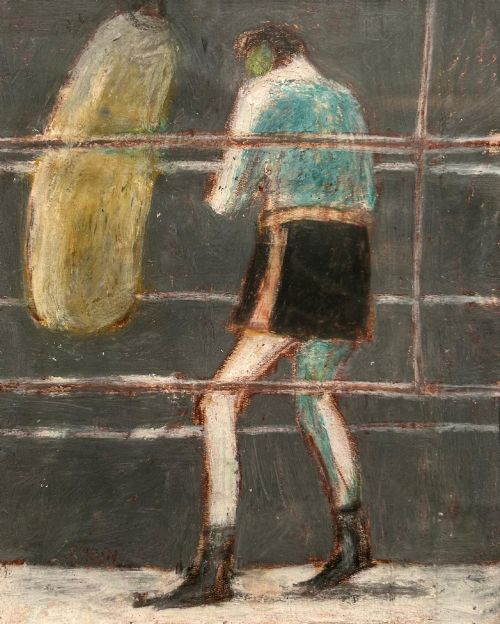
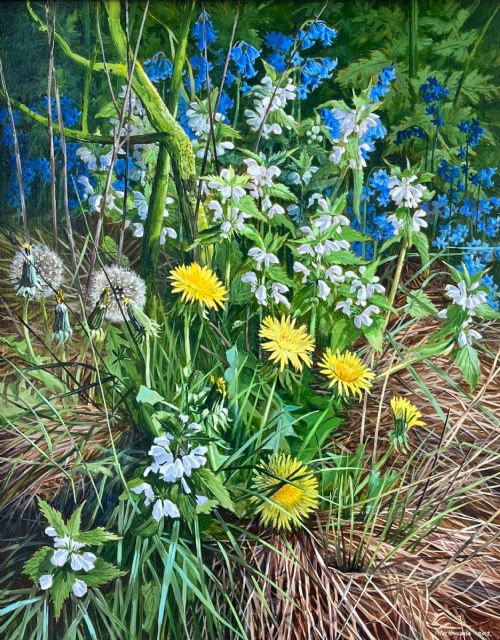
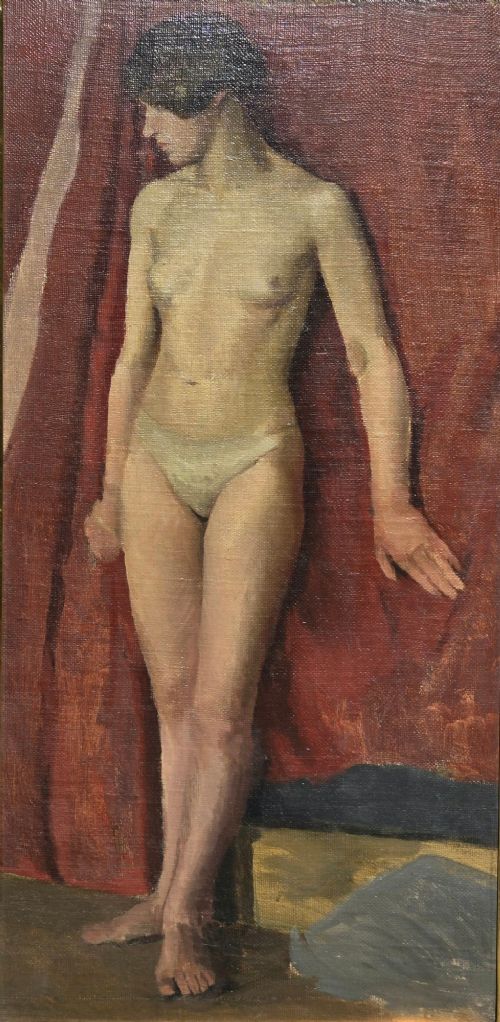
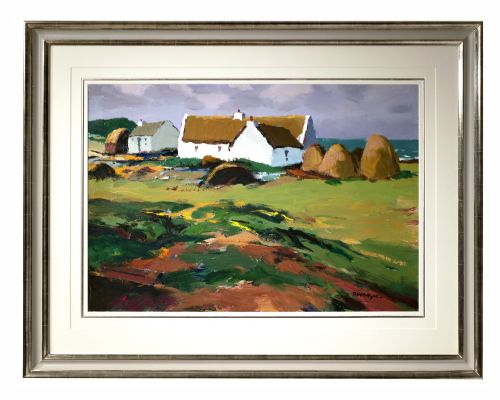
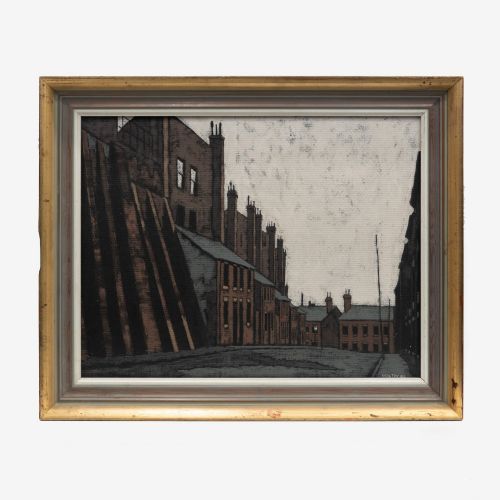
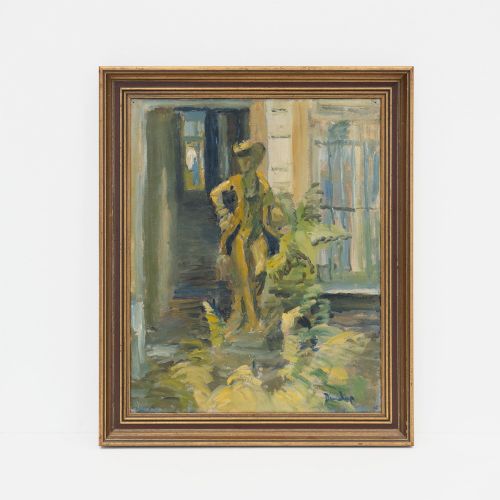
A modern british oil painting encompasses original works executed across the twentieth century, spanning decades such as the nineteen-twenties, nineteen-forties, nineteen-fifties, and nineteen-sixties. Buyers searching this phrase encounter landscape scenes, coastal views, figurative studies, and self-portraits created by named artists.
The prevalent forms on this page include framed compositions rendered on canvas, board, and wood panel. These original paintings reflect styles such as impressionism and mid-century modern British aesthetics, capturing distinct regional subjects from Welsh valleys to Cornish settings.
How They Were Made
Artists applied oil paint using brushes and sometimes palette knives onto prepared supports like stretched canvas, wooden panels, and sturdy boards. These traditional grounds provided stable surfaces for building up layers of rich pigment and visible impasto.
Many works incorporate protective glass within their frames to safeguard the oil medium and underlying support. The combination of oil on wood panel, board, or canvas defines the physical construction of these mid-century pieces.
Retail Price Guide 2026
Typical UK retail prices for modern british oil painting, calculated from the Sellingantiques database of over a million retail prices indexed since 2003. This retail price guide relies exclusively on Sellingantiques data; no external sources or auction records are used, so the figures do not describe the wider market.
One artist captured children at play on the beach before immortalising quiet churchyards.
What Varies in Quality
Quality rests in the surety of the brushwork and the clarity of the composition, distinguishing confident early career works and mature statements from tentative student exercises. The handling of light and space dictates whether a landscape or portrait engages the eye over time.
The integrity of the original support, the preservation of the pigment layer, and the appropriateness of the framing contribute significantly to a piece's visual success. Works that retain their surface texture without excessive restoration hold greater artistic authority.
Gladys Marguerite Baker·Donald McIntyre·Hubert Wellington·Jeffrey Pratt·Joan Gillchrest·Peter Greenham·Alastair Flatterly
The Modern British Oil Painting Glossary
- Oil on board
- A painting technique where oil pigments are applied directly to a rigid wooden or cardboard substrate. This method provides a firm surface favoured by many mid-century painters.
- Wood panel
- A flat wooden support used as a canvas alternative. It offers absolute rigidity and distinct textural interaction with the oil paint.
- Impressionism
- A style of painting that focuses on capturing the visual impression of a moment, shifting light, and immediate atmosphere. It relies on rapid, visible brushstrokes.
- Mid-century modern
- Design and artistic output spanning the middle decades of the twentieth century. It embraces clean forms and direct observation of the natural world.
Frequently Asked Questions
What is a modern british oil painting?
A modern british oil painting is an original twentieth-century artwork created using oil pigments on canvas, board, or wood panel. These pieces reflect movements like impressionism and mid-century modernism.
They capture subjects ranging from Welsh landscapes and Cornish churches to coastal children and self-portraits by notable artists of the era.
How should I hang an oil painting?
Hang your oil painting on an interior wall away from direct sunlight and damp conditions to protect the canvas and wood panel. Ensure the wall fixings match the weight of the framed artwork.
Keep paintings away from direct heat sources such as radiators to prevent the wood or canvas from warping over time.
How do I clean an oil painting?
Dust an oil painting very gently with a soft, dry artist brush or a clean microfiber cloth. Avoid using water, liquid cleaners, or chemical solvents on the paint surface.
If the painting is protected by glass, clean only the glass carefully with a suitable cleaner sprayed onto a cloth rather than directly onto the frame.
How do I identify the period?
Identify the period by examining the artist's recorded lifespan, stylistic clues, and the physical materials such as the type of board or canvas used. Mid-century works often carry distinct palettes and brushwork.
Inscribed dates on the reverse or signatures within the composition frequently provide definitive confirmation of the decade of creation.