


Modern British Landscape Art
Modern british landscape art captures the changing rural and industrial character of twentieth-century Britain through varied painterly traditions.
Modern British Landscape Art
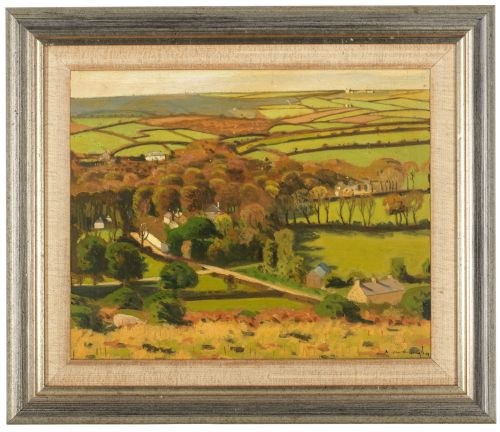
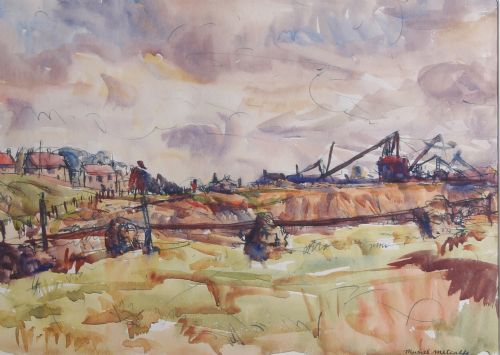
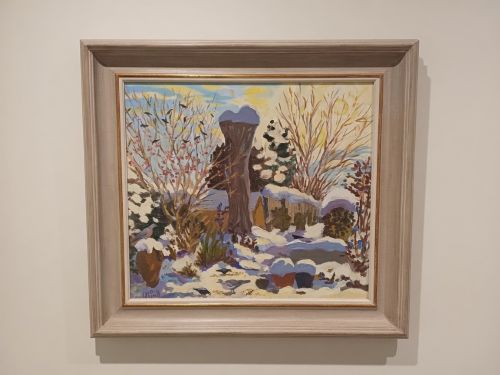
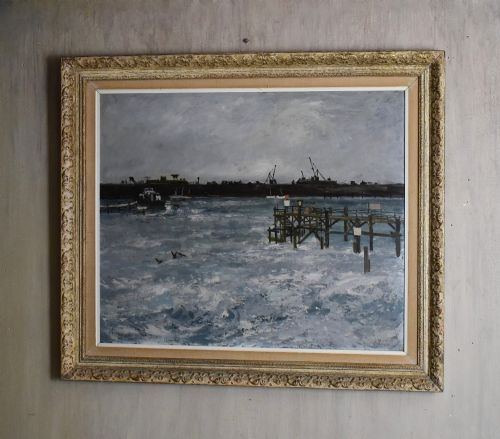
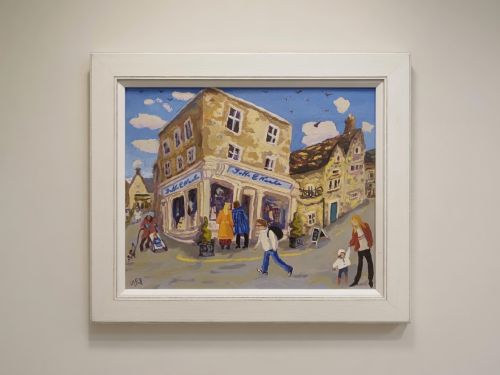
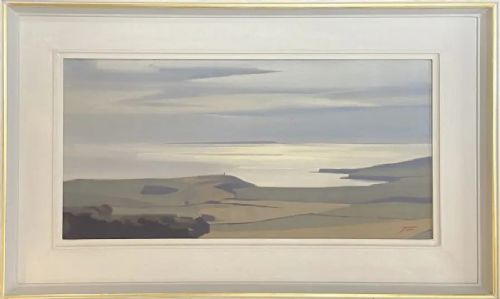
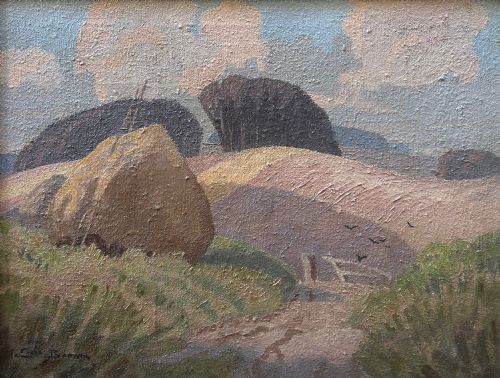
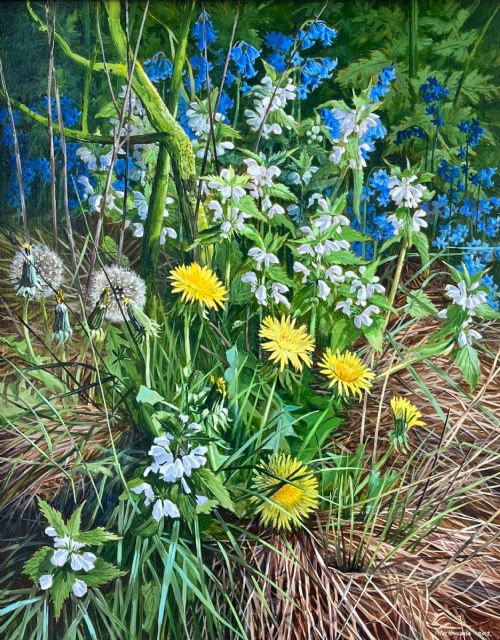
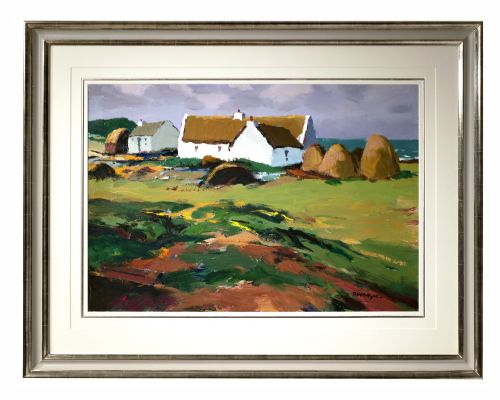
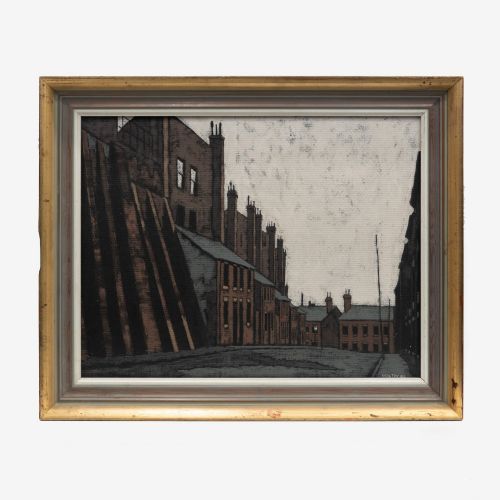
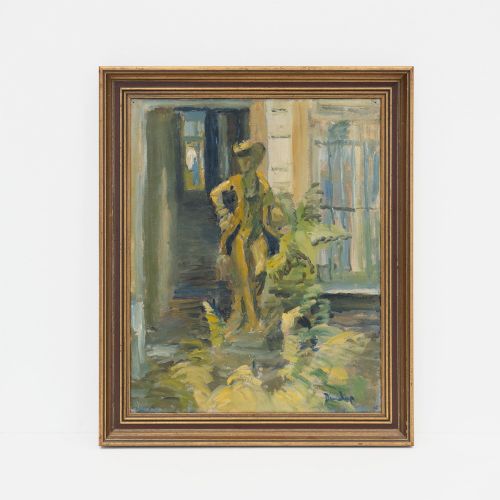
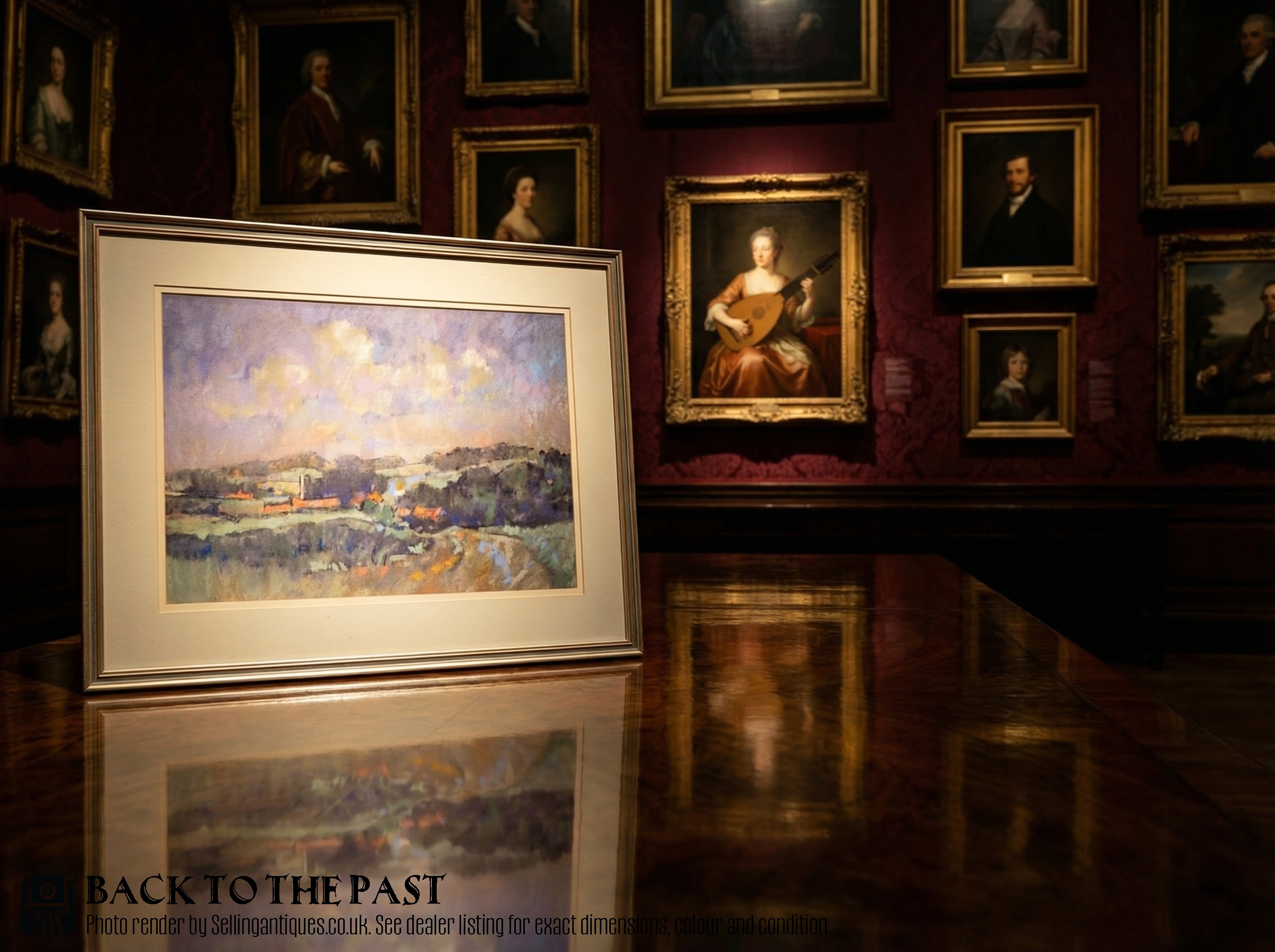
Modern british landscape art encompasses original paintings, watercolours, and drawings produced from the Edwardian era through the mid-twentieth century and beyond. These works record coastal scenes, country valleys, industrial towns, and quiet gardens across Britain.
The pieces on this page frequently manifest as oil paintings on canvas, board, or wood panel, alongside delicate watercolour and ink works on paper. Subjects range from Welsh hills and Yorkshire dales to Norfolk marshes and urban factories.
Buyers encounter works executed in styles spanning British Impressionism, Post-Impressionism, and Mid-Century Modernism. Each piece offers a distinct perspective on the topography and atmosphere of twentieth-century life.
Distinctions in painterly quality
Quality rests on the confidence of the brushwork and the artist's ability to structure space and light within the landscape. Works that demonstrate a sure handling of tone and colour convey greater vitality than purely mechanical topographical views.
The strength of the composition and the preservation of the original paint surface determine the standing of an individual piece. Early career examples or works retaining documented exhibition histories hold particular significance for collectors.
Modern British Landscape Art Retail Price Guide 2026
Typical asking prices for modern british landscape art among the pieces listed under this phrase on Sellingantiques today, from the lower quarter to the upper quarter. They describe what is for sale here now, not the wider market.
Listings feature works created across eight distinct decades, utilising oil paint, watercolour, ink, and etching.
Robert Morson Hughes·Muriel Metcalfe·Peter Brannan·James Fry·Eric Brown·Peter Newcombe·Donald McIntyre·Stuart Walton·Ronald Ossory Dunlop·Hubert Wellington·Joan Gillchrest·Helen Layfield Bradley·Henry Charles Fox·Hazel M. Barnett·Fred Lawson·Edward Seago·Jeffrey Pratt·Sir William George Gillies·Claude Muncaster·Ernest Higgins Rigg·Sonia Lawson·Nora Munro Summers·Hermoine Hammond·Norman Janes
The Modern British Landscape Art Glossary
- Impasto
- Paint applied thickly to a canvas or board, leaving visible brush or palette knife marks that stand proud of the surface. This technique adds tactile depth and catches light across skies and fields.
- Plein air
- The practice of painting outdoors directly from nature to capture transient effects of light and weather. Artists working this way often utilised board or panel for portability.
- Post-Impressionism
- An artistic movement extending impressionist methods while emphasising geometric forms, expressive use of colour, and distinct emotional weight. It heavily influenced twentieth-century British painters.
- Watercolour
- A paint consisting of pigment suspended in a water-soluble vehicle, traditionally applied to paper. It allows for translucent washes and rapid sketching of topographical scenes.
- Constructivist
- An artistic style originating in the early twentieth century that prioritized abstract structures, industrial forms, and spatial construction. In landscape and townscape art, this translates to a rigorous geometric arrangement of buildings and factories.
Modern British Landscape Art: Frequently Asked Questions
What periods do these landscapes cover?
The selection spans from the Edwardian era through the 1920s, 1930s, 1940s, 1950s, and 1960s. Many pieces reflect mid-century modernist developments.
Later works extend past 1960, showing the ongoing evolution of British landscape painting.
How should I care for oil paintings on board?
Keep paintings away from direct sunlight and fluctuating humidity to protect the wood board and paint layers. Gentle dusting with a dry, soft cloth is usually sufficient.
Avoid using liquid cleaners on the painted surface or the exposed wood panels.
Are watercolours framed under glass?
Works on paper such as watercolours and ink drawings require glass protection to prevent moisture and dust damage. Framing typically includes a mount to keep the paper away from the glass surface.
Position these pieces out of harsh direct light to prevent the watercolour pigments from fading.
How do I identify a mid-century British landscape?
Look for simplified forms, expressive brushwork, and a distinct focus on rural or industrial structures rather than strict academic realism. Palettes often reflect the specific regional tones of Welsh valleys, northern dales, or East Anglian marshes.
Signatures, dates, and framing styles also help place the work within its twentieth-century context.