


Modern British Figurative Art
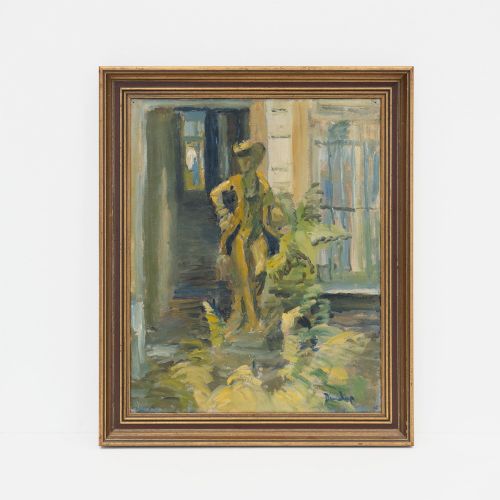
Modern British figurative art captures the human form and daily life through oil, canvas, and paper across the twentieth century.
Modern British Figurative Art
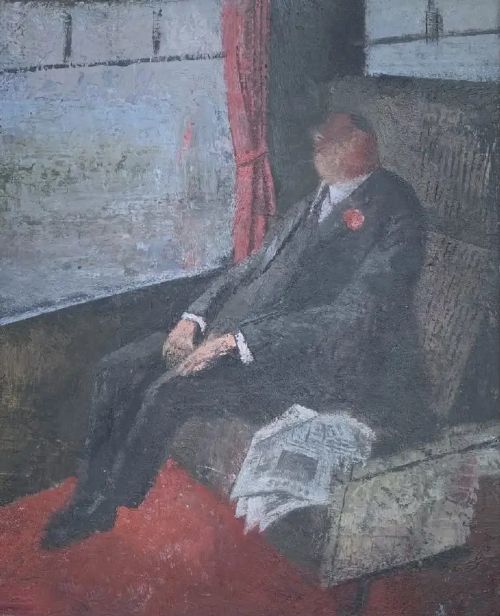
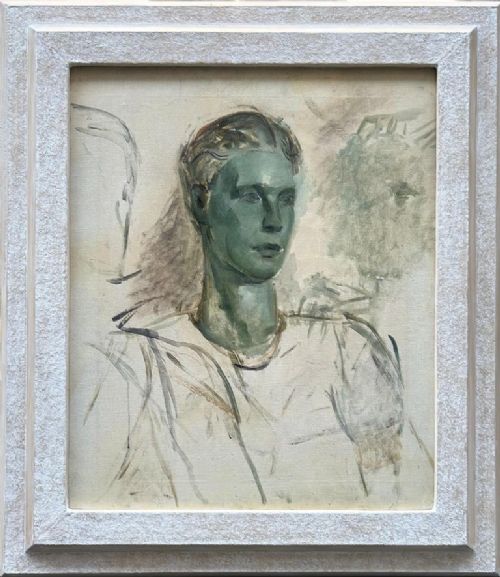
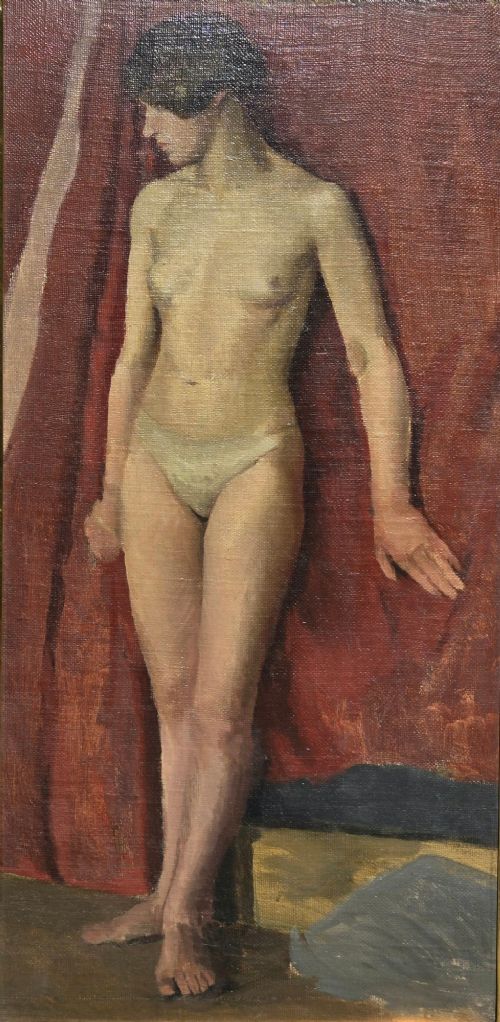
Modern british figurative art centres on representations of people, ranging from formal portraits and nudes to informal studies of children and dancers. These works document human subjects through the lens of twentieth-century aesthetic movements, spanning from the early decades through the post-war period.
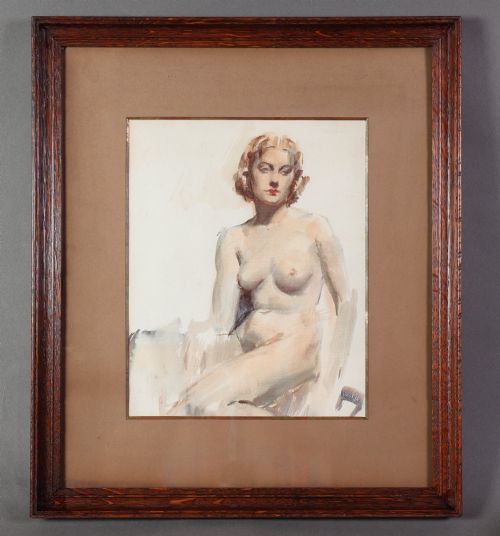
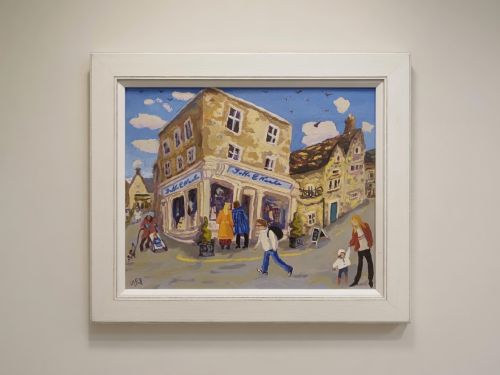
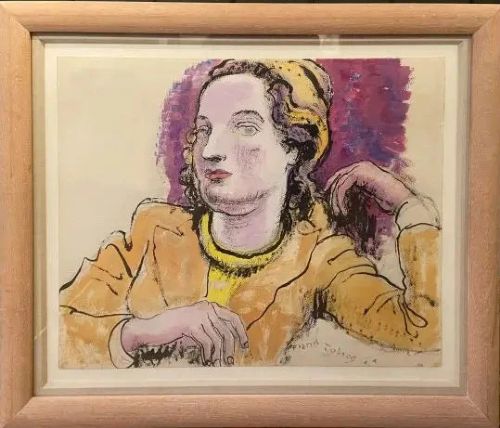
The selections encountered here frequently take the form of original oil paintings, oil on canvas, and framed artwork, alongside works on paper such as lithographs, ink studies, watercolours, and pastels. Painters and sculptors working within this tradition record individual sitters, studio assistants, and scenes from everyday existence.
Origins stretch from the opening decades of the twentieth century into later modern periods, reflecting shifting stylistic approaches from impressionistic observation to starker modernist delineation. Buyers encounter both named artists of established reputation and anonymous works attributed to the British School.
Factors determining the calibre of pieces
Quality rests upon the strength of draftsmanship and the confidence of brushwork used to define the human subject. Superior examples display a decisive handling of line and form that conveys character and presence with economy.
The relationship between the artist and the subject influences the significance of a piece, particularly in portraiture where the sitter's identity or the creator's association adds contextual depth. Material stability and the preservation of the original surface condition also determine standing.
Several nudes share space with domestic cats and busy beach scenes, proving that even serious artists occasionally struggled to keep pets and children out of the studio.
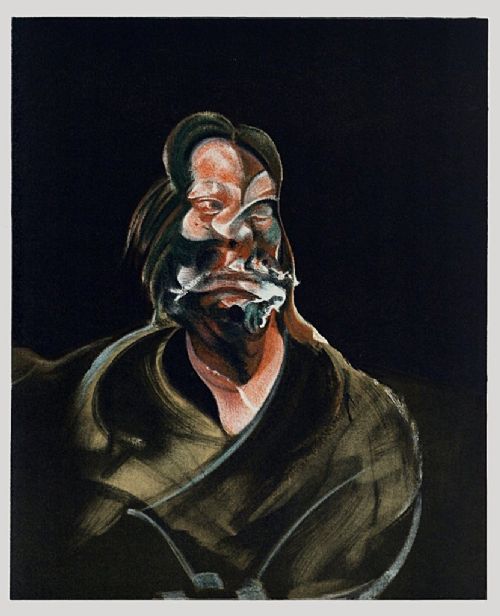
Francis Bacon·Frank Dobson·Winifred Rymer·Ronald Ossory Dunlop·Septimus Scott·Philip Naviasky·Sir William Russell Flint·Lucien Freud·Jeffrey Pratt·Dame Laura Knight·Bernard Meninsky·Sonia Lawson
The Modern British Figurative Art Glossary
- Figurative art
- Artwork that derives its inspiration from the real world, particularly representing the human figure. This category contrasts with abstraction by retaining recognizable forms.
- Lithograph
- A print made from a planographic process in which the image is printed from stone or metal plates. Artists draw directly onto the surface with a greasy medium.
- Triptych
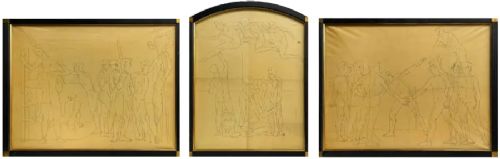
- A work of art divided into three sections or three carved panels that are hinged together and share a single thematic subject. This format appears in multi-panel paintings.
- Provenance
- The chronological history of the ownership of a piece, establishing its authenticity and lineage. Clear documentation supports attribution to specific creators.
- Impressionism
- A nineteenth and twentieth-century style characterised by relatively small, thin, yet visible brush strokes and an emphasis on accurate depiction of light. It informs several works in this tradition.
Modern British Figurative Art: Frequently Asked Questions
What defines modern british figurative art?
These works represent human figures through twentieth-century painting, drawing, and sculpture created within British artistic circles. They bridge traditional portraiture and modernist experimentation.
Creators utilise oil, watercolor, bronze, and ink to record sitters, dancers, and scenes of daily life.
How should I display these artworks?
Framed paintings and works on paper require stable wall spaces away from direct sunlight to protect pigments and paper supports. Proper framing preserves the physical integrity of canvas and delicate media.
Bronze sculptures need secure placement on solid surfaces where the three-dimensional form can be viewed from multiple angles.
How do I identify the period of a piece?
Dating relies on stylistic markers, materials, and documented artist working dates spanning from the early twentieth century onward. Signatures and exhibition labels often provide direct chronological evidence.
Comparative study of framing, canvas preparation, and paper types further aids in determining the era of creation.
Why buy works on paper?
Drawings, ink studies, and lithographs offer intimate access to an artist's initial draftsmanship and immediate creative process. These works reveal the direct movement of the hand in pencil, ink, or pastel.
They complement larger oil paintings by showing preliminary thought or alternative compositional experiments.