
Modern British Art Painting
A modern british art painting brings together mid-century landscapes, portraits and abstracts that define twentieth-century visual culture.
Modern British Art Painting
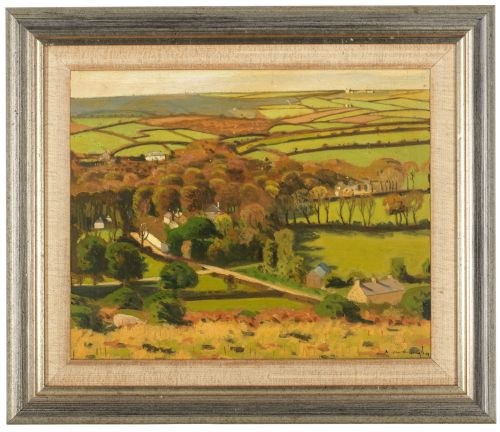
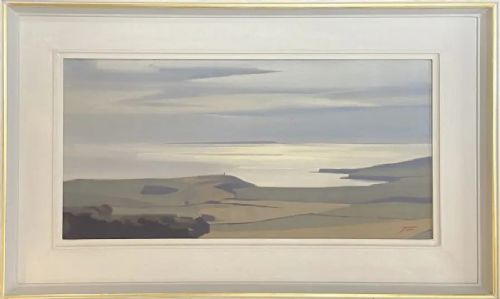
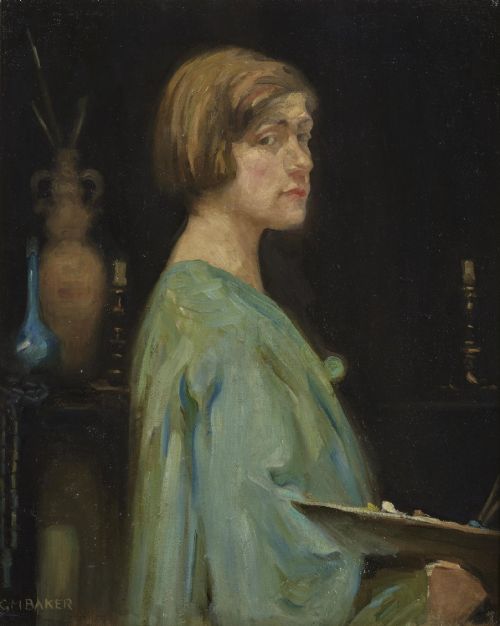
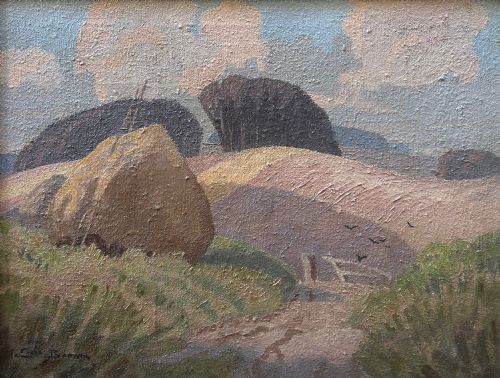
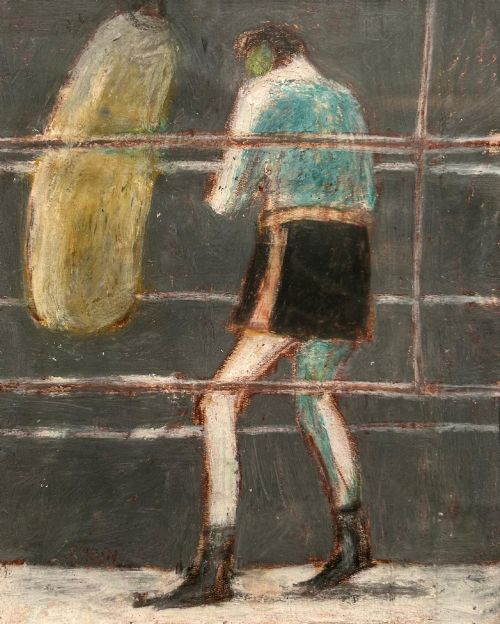
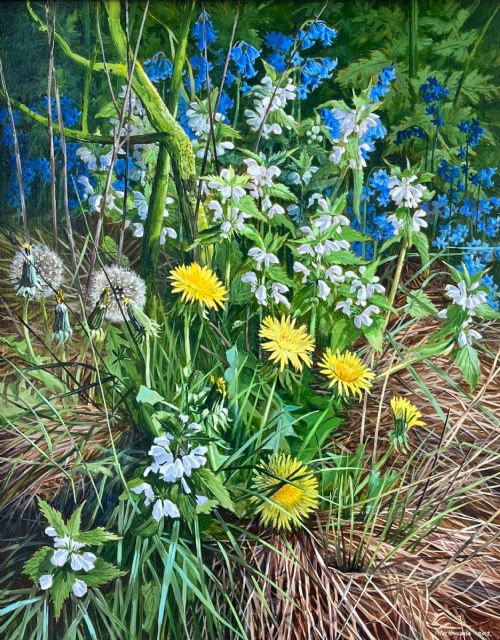
When you search for a modern british art painting, you encounter works spanning from the early twentieth century through the nineteen-sixties and beyond. The selection on this page captures significant movements including British Impressionism, the St Ives school and mid-century modernism.
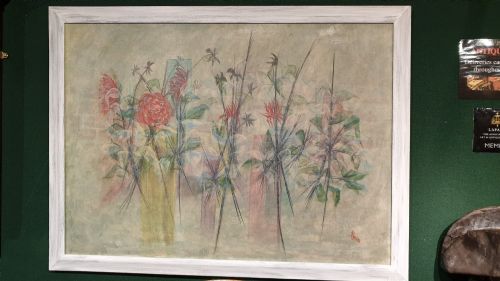
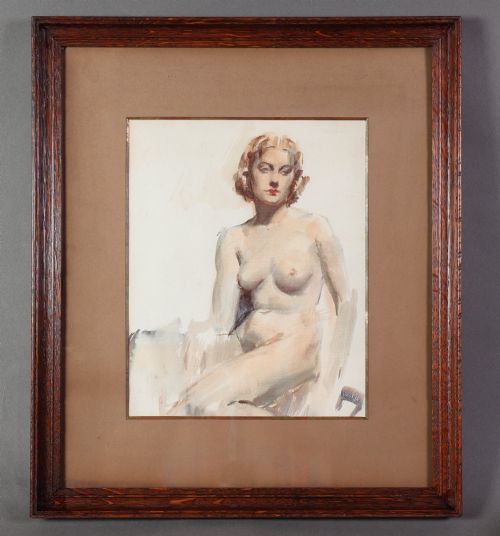
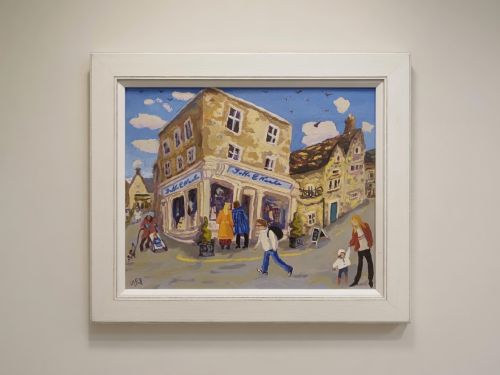
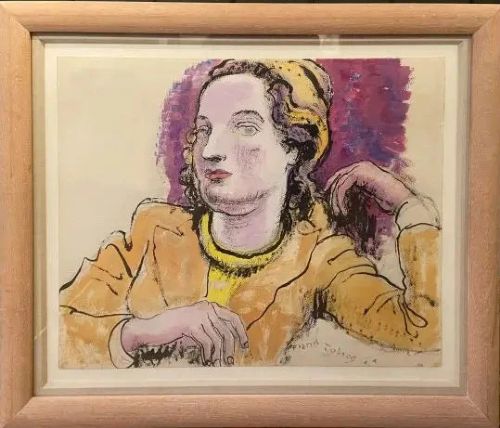
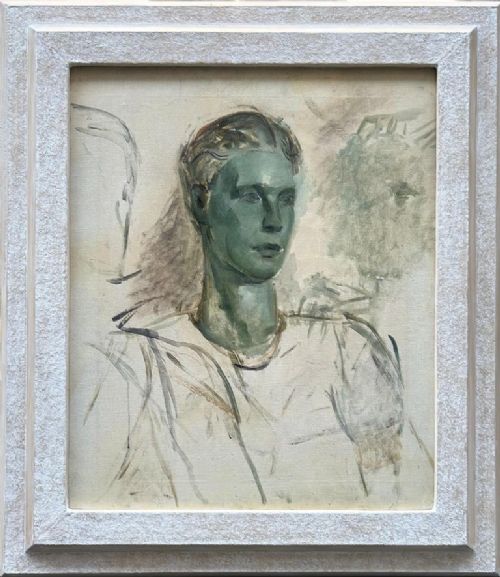
Landscapes, coastal scenes, figurative studies and still lifes form the core of the inventory. These pieces reflect the evolving artistic idioms of Britain across several decades of profound social and visual change.
Most examples date from the nineteen-twenties to the nineteen-sixties, representing periods of robust creative output from regional schools and metropolitan centres alike.
How They Were Made
Artists painted primarily in oil and watercolour, applying pigment to canvas, wood panels, paper and card. Supporting materials range from traditional stretched canvas to sturdy boards and textured impasto preparations.
Framing forms an integral part of the physical object, with many works retaining period frames that complement the composition.
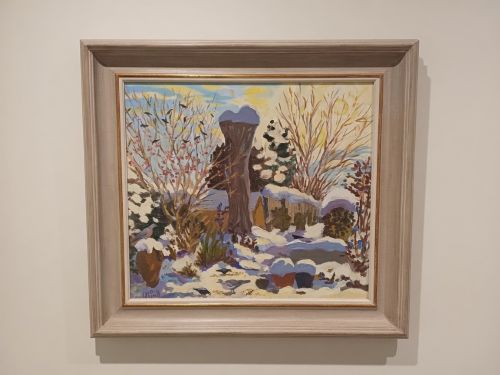
Several paintings capture sheep driven down quiet lanes and cows enjoying a snowy winter feed.
What Varies in Quality
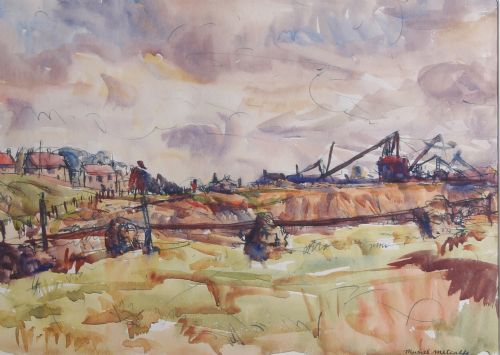
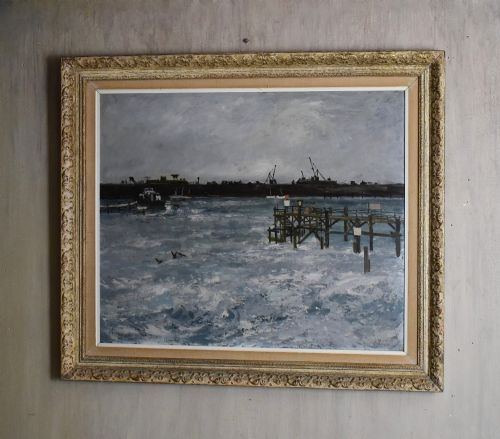
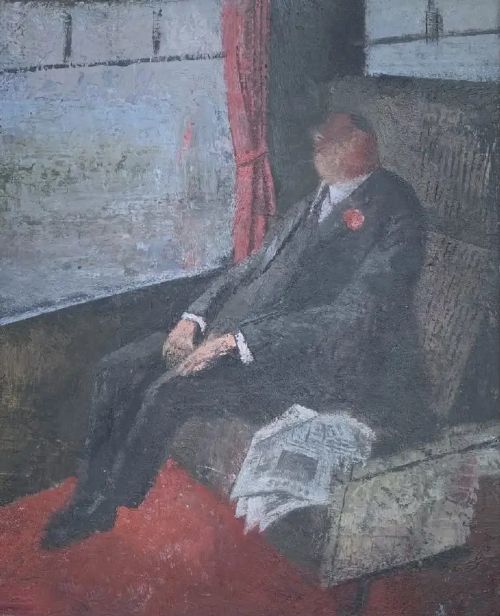
Quality rests upon the sureness of the brushwork, the strength of the composition and the integrity of the surface condition. A successful painting demonstrates purposeful handling of medium and light, whether depicting a Cornish harbour or an industrial interior.
Works by recognised regional figures or members of established movements command particular attention through their distinct authorial voice and historical context within twentieth-century British visual practice.
Frank Dobson·Ronald Ossory Dunlop·John Rattenbury Skeaping·Joan Gillchrest·Dame Elisabeth Frink·Denis Mitchell·James Tower·Edward Seago
The Modern British Art Painting Glossary
- Impasto
- Paint applied thickly to a canvas or panel, leaving visible brush or palette knife marks that add tactile dimension to the surface.
- St Ives School
- A group of artists based in Cornwall associated with the development of abstract and modernist painting from the nineteen-forties onwards.
- Triptych
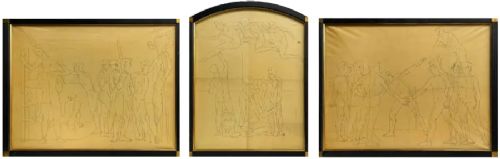
- A work of art divided into three sections or panels, often hinged or displayed together to form a single narrative or visual composition.
- Provenance
- The documented history of ownership of a work of art, tracing its origin and path through collections.
Modern British Art Painting: Frequently Asked Questions
What defines a modern british art painting?
These works encompass the diverse styles that emerged in Britain during the twentieth century, moving away from strict academic realism toward impressionistic, figurative and abstract approaches.
They reflect the unique landscape, industrial development and social changes of the era through distinct regional and national lenses.
How do I hang and display these paintings?
Choose a wall with stable ambient conditions away from direct sunlight and excessive moisture to protect the pigment and canvas. Secure fixings appropriate for the weight of the framed piece.
Allow the composition adequate surrounding space so the colour and brushwork can be appreciated without visual competition from adjacent objects.
How can I tell different periods apart?
Earlier twentieth-century works often lean towards traditional impressionism or representational portraiture, whilst pieces from the nineteen-fifties and sixties frequently embrace abstraction, bolder palettes and industrial themes.
Examining the supporting substrate, framing style and recorded dates helps place each piece within its historical decade.
What subjects were popular among these artists?
Artists frequently turned to British landscapes, coastal scenes in Cornwall and Wales, urban industrial settings and intimate figure studies.
Still lifes featuring everyday domestic objects also featured strongly, particularly during wartime periods when artists worked with readily available indoor subjects.