


Signed British Watercolour Painting
These signed british watercolour painting works capture landscapes and coastal scenes from the Victorian era onward.
Signed British Watercolour Painting
A signed british watercolour painting brings together traditional paper supports and fluid pigments to record landscapes, coastal harbours and pastoral scenes across the British Isles. The pieces span from the late nineteenth century through the Edwardian period and into the mid-twentieth century, reflecting changing artistic approaches to familiar countryside and maritime views.
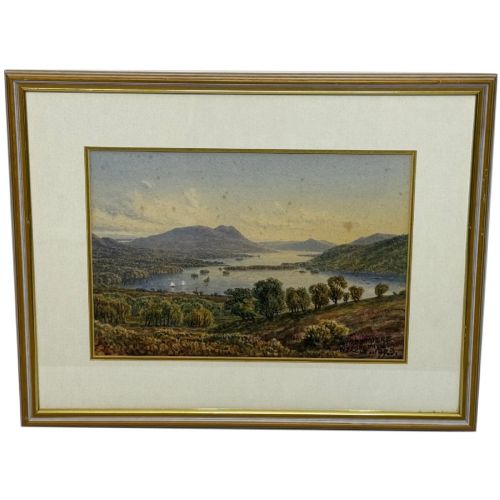
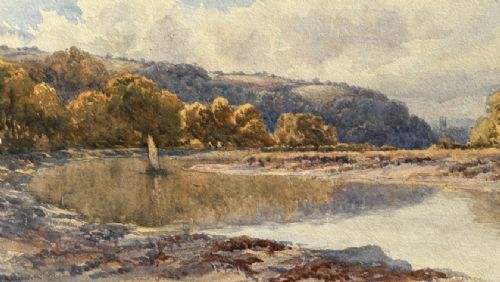
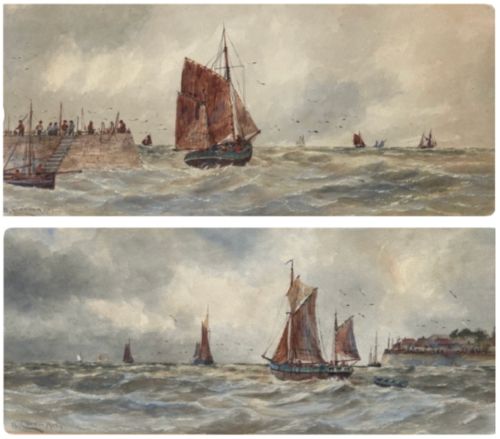
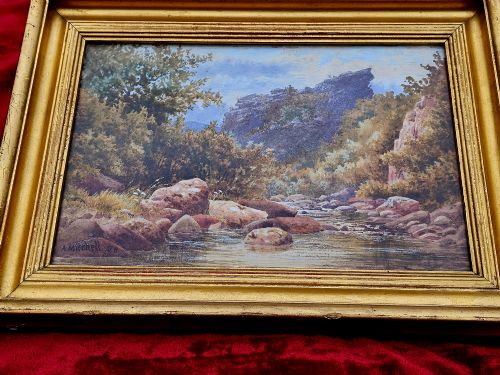
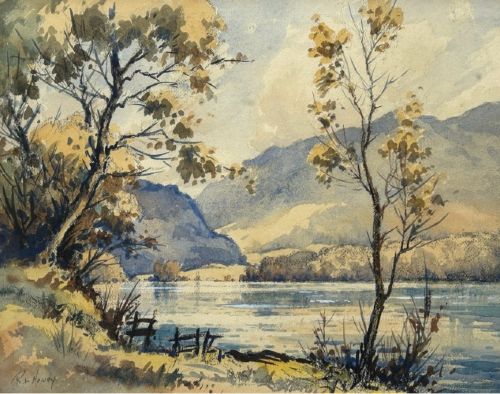
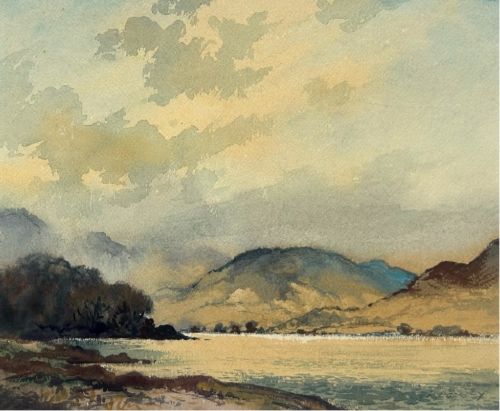
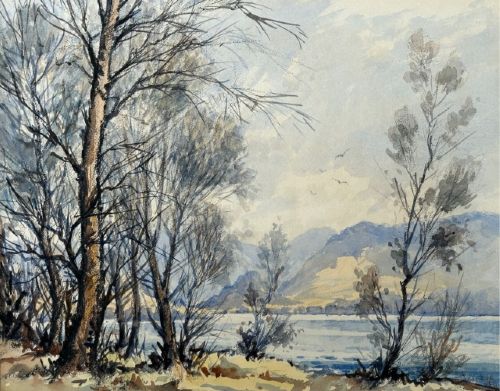
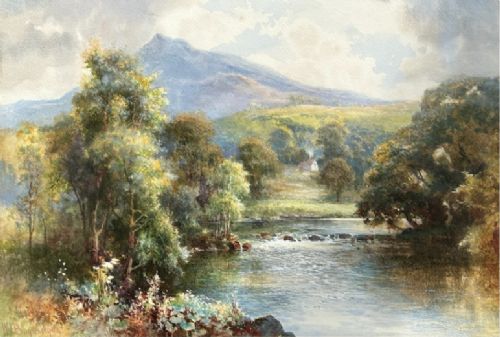
Buyers frequently encounter works depicting Yorkshire fishing ports, Welsh river valleys and Cumbrian lakes, often rendered with precise topographical detail or looser impressionistic brushwork. Framed under glass within period wooden mouldings, these works preserve the immediacy of the artist's hand through visible signatures and dates.
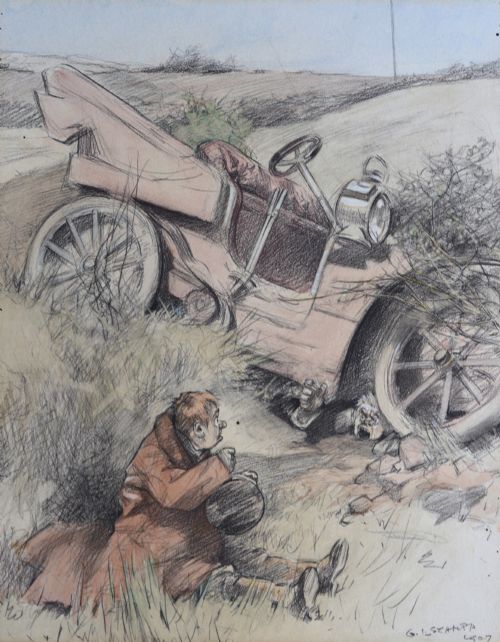
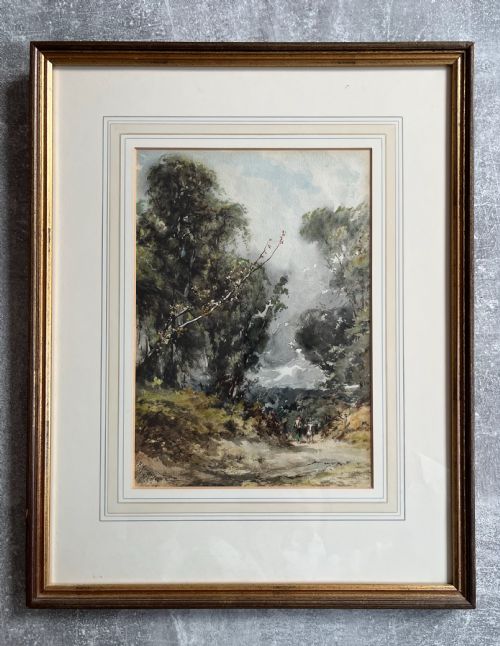
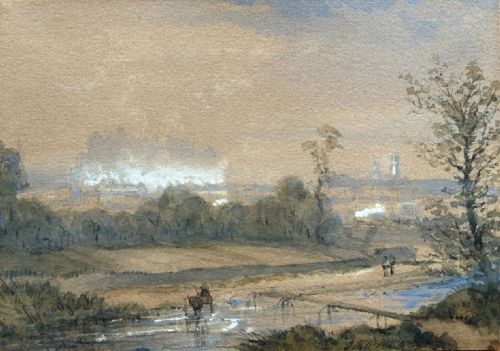
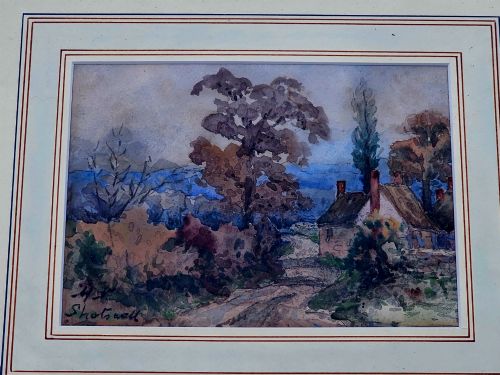
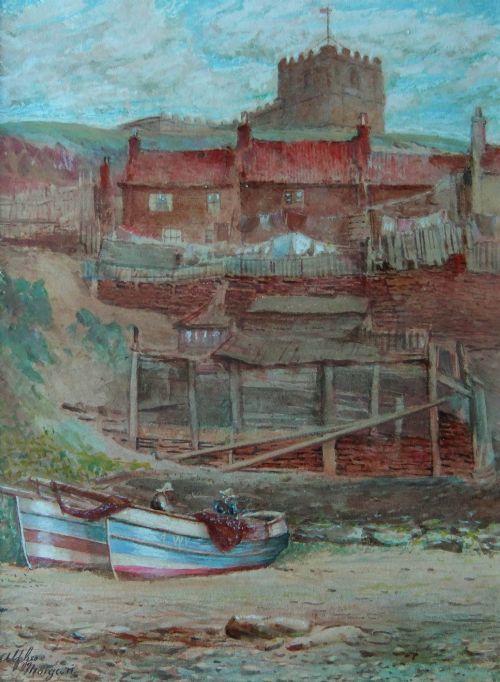
The selection ranges from traditional Victorian rural watercolours to mid-century abstract compositions and floral still lifes. Each painting serves as a direct record of a specific location, whether depicting Whitby harbour, Scottish castles or Venetian canals.
How They Were Made
Artists applied water-soluble pigments onto heavy paper sheets, sometimes combining watercolour with gouache to achieve opaque highlights and denser areas of colour. Washes were built in transparent layers to create atmospheric skies and shifting light over coastal waters and rolling hills.
Completed sheets were secured behind glass within wooden frames, occasionally enhanced with gilt surrounds to separate the delicate paper surface from the surrounding room. This framing protected the water-soluble pigments from airborne moisture and dust while allowing clear viewing of the artist's brushwork.
Coastal views of Whitby appear repeatedly, recording the Yorkshire harbour, abbey and fishing docks through changing nineteenth and twentieth-century techniques.
What Varies in Quality
Quality rests upon the sureness of the brushwork and the artist's ability to capture light and atmosphere with economy of mark. Stronger examples demonstrate confident handling of wet-in-wet washes and precise control over fine architectural or botanical details without stiffness.
The clarity of the paper support and the preservation of vibrant pigment tones distinguish superior survivals from faded or heavily yellowed sheets. Original framing and clear provenance through legible signatures or exhibition labels further elevate the standing of individual works.
George Lorain Stampa·George Fotherly Hargitt·James Orrock·William Cannon·John R Prentice·Robert Leslie Howey·William Banks Fortescue·William Joseph Boyes·Alfred G Morgan·Russell Sidney Reeves·F A Roylance·Alfred George Morgan·Dame Elisabeth Frink·Fred Lawson·Cuthbert Crossley·Stanley Orchart·F J Aldridge·Colin H Greenwood·Henry Bailey·Raoul Millais·Lester Sutcliffe·John Syer·Frank Wood·Kate E Booth·William Stephen Coleman
The Signed British Watercolour Painting Glossary
- Watercolour paint
- A medium consisting of coloured pigments suspended in a water-soluble vehicle, applied to paper to create transparent or translucent washes of colour.
- Gouache
- An opaque watercolour medium containing pigment mixed with a binding agent and white filler, used by artists to add solid highlights and dense passages to a painting.
- Diptych
- A painting comprising two separate panels or sheets presented as a single matched pair, often hinged or framed together to show related views.
- Pastoral landscape
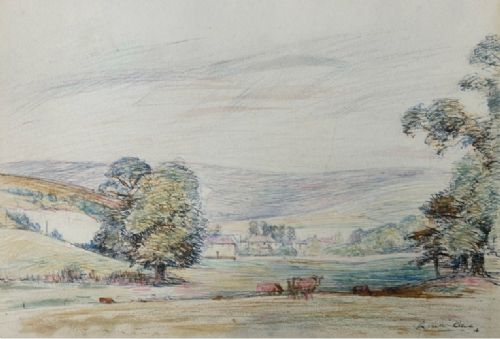
- An artistic genre depicting rural scenes, farmland, livestock and countryside views with an emphasis on tranquil rural life.
Signed British Watercolour Painting: Frequently Asked Questions
How should I hang a watercolour painting?
Watercolour paintings require protection from direct sunlight to prevent the pigments from fading over time. Position them away from strong heat sources and windows where ultraviolet rays might damage the paper support.
Ensure the room maintains stable humidity levels to protect both the paper and the wooden frame from warping. Professional framing with conservation-grade backing boards helps preserve the condition of antique works.
What subjects are common in these paintings?
British artists frequently turned to coastal harbours, fishing boats and dramatic cliff views along the Yorkshire and Devon coasts. River valleys, rural haymaking scenes and Welsh mountain landscapes also appear regularly across the nineteenth and twentieth centuries.
Townscapes, architectural studies and floral still lifes represent other popular subjects chosen by artists working in watercolour. These diverse motifs document both changing rural industries and enduring topographical views.
How can I identify the date of a piece?
Signatures are often accompanied by specific years written in pencil or ink by the artist's hand. Stylistic clues, such as Edwardian dress or Victorian maritime vessels, provide further context for dating unsigned or indistinctly marked works.
Framing materials and backing papers can also offer historical clues, though original frames are sometimes replaced later. Comparing technique and subject matter with documented works by the same artist helps narrow down the period of creation.
Are these works always painted on paper?
Paper serves as the primary support for almost all watercolour paintings from this era, providing the absorbent surface needed for fluid washes. The weight and texture of the paper varied according to the artist's preference and the period of production.
Some works incorporate gouache highlights on tinted or heavy watercolour paper to add opacity and depth. Cardboard or stiff boards appear occasionally in later twentieth-century studies.