


1920s Original Pencil Drawing
A 1920s original pencil drawing brings immediate graphic clarity to a wall, capturing the concise hand of the interwar period.
1920s Original Pencil Drawing
A 1920s original pencil drawing comprises works on paper executed during the nineteen-twenties, encompassing portrait drawings, townscapes, and avant-garde studies. These pieces capture the artistic output of the early twentieth-century British school alongside continental European works.
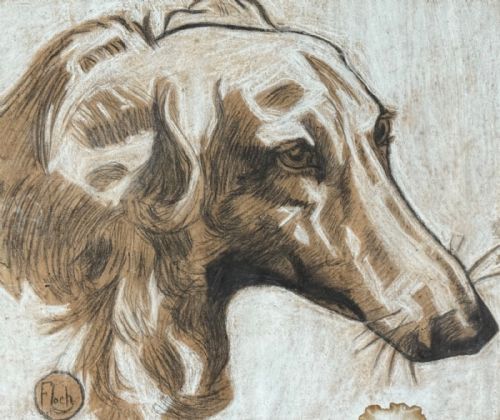
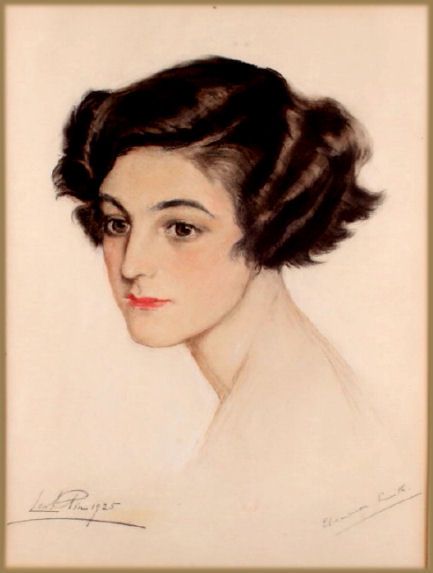
The selection on this page leans heavily toward original artwork employing graphite, charcoal, and red chalk on various supports, including buff paper. Buyers encounter both intimate portraiture and architectural townscapes from this specific decade.
Makers and subjects range from established Royal Academicians to avant-garde practitioners working in cubist and surrealist idioms. The forms vary from rapid preparatory studies to finished framed watercolours and gouache works.
How they were made
These works rely on direct hand-drawn marks using graphite and charcoal applied to paper or buff paper. Artists utilised pencils for fine linear precision and cross-hatching to build form and shadow.
Many sheets incorporate mixed media, layering watercolour and gouache over underlying pencil structures to add colour and opacity. Red chalk and deux crayon techniques appear in master drawings to enhance tonal depth.
A stray smudge of 1920s graphite remains a direct handshake from an artist working nearly a century ago.
What varies in quality
The strength of the draughtsmanship fundamentally dictates quality, separating confident, decisive line work from tentative or hesitant sketching. Sustained academic precision or deliberate avant-garde distortion carries greater visual weight than routine preparatory exercises.
Condition and preservation of the paper support influence value, as does the presence of a known artist's hand or documented provenance. Complete compositions demonstrating strong tonal contrast and paper integrity stand apart from faded or acidic sheets.
Demetrios Galanis·Dame Laura Knight·Fred Lawson·Leo Klin
The 1920s Original Pencil Drawing Glossary
- Graphite
- A form of carbon used as a drawing medium in pencils, producing grey or black marks with varying degrees of hardness. Softer grades create deep, velvety darks.
- Buff paper
- A pale yellowish-brown paper stock frequently utilised in the nineteen-twenties for graphic work. It provides a warm mid-tone background that interacts with white highlights and dark pencil lines.
- Deux crayon
- A drawing technique using two distinct coloured chalks or pencils, typically black and red, on toned paper. This method allows artists to model highlights and shadows simultaneously.
- Gouache
- An opaque water-based paint composed of pigment, water, and a binding agent such as gum arabic. It provides solid, flat colour areas when applied over pencil lines.
1920s Original Pencil Drawing: Frequently Asked Questions
Are these drawings signed by the artists?
Some sheets carry clear signatures or studio monograms, while others remain unsigned preliminary studies attributed through style and provenance. Unsigned works frequently emerge from artist estates or studio collections.
Documentation, exhibition labels, and stylistic comparison provide the primary means of attribution for unsigned drawings from this decade.
What is the difference between a study and a finished drawing?
A study typically serves as a preparatory exercise for a larger painting or mural, focusing on specific anatomical details, lighting, or composition. These pieces often show grid lines, artist annotations, or rapid directional hatching.
Finished drawings are executed as independent works of art intended for exhibition or sale. They generally display a higher degree of compositional completeness and tonal finish.
How do I care for works on paper?
Keep drawings away from direct sunlight and damp environments to prevent paper cockling and foxing spots. Stable indoor humidity and temperature protect the organic structure of paper and media.
Periodic inspection behind the frame ensures no mould or insect activity threatens the paper support.