



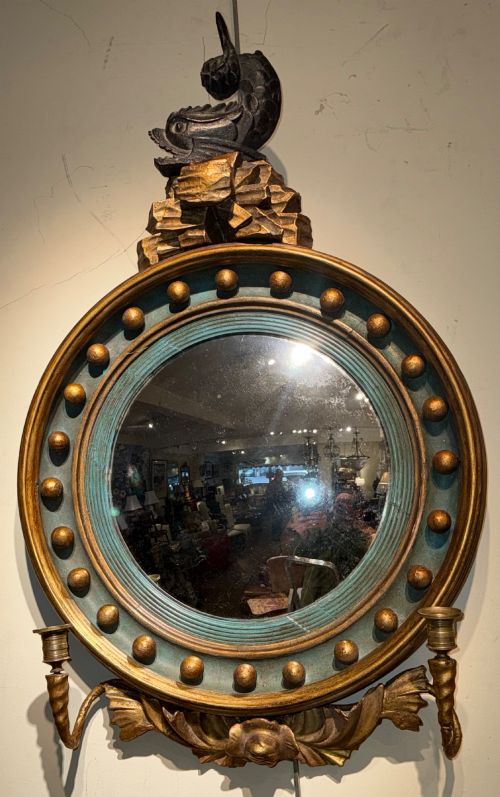
Mirrored Candle Sconces
Mirrored candle sconces combine reflective glass and candle arms to throw warm light across a room.
Mirrored Candle Sconces
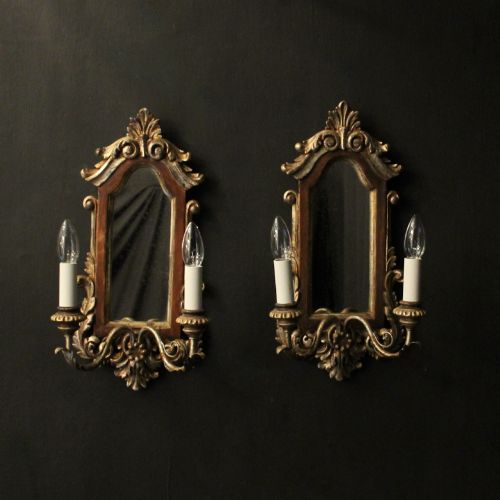
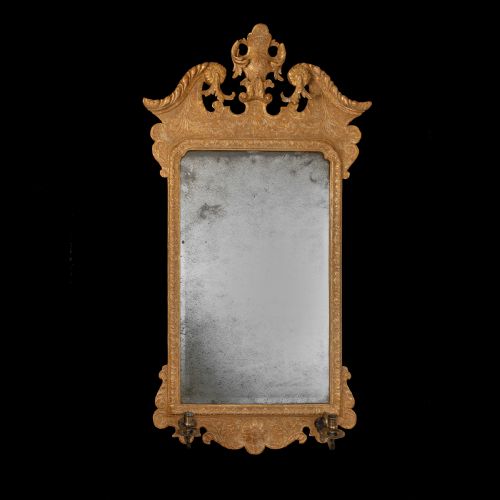
When you search for mirrored candle sconces, you encounter pieces designed to hang upon walls and amplify candlelight through reflective glass. The selections span centuries from the eighteenth century through the Victorian era and into the early twentieth century.
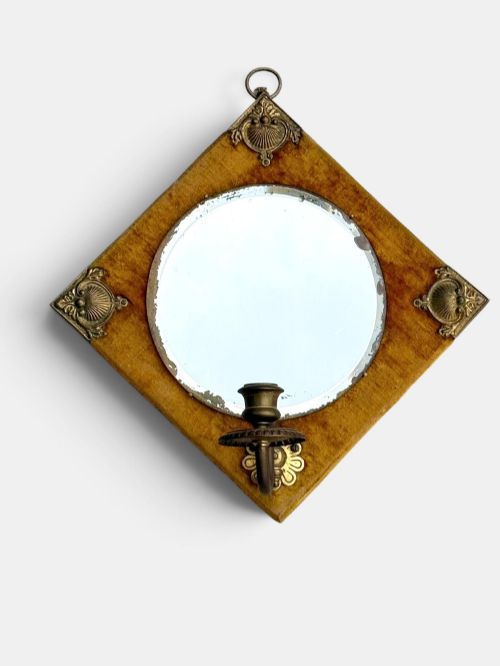
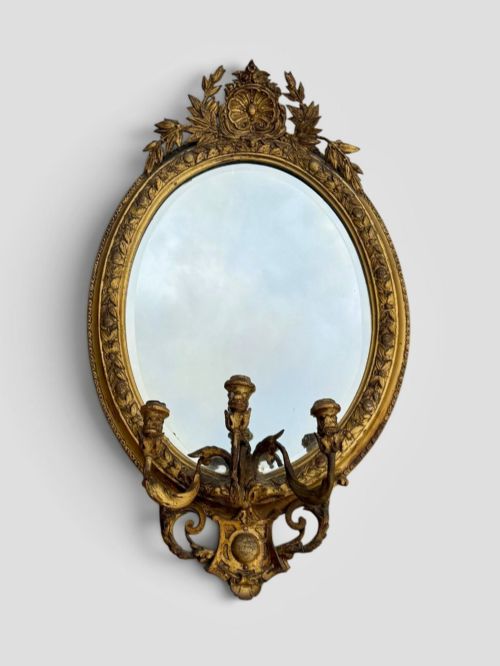
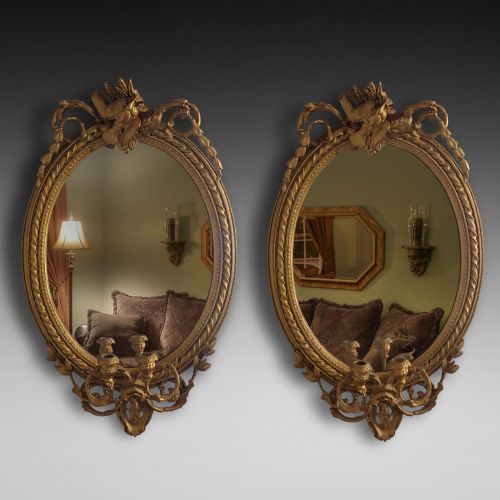
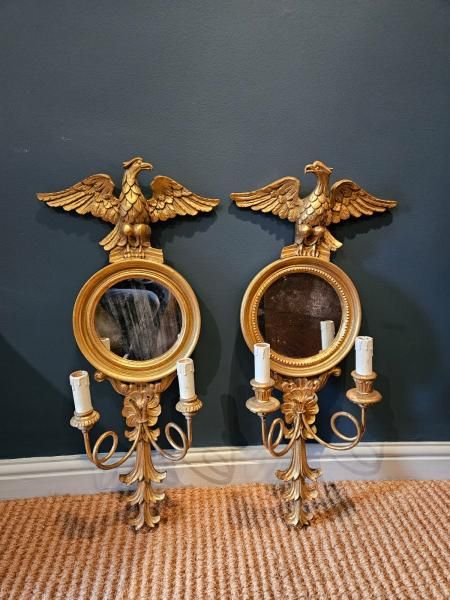
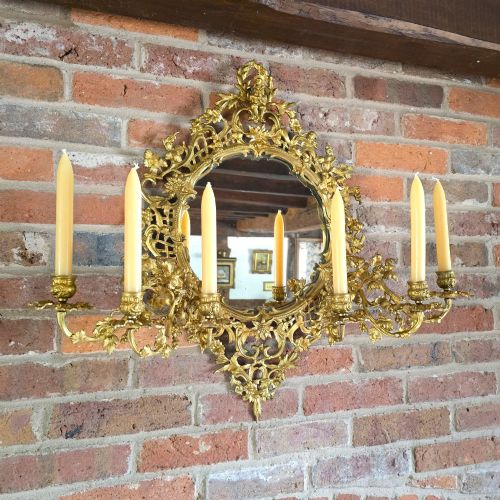
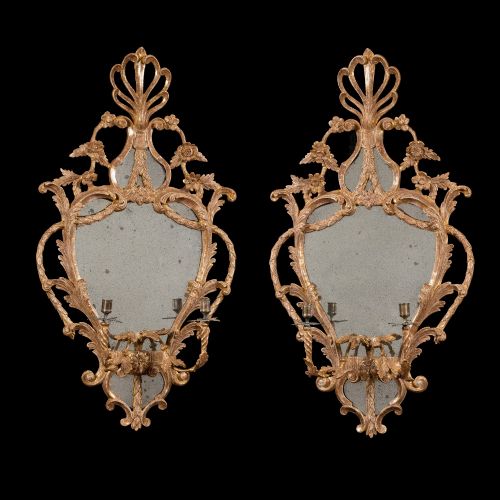
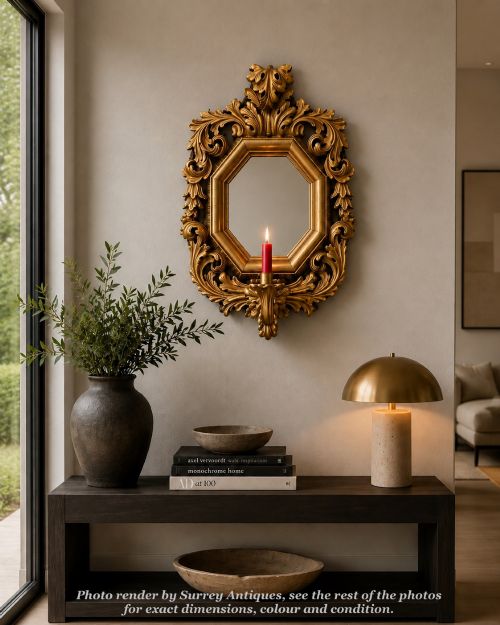
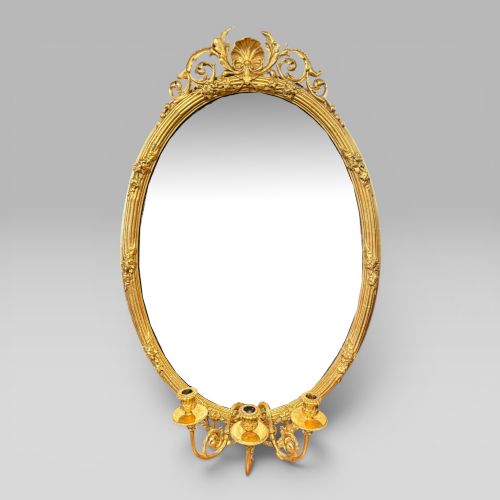
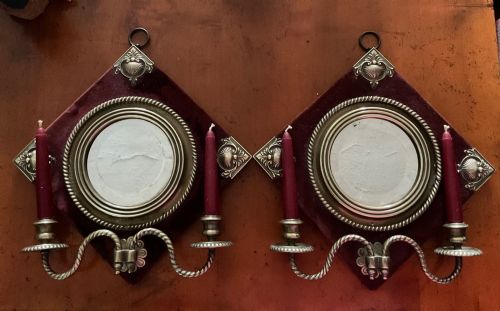
The evidence shows forms ranging from simple brass and copper frames to elaborate carved giltwood girandoles with multiple arms. Pairs appear frequently alongside wall mirrors fitted with candle branches.
Origin points stretch across England, France, Italy and India, capturing diverse regional tastes in domestic illumination.
How they were made
Carvers shaped wood frames from timber before applying gesso and layers of gold leaf to create giltwood surfaces. Metal variants utilise cast brass, bronze, copper and ormolu to form arms and mounts.
Glassmakers produced flat mirror plates and convex mirror glass designed to fit securely within moulded or carved rebates. Joinery techniques connect candle branches safely to the main wall plates.
North Indian workshops contributed mirrored sconces alongside European girandoles, proving that the desire to bounce candlelight off glass spanned continents.
What varies in quality
The depth and crispness of carved detail separate standard pieces from superior examples, particularly in giltwood and gesso work. Hand-carved elements display sharper definition than cast substitutes.
The preservation of original gilding and the clarity of the antique mirror glass influence the integrity of each piece. Heavy losses to the gesso or replacements to the primary glass plates alter the character.
The Mirrored Candle Sconces Glossary
- Girandole
- A wall mirror fitted with branches for candles. These fixtures reflect the flame to increase illumination in candlelit rooms.
- Gesso
- A plaster-like mixture applied to wood frames as a base for gilding. Artisans carve fine details directly into this surface.
- Giltwood
- Timber coated with gold leaf. This finish defines many decorative frames from the eighteenth and nineteenth centuries.
- Ormolu
- Gilded bronze used for decorative mounts and candle arms. The technique creates a rich golden metallic sheen.
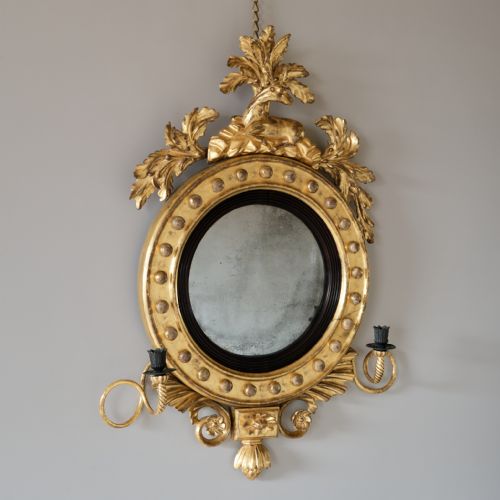
- Convex mirror
- A round mirror with a curved outward glass plate. This form captures wide panoramic reflections of the interior.
Mirrored Candle Sconces: Frequently Asked Questions
How do I hang a heavy sconce?
Wall fixtures require secure anchorage into solid masonry or direct wall studs due to the combined weight of wood, metal and glass.
Professional fixings matched to the weight of the specific frame ensure the piece remains safe and stable on the wall.
Are the candle arms original?
Many surviving pieces retain their matching branches, though replacements occur across older metal and giltwood items.
Examining the mounting points and metal composition reveals whether the arms match the age and wear of the main mirror frame.
How do I clean antique mirror glass?
Historical silvering on antique glass requires gentle maintenance without harsh chemical cleaners or abrasive cloths.
Soft dry dusting protects the fragile edges of the plate and preserves the aged patina of the surrounding frame.
Can I burn real candles in them?
Most antique candle branches accommodate standard tapers, though the heat can affect old finishes situated directly above the flame.
Many owners utilise modern dripless candles or electrical alternatives to protect the original giltwood and gesso surfaces.