


Antique Wall Candle Holders
These antique wall candle holders bring ambient illumination and sculptural presence to a room, ranging from simple brass brackets to ornate gilded mirrors.
Antique Wall Candle Holders
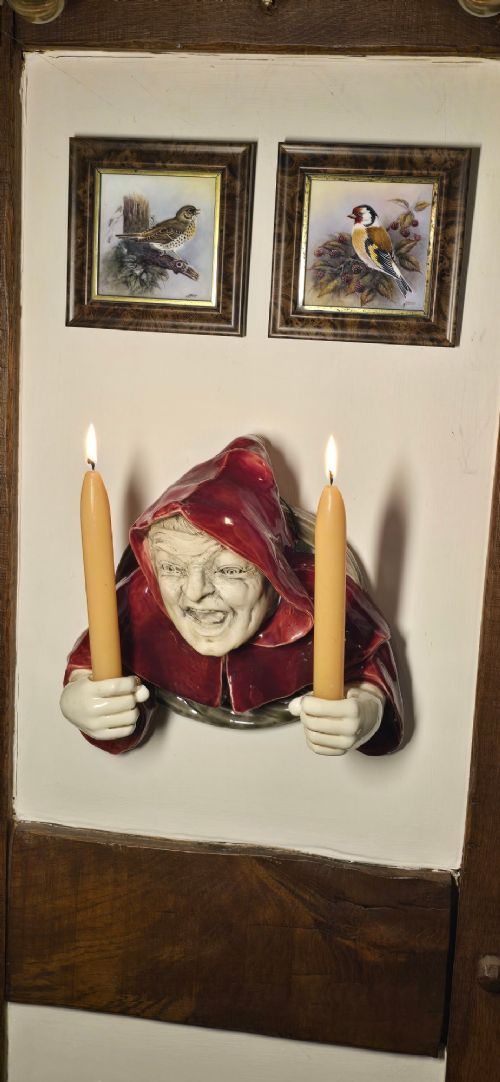
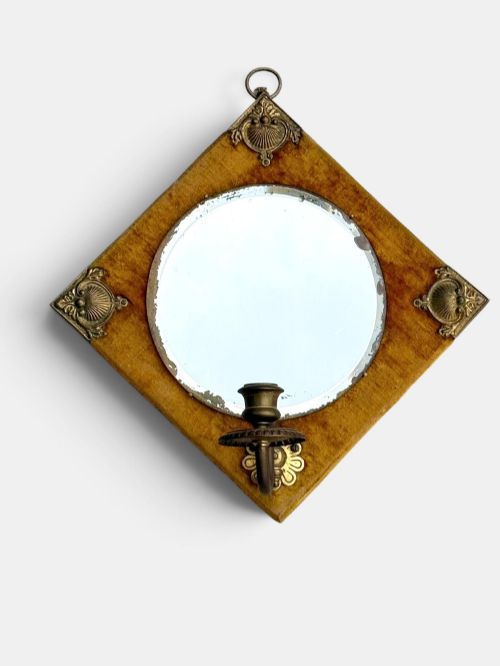
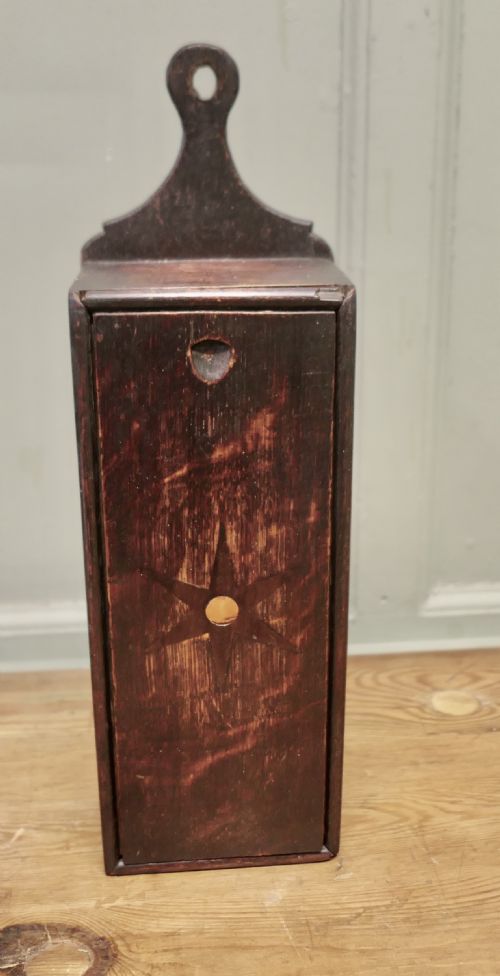
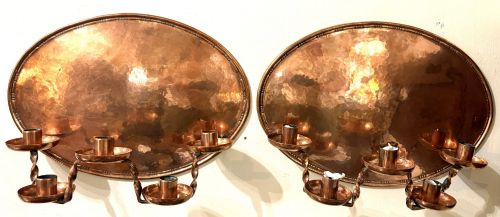
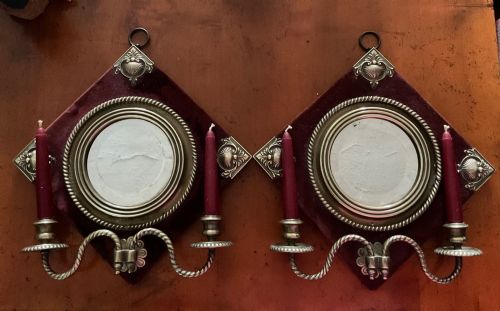
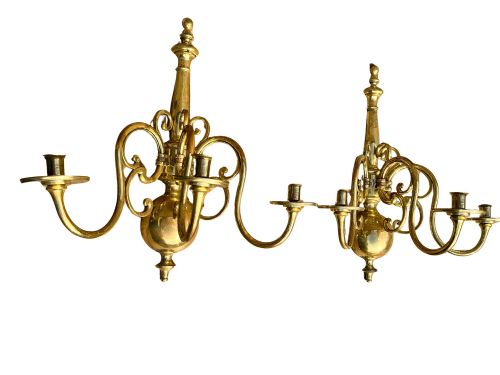
When you search for antique wall candle holders, you encounter a diverse group of lighting fixtures and wall-mounted boxes designed to hold candles safely in domestic spaces. The selection includes paired sconces, girandoles with reflective glass plates, and utilitarian wooden candle boxes intended to store fuel.
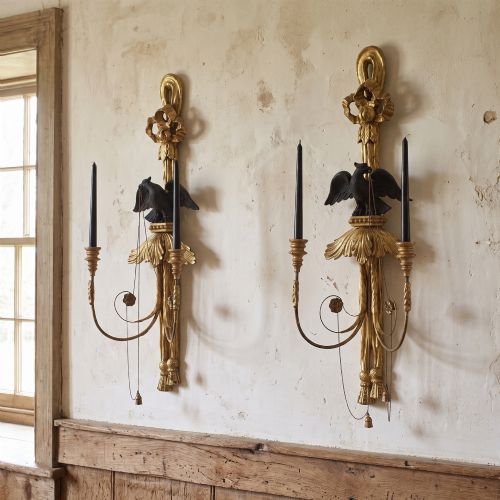
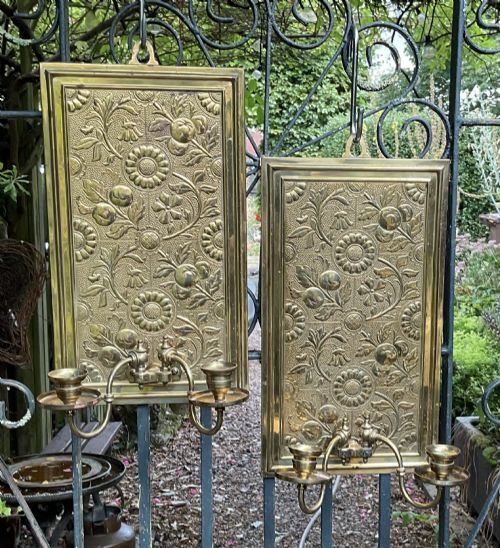
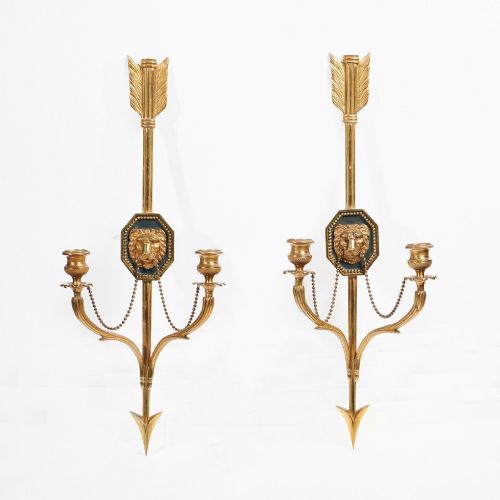
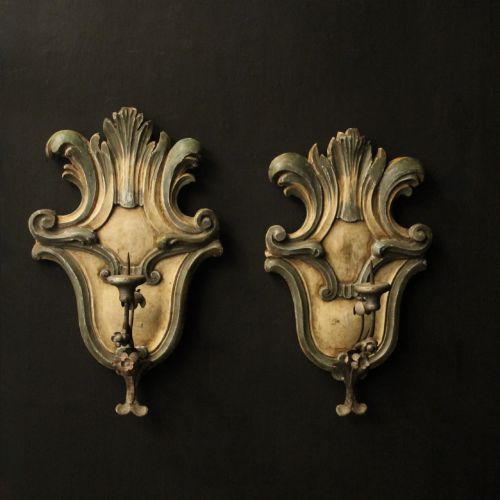
The pieces span several centuries, with 18th-century carved wood and giltwood examples appearing alongside 19th-century brass brackets and Edwardian variations. You are most likely to meet matched pairs of metal wall lights or mirrored sconces dating from the Victorian and late 19th-century periods on this page.
Materials and construction
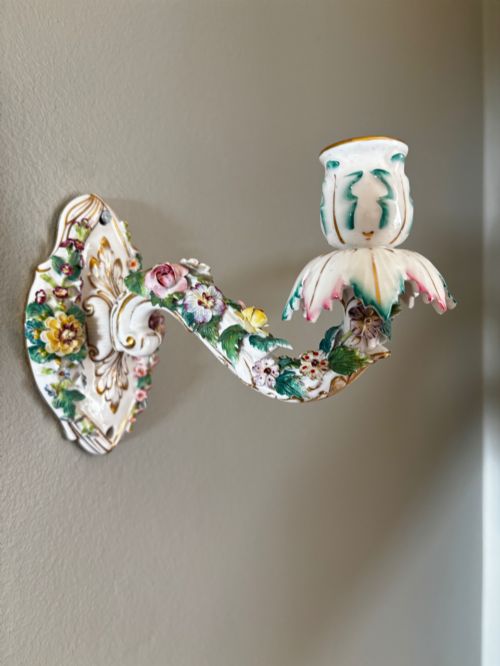
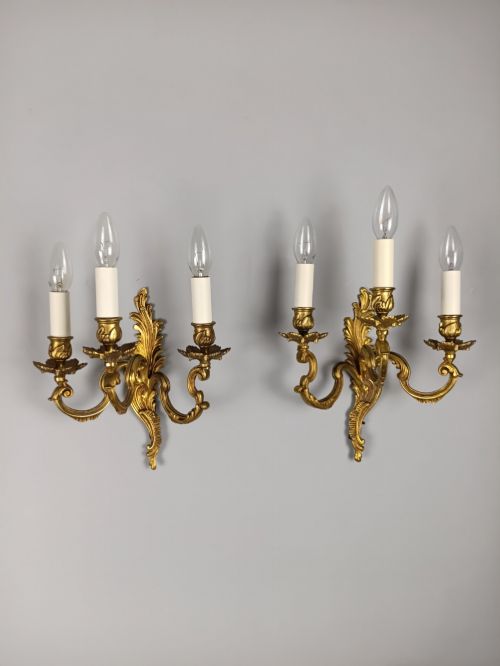
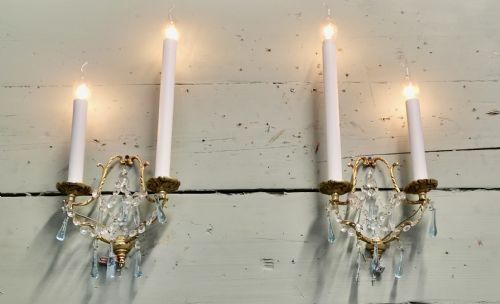
Metals dominate the physical record, with cast and chased bronze, brass, ormolu, and copper forming structural arms and drip pans. Artisans frequently combined these metals with glass, crystal drops, and mirrored plates to amplify the candlelight within a room.
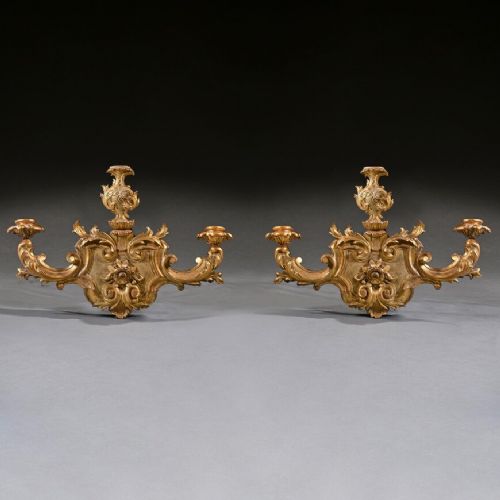
Woodwork relies on traditional carving and joinery techniques, utilising oak, carved gesso, and giltwood. Makers also applied gold leaf, silver plating, and polychrome pigments to wooden and ceramic bodies to achieve decorative depth.
The inventory records diverse materials including carved wood, velvet, glass, crystal, pewter, and silver plate.
Factors influencing quality
Quality rests primarily on the crispness of the casting or the depth and hand-carving detail of the wood and gesso. Superior examples display refined chisel work on bronze and brass, delicate gilding, and well-balanced proportions across multi-branch arms.
The integrity of the reflective elements in girandoles and the preservation of original surface finishes significantly elevate a piece. Lesser items show hurried casting, lost or replaced components, and heavy, unsympathetic overpainting.
Bruce Talbert·Meissen·Liberty
The Antique Wall Candle Holders Glossary
- Girandole
- A wall-mounted candle holder featuring a reflective mirror backplate that multiplies the light. These pieces often incorporate elaborate giltwood, brass, or carved frames.
- Pricket candle sconce
- A lighting fixture that uses a sharp metal spike to secure the candle rather than a socket. This traditional form appears frequently in ecclesiastical and older domestic designs.
- Spill holder
- A small wall-mounted container designed to hold thin wooden matches or wax tapers used for lighting candles safely. They are commonly fashioned from wood, pottery, or metal.
- Ormolu
- Finely ground high-carat gold applied to a bronze base using a mercury amalgamation process, popular in French decorative arts. This technique produces a warm, lasting metallic sheen.
- Giltwood
- Timber, typically lime or pine, prepared with gesso and covered in thin sheets of gold leaf. It defines the rich surfaces seen on many 18th- and 19th-century frames and sconces.
Antique Wall Candle Holders: Frequently Asked Questions
Were these fixtures wired for electricity?
The majority of pieces recorded here were originally built strictly for wax or tallow candles. Their arms, drip pans, and prickets reflect traditional flame lighting.
While some owners choose to adapt them for electrical wiring, many collectors prefer to retain them for actual candle use or as decorative wall ornaments.
How do I distinguish 18th-century pieces from later revivals?
Eighteenth-century examples often display hand-cut joinery in wooden candle boxes and heavier, individually cast bronze or carved giltwood components with distinct tool marks. Wood shrinkage, natural oxidation of metals, and period-specific fastening methods provide key clues.
Nineteenth- and 20th-century revivals, such as Rococo Revival or Georgian style pieces, frequently utilise machine-finished screws or standardised casting techniques that betray a later production date.
What is the difference between a sconce and a girandole?
A standard sconce is a wall-mounted bracket designed solely to hold one or more candles projecting into the room. It relies on the surrounding wall for background.
A girandole incorporates a mirrored glass backplate specifically positioned behind the candle arms to reflect and amplify the light. This creates a brighter, more decorative focal point on the wall.