


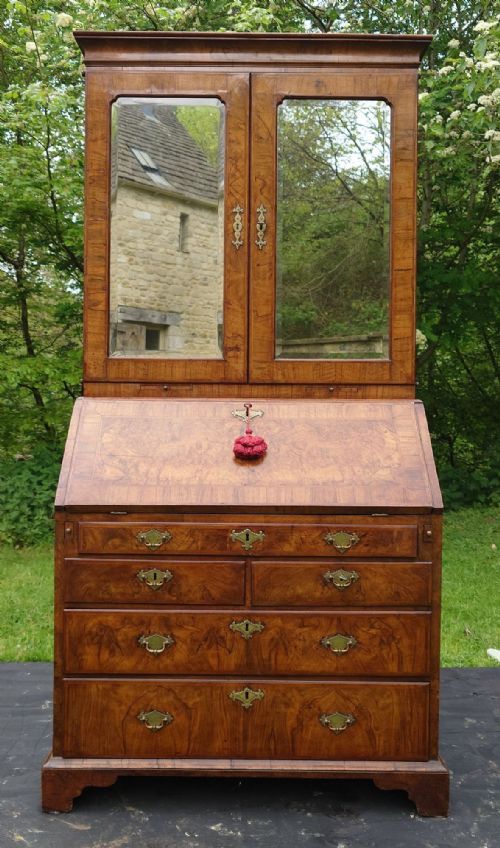
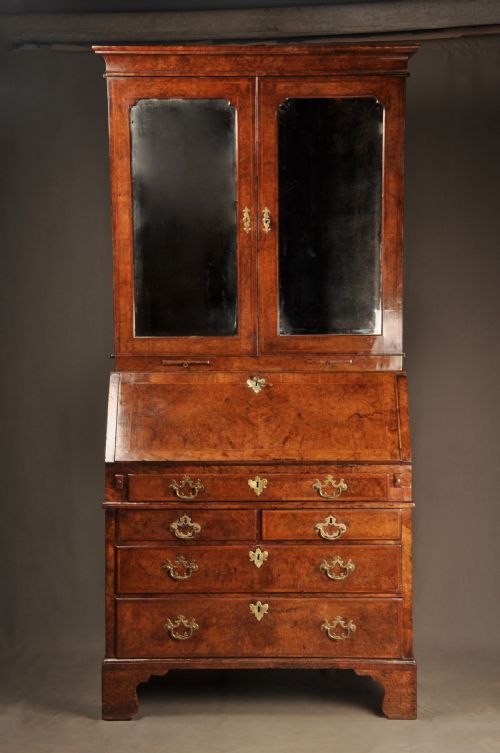

Mirrored Bureau Cabinet Desk
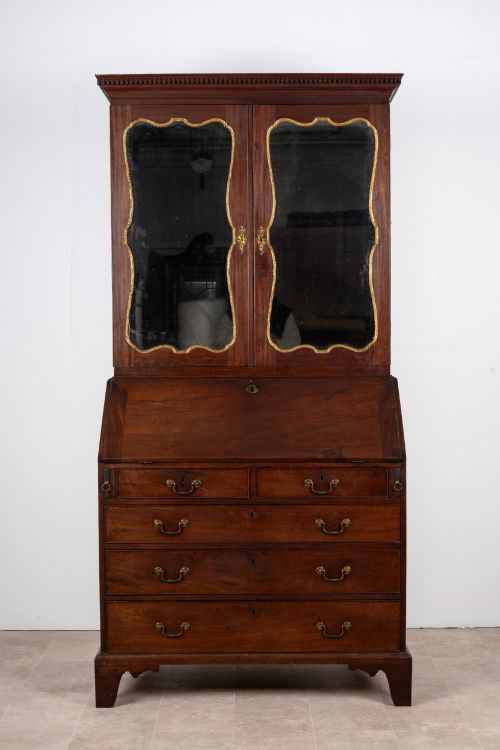
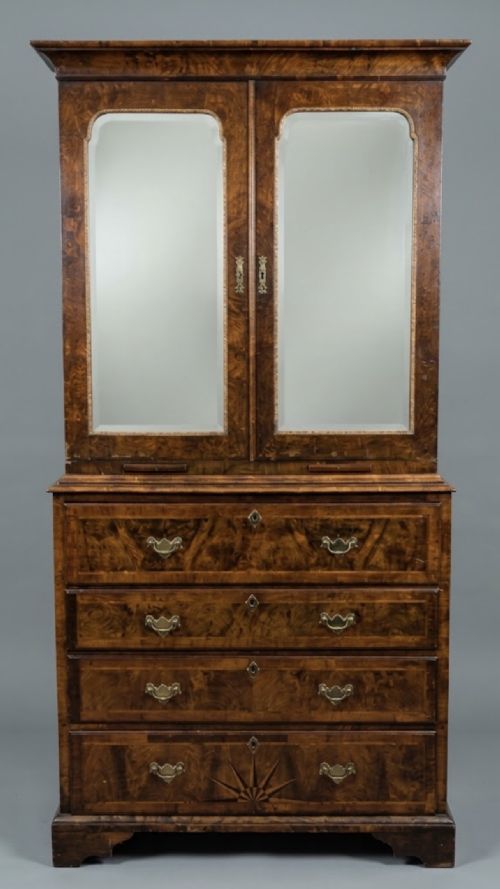
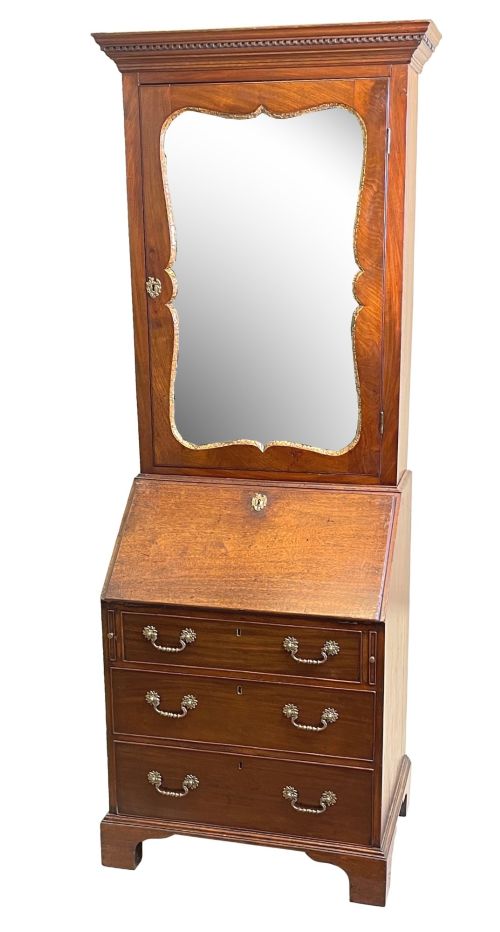
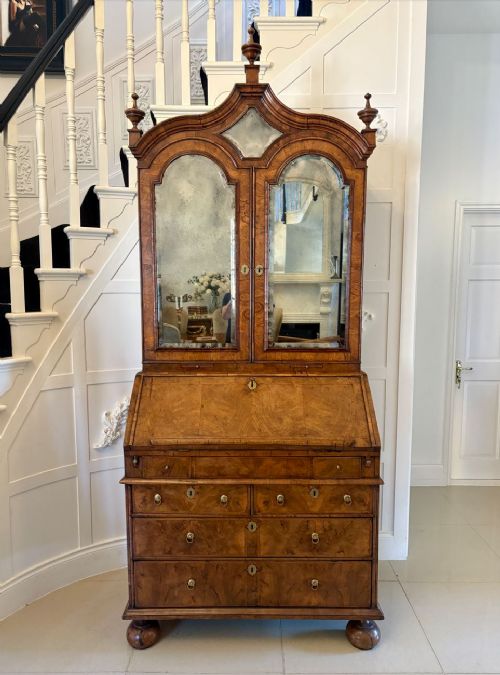
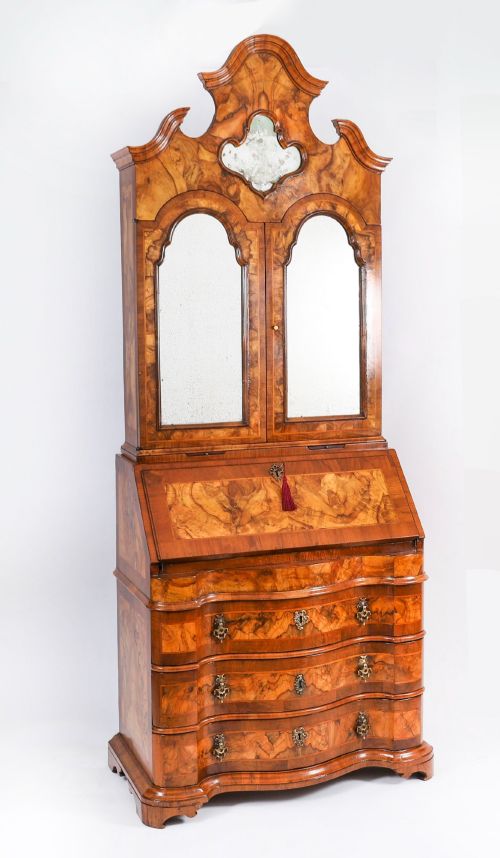
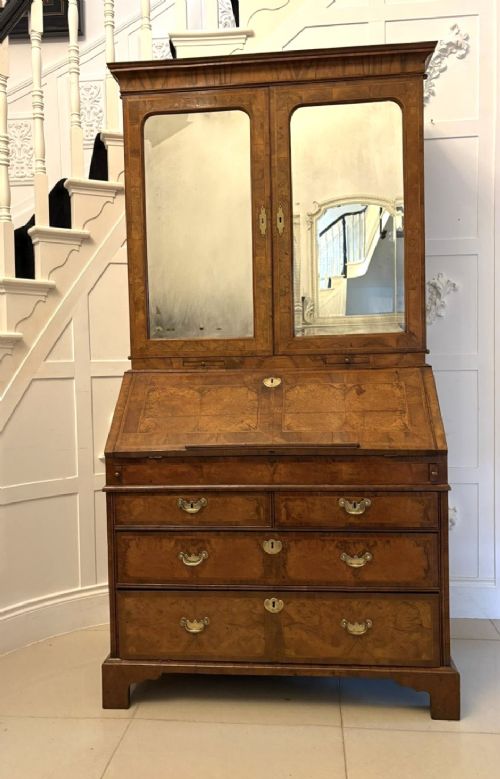
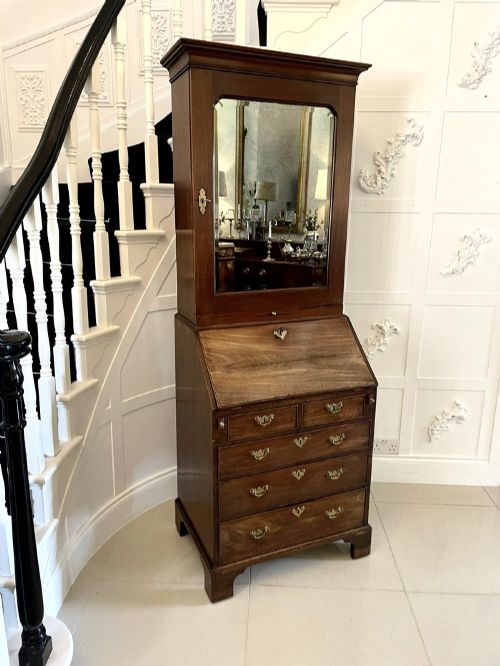
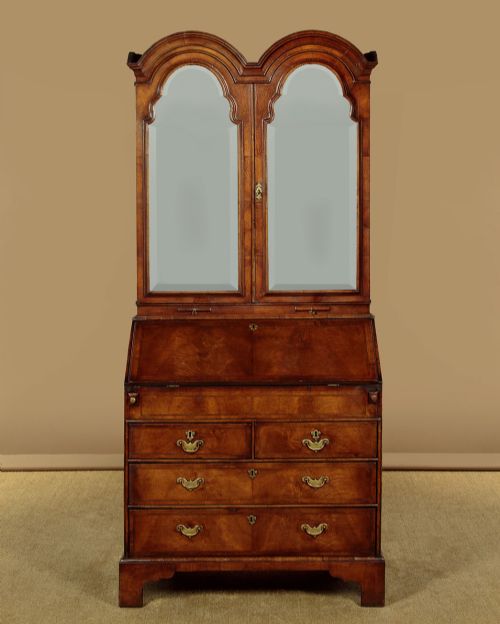
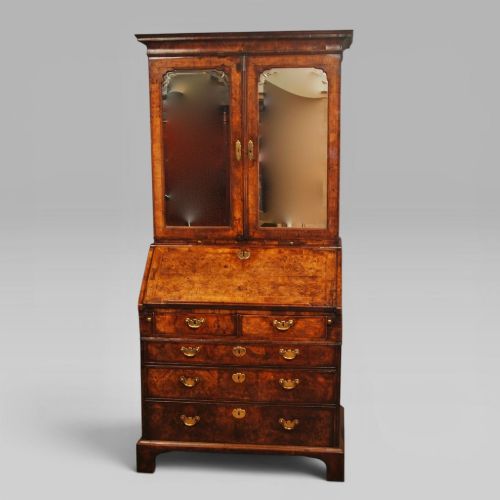
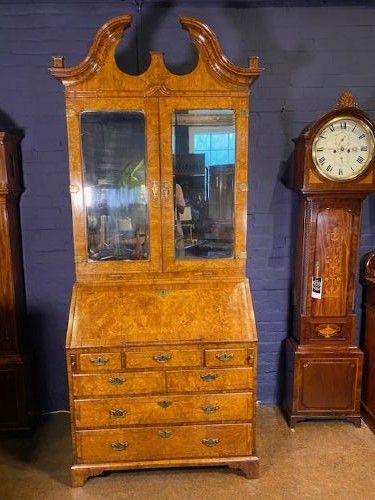
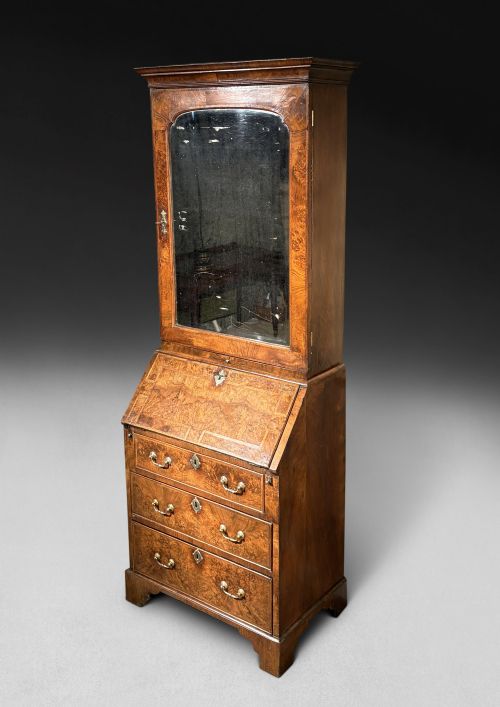
These mirrored bureau cabinet desk pieces combine a sloping writing surface with a glazed upper bookcase, offering secure storage and display space for a study.
Mirrored Bureau Cabinet Desk
A mirrored bureau cabinet desk combines a writing fall-front with a shelved upper cabinet enclosed by glass or mirror panels. These dual-purpose forms serve as writing furniture and display storage.
Examples on this page appear in periods such as the seventeenth century, the eighteenth century, and the Georgian era, alongside later revival pieces. Regional variations include English, Irish, Italian, and Dutch constructions.
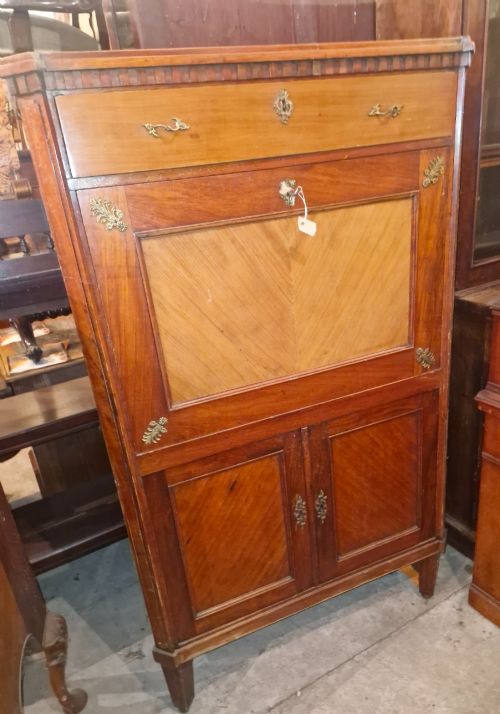
Common designations in the listings include bureau bookcases, secretaire cabinets, and bureau cabinets. Formats range from large double-door units to small-scale variants.
Materials and construction
Cabinetmakers utilised primary timbers like walnut, burr walnut, mahogany, and rosewood, often enhanced with featherbanding or marquetry. Oak appears frequently in internal drawer construction and secondary framing.
Upper doors incorporate mirror glass panels, sometimes set within double-dome or arched top frames. Brass hardware, including drop handles and escutcheons, secures the drawers and fall-fronts.
Mirrored Bureau Cabinet Desk Retail Price Guide 2026
Typical asking prices for mirrored bureau cabinet desk among the pieces listed under this phrase on Sellingantiques today, from the lower quarter to the upper quarter. They describe what is for sale here now, not the wider market.
Listings feature walnut, mahogany, rosewood, and oak timbers across periods spanning the seventeenth century to the twentieth century.
Distinctions in quality
Figured veneers and burr walnut selections demonstrate superior material choice by the cabinetmaker, contrasting with plainer timber surfaces. The intricacy of internal pigeonholes and small drawers indicates the level of craftsmanship.
Proportion and scale dictate the visual balance of the piece, particularly where mirrored doors dominate the upper section. Original glass panels and consistent patination on the timber mark higher grade examples.
The Mirrored Bureau Cabinet Desk Glossary
- Bureau bookcase
- A writing bureau combined with an upper shelving cabinet enclosed by doors. This form unifies workspace and book storage.
- Fall-front
- A hinged writing flap that pulls down to create a horizontal desk surface. It conceals internal compartments when closed.
- Burr walnut
- Timber taken from walnut tree growths, valued for its swirling grain patterns. Cabinetmakers applied it as veneer on high-status surfaces.
- Featherbanding
- Inlay work using thin strips of veneer arranged in a herringbone pattern to frame drawer fronts or panels.
- Secretaire cabinet
- A freestanding piece containing a dedicated writing drawer or fold-down writing compartment. These often include multiple internal small drawers.
Mirrored Bureau Cabinet Desk: Frequently Asked Questions
What is a bureau bookcase?
A bureau bookcase is a dual-function furniture item featuring a sloping desk flap above lower drawers and an upper shelved cabinet with doors.
These pieces provide enclosed storage for books and stationery while offering a fold-down surface for writing.
How do I identify a Georgian bureau?
Georgian pieces typically display proportions associated with eighteenth-century design, utilising timbers like mahogany and walnut.
Examine the construction methods of the internal drawers and the configuration of the brass hardware for period indicators.
Where were these cabinets used?
These cabinets served as functional writing and storage furniture in domestic studies, libraries, and withdrawing rooms.
The upper mirrored doors helped reflect natural light into smaller rooms while concealing library contents.
What timber was used most?
Walnut and mahogany dominate the construction materials across the recorded periods, often selected for their grain depth.
Burr walnut and figured mahogany appeared on premium examples to showcase decorative surface patterns.