



Miniature Wooden Coffer Chest
These miniature wooden coffer chest examples offer compact storage with centuries of regional craftsmanship.
Miniature Wooden Coffer Chest
When you search for a miniature wooden coffer chest, you encounter small-scale storage vessels originating primarily from Welsh vernacular traditions and English workshops. These items mirror full-sized household chests in their construction but serve entirely different domestic roles.
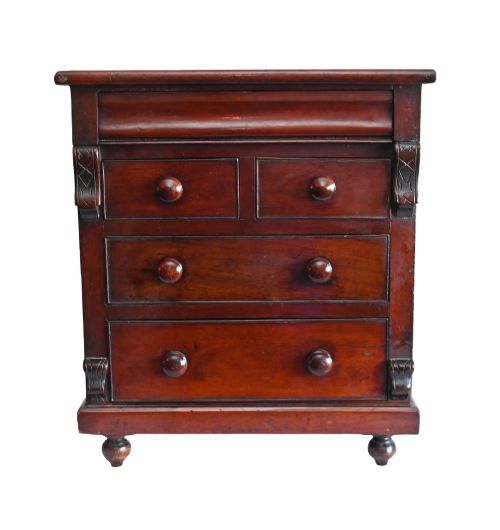
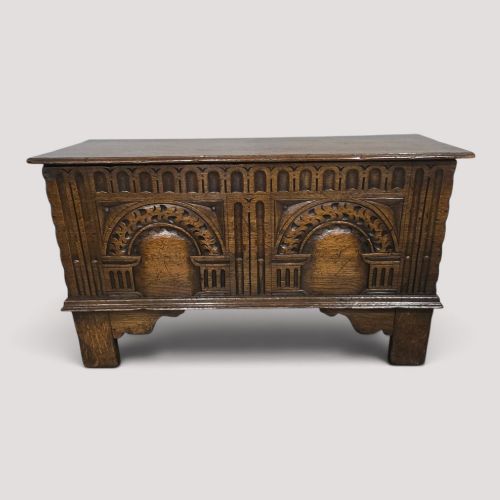
The pieces appearing on this page span the eighteenth and nineteenth centuries, taking the form of traditional coffer bach items, apprentice pieces, and campaign trunks. Oak forms the foundational material for the regional Welsh examples, while mahogany, walnut, and teak appear in later iterations.
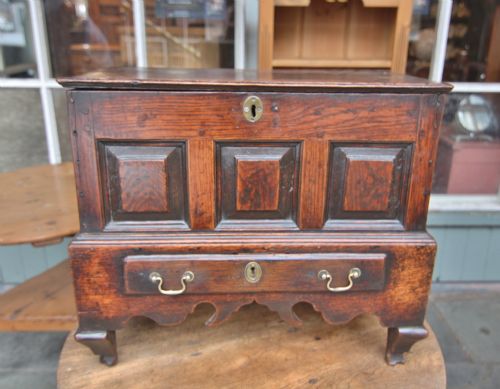
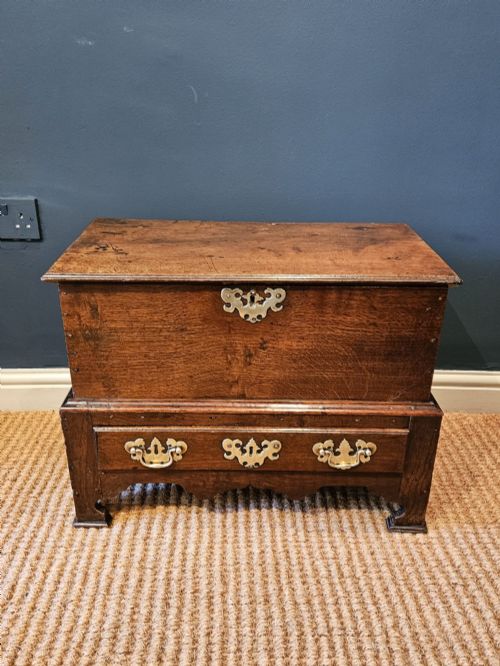
Makers produced these small chests for various purposes, including desktop storage, apprentice demonstrations, and domestic presentation pieces. Welsh regional pieces frequently feature traditional boarded or panelled construction mounted on small feet.
How they were made
Traditional examples rely on solid oak planks joined with simple pegged construction or dovetails. Cabinetmakers shaped the wood using hand tools, creating small panelled lids and sides that replicated domestic storage furniture.
Decorative elements involve brass hardware, iron hinges, and occasional wood inlay or bone accents. Selected pieces incorporate mahogany and walnut veneers or intricate mother of pearl detailing applied to the exterior surfaces.
Miniature Wooden Coffer Chest Retail Price Guide 2026
Typical asking prices for miniature wooden coffer chest among the pieces listed under this phrase on Sellingantiques today, from the lower quarter to the upper quarter. They describe what is for sale here now, not the wider market.
Listings feature oak, walnut, mahogany, and teak materials spanning the eighteenth and nineteenth centuries.
What varies in quality
The distinction between standard items and superior examples lies in the integrity of the timber selection and the precision of the joinery. Regional Welsh pieces with well-preserved patination and original turned feet command closer attention from collectors.
Proportion and execution dictate overall merit, with finer items displaying restrained decorative restraint rather than excessive embellishment. The survival of original hardware, locks, and interior compartments significantly influences the character of each piece.
The Miniature Wooden Coffer Chest Glossary
- Coffer bach
- A traditional Welsh miniature chest, often translated as little coffer, used historically for storing valuables or linen.
- Mule chest
- A traditional storage chest featuring one or more drawers beneath the main lift-top compartment.
- Campaign trunk
- Portable furniture designed for travel, typically featuring recessed brass handles and reinforced corners.
- Vernacular
- Regional building or crafting traditions utilising local materials and established local styles rather than high-court designs.
Miniature Wooden Coffer Chest: Frequently Asked Questions
What was a coffer bach used for?
These small chests served domestic households as secure repositories for personal documents, currency, or precious textiles. Families often commissioned them as wedding gifts or presentation pieces.
Their compact dimensions allowed owners to place them securely upon tables or larger furniture pieces within the home.
How do I date an oak coffer bach?
Dating relies upon examining the construction methods, tool marks, and timber characteristics visible across the piece. Eighteenth-century examples generally display hand-riven oak boards and simpler pegged joints.
Later nineteenth-century versions often introduce machine-sawn elements, different secondary woods, and alternative locking mechanisms.
Are apprentice pieces genuine antiques?
Authentic apprentice pieces date from the period when formal training systems required craftsmen to produce a demonstration model. These items date primarily to the eighteenth and nineteenth centuries.
They reflect the actual skill levels and stylistic tendencies of period workshops rather than modern reproductions.
How should I care for antique miniature chests?
Maintain stable environmental conditions away from direct heat sources and strong sunlight to prevent the timber from splitting. Apply traditional beeswax sparingly to nourish the antique wood surface.
Avoid modern chemical polishes that can degrade the historic patination accumulated over centuries.