

Small Tabletop Wooden Drawers
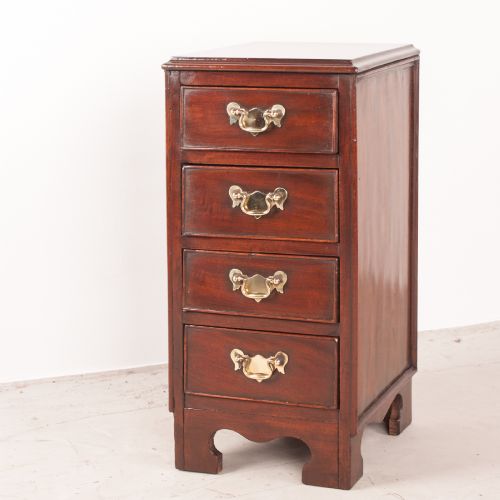
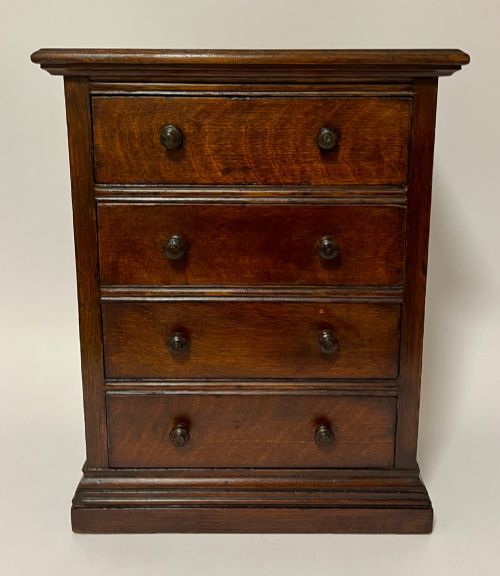
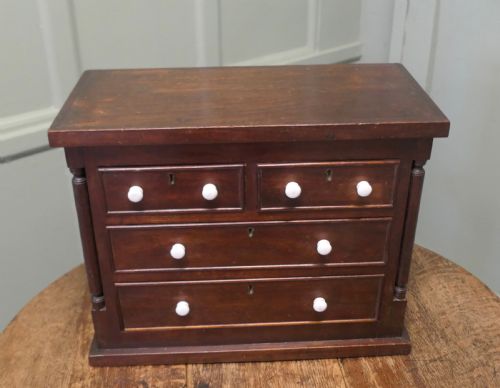
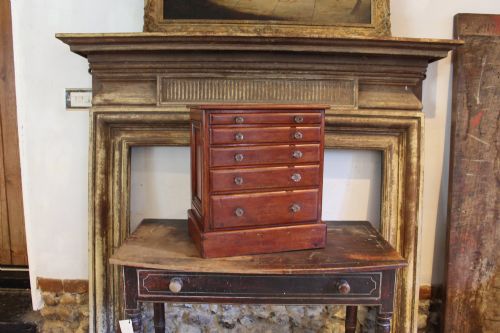
Small tabletop wooden drawers are compact organizational pieces designed to hold specimens, trinkets, or documents on top of furniture.
Small Tabletop Wooden Drawers
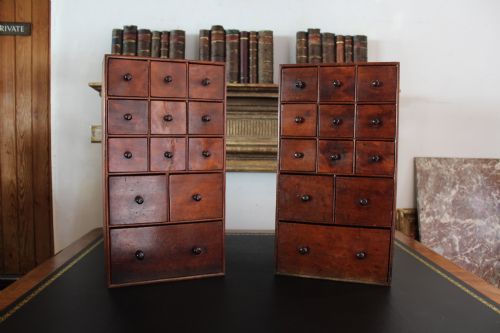
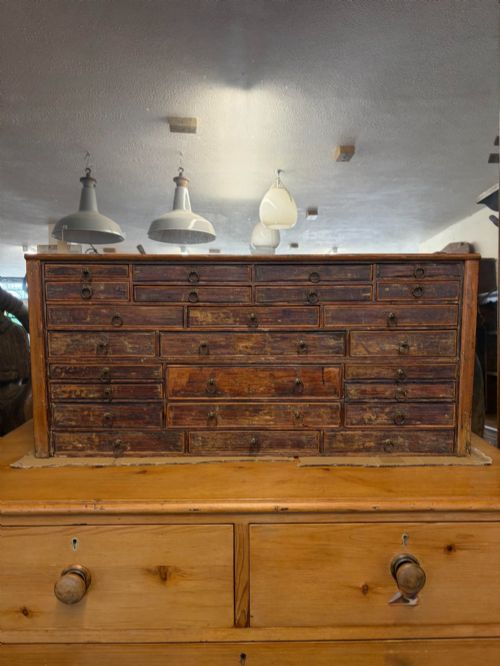
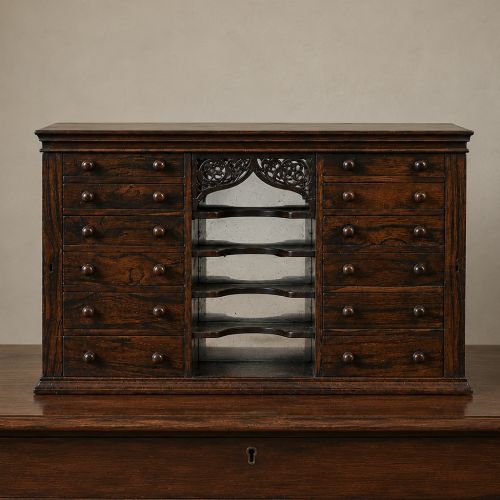
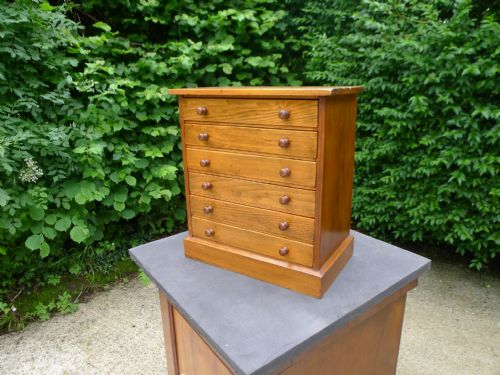
Small tabletop wooden drawers encompass miniature chests, collectors' cabinets, and apothecary units originating across the Georgian, Victorian, and Edwardian periods. A buyer seeking small tabletop wooden drawers finds functional storage objects originally made for domestic, medical, or specialised specimen sorting.
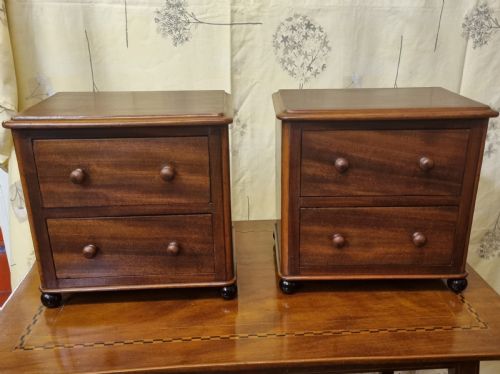
The selections span simple pine or deal storage boxes to figured mahogany, walnut, and rosewood miniature chests. Many examples reflect apprentice pieces or specialised utility forms like spice drawers and doctor's cabinets.
How they were made
Construction relies primarily on hardwoods such as mahogany, walnut, and oak, alongside softer timbers like pine and deal. Joinery involves traditional dovetail joints for drawer construction to ensure durability under frequent use.
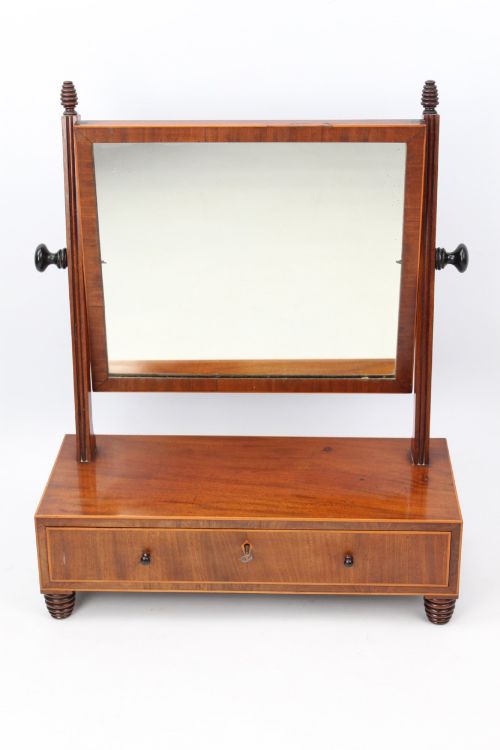
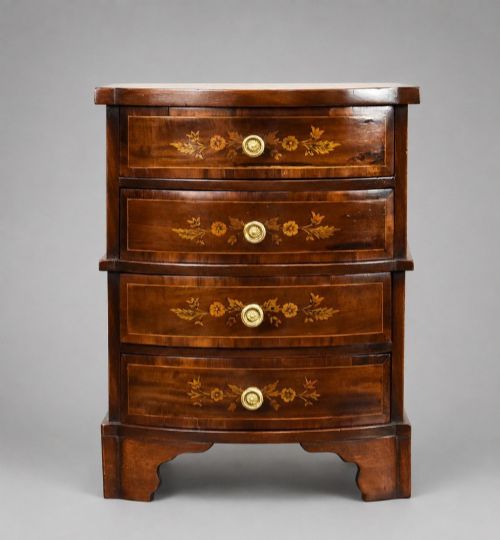
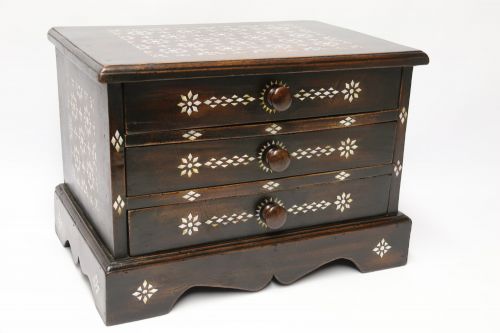
Surface finishes incorporate French polish, wax, and specialised inlays such as marquetry or brass fittings. Woods like burr yew, amboyna, and satin walnut provide decorative grain patterns across drawer fronts and cabinet bodies.
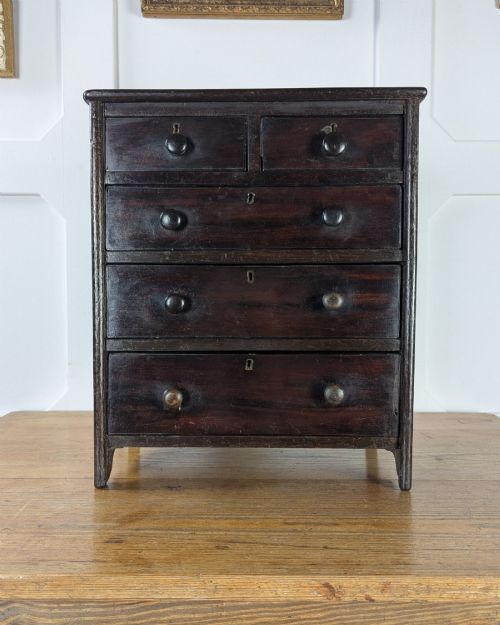
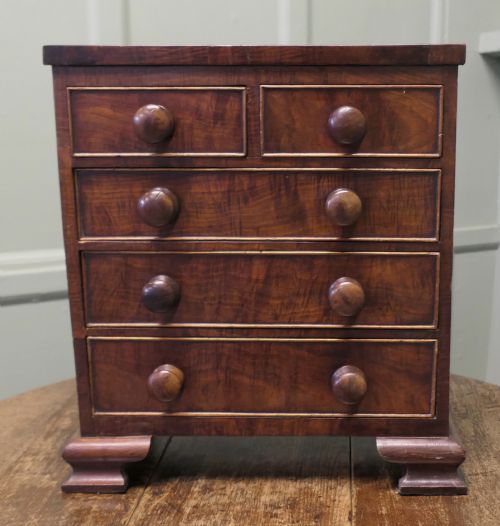
One tiny elm box mimics a full-sized chest of drawers with such persuasive proportions that it demands a double take.
What varies in quality
Quality separates through the selection of timber veneers and the precision of the drawer fit within the carcass. Finer pieces display carefully matched burr timbers or intricate marquetry alongside original brass handles and working locks.
Construction depth dictates overall merit, visible in hand-cut dovetailing and secondary woods used for drawer linings. Pieces retaining their original surface patination command stronger regard among collectors than heavily restored examples.
Luxmore's of Ilfracombe
The Small Tabletop Wooden Drawers Glossary
- Apprentice piece
- A small scale item created by a trainee artisan to demonstrate mastery of woodworking techniques before joining a guild.
- Collector's cabinet
- A specialised storage unit containing multiple shallow drawers designed to organise small specimens, coins, or insects.
- Dovetail
- A joint formed by interlocking wedge-shaped fingers, utilised in period drawer construction for strength.
- Patina
- The surface sheen and texture developed on wood over decades of handling and polishing.
- Specimen cabinet
- A housing unit equipped with numerous small drawers intended for botanical, geological, or entomological collections.
Small Tabletop Wooden Drawers: Frequently Asked Questions
What were small tabletop wooden drawers used for?
These small chests served various specialised purposes depending on their original context, including storing apothecary supplies, keeping medical samples, or sorting botanical specimens. Households also utilised them for personal trinkets, jewellery, and correspondence.
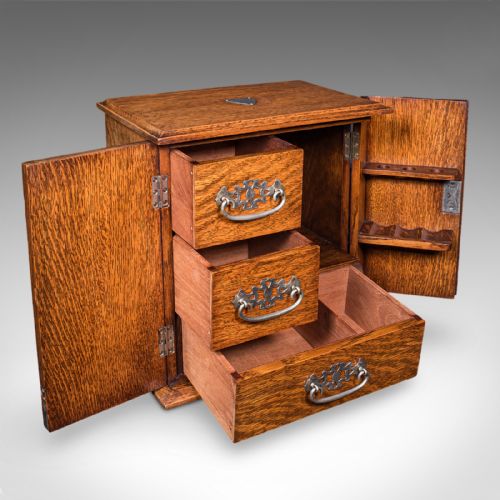
Cabinet makers adapted these forms for specific trades, resulting in configurations like spice drawers, smoking cabinets, and dental storage units. Their compact footprint allowed them to sit securely upon desks, dressing tables, or larger sideboards.
How do you date an antique miniature chest?
Dating relies on observing the primary and secondary timbers, the style of the feet, and the method of drawer construction. Georgian and Regency pieces often feature specific proportions and bracket or ogee feet, while Victorian examples frequently use mahogany and applied mouldings.
Internal evidence such as hand-sawn timber marks and the presence of handmade iron or brass nails helps narrow down the manufacturing decade. The style of drawer lining and dovetailing provides further clues to the period of origin.
Are apprentice pieces genuine antiques?
Many small chests traditionally attributed as apprentice pieces date from the eighteenth and nineteenth centuries and represent legitimate period items. Woodworkers created these scaled-down models to showcase their technical proficiency to prospective employers.
Distinguishing authentic examples involves examining the wear patterns, timber shrinkage, and construction methods consistent with full-scale furniture of the same era. While some pieces served alternative miniature functions, traditional apprentice work remains a recognised category in antique furniture.
How do I care for antique wooden tabletop drawers?
Maintenance requires keeping wooden storage pieces away from direct sunlight and extreme temperature fluctuations to prevent timber splitting or veneer lifting. Applying a microcrystalline wax periodically helps nourish the wood and preserves the existing surface finish.
Cleaning should involve only a soft, dry cloth to remove dust without disturbing the historic patina. Avoid using modern liquid polishes or silicone sprays, which can damage the aged finish over time.