




Miniature Brass Timepiece
A miniature brass timepiece packs the precision of a full-sized clock into a portable format designed for travel or small desks.

Miniature Brass Timepiece
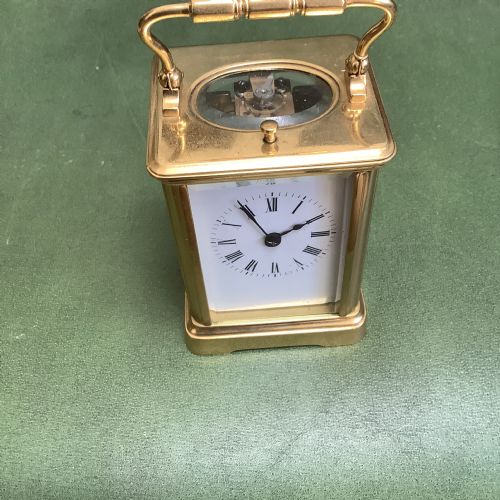
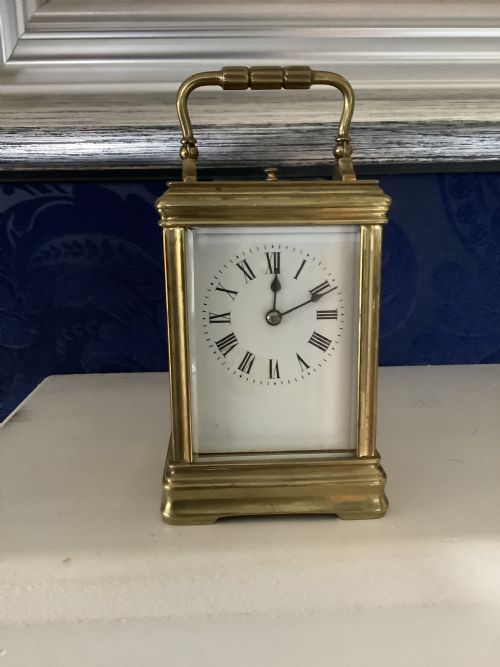
A miniature brass timepiece is a compact instrument designed to sit on a desk, bedside table or travel inside a fitted leather case. When searching for a miniature brass timepiece, collectors encounter a predominance of carriage clocks and pocket-sized mantel designs originating from nineteenth-century France and Britain.
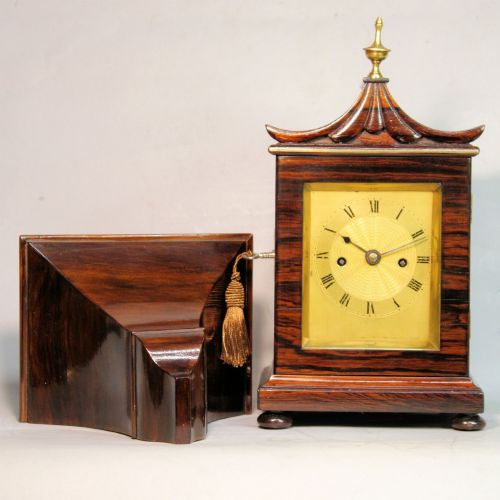
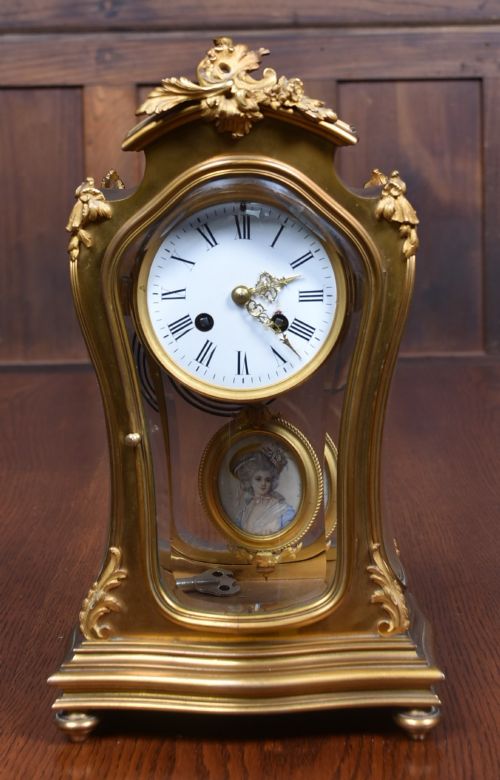
The pieces on this page span several decades from the Regency era through to the Art Deco period of the 1930s. The most common forms are French carriage clocks featuring bevelled glass panels and English fusee desk clocks housed in rosewood, bronze or brass cases.
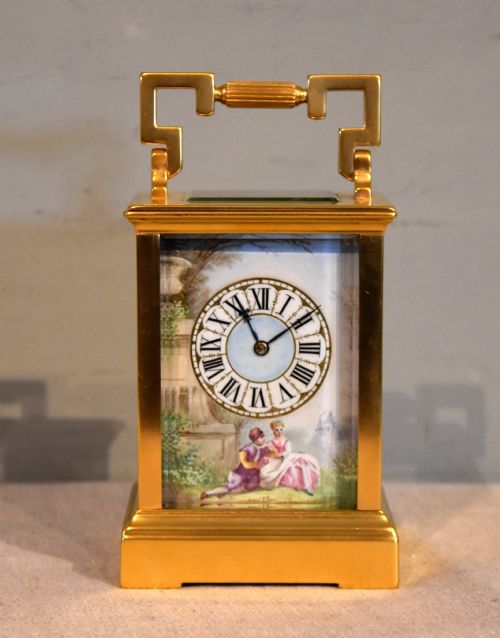
Makers ranged from London retailers to Swiss workshops and French horologists producing subminiature and alarm variations. Buyers find variations ranging from simple timepieces with plain gilt brass frames to heavily engraved models adorned with champlevé enamel or Limoges plaques.
How they were made
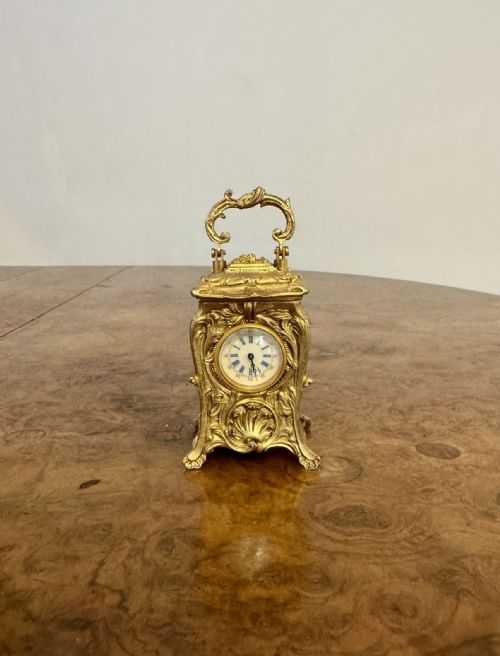
Makers constructed the primary frameworks of these clocks from cast and polished brass, often applying a layer of fire gilding or ormolu to create a durable, lustrous surface. Steel components provided the necessary strength for gear trains, springs and escapement mechanisms housed within the compact metal chassis.
Enamel served as the standard material for the clock faces, with delicate hand-painted numerals fired onto metal backing plates, while transparent glass panels protected the moving internal gears from dust. More decorative examples incorporated champlevé enamel work or porcelain inserts directly into the brass housing.
English examples frequently utilised fusee movements paired with wooden cases made from rosewood, while French workshops favoured platform escapements visible through bevelled glass windows. Many pieces included custom leather travelling cases designed to protect the polished metal and glass during transit.
Miniature Brass Timepiece Retail Price Guide 2026
Typical asking prices for miniature brass timepiece among the pieces listed under this phrase on Sellingantiques today, from the lower quarter to the upper quarter. They describe what is for sale here now, not the wider market.
Some tiny travel clocks are small enough to fit inside a pocket, yet contain hundreds of microscopic brass cogs ticking away silently.
What varies in quality
The distinction between standard production items and superior horological works lies in the crispness of the hand-engraving on the brass case and the complexity of the internal movement. Top-tier pieces feature fully engraved bezels and plates executed by skilled artisans rather than machine-stamped patterns.
Quality also shows in the depth and clarity of the enamel on the dial and decorative panels, where fired glass colours remain vibrant without hairline fractures. The presence of signed movements by known makers elevates a piece above anonymous factory output.
Mechanically, the inclusion of complications such as alarm functions, striking trains or platform escapements with ruby jewel bearings indicates higher manufacturing standards. The retention of the original matching leather travelling case further separates well-preserved examples from those lacking original accessories.
Grimaldi and Johnson·J C Vickery·Jaz
The Miniature Brass Timepiece Glossary
- Carriage clock
- A portable spring-driven timepiece developed for travellers, usually featuring a rectangular brass case with glass sides and a carrying handle on top.
- Fusee
- A conical pulley used in mechanical clocks to equalise the torque of the mainspring as it unwinds, ensuring steady timekeeping.
- Champlevé
- An enamelling technique where troughs are dug into a metal surface and filled with vitreous enamel before firing and polishing.
- Platform escapement
- A self-contained assembly holding the balance wheel and escapement, commonly fitted to the top of French carriage clock movements.
- Ormolu
- Finely ground high-carat gold mercury-gilded onto a bronze or brass base object to produce a rich golden finish.
Miniature Brass Timepiece: Frequently Asked Questions
How do I wind a carriage clock?
Most miniature brass timepieces utilise a dedicated winding key inserted into an arbor on the rear backplate. Turn the key gently clockwise until you feel resistance, taking care not to over-wind the mainspring.
Ensure you handle the glass panels carefully during the process, holding the heavy brass case securely by its frame rather than the moving handle.
Where were these clocks made?
The majority of miniature brass timepieces originate from workshops in Paris, France, or London, England, dating from the nineteenth and early twentieth centuries. Swiss manufacturers also produced notable signed travel and strut clocks.
Stylistic cues, such as engraved gilt brass or porcelain dial mounts, generally point toward French production centres, while fusee movements typically indicate English craftsmanship.
How do I clean the brass case?
Dust the polished brass and bevelled glass surfaces regularly using a soft, dry microfibre cloth. Avoid using abrasive commercial metal polishes, as these can strip away original gilding or lacquer finishes.
If the glass requires deeper cleaning, apply a tiny amount of window cleaner to a cloth rather than spraying the liquid directly onto the metal components.
What is an alarm complication?
An alarm complication allows the clock to sound an audible alert at a pre-set time using an internal bell or striking mechanism. These were particularly useful for travellers staying in hotels or moving between destinations.
Setting the alarm usually involves a small auxiliary hand on the dial and a separate winding arbor located on the underside or back of the movement.