

Military Portrait Art
Military portrait art depicts officers and soldiers through centuries of service, offering collectors a direct record of rank, uniform and history.
Military Portrait Art
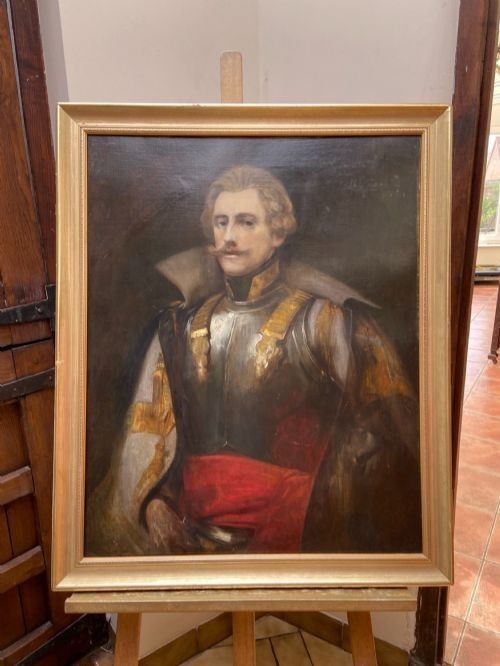
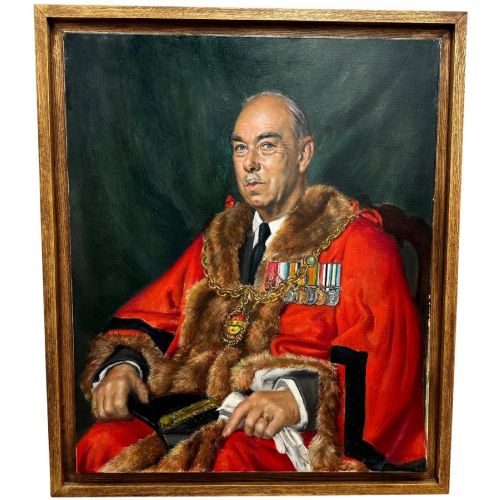
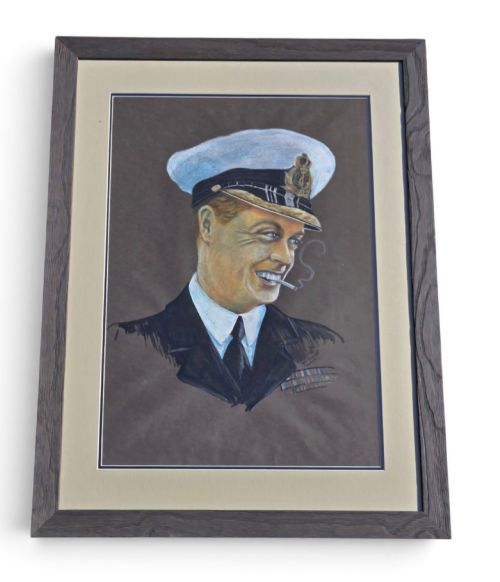
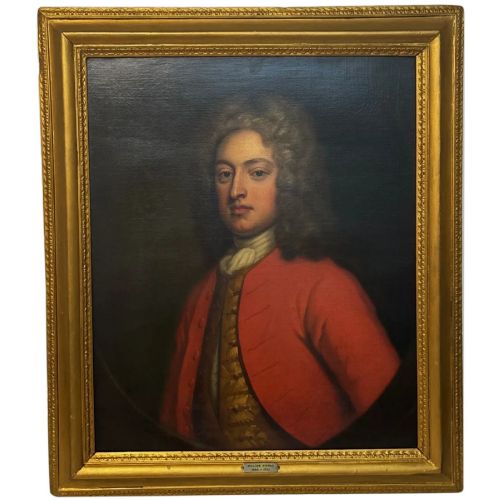
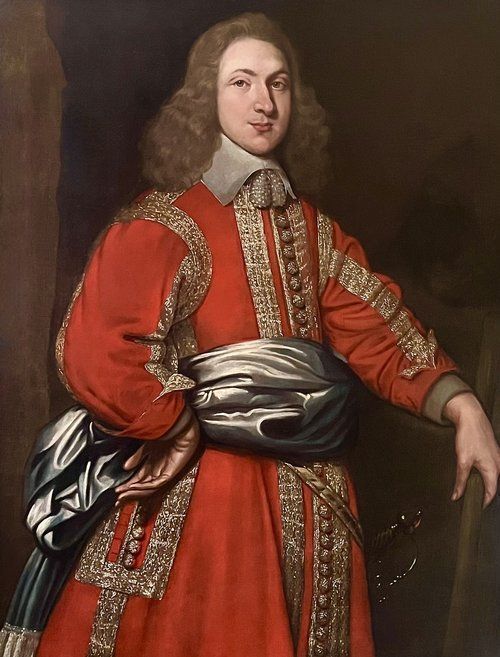
Military portrait art encompasses painted, drawn and printed likenesses of soldiers, officers and naval figures from the seventeenth century onwards. These works capture specific individuals of rank, often recording the exact regiment, honours or campaign associated with the sitter.
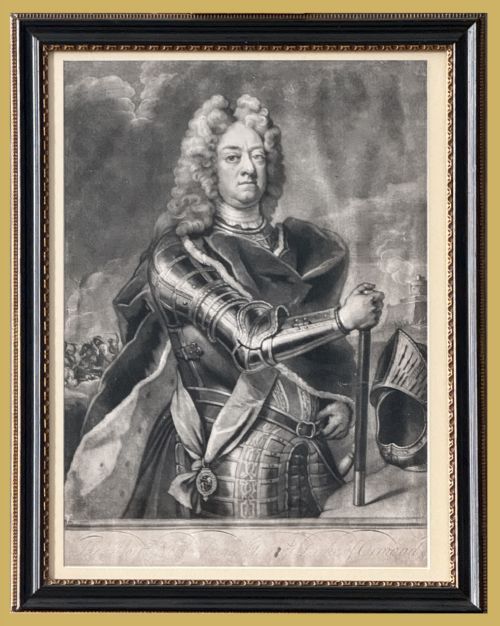
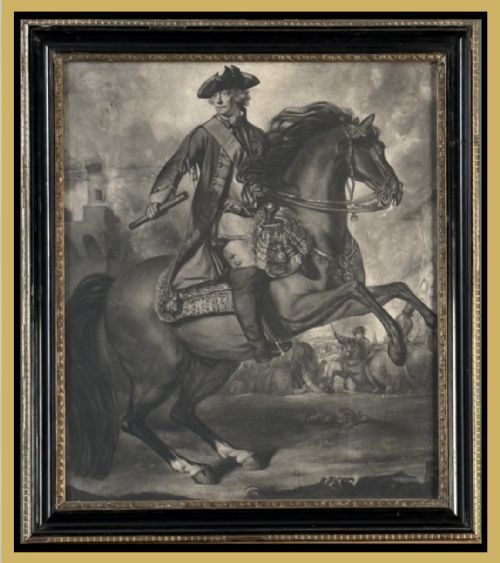
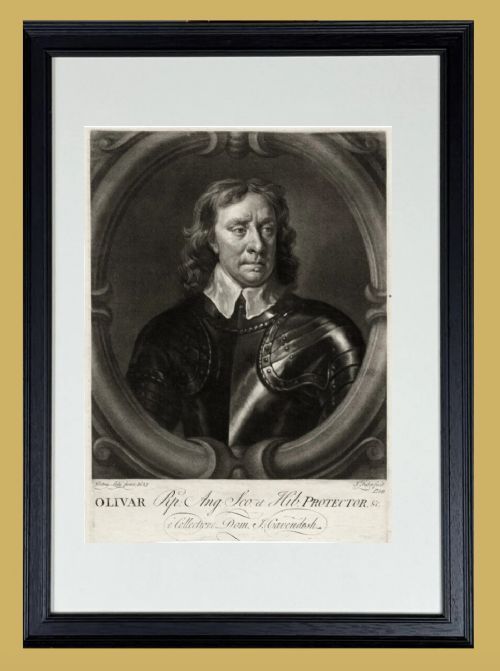
The selections available range from large oil paintings on canvas and panel to delicate works on paper, including watercolours, pastels and gouache sketches. Historical mezzotint engravings also appear frequently, reproducing famous painted portraits for a wider audience.
Originating largely from British, French and Anglo-Dutch traditions, these pieces span periods from the Baroque era through the Victorian age into the mid-twentieth century. Collectors encounter everything from monumental ceremonial canvases to intimate wartime drawings executed on active service.
Materials and Technique
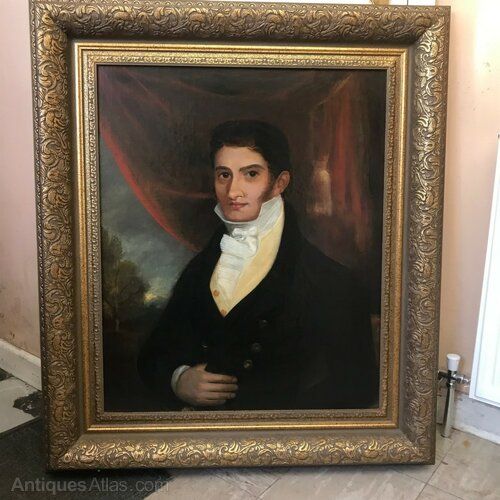
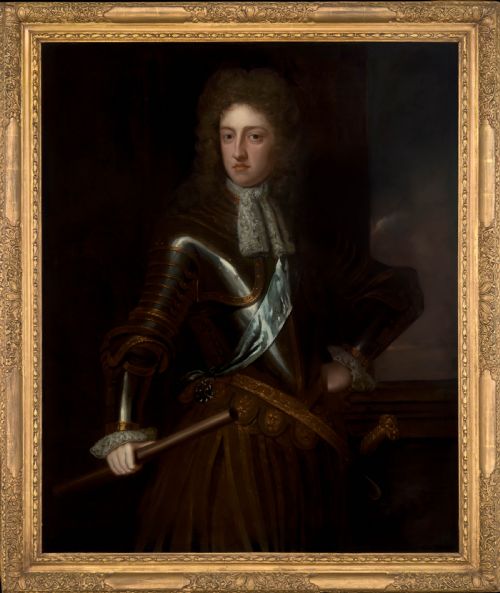
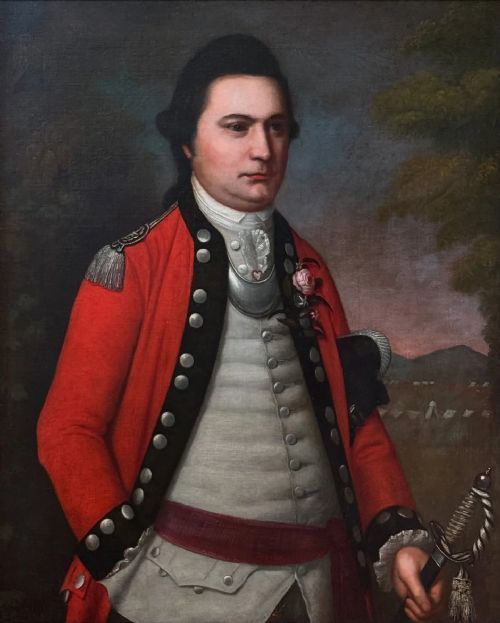
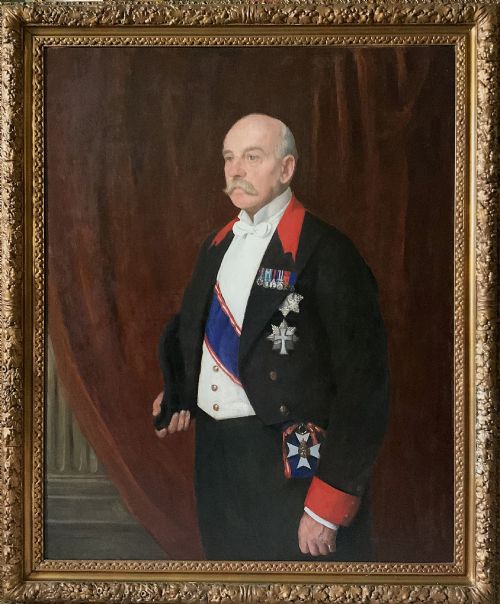
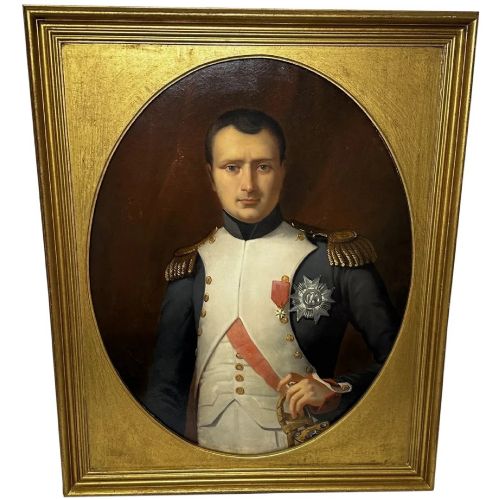
Oil on canvas forms the backbone of these works, applied with brushes to create deep layers of pigment that render rich red coats, brass buttons and polished steel armour. Wood panels also serve as rigid supports for earlier oil paintings.
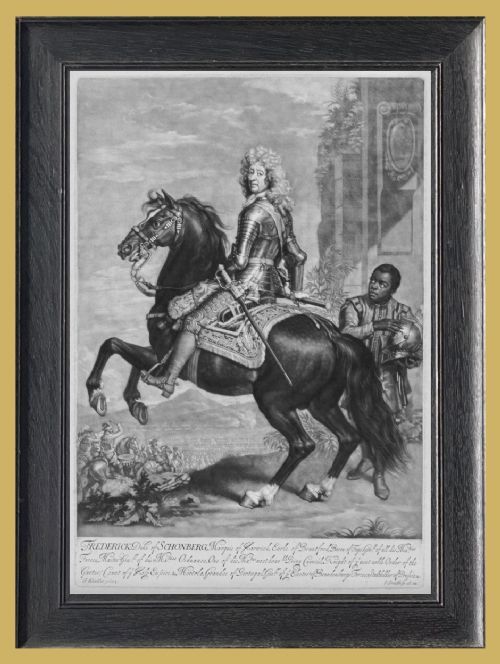
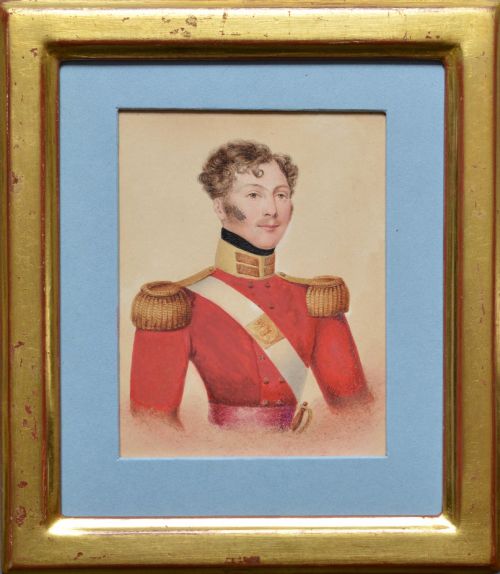
Works on paper utilise watercolour, wash, pastel and gouache to capture rapid likenesses, particularly in military sketches produced during wartime periods. Mezzotint printmaking relies on copper plates roughened with a rocker to create tonal gradations when transferred to paper.
Judging Quality
Quality rests upon the skill of the hand in rendering facial likeness, anatomical proportion and the precise details of military dress and insignia. Master painters achieve depth in velvet, leather and metal through careful handling of light and shadow.
The pedigree of the sitter and the documentation linking the subject to a specific regiment or historical event elevate the standing of a piece. Original frames, particularly period giltwood examples, contribute significantly to the integrity of the object.
John Simon·Edward Fisher·John Smith·Stickland Lowry·Joseph Sympson·Richard Houston·Bernard Hailstone·William Carter·J Bernard Munns·David Nicholson Ingles·Alfred Egerton Cooper·Frank Stanley Ogilvie
The Military Portrait Art Glossary
- Mezzotint
- A printmaking process where the copper plate is roughened to produce rich dark tones and subtle gradations of light. This technique was widely used in the eighteenth century to reproduce oil paintings of military commanders.
- Gouache
- An opaque water-based medium that dries to a matte finish, allowing artists to build solid blocks of colour for uniforms and insignia. It frequently appears in twentieth-century military studies and wartime sketches.
- Cuirassier
- A cavalry soldier equipped with a breastplate and backplate over a uniform. Portraits of these troopers emphasise heavy metal armour and military prowess.
- Wash
- A thin, transparent layer of diluted watercolour or ink applied to paper to establish background depth and shadow quickly. It underpins many eighteenth and nineteenth-century military watercolours.
- Giltwood
- Wood carved and coated with gold leaf or gold paint to create a decorative frame. These frames complement formal oil portraits from the baroque and Victorian periods.
Military Portrait Art: Frequently Asked Questions
How do I identify the regiment in a military portrait?
Regimental identity is usually found in the specific details of the uniform, including collar facings, button designs, lace patterns and cap badges. Contemporary inscriptions on the reverse or frame often record the regiment, rank and name of the sitter.
Comparison with official dress regulations for the period indicated on the canvas helps confirm the exact unit. Researching the named officer's military career provides further context regarding their service history.
What is the difference between an oil painting and a mezzotint?
An oil painting is a unique, hand-painted work created directly by an artist using pigment suspended in oil on canvas or panel. Brushwork and texture remain visible upon close inspection.
A mezzotint is an engraved print produced from a copper plate, designed to reproduce a painted portrait in multiple impressions. Prints show a fine, velvety dot pattern under magnification rather than fluid brush strokes.
How should I hang and light a historical military portrait?
These works require stable interior environments away from direct sunlight and strong heat sources to protect canvas, paper and pigments from fading or cracking. Picture lights fitted with low-heat, UV-filtered bulbs illuminate the details of uniforms and armour safely.
Heavier oil paintings in giltwood frames need secure wall fixings anchored directly into structural masonry or studs. Lighter works on paper benefit from conservation-grade framing with acid-free mounts.
How do I date an undated military portrait?
Dating relies primarily on the style of the uniform, civilian fashion, facial hair and wig styles depicted in the artwork. Military regulations regarding coat cuts and headwear changed at precise intervals throughout the eighteenth and nineteenth centuries.
The materials of the support, such as the weave of the canvas or the type of paper, combined with the construction of the frame, offer additional chronological clues.