

Military Officer Painting
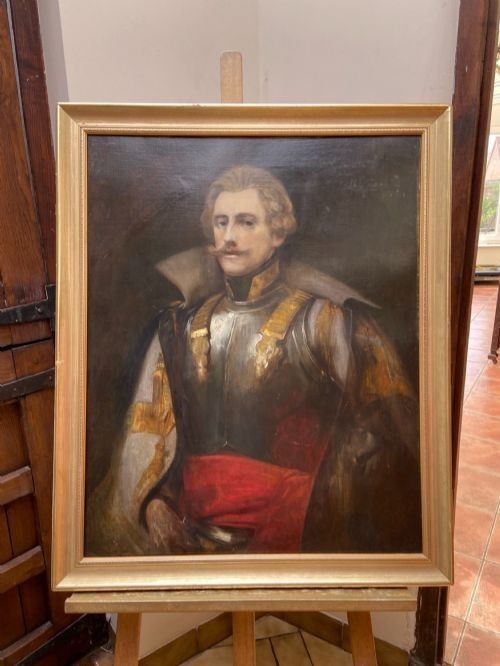
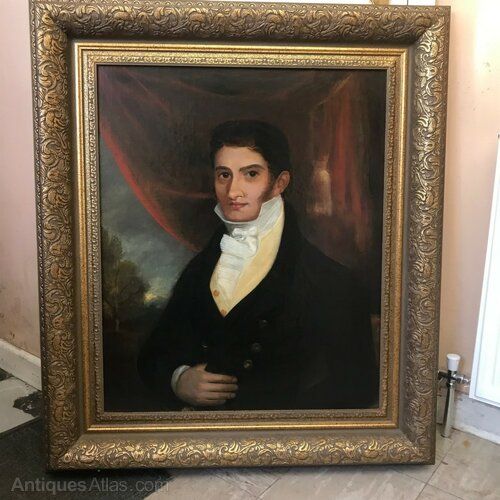
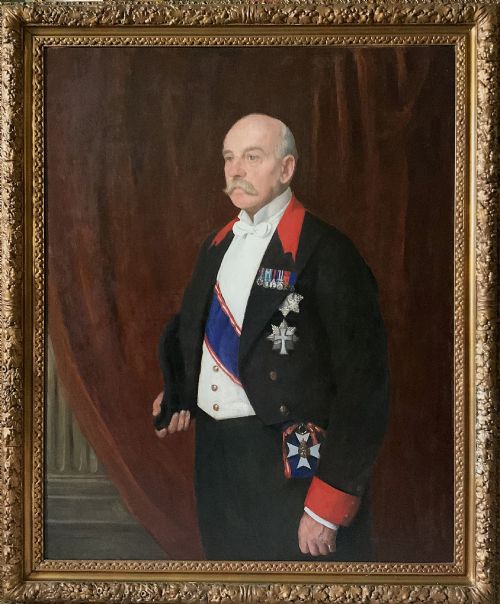
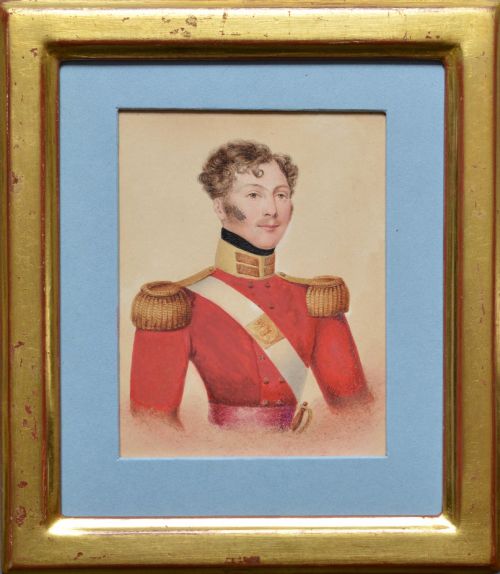
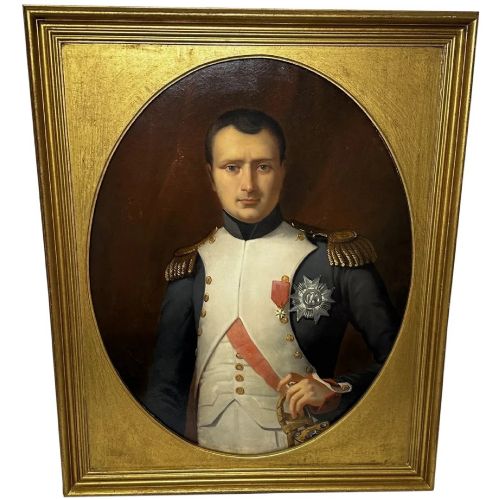
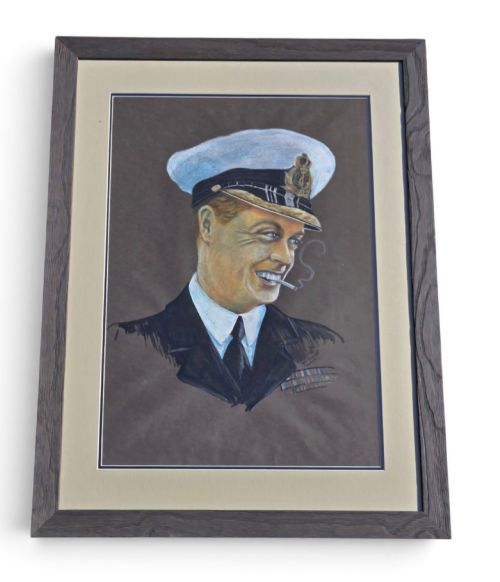
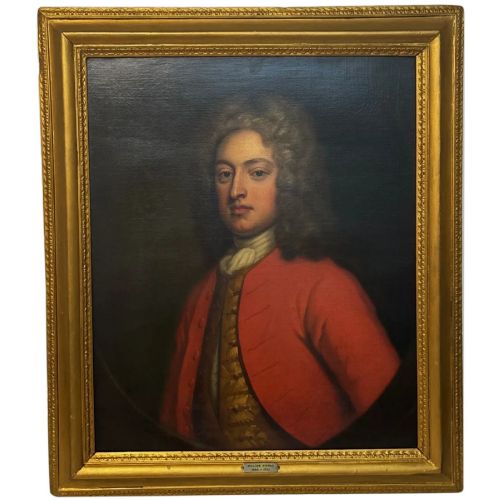
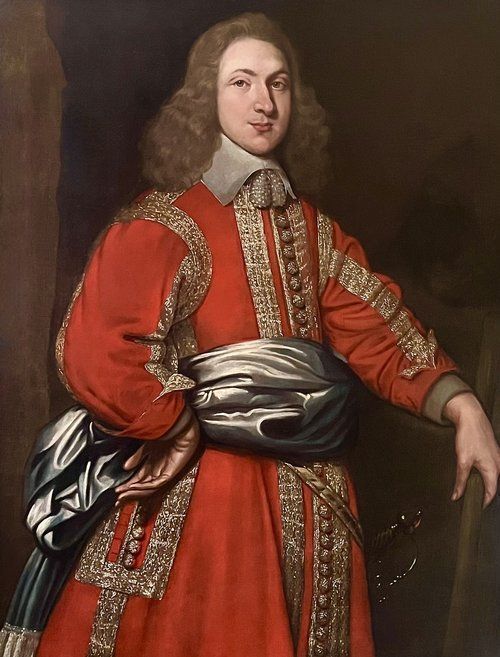
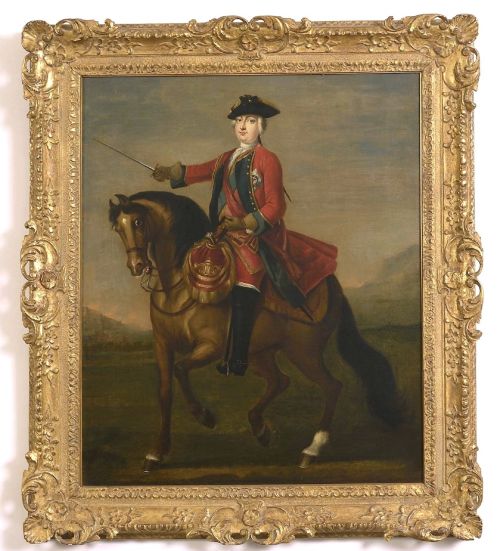
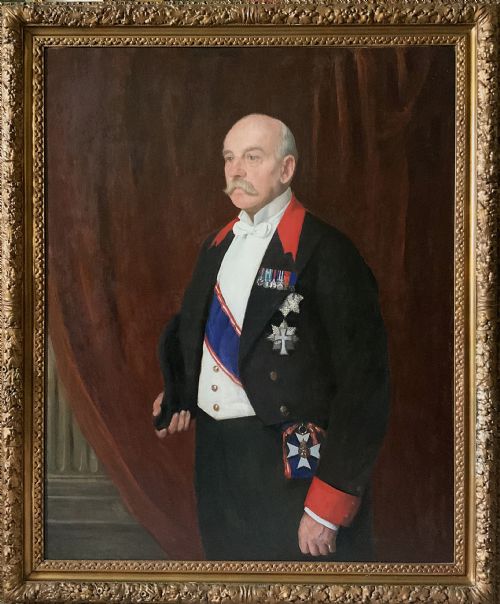
When a military officer painting appears, it depicts figures from the 17th century to the mid-20th century in uniform, offering collectors a direct record of rank, service and military history.
Military Officer Painting
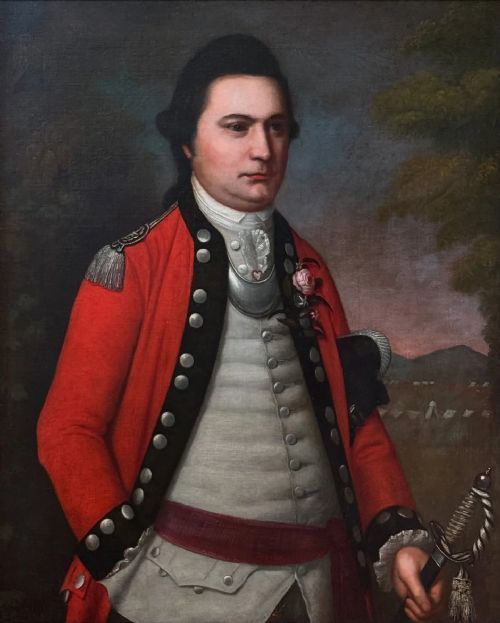
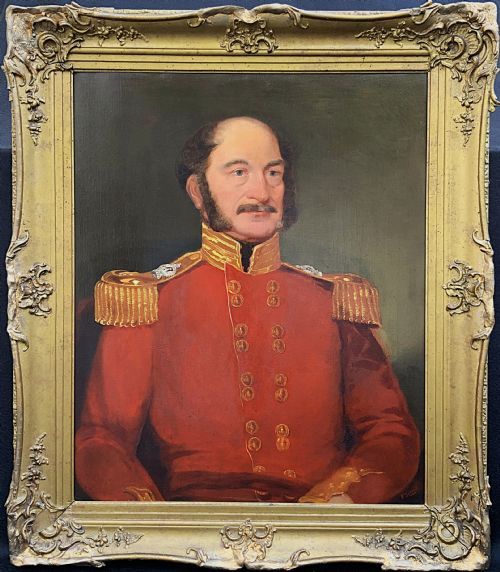
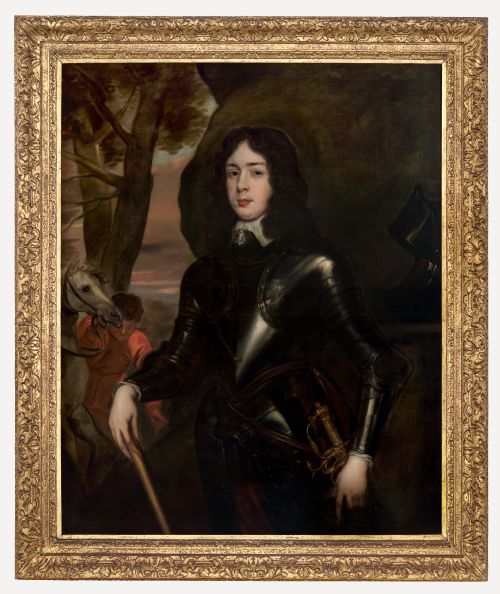
A military officer painting captures individuals of high rank, ranging from early modern commanders in armour to Victorian red coats and mid-century generals. These works record the changing fashions of military dress, campaign honours and regimental affiliation across centuries of service.
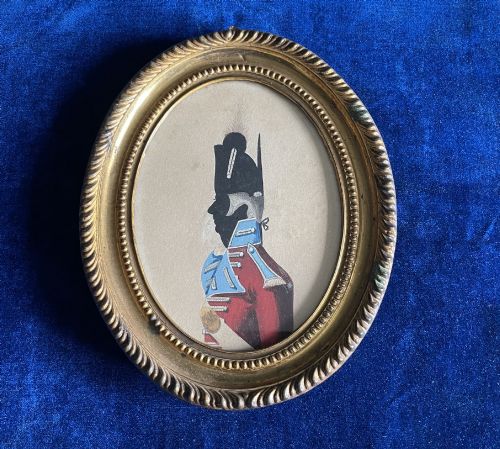
The pieces on this page span the 17th, 18th, 19th and 20th centuries, covering Georgian, Regency, Victorian and Edwardian aesthetics. The selection includes full-scale oils on canvas, intimate watercolours and detailed portrait miniatures.
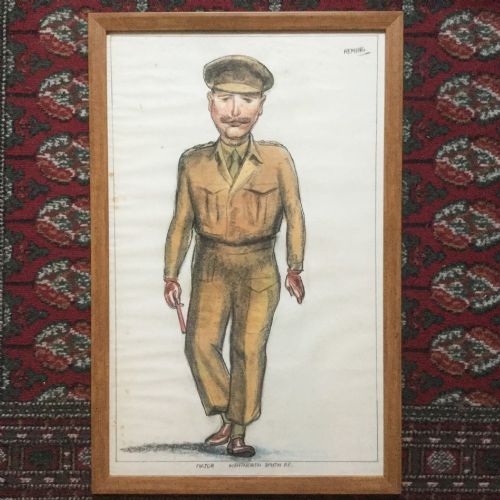
Oil paintings dominate the selection, accompanied by pastel sketches, gouache drawings and watercolour studies. Subjects encompass British regiments, French cavalry, naval commanders and colonial service officers.
Materials and Techniques
Artists utilised oil paint on stretched canvas or wood panels for major commissions, building deep colour layers for uniforms, gold epaulettes and medals. Watercolours and pastels on paper served for rapid wartime sketches, intimate campaign portraits and preliminary studies.
Giltwood frames frequently accompany these works, employing carved ornamentation that reflects the period of the painting. Portrait miniatures employ delicate mediums on surfaces such as agate panels, set within gold or metal enclosures.
Listings feature works from the 17th century to the 19th century, utilising oil paint, watercolour, and pastel on canvas, wood, and paper.
Quality Variations
The provenance and documented identity of the sitter elevate a piece, particularly when connected to notable regiments, historical battles or identified artists. Condition of the canvas, original framing and the preservation of pigment stability further determine the standing of each work.
Stickland Lowry·John Wootton·Thomas Hudson·Sir Anthony van Dyck·John Simmons·Sir Thomas Lawrence·William Carter·David Nicholson Ingles
The Military Officer Painting Glossary
- Portrait Miniature
- A small, highly detailed painting executed on materials such as vellum, ivory, card or agate. These portable likenesses were frequently commissioned by family members before deployment on military campaigns.
- Giltwood
- Wood carved and coated with a layer of gold leaf or gold paint. This material is standard for framing fine art pieces from the Georgian and Victorian eras.
- Regiment
- A permanent unit of an army commanded by a colonel. Military portraits frequently identify the specific regiment through collar insignia, facings and uniform colour.
- Pastel
- A medium consisting of powdered pigment and a binder, formed into a stick. Artists used pastels for quick, expressive portrait sketches during wartime.
- Toleware
- Enamelled and japanned metalware produced for domestic or campaign utility. Items such as tin hat boxes accompanied officers on active service.
Military Officer Painting: Frequently Asked Questions
How do I identify the rank of the officer?
The rank of the sitter is typically indicated by specific uniform details such as collar insignia, sleeve lace, sash design and the presence of epaulettes. Painters recorded these elements with precision to denote the exact military standing of the subject.
Secondary clues appear in surrounding background details, such as tents, maps or specific campaign scenery that denote command level.
What periods do these paintings cover?
The available selection spans from the mid-17th century through the Georgian, Victorian and Edwardian eras up to the mid-20th century. Each period displays distinct stylistic shifts in portraiture and uniform design.
Early works show officers in plate armour or heavy coats, while 19th-century pieces feature distinctive red tunics and campaign dress.
How should I care for an oil on canvas portrait?
Display oil paintings away from direct sunlight and fluctuating humidity to prevent canvas distortion and paint cracking. Gentle dusting with a soft, dry brush is generally sufficient for surface maintenance.
Avoid using water or chemical cleaning solutions on the painted surface or the antique giltwood frame.