


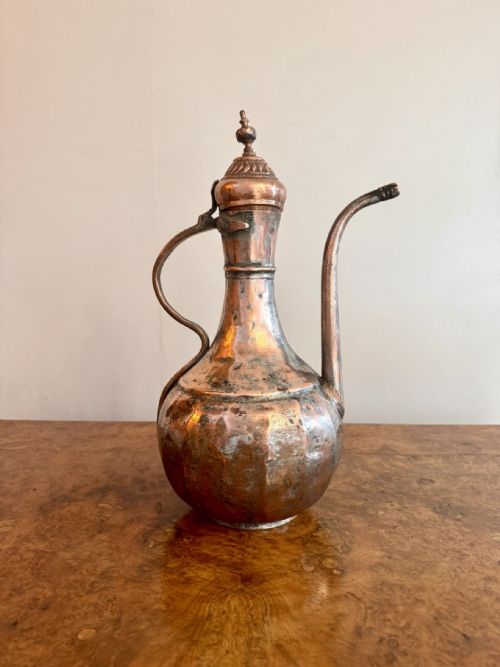


Middle Eastern Metalwork
Middle Eastern metalwork brings together intricate brass, copper and silver inlay from workshops across Egypt, Syria and Persia.
Middle Eastern Metalwork
Middle Eastern metalwork encompasses a rich variety of vessels, trays and furniture spanning several centuries of craftsmanship. When exploring this selection, buyers encounter everything from sixteenth-century basins to nineteenth-century Cairo ware and revival pieces.
The objects listed range from occasional tables and coffee pots to large wall chargers and decorative bowls. Many pieces originate from specific traditions such as Mamluk, Safavid and Qajar production.
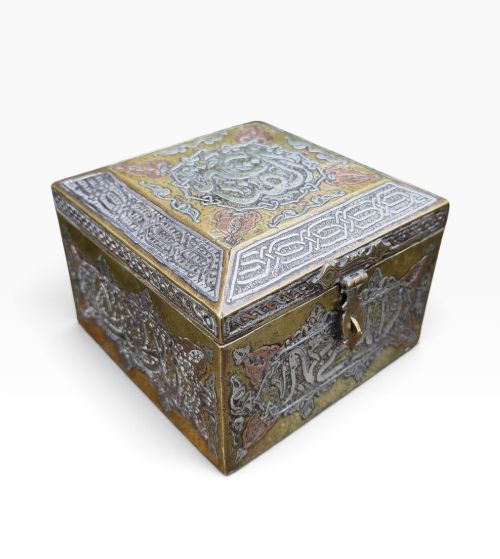
Nineteenth-century Cairo ware and brass or copper trays dominate the current selection, alongside occasional tables known as kursi. These items offer a tangible connection to traditional workshops in Damascus, Cairo and Persia.
How they were made
Artisans utilised base metals such as brass, copper, bronze and white metal, frequently incorporating mixed metal elements. Surfaces were then enriched through hammering, casting and openwork techniques.
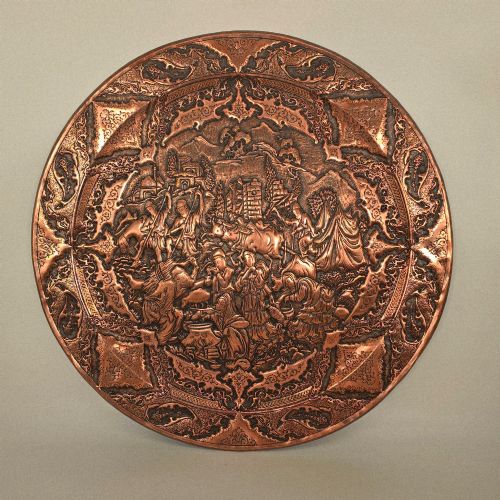
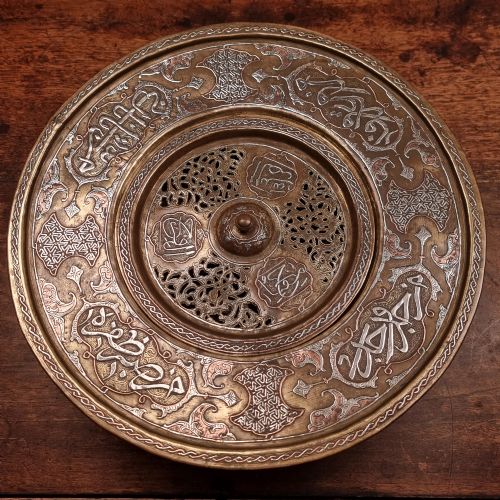
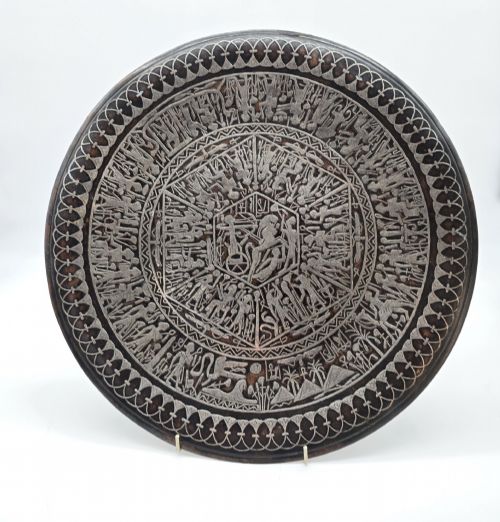
Inlay work forms a defining characteristic of many pieces, with silver and copper wire hammered into chased grooves. Engraving, repousse work and enamel provide further surface depth and pattern.
Materials in this selection include brass, copper, silver, mixed metal, white metal, patinated copper, enamel, and tin across multiple centuries.
What varies in quality
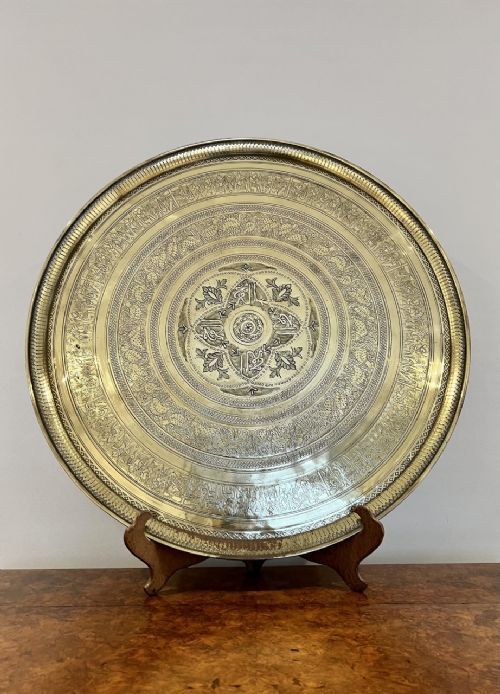
The precision and depth of the hand-engraving separate standard production from exceptional examples. Finer pieces display crisp lines in complex geometric and floral motifs that hold clarity across the entire surface.
The intricacy of metal inlay work also dictates the standard of a vessel or tray. Superior items integrate silver and copper elements seamlessly into the host metal with minimal gaps and robust retention over time.
The Middle Eastern Metalwork Glossary
- Cairo ware
- Nineteenth- and early twentieth-century metalwork produced in Egypt, typically comprising brass inlaid with silver and copper in traditional Islamic designs. These items were often made for Western export as well as local markets.
- Kursi
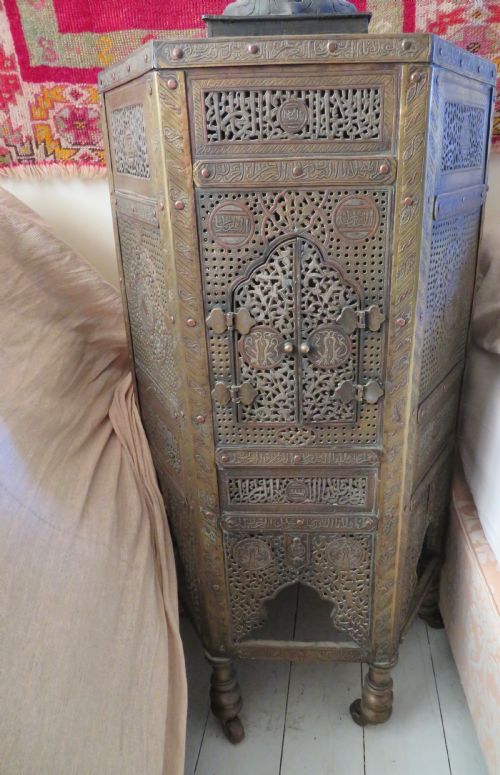
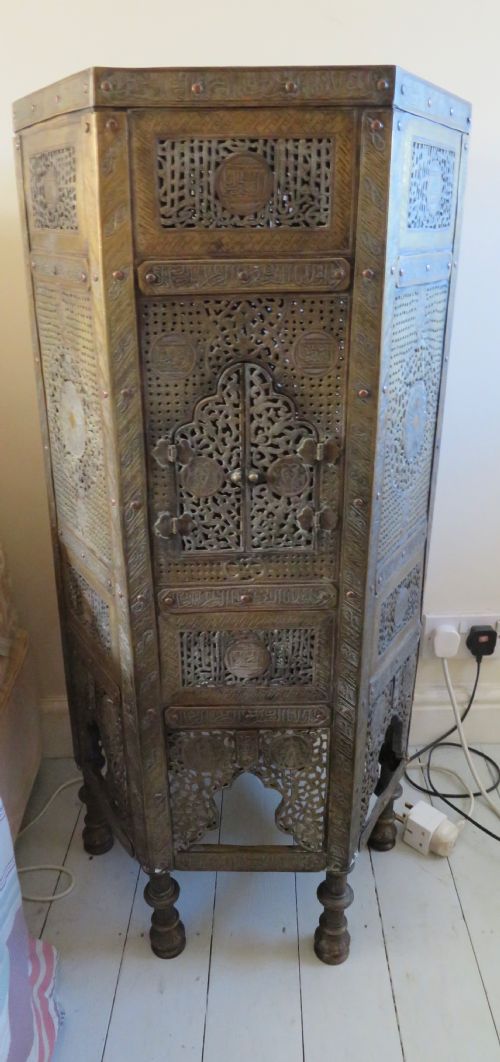
- A traditional low hexagonal table or Quran stand, frequently constructed with openwork brass and inlaid white metal or copper. They serve as characteristic examples of domestic Middle Eastern furniture.
- Repousse
- A metalworking technique where the metal is hammered from the reverse side to form a raised design in relief. Artisans then refine the details from the front using chisels and gravers.
- Veneto-Saracenic
- Islamic metalwork produced in Syria and Egypt during the late fifteenth and sixteenth centuries, often commissioned by Italian patrons. These pieces blend traditional Middle Eastern forms with European armorial bearings or inscriptions.
- Mamluk Revival
- Nineteenth-century European and Middle Eastern decorative objects styled after the opulent brasswork of the Mamluk Sultanate. They utilise heavy engraving and inlay to emulate medieval court pieces.
Middle Eastern Metalwork: Frequently Asked Questions
What is Cairo ware?
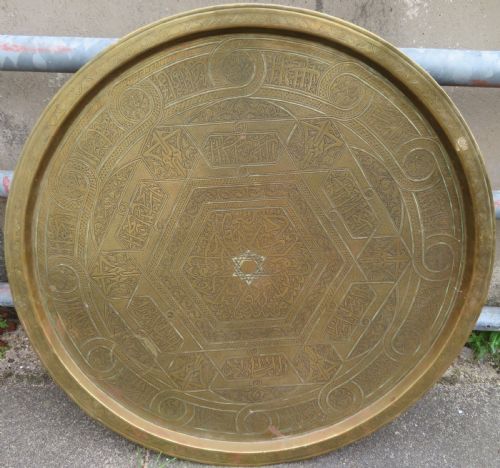
Cairo ware refers to nineteenth- and twentieth-century brass and copper metalwork from Egypt. These pieces are typically characterised by dense silver and copper inlay.
They reflect a revival of medieval Islamic designs, created both for local use and for European travellers collecting souvenirs.
How were these metal vessels used?
Many items served practical domestic functions such as washing bowls, coffee pots, and serving trays. Others, like Quran caskets and candlesticks, held religious or ritual purposes.
Large chargers and panels were primarily decorative, displayed on walls or tables to showcase fine craftsmanship.
How do I care for antique brass and copper?
Antique metalwork benefits from gentle dusting with a soft dry cloth. Avoid aggressive cleaning agents or modern metal polishes that strip away patination.
Maintaining a stable indoor humidity helps protect inlay work and prevents further oxidation of the base metal.
How do I distinguish regional styles?
Regional styles reveal themselves through specific decorative motifs, vessel shapes, and inlay techniques. Persian pieces often feature Safavid or Qajar pictorial engraving and distinctive brass forms.
Egyptian and Syrian items, particularly Cairo ware, rely heavily on dense geometric bands and silver-inlaid calligraphy.