


Middle Eastern Brass Table
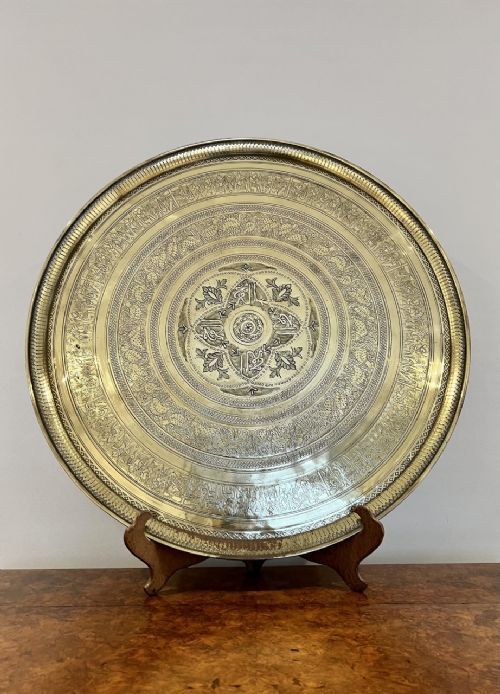
A middle eastern brass table brings warmth and rich metalwork into a room, most often arriving as a folding tray top piece from the late nineteenth or early twentieth century.
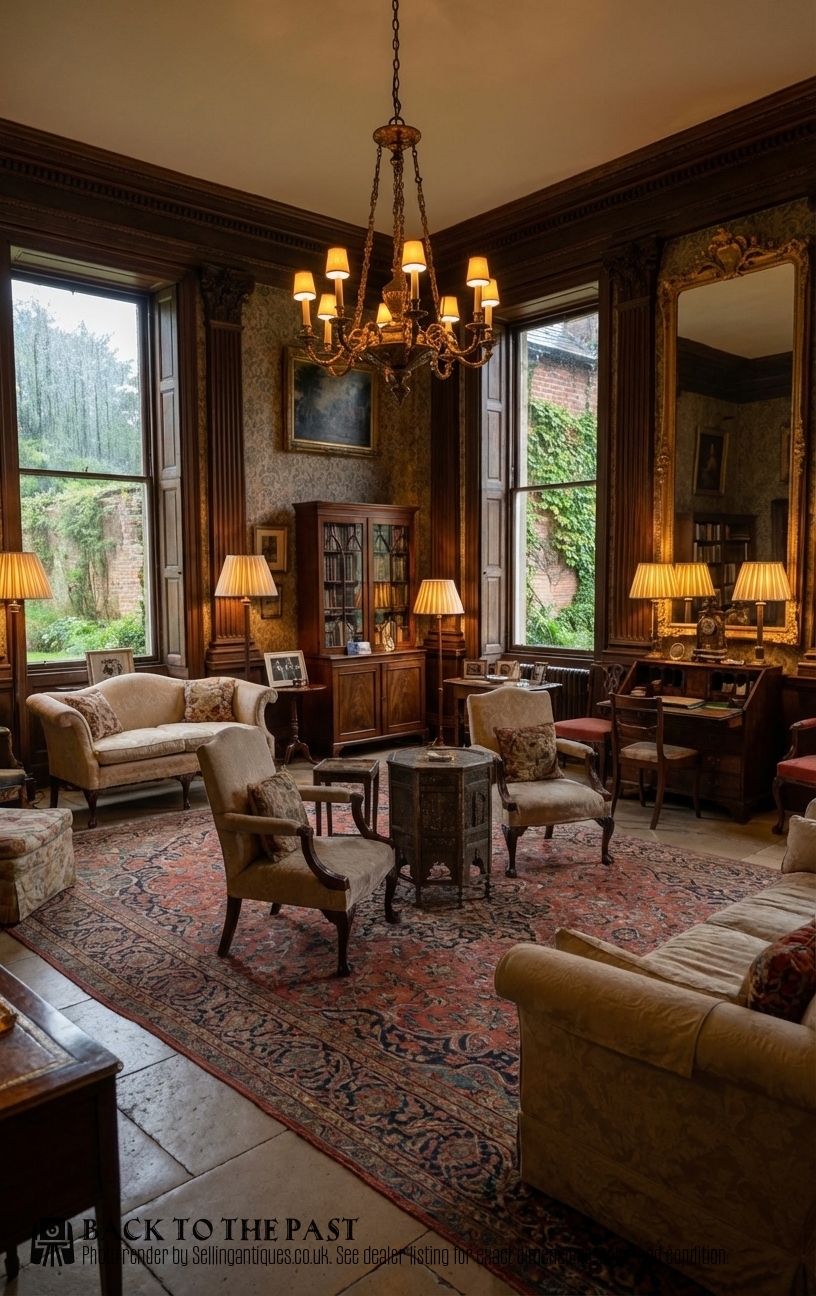
Middle Eastern Brass Table
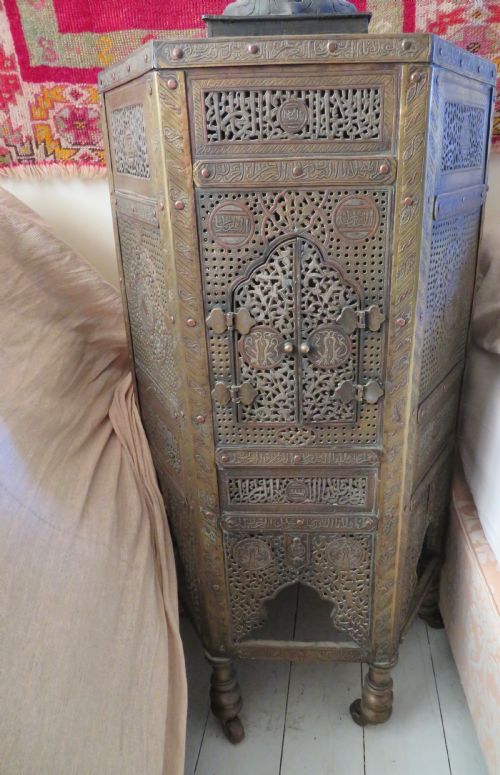
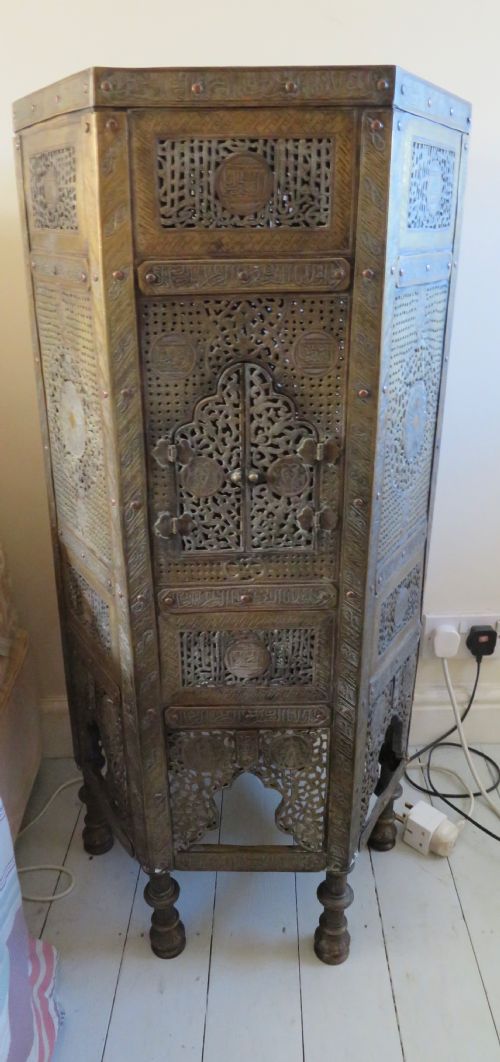
A middle eastern brass table covers a range of portable and occasional surfaces, from circular trays resting on carved wooden folding stands to hexagonal kursi tables. These pieces arrive in styles including Mamluk Revival, Anglo-Indian, and Persian, spanning the nineteenth century through the 1930s.
Buyers most frequently encounter folding tray top tables and occasional tables featuring brass, copper, and white-metal inlays. Forms also extend to centre tables, coffee tables, and occasional kursi stands designed for domestic use.
The origins trace across Cairo ware production, Persian workshops, and broader regional interpretations such as Mughal Empire designs. Each piece reflects traditional metalworking and woodwork traditions adapted for international and domestic markets of the period.
How they were made
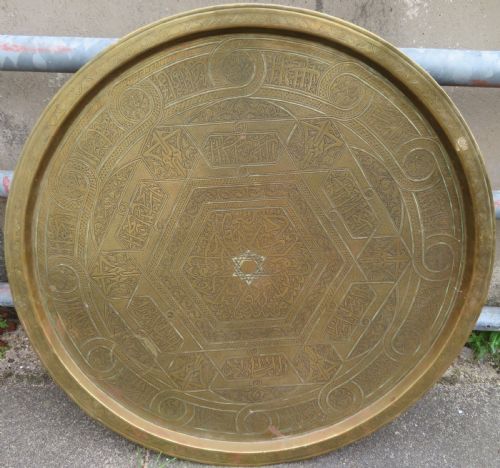
Construction combines solid brass, copper, and white-metal elements with wooden and hardwood supports, often utilising folding bases for portability. Trays and tops are hammered, engraved, and frequently inlaid with contrasting metals to create intricate geometric and calligraphic patterns.
Workshops employed specialised inlay and engraving techniques, pushing copper and white-metal wires into incised brass channels to build up dense surface decoration. Wooden stands are typically carved and joined to support the removable metal trays securely.
The documented styles span Mamluk Revival, Anglo-Indian, and Persian designs applied to occasional tables and folding trays.
What varies in quality
Quality rests in the depth and precision of the hand-engraving alongside the crispness of the copper and white-metal inlay work. Pieces with heavier gauge brass and more complex multi-metal inlay display a superior standard of craftsmanship.
The construction of the supporting woodwork also distinguishes the range, where finely carved hardwood folding stands demonstrate greater care than simpler utility frames. The harmony between the engraved metal top and its matching base governs the overall execution.
The Middle Eastern Brass Table Glossary
- Cairoware
- Metalwork produced in Cairo during the late nineteenth and early twentieth centuries, known for brass vessels and tables inlaid with silver, copper, and white metal. This style revived Mamluk and Islamic design traditions for collectors and travellers.
- Kursi
- A low hexagonal table or Quran stand used in Middle Eastern domestic and religious settings. These pieces often feature openwork panels and intricate metal inlay.
- Mamluk Revival
- A nineteenth-century design movement that emulated the metalwork, glass, and architecture of the Mamluk Sultanate. Pieces in this style utilise heavy brass surfaces covered in dense geometric and calligraphic engraving.
- Occasional table
- A small, movable table intended for specific, flexible uses around a room rather than permanent placement. In this context, they frequently feature removable brass trays atop folding wooden bases.
Middle Eastern Brass Table: Frequently Asked Questions
How do I clean a brass table?
Dust gently with a soft cloth to preserve the dark patina accumulated over decades of age. Avoid harsh chemical polishes that strip away the historical character and damage the copper and white-metal inlays.
Keep the metal dry and away from direct moisture sources to protect both the brass surface and the underlying wooden base.
Are the folding stands original?
Many folding stands are constructed to pair with specific removable trays, utilising traditional Islamic and regional woodwork patterns. Some bases show construction methods typical of campaign furniture designed for easy transport.
Inspect the fit between the tray and the stand to understand how the two components interact during daily use.
What is Cairo ware?
Cairo ware describes nineteenth and early twentieth-century metalwork originating from Egyptian workshops catering to both local and European markets. These objects are celebrated for their rich brass surfaces inlaid with copper and white metal.
The style draws heavily on historical Islamic design vocabulary, translating medieval motifs onto domestic tables and trays.
How do I date these tables?
Dating relies on stylistic markers, construction techniques, and materials seen across late nineteenth-century and early twentieth-century examples. Pieces marked from the 1920s and 1930s often reflect mass production for colonial and export markets.
Examine the hand-engraving and the wear on the wooden folding mechanism to gauge the age of the piece.