


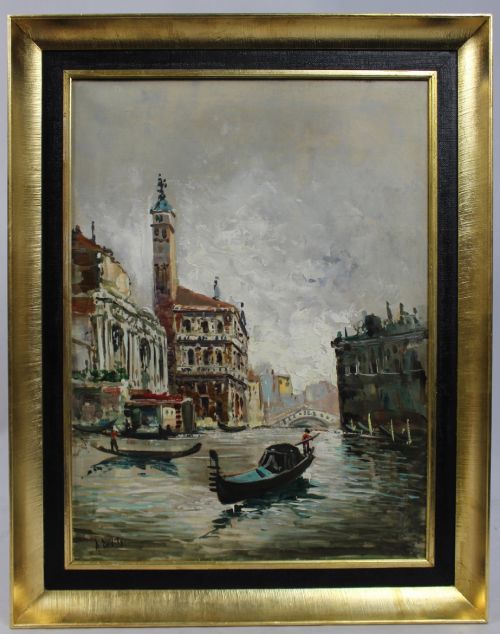
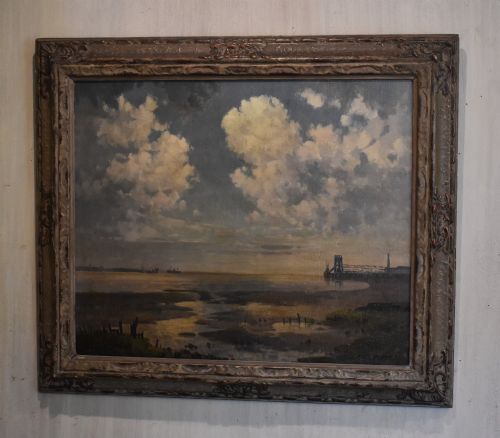
Mid Century Landscape
Exploring mid century landscape works reveals textured oil paintings and delicate watercolours capturing rural scenes and urban views.
Mid Century Landscape
Mid century landscape pieces encompass original paintings, watercolours, and drawings created primarily during the middle decades of the twentieth century. These works capture regional British countryside scenes, northern townscapes, and coastal views executed in distinct modernist and impressionist styles.
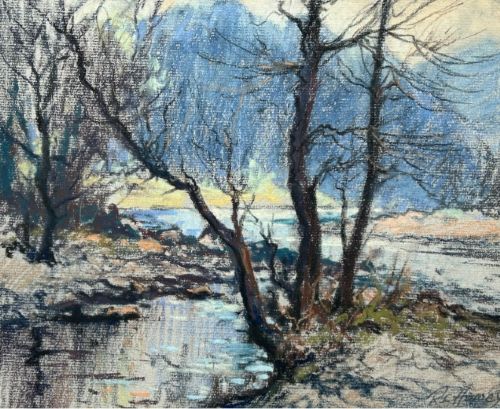
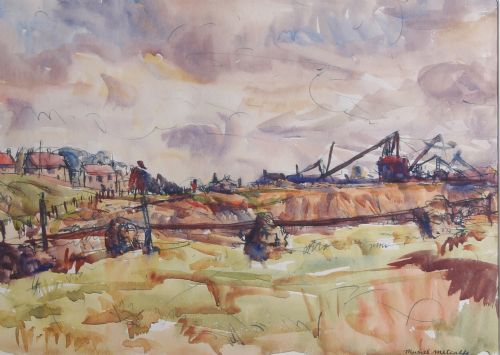
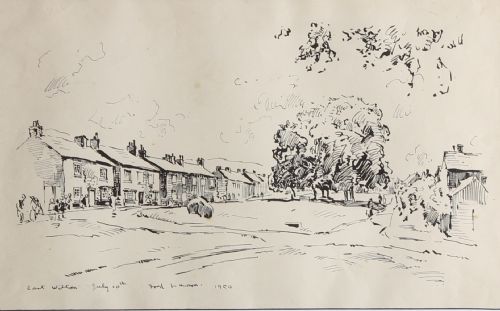
Collectors searching for mid century landscape examples will frequently encounter works on board or canvas by regional British artists alongside continental European scenes. The selection ranges from intimate watercolour studies of Yorkshire dales to bolder impasto oils depicting maritime subjects and rural hamlets.
How They Were Made
Artists painted these landscapes using oil paint, watercolour, and gouache applied to various flat supports including stretched canvas, wooden board, paper, and card. Many twentieth century works rely on en plein air techniques where painters worked directly outdoors to capture natural light and atmospheric weather conditions.
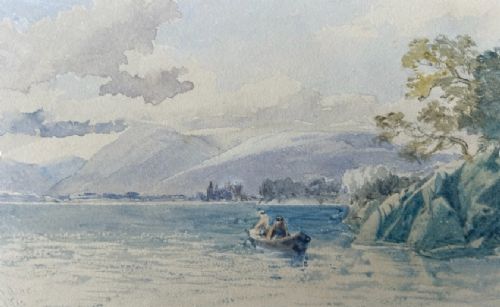
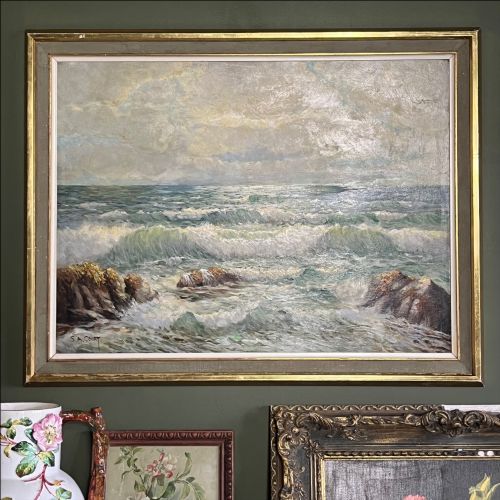
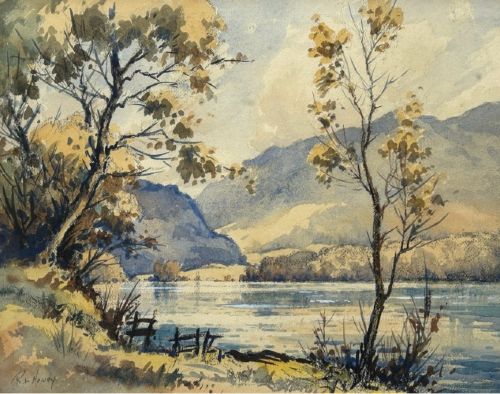
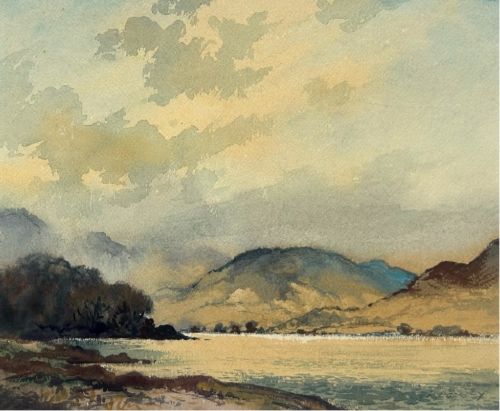
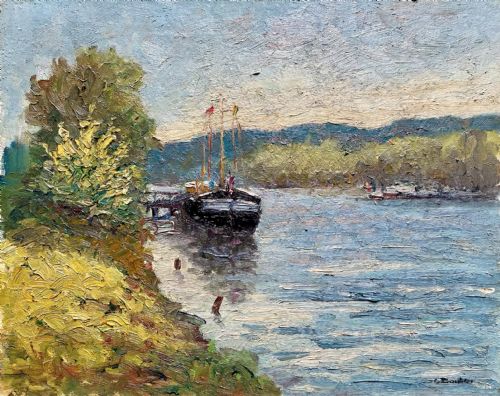
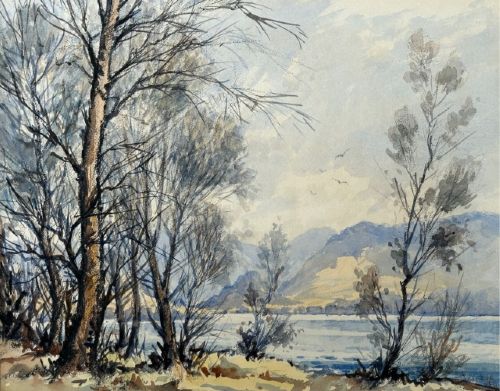
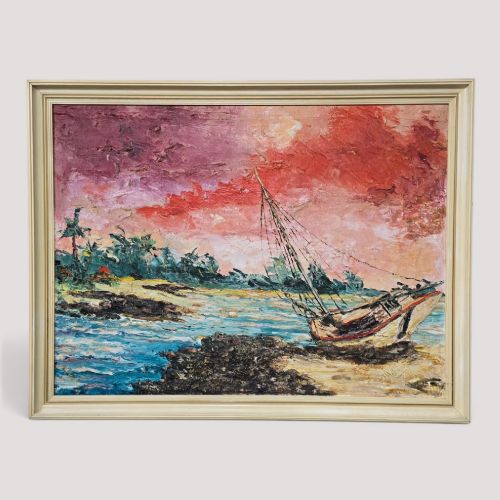
Watercolour paintings utilise fluid washes on paper to depict rivers and mountainous backdrops, while oil paintings employ brushwork and thick impasto texture to build up hillsides and buildings.
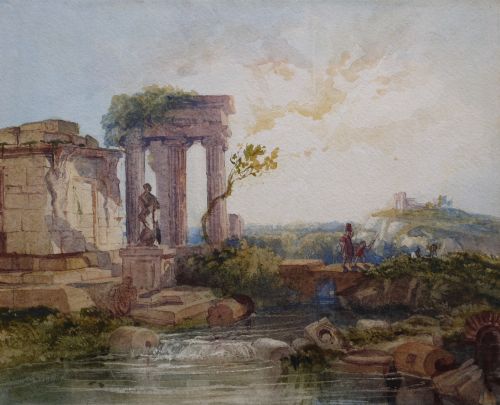
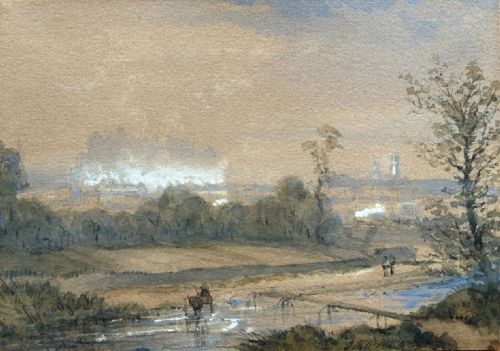
A hot air balloon drifts peacefully above a sunset landscape while nearby paintings record cows grazing quietly beside nineteenth-century rivers.
What Varies in Quality
The strength of a composition rests on the artist's handling of tone, perspective, and light to convey depth within a landscape. Works that demonstrate confident brushwork and a clear sense of place stand apart from standard decorative topographical views.
Condition plays a role in evaluation, with original framing, stable pigment adherence on canvas or board, and minimal fading on paper contributing to the overall integrity of the piece.
Kenneth Cozens·Thomas Miles Richardson Jnr·Robert Leslie Howey·Antonio DeVity·Donald McIntyre·Joseph Pighills·Fred Lawson
The Mid Century Landscape Glossary
- Impasto
- Paint applied thickly to a canvas or board so that it stands out from the surface. This technique preserves the physical gesture of the artist's brush.
- En plein air
- The act of painting outdoors to directly observe the landscape and changing natural light. Practitioners of this method often completed small panels in a single session.
- Watercolour
- A painting method where fine pigment is suspended in a water-based solution. Artists apply translucent washes onto textured paper to create luminous effects.
- Board
- A rigid wooden or composite panel used as a painting support instead of stretched canvas. Painters frequently utilised this material for smaller outdoor sketches.
- Post-Impressionism
- An artistic movement following impressionism that extended its use of vivid colours and thick paint. Artists working in this manner emphasised expressive forms over strict realism.
Mid Century Landscape: Frequently Asked Questions
What subjects appear in mid century landscape paintings?
These artworks depict rural countryside scenes, rolling hills, rivers, coastal harbours, and industrial northern townscapes. Artists frequently focused on local British topography, capturing specific valleys, bridges, and villages.
Continental European views such as Venetian canals, French rivers, and Italian harbours also appear regularly within this category. Each subject reflects the artist's personal connection to a particular region or travel destination.
How do I care for an original oil landscape?
Keep oil paintings away from direct sunlight and sources of extreme heat to prevent the canvas or board from warping and the paint from drying out. Dust the surface gently with a soft, dry brush without applying pressure.
Avoid using liquid cleaners or damp cloths on the paint layer. Professional framing with appropriate backing boards helps protect the work from environmental moisture over time.
What is the difference between oil and watercolour landscapes?
Oil paintings utilise pigments bound in drying oils applied to canvas, wood panels, or heavy board. This medium allows for thick impasto textures, rich colour blending, and subsequent alterations.
Watercolour works use water-soluble pigments on paper, resulting in translucent washes and lighter compositions. These pieces require protective glass framing to prevent paper degradation and moisture damage.
How can I identify the period of a landscape painting?
Examine the materials, stretcher bars, framing style, and any artist signatures or dates inscribed on the reverse of the board or canvas. Twentieth-century works often feature distinct modernist or impressionist brush techniques that separate them from nineteenth-century academic paintings.
Stylistic cues such as simplified forms, flattened perspective, and a muted or vibrant palette provide further clues regarding the decade of creation.