
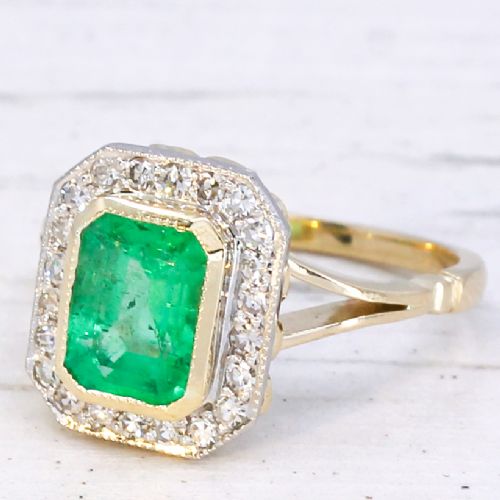


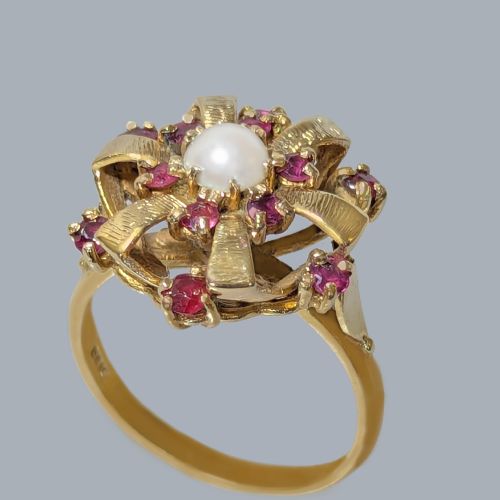
Mid Century Dress Ring
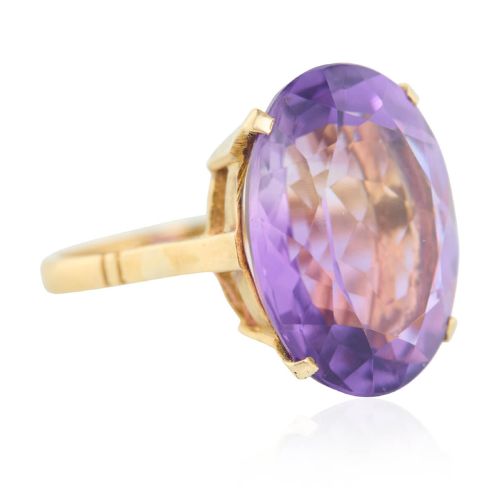
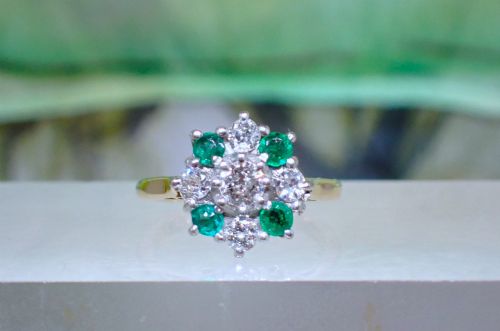
A mid century dress ring brings unmistakable presence to the hand, built around bold clusters and vivid stones.
What a mid century dress ring is
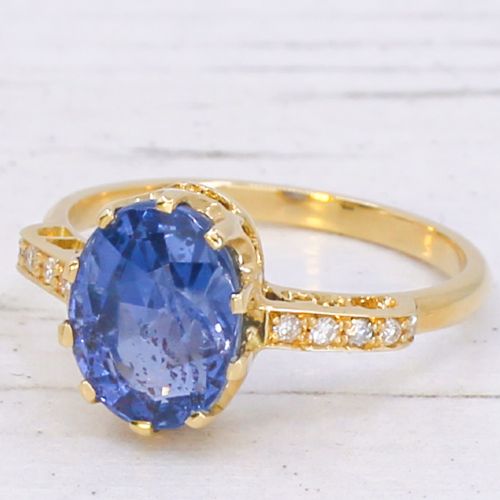
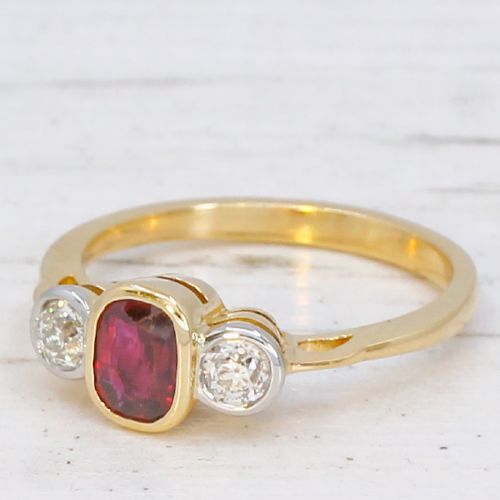
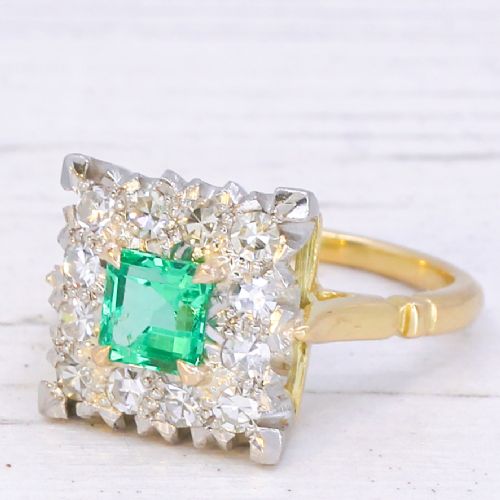
When you search for a mid century dress ring, you are looking at statement jewellery designed for evening wear and social occasions. These pieces step away from the restrained bands of earlier decades in favour of generous proportions and striking stone combinations.
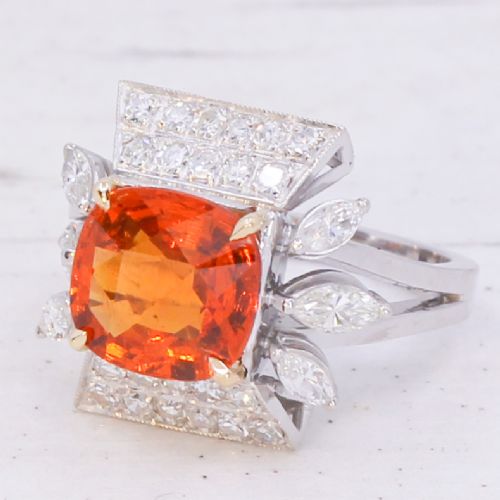
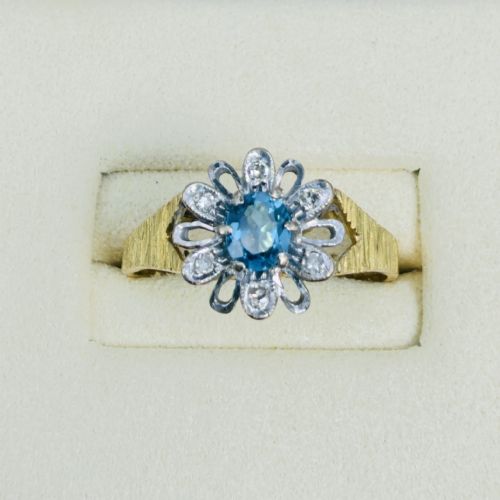
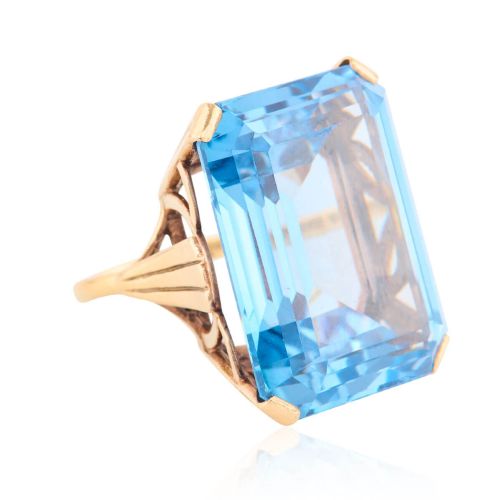
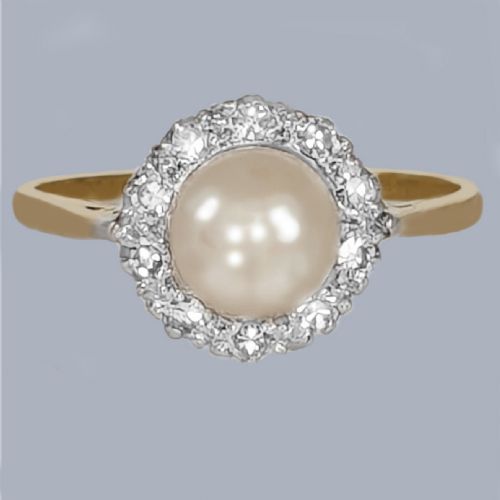
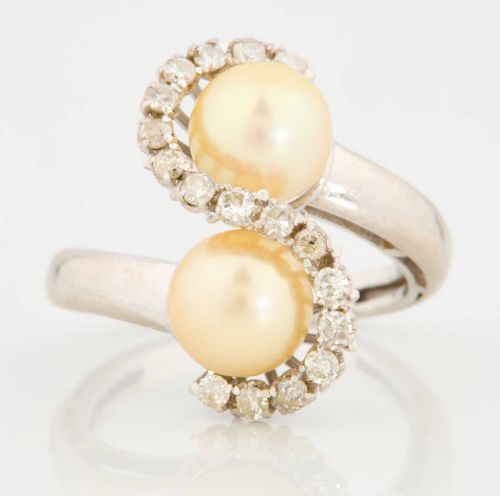
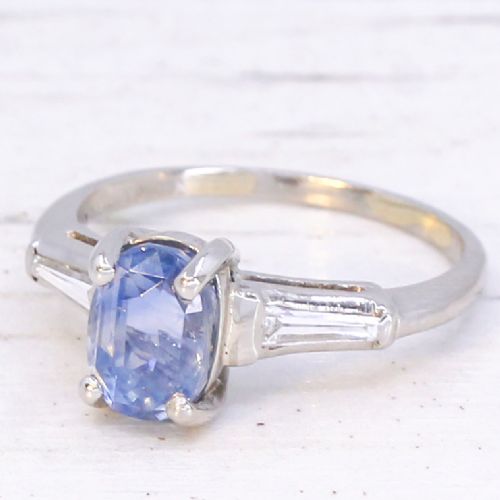
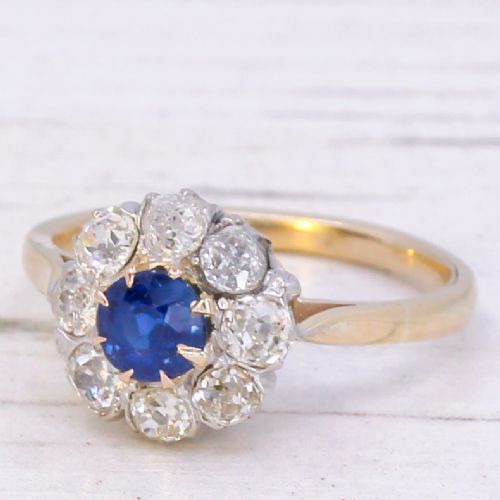
You are most likely to meet sapphire and diamond clusters, alongside orange garnet and blue paste set in white gold, yellow gold, or platinum. The forms range from traditional cluster configurations to crossover designs and large cocktail rings originating from the nineteen fifties and nineteen sixties.
How they were made
The construction relies on precious metals such as platinum, fourteen carat gold, nine carat gold, and white gold to securely hold substantial central stones. Master goldsmiths shaped these metals into robust settings that could support large carat weights without sacrificing delicate detail.
Gemstones including diamonds, sapphires, garnets, zircons, onyx, and glass paste are meticulously arranged in cluster and crossover formations. The combination of brilliant cut diamonds with deep blue sapphires or bright orange garnets demonstrates the technical ambition of the period.
Retail Price Guide 2026
Typical UK retail prices for mid century dress ring, calculated from the Sellingantiques database of over a million retail prices indexed since 2003. This retail price guide relies exclusively on Sellingantiques data; no external sources or auction records are used, so the figures do not describe the wider market.
What varies in quality
The distinction between the top of the range and simpler examples lies in the scale and quality of the central stones, particularly significant diamond and sapphire carat weights. Exceptional pieces pair substantial gemstones with heavy platinum or gold mountings that maintain structural integrity.
Design complexity also separates standard items from finer works, with intricate crossover motifs and balanced cluster arrangements showing superior craftsmanship. The choice of materials dictates the tier, moving from paste and nine carat gold up to platinum and large multi-carat diamond constructions.
The Mid Century Dress Ring Glossary
- Cluster ring
- A ring featuring a central stone surrounded by a border of smaller gems. This layout maximises visual impact and was a favoured choice for mid century evening wear.
- Crossover ring
- A design where the shank splits or two bands sweep past one another, often terminating in opposing stones. This style creates a dynamic sense of movement on the finger.
- Paste
- Hand-cut glass used as a gemstone substitute to achieve vivid colour and brilliance. Blue paste appears in mid century pieces to provide striking vibrancy.
- Platinum
- A dense, durable precious metal prized for its strength in secure stone settings. Its bright white lustre complements diamonds and sapphires.
Frequently Asked Questions
What is a mid century dress ring?
A mid century dress ring is a statement piece of jewellery dating from the nineteen fifties and sixties, created for social occasions rather than daily wear. These items typically feature bold gemstone arrangements designed to catch the eye.
The category encompasses large cocktail rings, sapphire and diamond clusters, and crossover designs set in gold or platinum.
How do I style a dress ring?
These pieces have substantial presence, so they are best worn on their own to let the design take centre stage. They suit evening attire and formal gatherings.
Consider the colour of the central stone, such as orange garnet or deep sapphire, when pairing with other accessories.
What materials were used?
Jewellers utilised a range of precious metals including platinum, fourteen carat gold, nine carat gold, and white gold. These served as sturdy foundations for heavy stone settings.
Gemstones include diamonds, sapphires, garnets, zircons, onyx, and decorative glass paste for vivid colour.
How do I tell periods apart?
Mid century pieces from the fifties and sixties favour bold clusters, crossover lines, and large coloured stones in white gold or platinum. Earlier items lean towards different proportions.
Examining the metal purity marks and the specific cut of the diamonds or sapphires helps confirm the era of manufacture.