




Vintage Blue Gem Ring
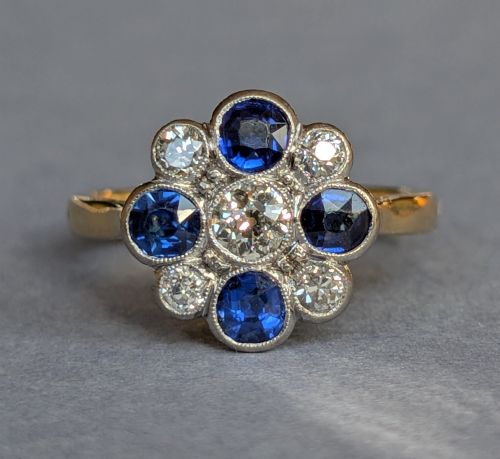
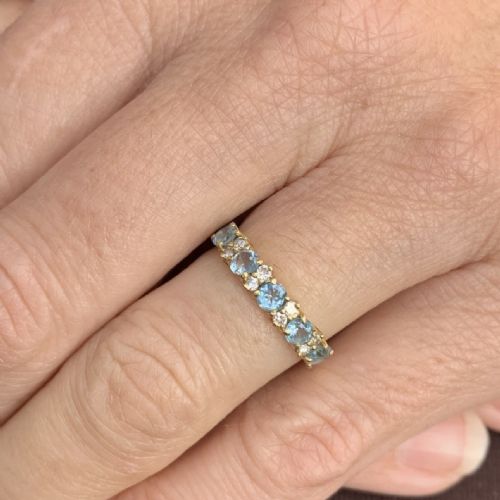
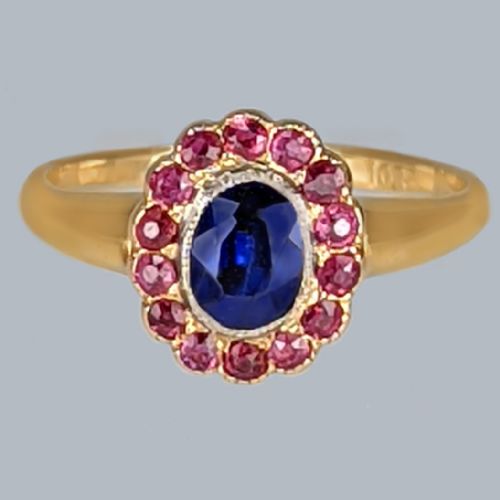
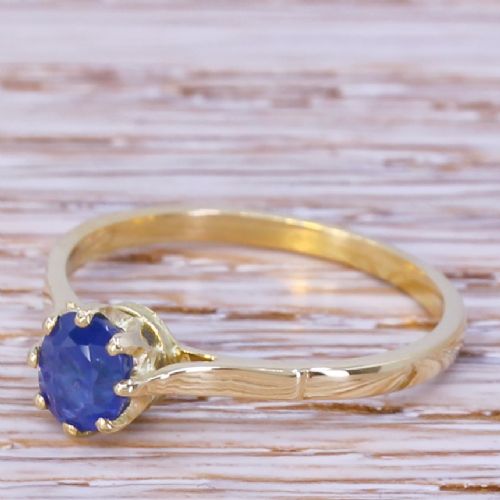
A vintage blue gem ring brings together deep sapphire tones and sparkling diamonds in precious gold or platinum settings.
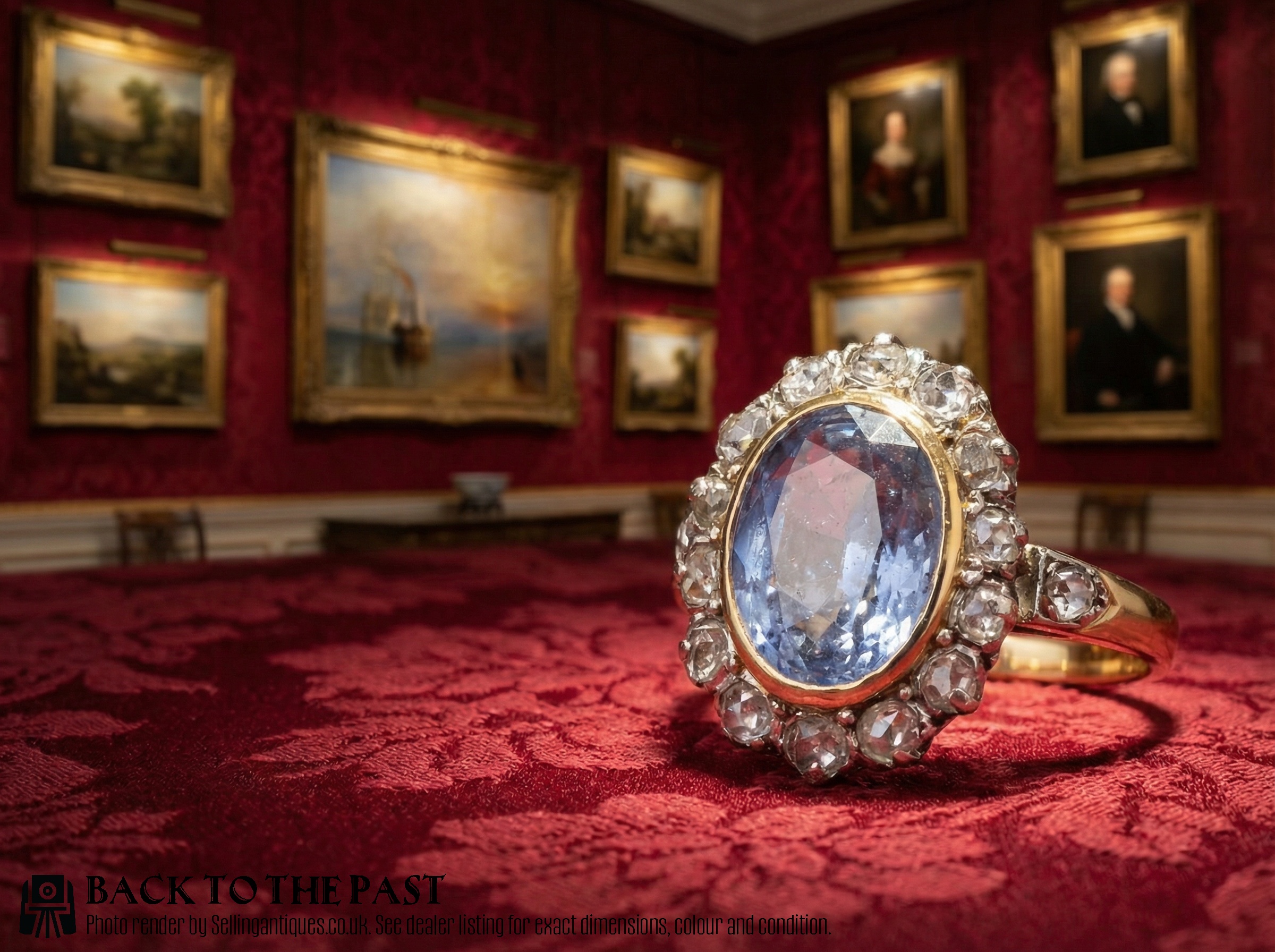
What a vintage blue gem ring is
How they were made
Goldsmiths constructed these pieces using high-grade precious metals, notably 14ct gold, 18ct gold, platinum, and specific instances of 15ct gold. Sapphires and diamonds are secured directly into these durable mountings through traditional claw and bezel techniques.
Gemstones receive careful cutting, including rose cut diamonds and prominent oval cut sapphires, to maximise light return. Metalwork incorporates geometric Art Deco motifs or flowing cluster arrangements that reflect the hand-working skills of past decades.
Retail Price Guide 2026
Typical UK retail prices for vintage blue gem ring, calculated from the Sellingantiques database of over a million retail prices indexed since 2003. This retail price guide relies exclusively on Sellingantiques data; no external sources or auction records are used, so the figures do not describe the wider market.
Listings span the 1920s, 1930s, Edwardian, and Mid-Century periods, utilising platinum and various gold purities.
What varies in quality
The distinction between tiers of these rings rests upon the natural weight and clarity of the central sapphire, alongside the brilliance and carat weight of accompanying diamonds. Heavier gemstone carat sizes and superior material purity, such as platinum or 18ct gold, elevate the standing of a piece.
Construction integrity and the precision of period-specific gemstone cutting determine long-term desirability. Finer examples display meticulous stone matching and robust setting work that preserves the structural harmony of the original design.
The Vintage Blue Gem Ring Glossary
- Cluster ring
- A ring design featuring a central gemstone surrounded by a halo of smaller stones, typically diamonds encircling a sapphire. This arrangement maximises visual impact on the hand.
- Art Deco
- A design style spanning the 1920s and 1930s characterised by geometric symmetry, clean lines, and stark contrasts in materials. Pieces from this movement often employ platinum alongside calibration-cut stones.
- Rose cut
- An antique diamond cut featuring a flat base and a domed crown with triangular facets meeting at a point. This historic technique produces a soft, candlelit reflection.
- Oval cut
- A rounded ellipse shape used for faceted gemstones that combines the brilliance of a round stone with an elongated silhouette. It flatters the finger by creating length.
- Basaltic sapphire
- A sapphire originating from alkaline basaltic rock formations, known for displaying deep, saturated blue hues. These stones carry distinct geological markers within their crystal structure.
Frequently Asked Questions
How do I care for a vintage sapphire ring?
Sapphires are durable gemstones, but the precious metal settings require gentle cleaning with warm soapy water and a soft brush.
Avoid harsh ultrasonic cleaners that might loosen older stones or damage delicate platinum and gold prongs over time.
Can these rings be resized safely?
Most gold and platinum bands can be adjusted by a skilled jeweller without altering the head of the ring.
Complex Art Deco or Edwardian shoulders with intricate engraving require careful handling to preserve the original maker's work.
What distinguishes an Edwardian ring from Art Deco?
Edwardian jewellery relies on delicate lace-like platinum work and softer, romantic floral or garland motifs.
Art Deco shifts towards bold geometric shapes, sharp angles, and strong contrasts between white metals and coloured gems.
Are these sapphires heat treated?
Many natural sapphires from vintage periods underwent traditional heating to enhance colour intensity and clarity.
This long-standing practice remains an accepted part of the stone's history and does not diminish its period authenticity.