


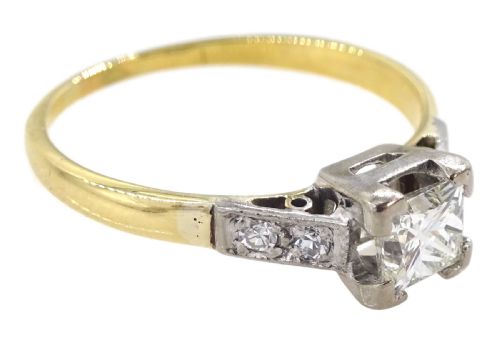


Two Tone Gold Ring
A two tone gold ring brings together contrasting metal colours in a single band, offering a striking visual balance that collectors prize for everyday wear.
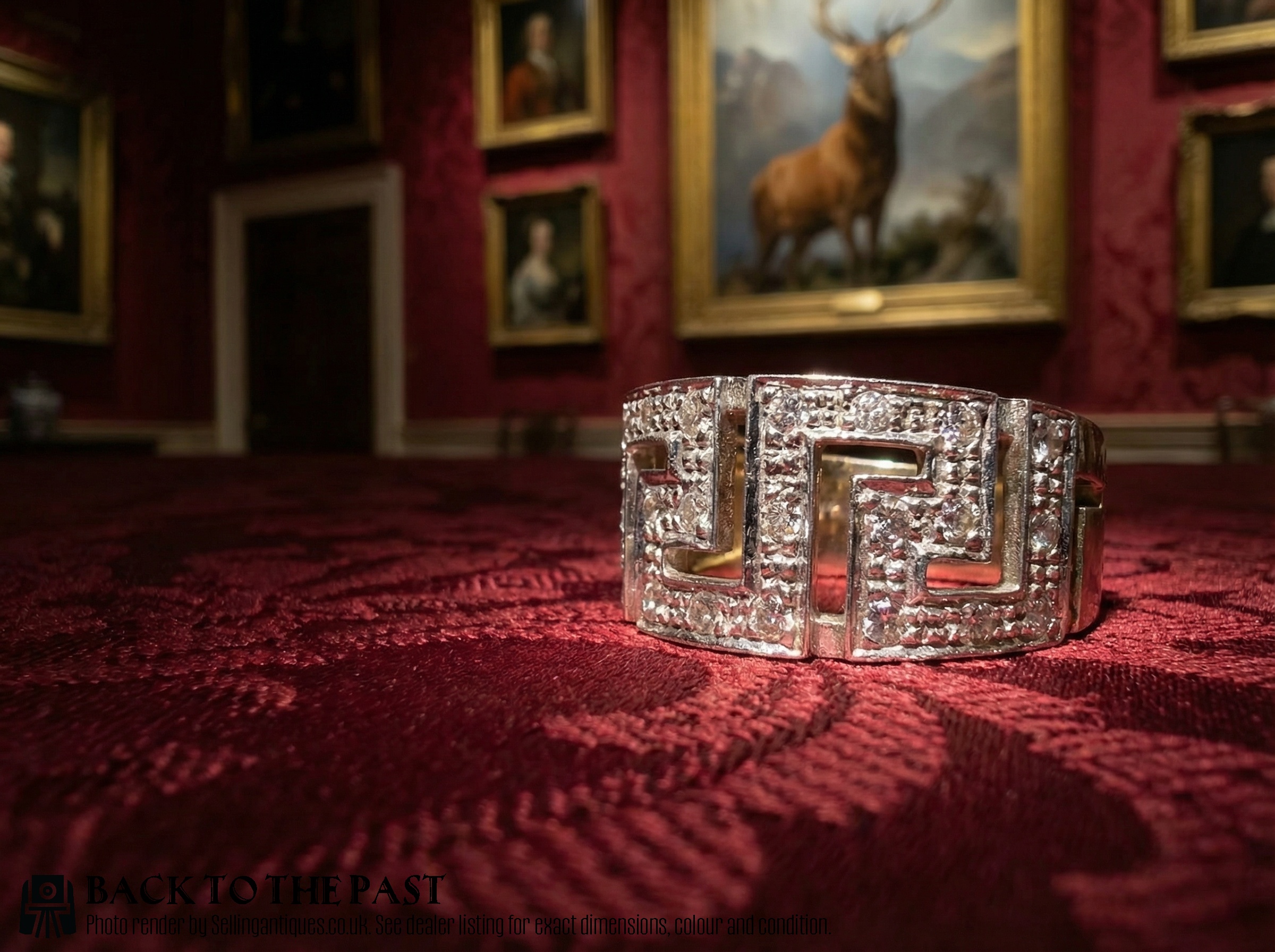
What these pieces are
When you search for a two tone gold ring, you encounter designs that combine yellow gold with white gold or platinum, often incorporating diamonds, sapphires, or opals. These pieces span from the Edwardian period through the 1950s and 1960s, showing styles such as vintage geometric, mid-century modern, and contemporary classic.
The most common formations on this page include cluster rings, twist designs, and crossover settings. You also find multi-stone arrangements and engagement rings featuring old cut diamonds alongside synthetic or natural accent stones.
Originating across different decades, these rings showcase how jewellers experimented with contrasting metal tones to highlight centre stones and geometric patterns. The resulting variety ranges from delicate Edwardian work to bold mid-century statements.
How they were made
Goldsmiths constructed these rings using varying purities of precious metal, including 9ct, 14ct, and 18ct gold, alongside platinum. The two-tone effect is achieved by fusing or soldering yellow gold and white gold components together within a single mounting.
Gemstones such as diamonds, sapphires, and opals are secured using traditional claw, bezel, or cluster settings. Many feature hand-cut old cut diamonds or geometric arrangements that reflect the craftsmanship of their respective eras.
Retail Price Guide 2026
Typical UK retail prices for two tone gold ring, calculated from the Sellingantiques database of over a million retail prices indexed since 2003. This retail price guide relies exclusively on Sellingantiques data; no external sources or auction records are used, so the figures do not describe the wider market.
What varies in quality
The standard of a piece depends heavily on the precision of the metal joining and the quality of the gemstones selected. Finer examples display seamless integration between the yellow and white gold sections, ensuring structural integrity alongside visual contrast.
Stone selection also dictates the upper tier of the range, where well-matched natural diamonds and vibrant sapphires elevate the design. Lesser examples might rely on synthetic stones or simpler mounting techniques that lack the meticulous detail of the finer periods.
The Two Tone Gold Ring Glossary
- Edwardian
- A stylistic period spanning the early twentieth century known for delicate platinum and gold work. Pieces from this era often feature intricate openwork and fine diamond settings.
- Old cut diamond
- A precursor to the modern brilliant cut featuring a smaller table and larger facets. These stones display a distinctive, softer glow under candlelight.
- Crossover ring
- A design where the shank sweeps up and crosses over the finger, often showcasing two main stones or contrasting metals. This style was particularly favoured during the twentieth century.
- Cluster ring
- A setting featuring a central stone surrounded by a group of smaller gems. This arrangement maximises visual impact and light reflection.
- Platinum
- A dense, durable white metal used for secure stone settings in antique and vintage jewellery. Its strength allows for fine, delicate claws that hold gemstones firmly.
Frequently Asked Questions
How do I style a two tone ring?
The mixed metal construction allows you to pair the piece easily with both yellow and white gold jewellery. This versatility makes it straightforward to integrate into existing collections.
Wearing the ring as a standalone piece or alongside a simple wedding band lets the contrasting colours stand out without competing with other accessories.
What periods do these rings come from?
The available selection includes pieces originating from the Edwardian era, as well as the 1950s and 1960s. Mid-century modern and vintage geometric styles are particularly prevalent.
Each era brings distinct manufacturing techniques and design motifs, ranging from delicate Edwardian clusters to bold mid-century geometric arrangements.
Are the stones natural or synthetic?
Listings feature a combination of natural gemstones, including diamonds, sapphires, and opals. Some pieces also incorporate synthetic stones, particularly in mid-century designs.
Checking the individual description confirms the specific composition and gemstone origin for each piece.
How do I care for vintage gold rings?
Regular gentle cleaning with warm soapy water and a soft brush helps maintain the lustre of both the metal and the gemstones. Avoid harsh chemical dips, especially when opals are present.
Storing the ring in a dedicated velvet-lined box prevents scratching against other items in your collection.