


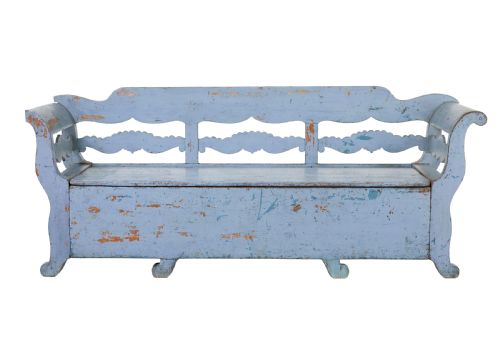


Mid 19th Century Bench
A mid 19th century bench brings enduring architectural character and practical seating to a hallway or drawing room.
Mid 19th Century Bench
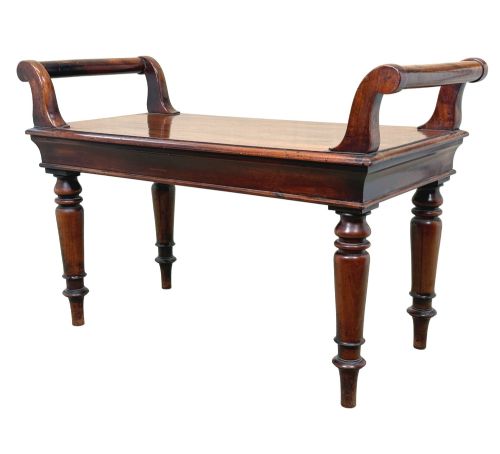
When you search for a mid 19th century bench, you encounter a varied group of seating furniture created across several European traditions. The pieces range from formal window seats and hall benches in mahogany and oak to painted Scandinavian country examples.
Early Victorian examples frequently feature rich timbers and tailored upholstery designed for refined interiors. Alongside these, Scandinavian painted pine and birch pieces offer a contrasting regional aesthetic rooted in rural practicality.
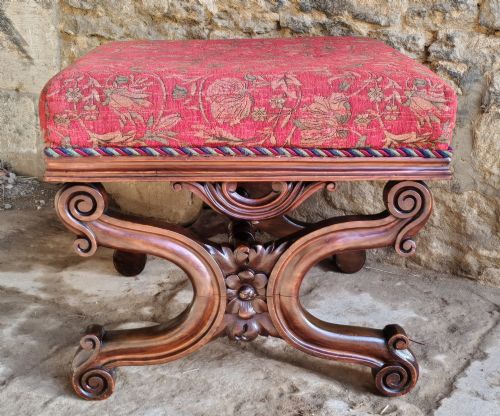
Forms span from long benches and window seats to compact stools, footstools, and chaise longues. This variety reflects the diverse domestic requirements of the period, from grand country houses to simpler provincial homes.
How they were made
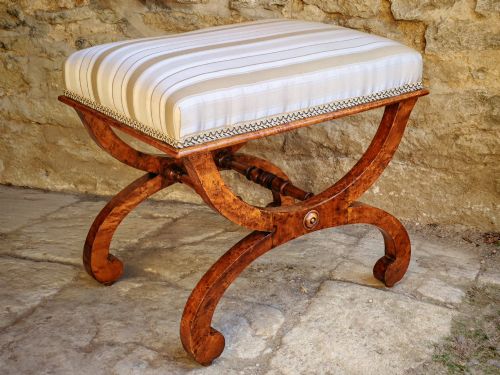
Cabinetmakers utilised dense hardwoods such as mahogany and oak for structural frame integrity, often selecting burr maple or burr elm veneers for decorative emphasis. Surface treatments included traditional hand polishing to highlight timber grain, alongside painted finishes on Scandinavian pine and birch.
Upholstered forms incorporated textile coverings secured over internal padding, while architectural designs displayed careful joinery and carved detailing in the Reformed Gothic and revival manners.
A Swedish pine bench brings a remarkably cheerful pop of painted colour to a grey morning.
What varies in quality
The standard of a piece rests on the choice of primary timber and the sophistication of its secondary veneers. Finely figured burr maple or substantial mahogany frames indicate a higher grade of production than standard utility pine.
Execution of carved ornament and the precision of joinery distinguish ambitious workshop output from more straightforward provincial carpentry. Original painted surfaces on Scandinavian examples also retain distinct aesthetic value compared to later redecoration.
The Mid 19th Century Bench Glossary
- Window seat
- A long, narrow form designed specifically to sit within a window recess. These pieces often feature upholstered tops and upright ends.
- Hall bench
- A sturdy seating item placed in an entrance hallway. They frequently combine timber construction with storage or decorative carved panels.
- Chaise longue
- An upholstered long chair allowing the sitter to recline with support at one end. They appear in refined drawing rooms and formal interiors.
- Reformed Gothic
- A design style emerging in the nineteenth century that reinterpreted medieval architectural motifs for domestic furniture. It relies on geometric lines and structural clarity.
- Burr maple
- A highly figured wood grain obtained from tree growths, valued for its complex patterning. Cabinetmakers used it as a decorative veneer on statement pieces.
Mid 19th Century Bench: Frequently Asked Questions
Where should I place a mid 19th century bench?
These pieces suit entrance halls, long corridors, or positioned beneath large windows where their specific proportions can be appreciated. They also function effectively at the foot of a bed or within a principal living space.
Ensure the chosen location complements the scale and timber tone of the specific form, whether it is a painted Scandinavian pine seat or a polished mahogany window bench.
How do I identify the period of a bench?
Examination of timber types, construction methods, and stylistic cues provides clear indications of date. Characteristics such as early Victorian mahogany framing or Reformed Gothic detailing point directly to nineteenth-century production.
Regional variations, such as Swedish Empire birch or painted country pine, carry distinct regional markers that separate them from English urban cabinetmaking.
Were these benches used for seating or display?
Most forms served a strictly functional purpose for seating in halls, parlours, or bedrooms. Window seats provided specific comfort in deep architectural recesses, while hall benches accommodated visitors.
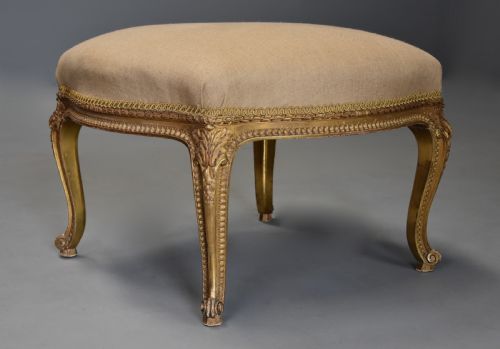
Some highly decorative examples with fine burr veneers or gilt finishes also functioned to demonstrate the taste and status of the household.
What is the difference between a bench and a window seat?
A bench generally offers a freestanding seat intended for hallways or general rooms, often constructed entirely of timber. A window seat is proportioned specifically to fit within a window alcove and frequently incorporates upholstered padding.
Both forms share mid-nineteenth-century origins but serve distinct spatial functions within domestic architecture.