


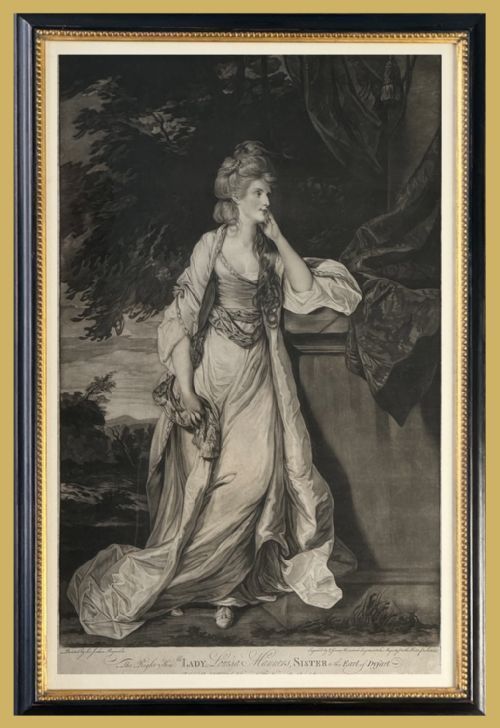
Mezzotint Portrait Print
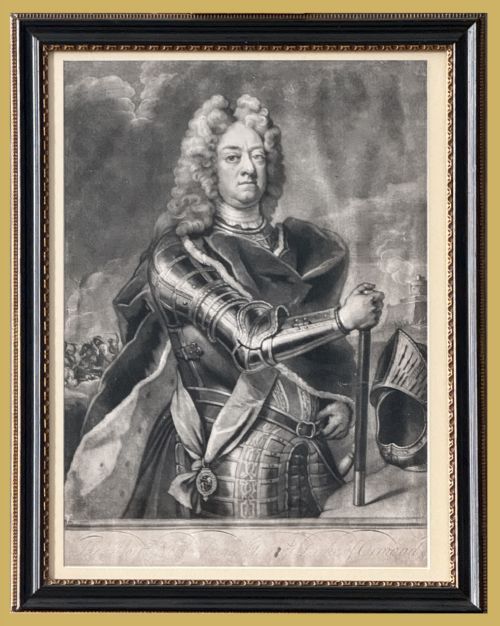
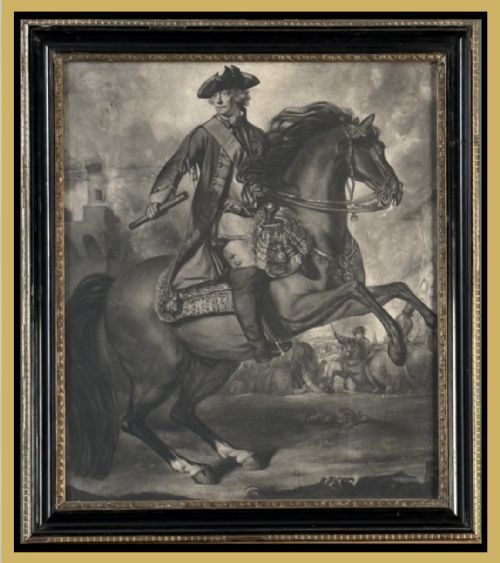
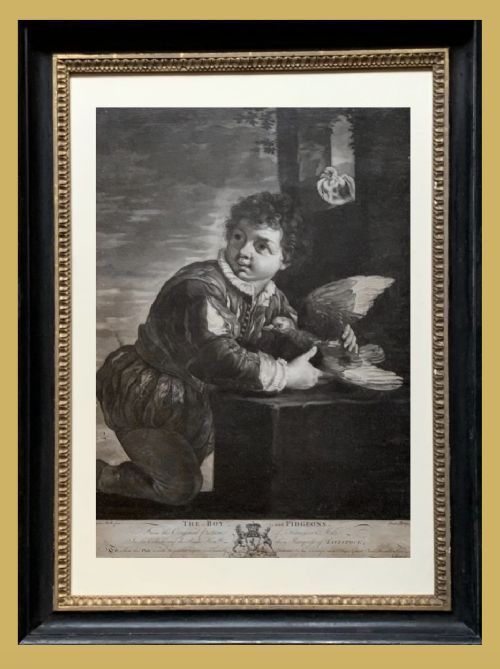
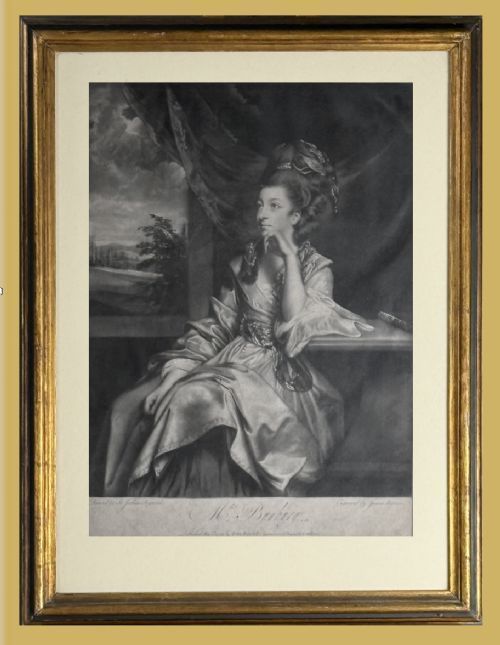
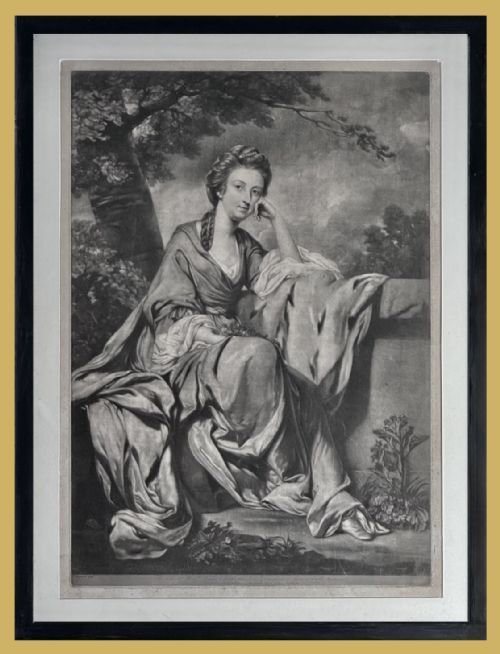
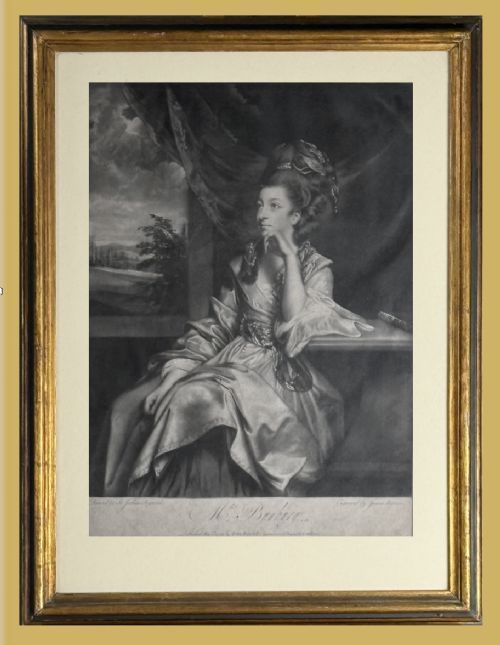
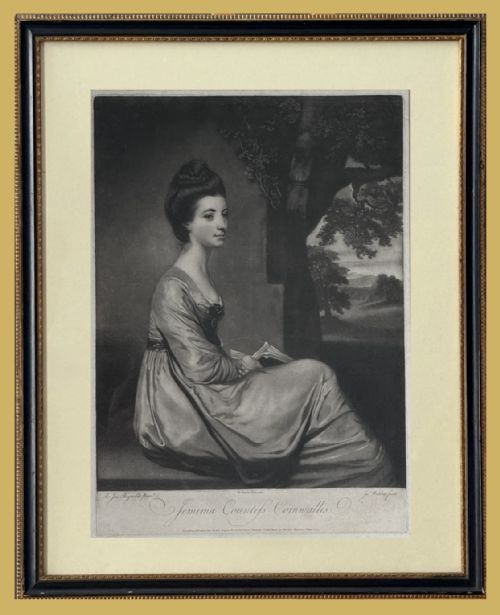
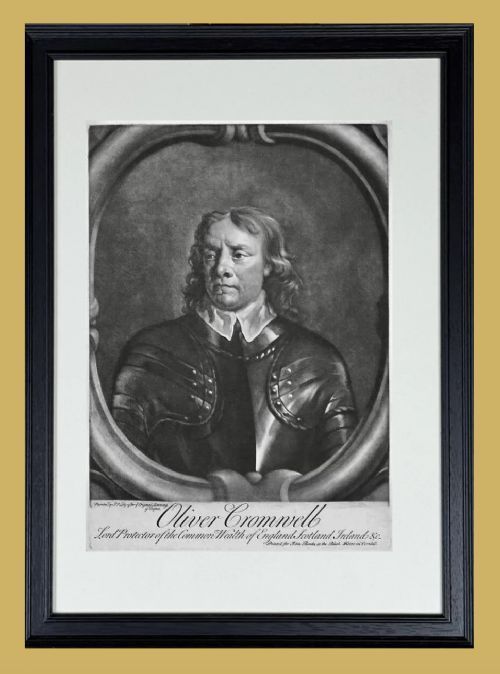
A mezzotint portrait print offers rich tonal depth and velvety shadows, capturing the likeness of historical figures through an intricate copperplate technique.
Mezzotint Portrait Print
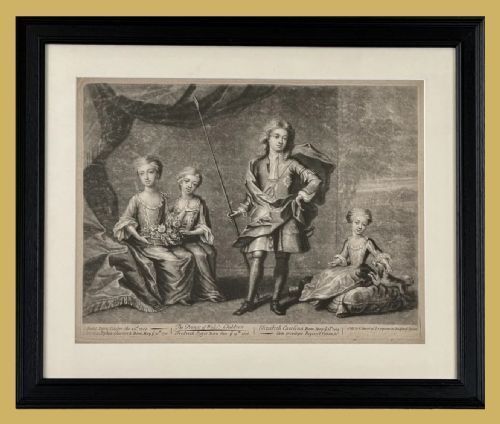
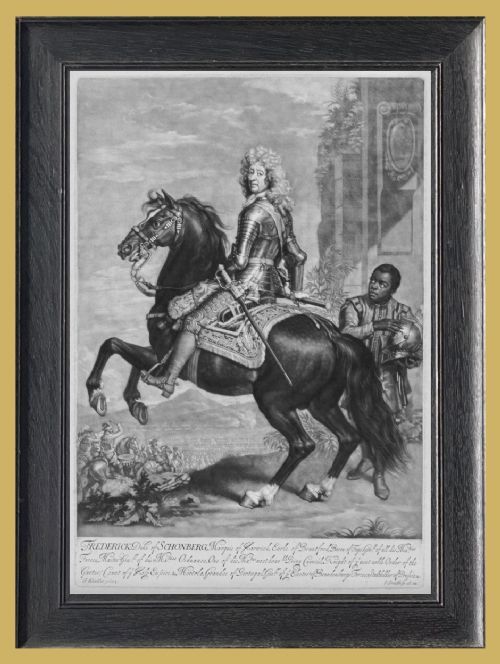
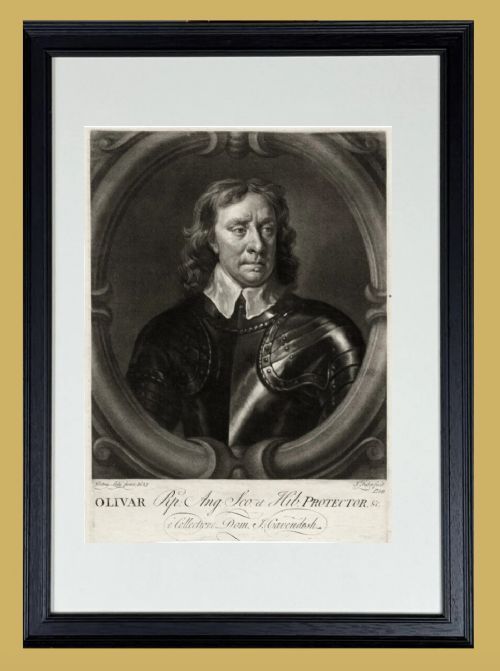
A mezzotint portrait print presents subjects from the seventeenth, eighteenth, and nineteenth centuries, often framed in period wood or gilt moulding. These works frequently depict nobility, royals, and notable public figures rendered with striking atmospheric depth.
Buyers encounter examples originating from British printmaking traditions, spanning eras from the Baroque through the Georgian period. The subjects commonly derive from paintings by prominent contemporary artists of their day.
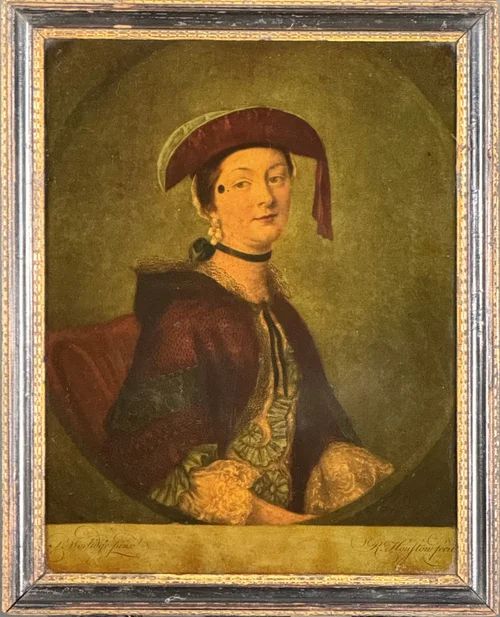
The selection ranges from standard works on paper to reverse painted variations set behind glass. Such diversity allows collectors to choose between traditional inked impressions and unique glass surfaces.
Materials and Technique
Makers prepare a copper plate by roughening its surface uniformly with a rocker tool to create a dense burr that holds ink. Scraping and burnishing away areas of this burr then produces lighter tones and highlights.
Printing relies upon quality paper pressed onto the inked copper plate using specialised machinery, transferring rich ink applications. Artisans occasionally employ glass as the base for reverse painted mezzotints, sealing the pigment visually from the front.
Listings span multiple eras from the seventeenth century through the twentieth century, utilising paper, glass, gold leaf, and oil paint.
Assessing Quality
The clarity of the tonal transition from deep blacks to soft highlights dictates the visual power of an impression. Plates that experience heavy usage lose their fine burr, resulting in flatter and less nuanced prints.
The pairing of the original artist and the mezzotint engraver influences desirability among collectors. Preservation of the surrounding paper margins and the integrity of the period frame contribute to the overall physical condition.
John Simon·Edward Fisher·John Boydell·James Watson·John Smith·Charles Spooner·Valentine Green·Richard Houston·Sydney Wilson
The Mezzotint Portrait Print Glossary
- Mezzotint
- A printmaking process where a textured copper plate is scraped to create tones ranging from deep black to delicate light. This method avoids harsh lines in favour of smooth, velvety gradients.
- Rocking tool
- A curved, notched blade rolled across a copper plate to raise a burr that holds ink evenly. This foundational step ensures the printed areas achieve rich dark tones.
- Burnishing
- The act of smoothing down the roughened copper plate to lighten specific areas during preparation. Master engravers use this technique to generate highlights and facial expressions.
- Reverse painting
- A method where the image is applied directly onto the back of a glass panel to be viewed from the front. This technique produces a glossy, luminous surface finish.
- Artist proof
- An early impression printed before the main edition to allow the creator to review the work. These impressions carry particular significance for collectors.
Mezzotint Portrait Print: Frequently Asked Questions
How do I care for a mezzotint print?
Keep the framed artwork away from direct sunlight to prevent the ink and paper from fading over time. Maintaining a stable indoor environment protects both the paper fibres and the original wooden frame.
Avoid hanging pieces in damp spaces such as kitchens or bathrooms where moisture can damage the paper or glass components. Gentle dusting of the frame with a dry cloth is sufficient for routine maintenance.
What is a reverse painted mezzotint?
A reverse painted mezzotint involves applying the design directly onto the rear surface of a glass panel. This technique creates a distinctive glossy appearance when viewed from the front.
These pieces often date to the eighteenth century and require careful handling due to the delicate nature of the glass support. They provide an alternative visual texture compared to traditional works on paper.
How are periods identified?
Periods are determined through a combination of costume details, sitter identification, and the style of the accompanying period frame. Inscriptions on the lower margin often supply the dates of the sitter or the publication year.
Reference to the original painter and engraver also helps narrow down the decade of production. Stylistic markers align the print with artistic movements such as the Georgian era or the Baroque period.
Are these prints originals?
These works are original antique prints produced during the historical periods indicated rather than modern reproductions. Master engravers created them using period printing methods from the seventeenth through the nineteenth centuries.
Each impression reflects the physical wear and characteristics of historical printmaking shops. The inclusion of period framing further testifies to their age and historical context.