

Metal Single Bedstead
A metal single bedstead brings clean structure and enduring utility to a bedroom, combining sturdy iron and polished brass.
Metal Single Bedstead
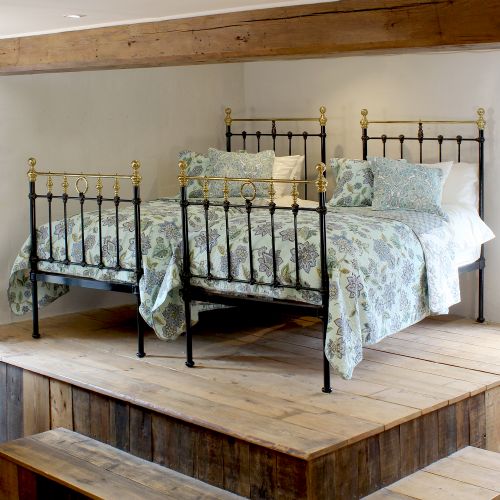
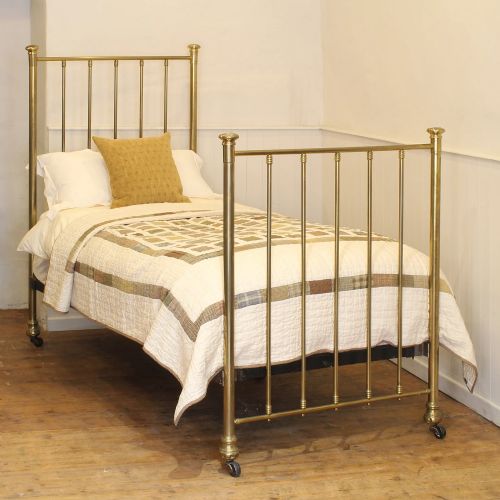
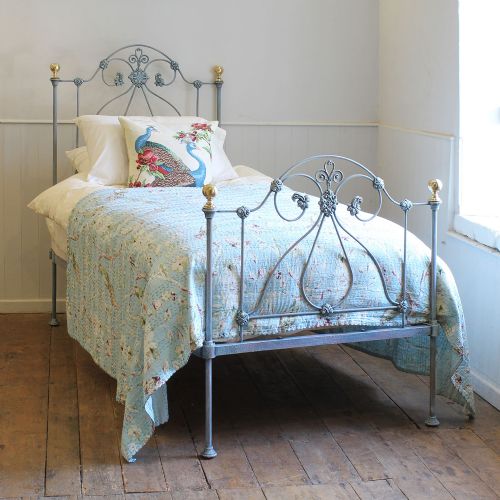
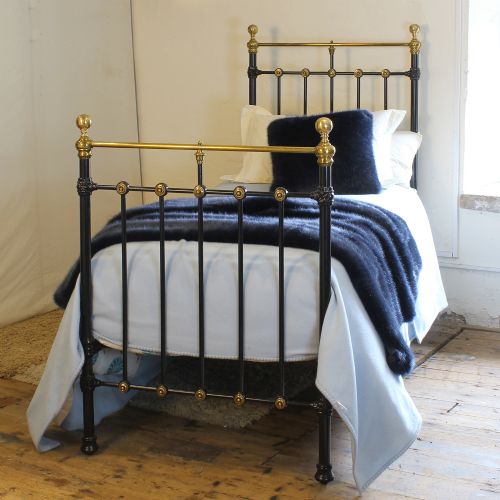
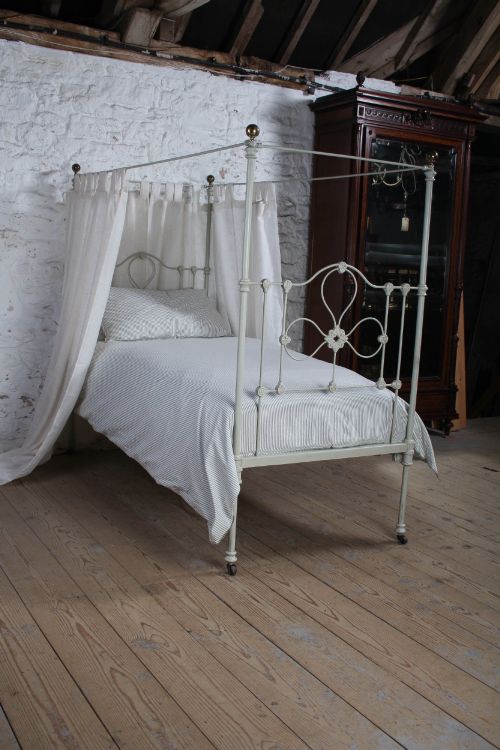
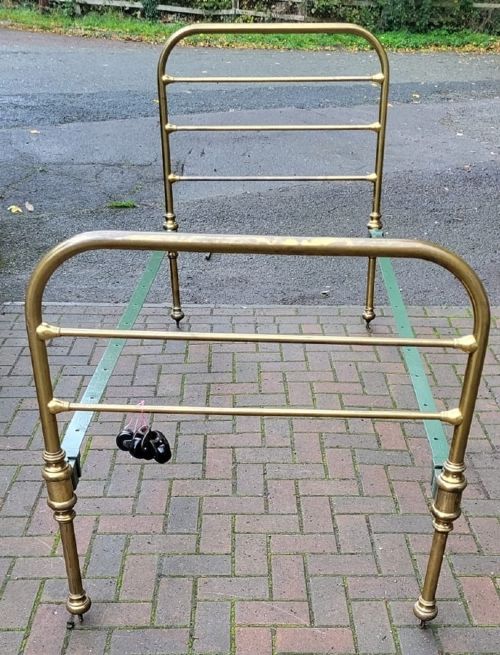
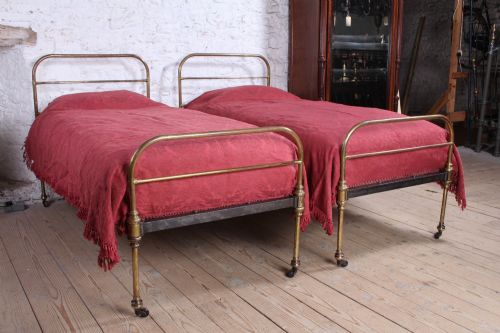
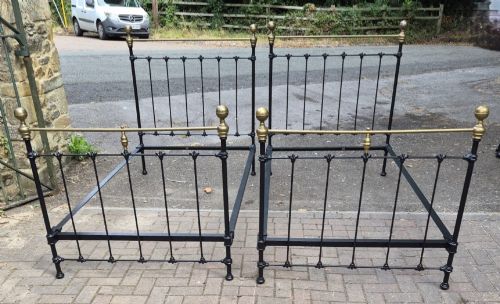
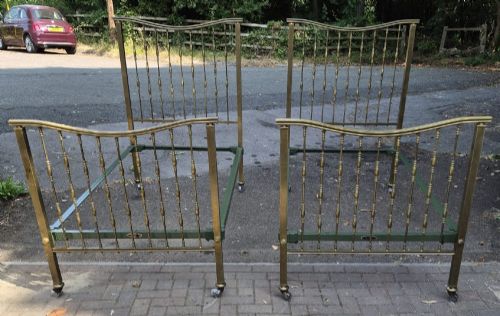
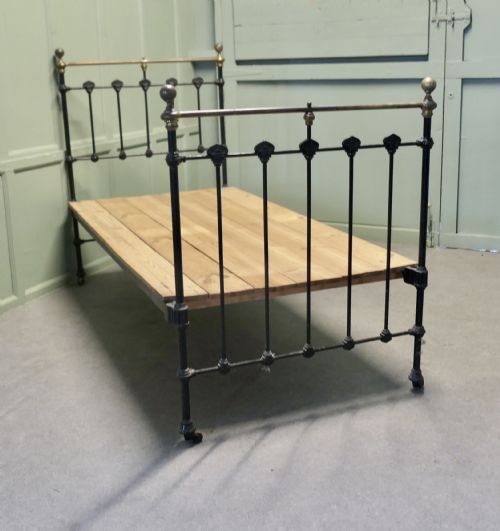
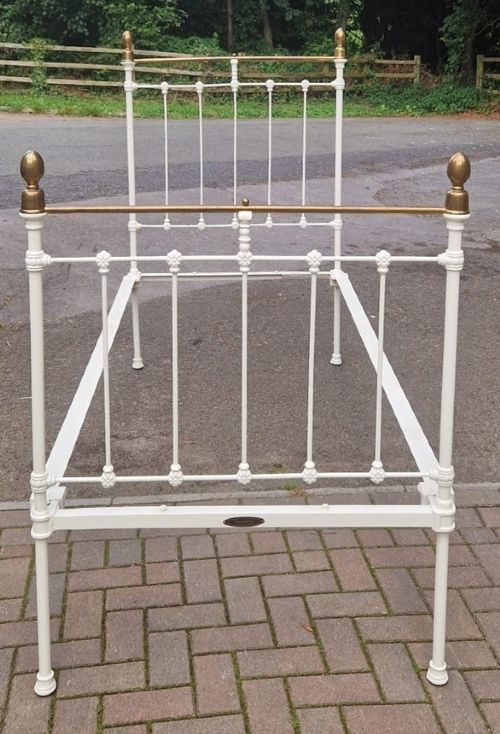
When searching for a metal single bedstead, you encounter frames primarily originating from the Victorian, Edwardian, and nineteenth-century periods. These single beds and bed frames appear in various forms, including all-brass constructions, iron frames with brass finials, and painted finishes.
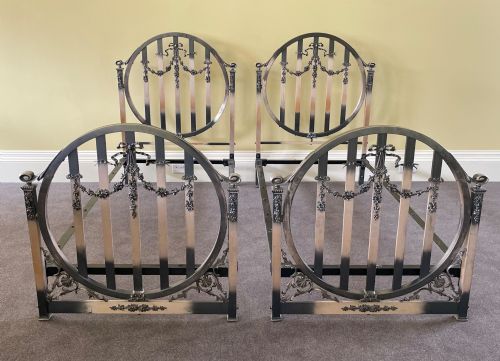
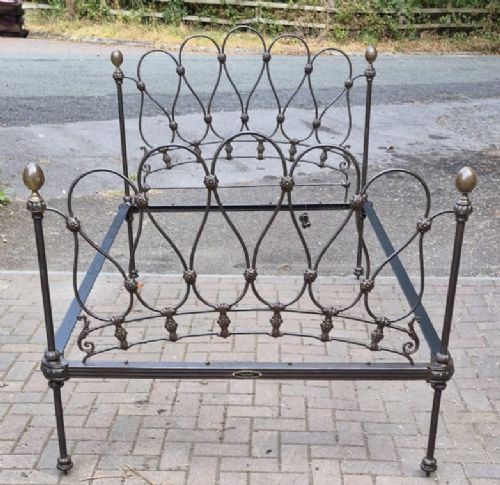
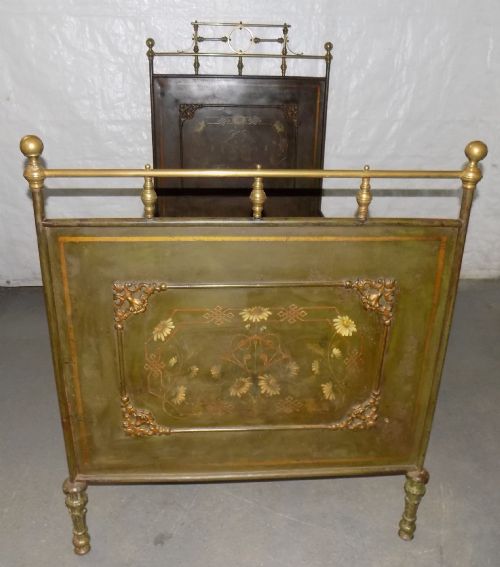
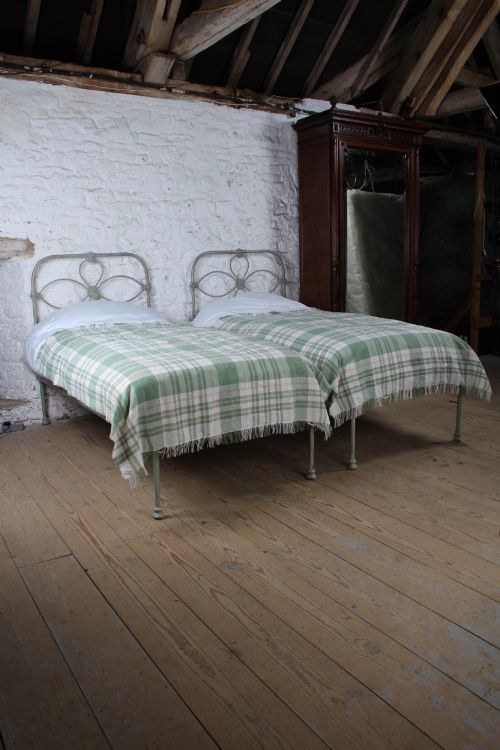
The selection ranges from simple iron frames to ornate pieces featuring hoop details or toleware finishes. Many examples survive as matched pairs designed to join together or stand independently in smaller rooms.
Materials and construction
Makers utilised cast iron, wrought iron, and steel for the core structural framework of these beds. Brass components, including tubing and decorative castings, were then integrated to provide contrast and visual warmth.
Surfaces were often finished with paint, black or cream coloration, or nickel plating to protect the metal and suit contemporary interior tastes. Hand forging and specialised metal-working techniques ensured sturdy joints that withstand centuries of use.
Listings feature pieces spanning from the 1850s through to the 1920s, demonstrating the evolution of single bed design across eras.
Assessing quality
Quality in these beds rests upon the weight and integrity of the metal castings and the precision of the joinery. Superior examples display crisp detailing on brass ornaments and substantial iron frames that feel solid rather than hollow.
The distinction between standard utility pieces and finer work also lies in the balance of proportions and the retention of original finishes, such as unpolished brass or carefully applied early paint.
Hoskins & Sewell·R W Winfield·Shoolbred
The Metal Single Bedstead Glossary
- Bedstead
- The framework of a bed, comprising the headboard, footboard, and side rails. This term specifically refers to the structural skeleton rather than the mattress or bedding.
- Cast iron
- Iron poured into a mould to create rigid structural or decorative components. It provides heavy stability to nineteenth-century bed frames.
- Wrought iron
- Iron beaten or rolled into shape while hot, valued for its malleability and strength. It allows for slender, resilient structural members.
- Toleware
- Enamelled or lacquered metalware, often decorated with painted designs. It appears on specific continental bed frames from the nineteenth century.
Metal Single Bedstead: Frequently Asked Questions
What mattress size fits these antique frames?
These historical pieces generally accommodate standard single or small single mattresses, though exact dimensions can vary slightly from modern manufacturing standards. It is prudent to check the precise width and length measurements provided in the listing.
Custom mattresses can be ordered if the frame dimensions deviate from contemporary sizing norms.
How do I care for brass and iron frames?
Routine maintenance involves dusting with a soft cloth and avoiding abrasive cleaners that might strip historical finishes. Unlacquered brass may require occasional gentle polishing if you prefer a bright shine rather than a natural aged patina.
Painted iron surfaces simply need a dry wipe to keep the finish intact over decades of daily use.
How do I distinguish Victorian from Edwardian frames?
Victorian frames often display heavier cast iron components, robust brass decorations, and sometimes more ornate or rustic stylistic influences. Edwardian examples frequently lean towards lighter visual weights, simpler profiles, or nickel-plated surfaces.
Design motifs such as Art Nouveau curves also help pinpoint the transition from nineteenth-century styles into the twentieth century.