


Metal Figurine Sculpture
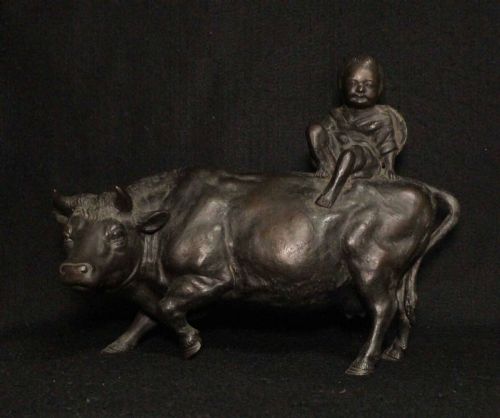
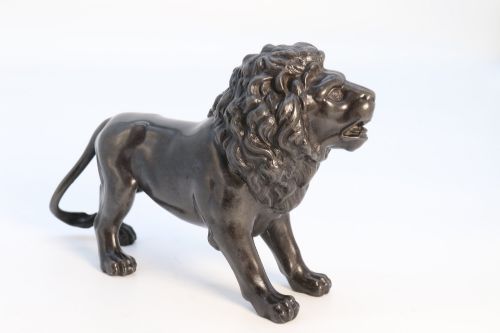
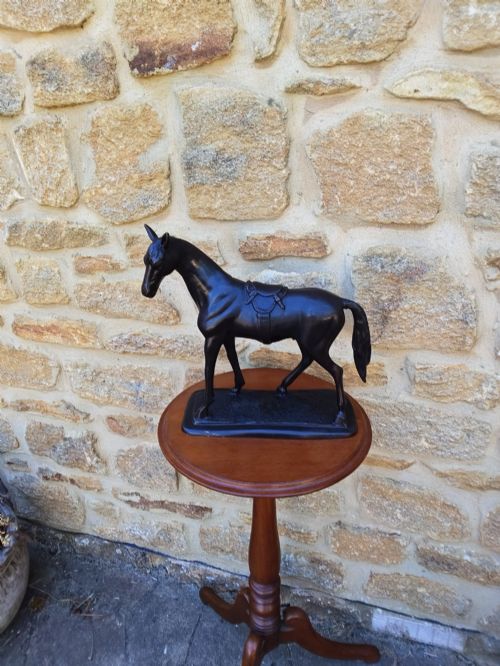
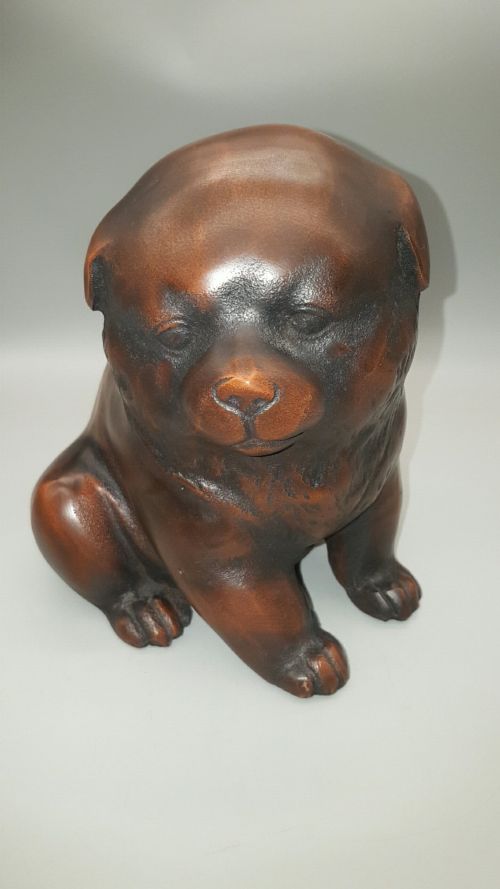
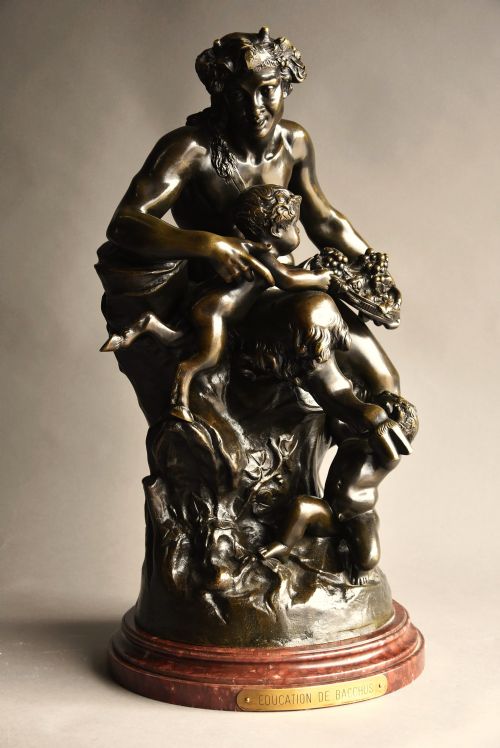
A metal figurine sculpture captures human, animal and mythological subjects in cast and patinated metals across multiple centuries.
Metal Figurine Sculpture
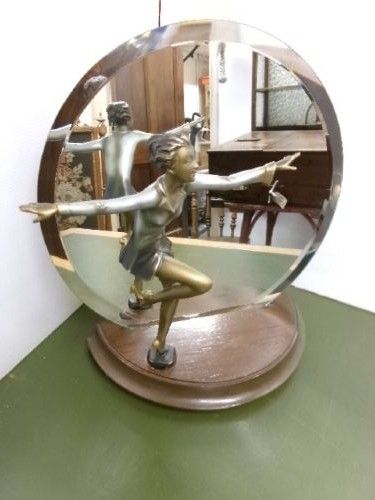
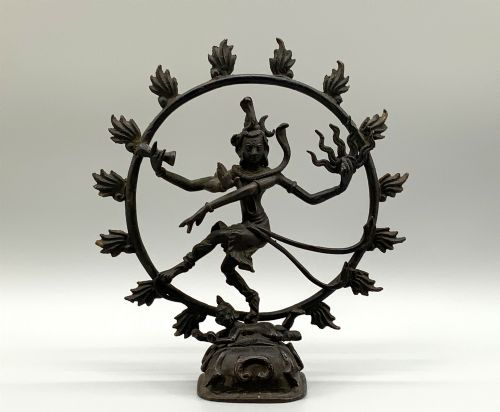
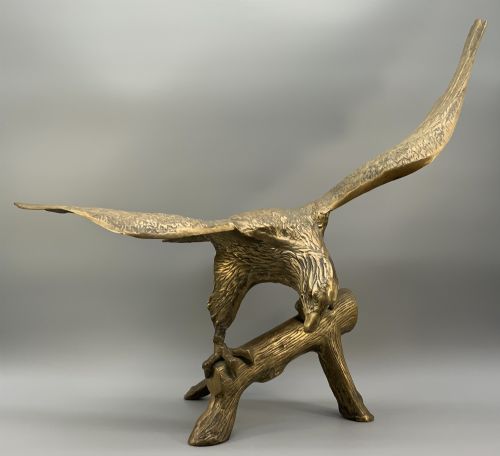
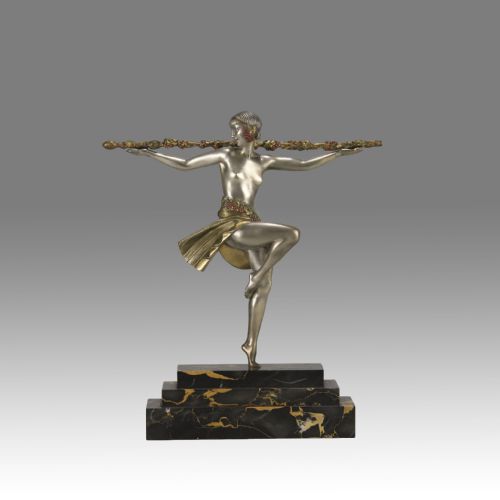
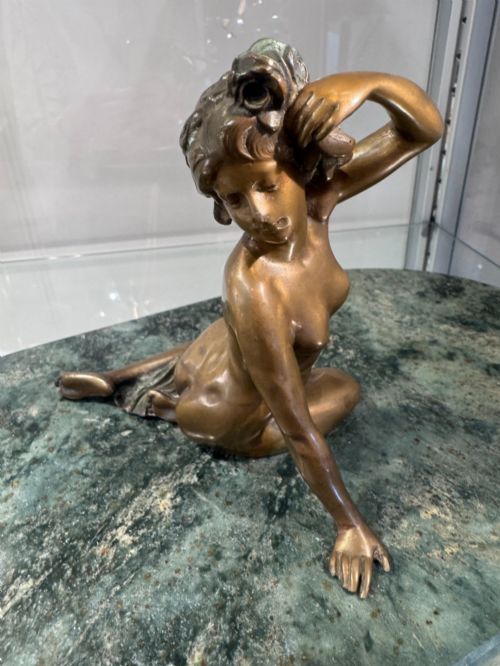
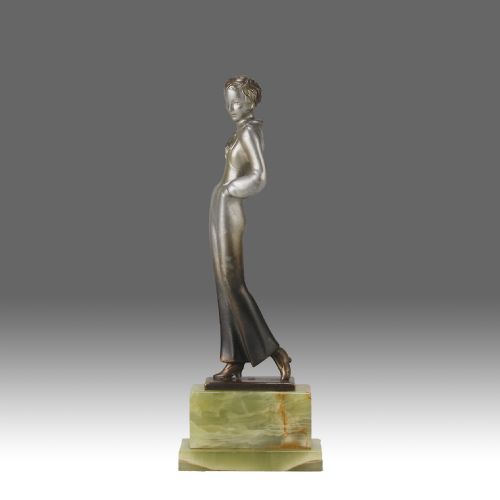
A metal figurine sculpture ranges from small cabinet bronzes and animalier studies to larger figures set on marble or onyx plinths. When you search for metal figurine sculpture, you encounter diverse forms spanning classical figures, Art Deco dancers, Japanese okimono and animal subjects.
The selection includes work from the seventeenth century through to the mid-twentieth century, with strong representation from nineteenth-century French foundries and Art Deco European studios. Pieces function as desk accessories, decorative objects and freestanding statues.
Makers and foundries utilised various base metals and alloys, mounting smaller studies on stone bases or casting them as single integrated compositions.
How they were made
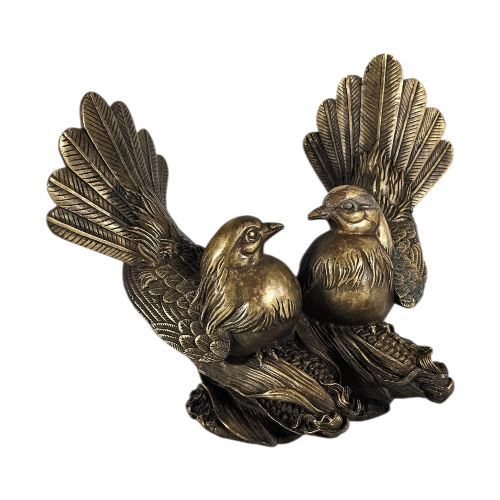
Foundries cast these pieces primarily in bronze, brass, spelter, and pewter, often applying cold-painted enamels, silver plating or gilt finishes to the metal surface. Bronze and brass examples utilise traditional lost-wax casting techniques, allowing for fine anatomical and textural detail.
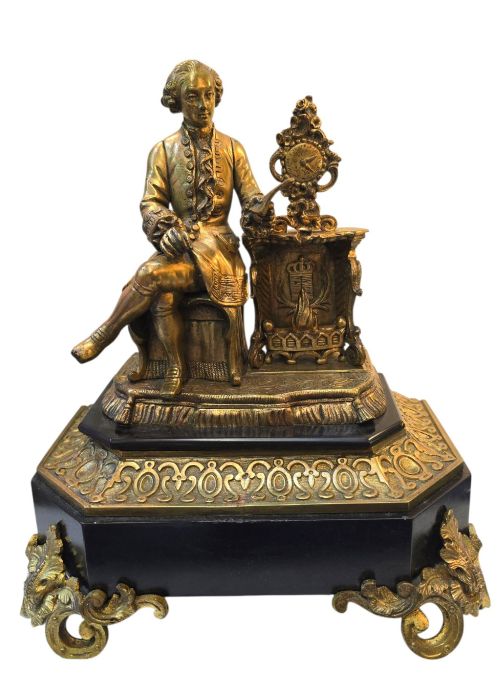
Spelter, a zinc-based alloy common in Art Deco figures, provides a lighter alternative to bronze and frequently carries painted or metallic surface treatments. Many figures incorporate mixed-media elements, mounting metal castings onto marble, onyx, wood or carved hardwood bases.
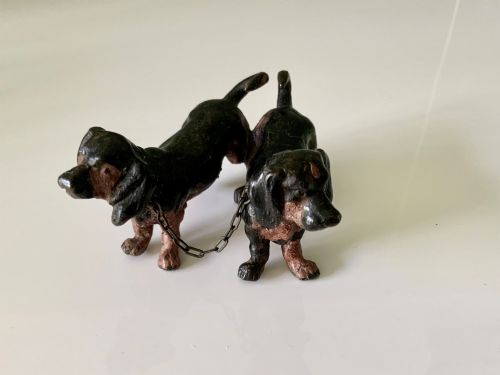
A life-size bronze crocodile measuring nearly three metres long waits alongside miniature bronze Dachshunds and scholar monkeys.
What varies in quality
Surface patination and the preservation of original cold-painted finishes heavily influence the character of a piece. Integrated bases, such as matching marble or onyx plinths, and clear signatures or foundry marks demonstrate higher workshop standards.
Pierre le Faguays·Josef Lorenzl·Frederic Remington·Christophe Fratin·Henri Godet
The Metal Figurine Sculpture Glossary
- Animalier
- A nineteenth-century artistic movement focusing on the realistic depiction of animals, particularly predators, horses and hounds. Animalier sculptors studied anatomy directly from life, often working in bronze.
- Spelter
- A zinc-based alloy utilised as an economical substitute for bronze, particularly during the Art Deco period. Spelter figures are softer and lighter than bronze and typically require painted or plated finishes.
- Cold-painted bronze
- A technique where paint is applied to a finished bronze sculpture without heat firing. This method allows for vivid coloration on garments, birds and decorative surfaces.
- Okimono
- A Japanese decorative carving or casting designed for display on a tabletop or in a alcove. Meiji period examples frequently combine mixed metals to depict figures, scholars and animals.
- Patina
- The surface coloration and sheen developed naturally over time or applied chemically by the foundry. A stable patina protects the underlying metal and adds depth to sculptural contours.
Metal Figurine Sculpture: Frequently Asked Questions
How do I clean a bronze sculpture?
Dust the surface gently with a soft, dry brush to remove particles without disturbing the underlying patina. Avoid chemical cleaners, water or abrasive cloths that can strip historical finishes from the metal.
Applying a very light coat of microcrystalline wax can protect bronze surfaces from moisture in the air. Buff the wax gently after application to maintain a soft, stable sheen.
What is the difference between bronze and spelter?
Bronze is a copper and tin alloy prized for its strength, durability and capacity to hold fine casting detail. Spelter is a softer, zinc-based alloy that is lighter in weight and more fragile.
Spelter pieces often rely on painted or metallic surface treatments to imitate bronze. Examining the base or an inconspicuous underside often reveals the lighter, grey metal beneath worn paint.
How do I identify an Art Deco figure?
Art Deco figures typically feature stylised geometries, streamlined forms and subjects such as dancers, athletes and sleek animals. Materials frequently include spelter on onyx bases or cold-painted bronze.
Signatures from designers such as Josef Lorenzl or Pierre le Faguays frequently appear on the base or plinth. Stylistic cues include flowing drapery, bobbed hairstyles and dynamic poses.
Why are some figures mounted on marble?
Marble and onyx plinths provide structural stability for cantilevered figures and elevate the visual presence of the sculpture. Heavy stone bases prevent top-heavy compositions from tipping over on desks or mantelpieces.
During the Art Deco period, contrasting coloured marbles were selected to complement the metallic finishes of the figures above them. The integration of stone and metal is a hallmark of quality production.