

Antique Sculpture on Base
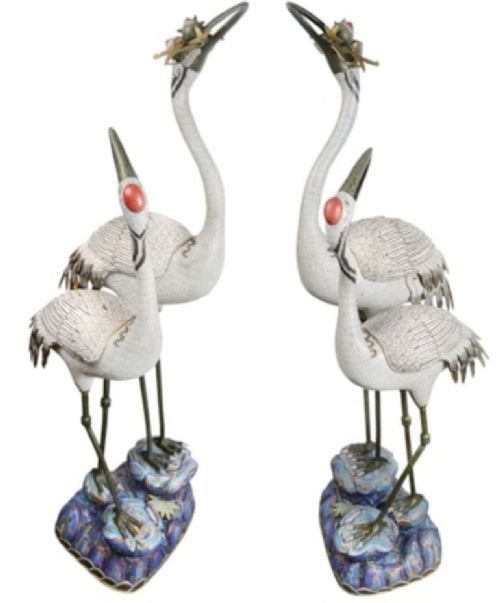
These antique sculpture on base pieces bring character and tactile weight to a room, spanning delicate animalier studies to large figures mounted on stone plinths.
Antique Sculpture on Base
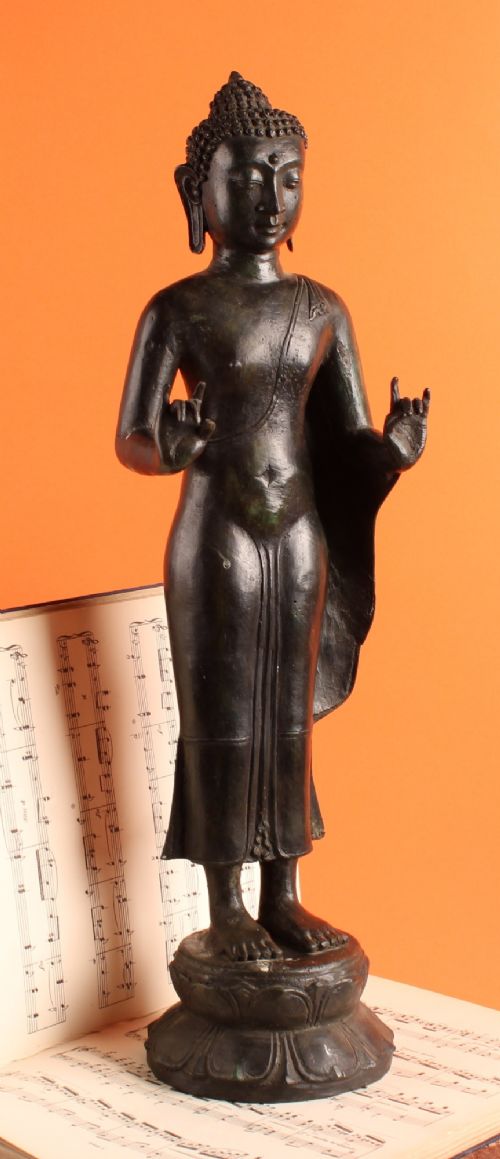
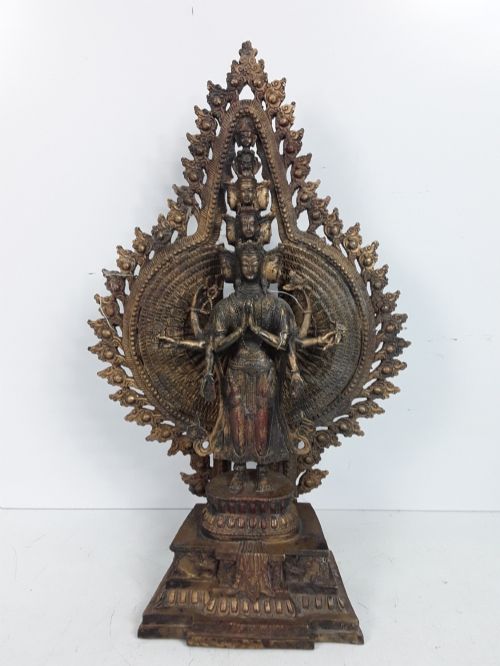
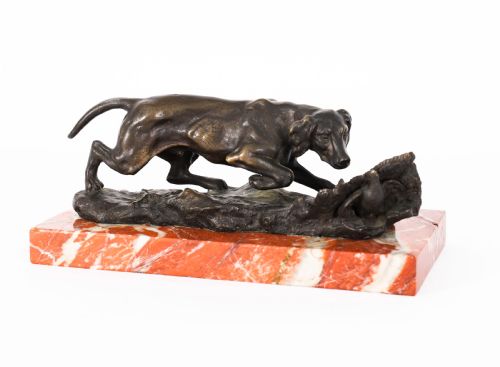
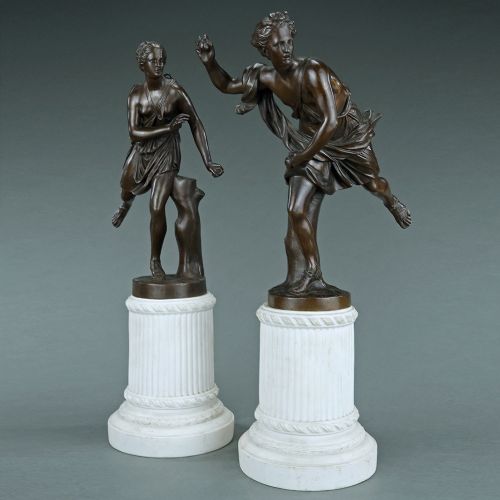
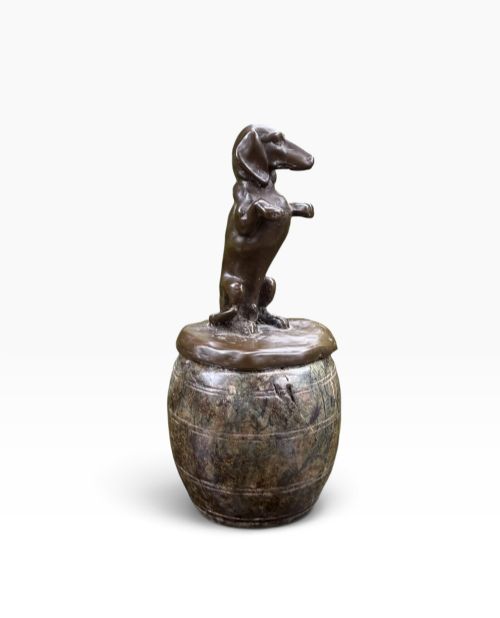
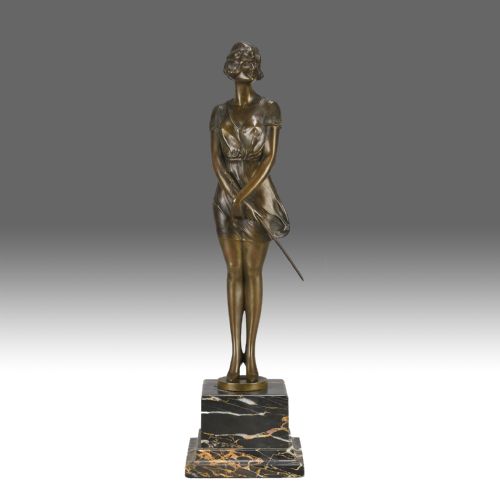
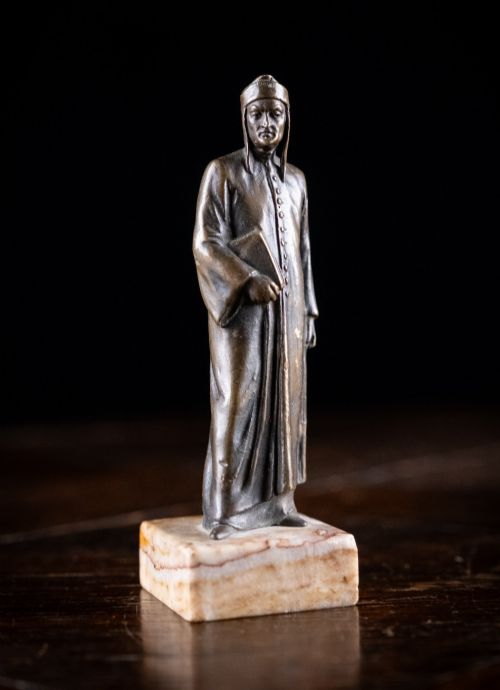
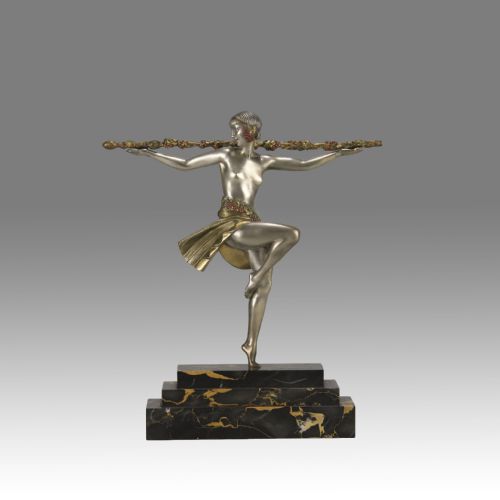
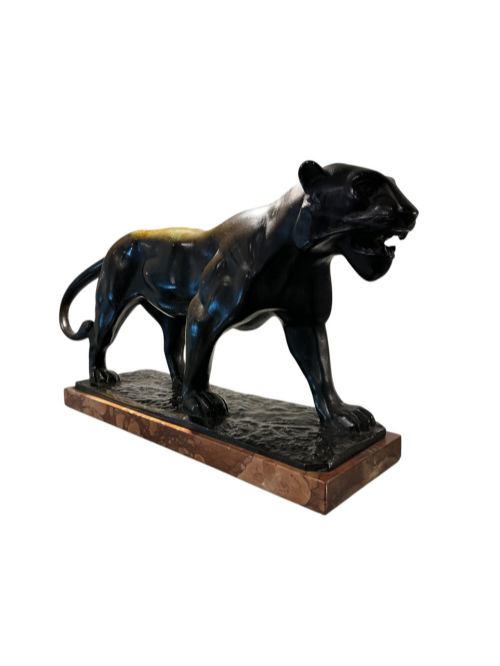
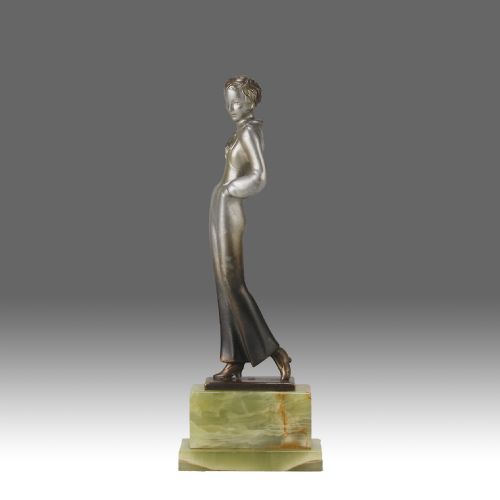
When searching for an antique sculpture on base, buyers encounter a wide variety of figures, animals, and busts created to stand independently on tables, desks, or mantelpieces. The most common examples combine a cast metal figure fixed directly onto a heavy stone plinth, such as dark marble, fossil marble, or onyx, which provides stability and visual contrast.
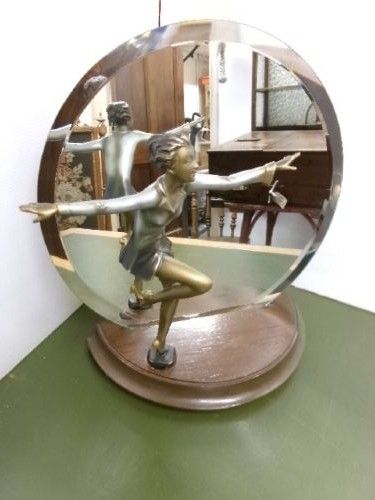
The selections span multiple eras, with strong representation from the nineteenth century alongside Art Deco creations from the nineteen-twenties and nineteen-thirties. Forms range from classical mythological subjects and historical portraits to stylised dancers, birds, hounds, and exotic animals.
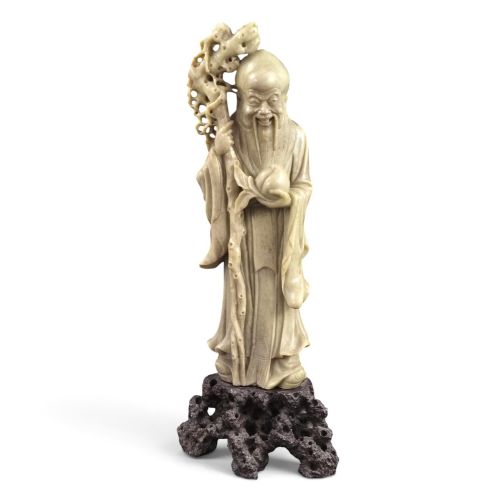
Beyond standard tabletop bronzes, listings include functional items like lamps and mantel clocks built around figural sculptures, as well as carved wooden pieces and soapstone figures mounted on naturalistic supports.
How They Were Made
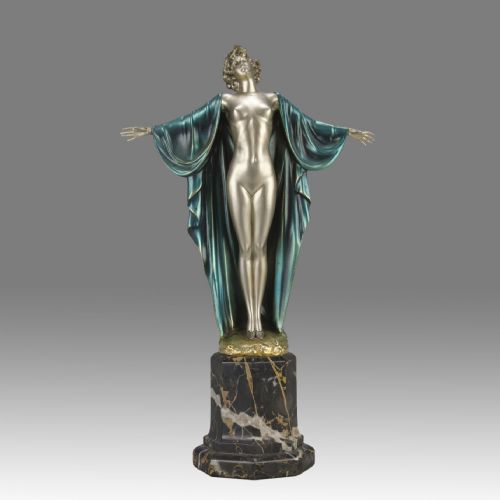
Makers relied primarily on metal casting techniques, using bronze, gilt bronze, and spelter to form the primary figures. Many twentieth-century Austrian pieces received cold-painted enamel details applied directly over the metal surface to add vibrant colour.
Mounting systems required precise fitting between the cast figure and its support. Bases were typically fashioned from quarried marble, onyx, or carved wood, sometimes secured with threaded bolts running from the underside of the stone into the feet or base of the sculpture.
Budgerigars and wise owls sit quietly alongside dancing ladies and historical figures, proving that metal birds love a good plinth just as much as humans do.
What Varies in Quality
The choice of base also dictates overall standard. Superior works feature dense, well-polished natural marbles or finely figured wood supports that complement the proportions of the sculpture, rather than generic or mismatched replacements.
Carl Kauba·Barbedienne·Bruno Zach·Pierre le Faguays·Ferdinand Preiss·Josef Lorenzl·August Moreau·Hans Müller·Emile Carlier
The Antique Sculpture on Base Glossary
- Cold-painted bronze
- Bronze figures painted with natural colours using a cold-painting technique rather than high-temperature firing. This finish appears frequently on Viennese animal figures and dancer studies from the early twentieth century.
- Spelter
- A zinc alloy utilised as an economical alternative to bronze for figural casting. It takes patination well but feels lighter and softer than true bronze.
- Animalier
- A nineteenth-century artistic style focusing on realistic depictions of animals in action or repose. These sculptures often feature hounds, stags, and big cats mounted on stone plinths.
- Grand Tour
- Souvenirs purchased by travellers on educational journeys through Europe during the eighteenth and nineteenth centuries. They frequently depict classical mythological figures or reductions of ancient architecture and sculpture.
- Torchiere base
- A decorative floor-standing or tabletop column base. In older examples, these are carved from walnut and adorned with figures such as putti.
Antique Sculpture on Base: Frequently Asked Questions
How do I clean a bronze sculpture on a marble base?
Dust the piece gently with a dry, soft-bristled brush to remove surface particles. Avoid chemical cleaners or excessive water, which can damage patinated metal or stain porous stone.
Apply a microcrystalline wax sparingly to bronze surfaces if protection is needed, buffing it gently with a clean cloth. Keep stone bases away from moisture to prevent permanent marking.
What is the difference between bronze and spelter?
Bronze is a durable copper and tin alloy that accepts detailed chasing and holds a deep, stable patina over centuries. Spelter is a softer zinc-based metal that was widely utilised for decorative figures during the nineteenth and twentieth centuries.
Bronze feels noticeably heavier and colder to the touch than spelter. Closer inspection of the underside often reveals the greyish metal beneath a worn surface finish on spelter pieces.
How can I date an antique sculpture?
Dating relies on stylistic clues, casting methods, and material choices. Art Deco pieces from the nineteen-thirties often display geometric lines and specific dancer motifs, while nineteenth-century works frequently favour classical or animalier subjects.
Signatures, foundry marks, and the type of marble used for the base also offer reliable chronological indicators. Comparing the piece with documented works by known makers helps narrow down the period.
Are these sculptures attached permanently to their bases?
Most sculptures are secured to their stone or wood plinths using threaded rods or pins running through the base. This method keeps the heavy metal figure stable during display.
While some bases are original to the sculpture, others may have been replaced or paired together later in the life of the object. Check the underside of the plinth to understand how the two elements connect.