


Classical Bronze Artwork
Classical bronze artwork encompasses sculptural figures and reliefs cast from metal, offering enduring historical subjects and refined interior decoration.
Classical Bronze Artwork
Classical bronze artwork comprises cast metal figures, portrait busts, and relief panels that draw upon historical, mythological, and allegorical subjects. These objects range from mythological figures like Mercury and Diana to allegorical groupings and portrait studies of notable individuals.
The pieces represented in this selection span the nineteenth century into the twentieth century, encompassing Victorian creations, French neoclassical interpretations, and Grand Tour souvenirs. Collectors encounter monumental statues alongside smaller cabinet figures and wall plaques.
Foundational forms include free-standing sculptures of human figures, pairs of portrait busts, and repousse shields or copper reliefs. The material execution frequently combines cast metal with marble plinths or gilded wood mounts to enhance the display.
Materials and casting methods
The primary material is bronze, frequently finished with a deliberate patinated surface or applied bronze coating over copper to achieve varied tonal depth. Artisans also utilised plaster, cast iron, marble, and oil paint for associated plaques and supports.
Manufacturing methods rely upon traditional foundry casting techniques, where molten metal is poured into moulds to capture intricate anatomical details and drapery. Secondary chasing and hand-finishing refine the surface texture before patination is applied.
The documented object types range from full bronze sculptures and portrait busts to oil paintings, wall plaques, and isolated sculptural fragments.
Assessing execution and detail
The depth and consistency of the patination significantly influence the visual success of the piece, as well as the quality of any associated marble bases or secondary mountings. Finer works display deliberate tonal variation that highlights the musculature and contours of the subject.
Emile Louis Picault·Antonio Merente·Sir Thomas Brock·Auguste Moreau·Leonhard Posch·Carrier Belleuse·Francisque Joseph Duret·Eugene Laurent
The Classical Bronze Artwork Glossary
- Patinated bronze
- Bronze treated with chemical solutions to produce a specific surface colour, ranging from deep brown to green. This treatment protects the metal and defines the sculptural shadows.
- Grand Tour
- A traditional trip through Europe undertaken by upper-class young men in the eighteenth and nineteenth centuries. Travellers frequently acquired small bronzes and classical antiquities as souvenirs.
- Repousse
- Metalworking technique in which a malleable sheet of metal is hammered from the reverse side to form a raised design. This process creates low-relief panels and decorative shields.
- Bust
- A sculpted representation of a person from the chest up, typically mounted on a plinth. These often depict historical figures, literary characters, or private individuals.
- Plaque
- A flat ornamental slab, often made of porcelain or metal, designed for wall hanging or mounting. They frequently feature painted or cast figural scenes.
Classical Bronze Artwork: Frequently Asked Questions
What is classical bronze artwork?
Classical bronze artwork consists of metal sculptures and reliefs inspired by antiquity, mythology, and historical figures. These pieces were predominantly produced during the nineteenth century and the Victorian era.
Such works include freestanding statues, portrait busts, and decorative wall plaques. They often incorporate patinated surfaces and sit upon marble bases.
How were these bronze sculptures displayed?
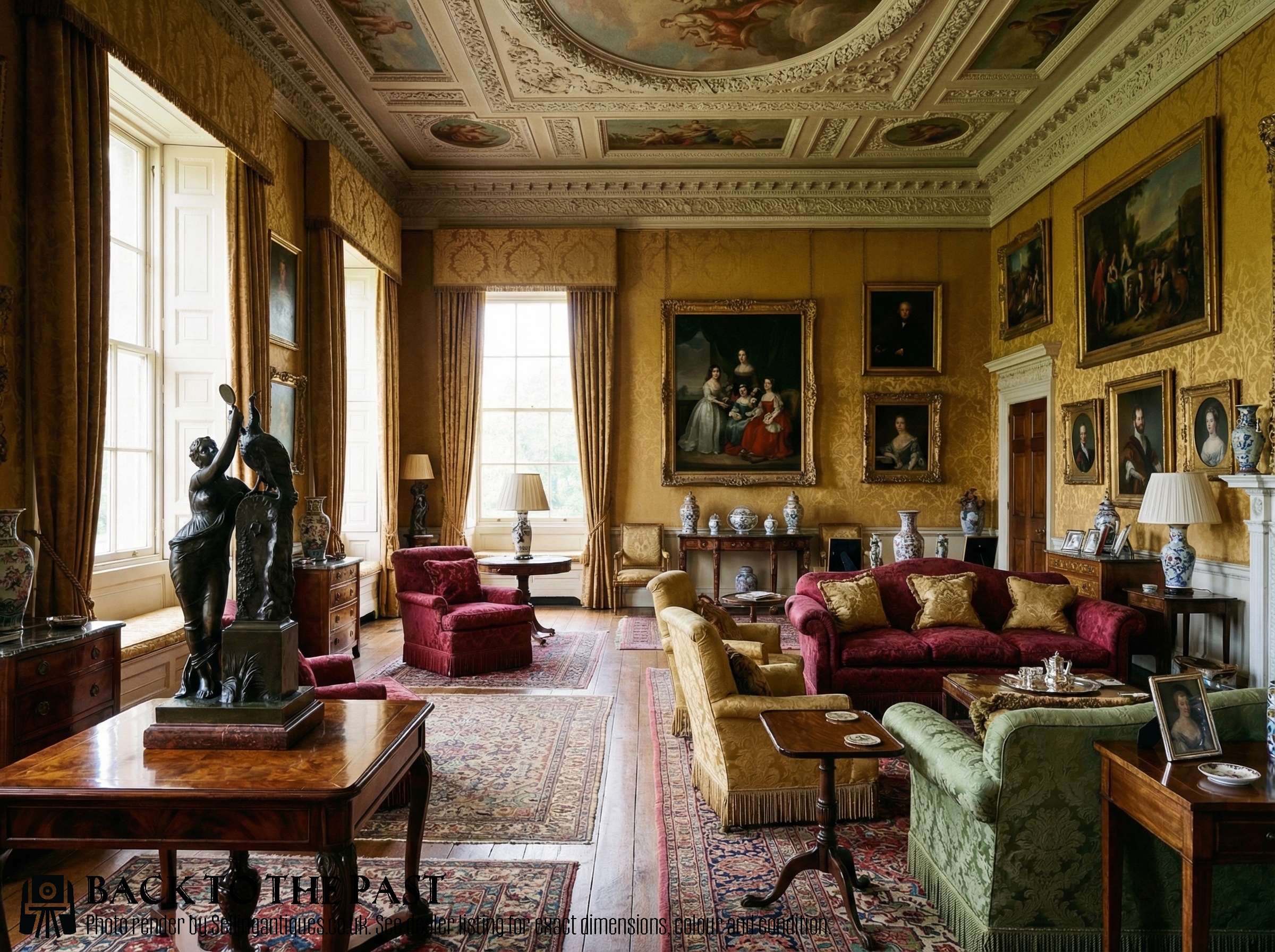
These sculptures were designed for interior display on mantelpieces, pedestals, and library tables. Larger examples served as focal points in nineteenth-century drawing rooms and halls.
Wall reliefs and plaques were hung directly on walls or mounted on wood stands. Their varied scale allowed them to integrate into diverse domestic interior schemes.
How do I care for antique bronze?
Antique bronze requires gentle dusting with a soft, dry cloth to prevent the accumulation of grit. Avoid using abrasive cleaning agents or harsh chemicals that can strip the patinated surface.
Maintaining a stable indoor humidity level helps protect any integrated materials like marble bases, wood mounts, or oil paint elements. Professional conservation is advised for deep cleaning.
How can I identify the period?
Period identification relies on stylistic cues, casting techniques, and foundry marks or signatures inscribed on the base. Nineteenth-century works frequently reflect neoclassical or realist movements.
Subject matter also aids dating, as Grand Tour souvenirs and specific Victorian portrait subjects align with documented historical eras. Comparing the patina and wear patterns provides further temporal context.