




Meissen Style Figures
Meissen style figures bring European porcelain tradition into a room, offering elaborate painted detail and historical character that collectors prize for display.
Meissen Style Figures
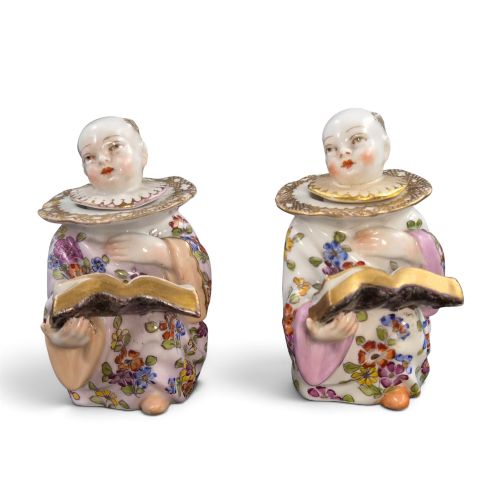
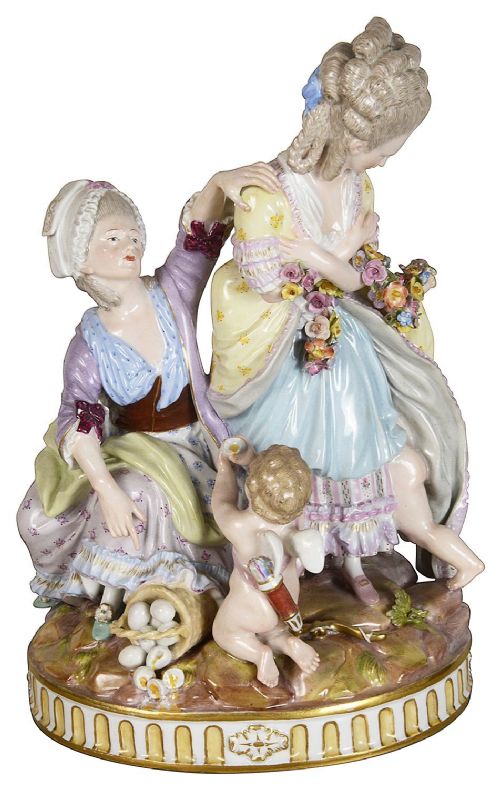
When you search for meissen style figures, you encounter porcelain figurines, decorative figures, candelabra, inkwells, centrepieces, and groups dating from the eighteenth century to the early twentieth century. The selection spans nineteenth-century pieces alongside eighteenth-century works, often grouped in pairs or sets like the Four Seasons.
Most items you meet on this page belong to the nineteenth century, reflecting revival movements such as Rococo Revival, Chinoiserie, and Victorian tastes. Subjects range from romantic groups and dancing angels to street vendors, musicians, children in gardens, and mythological subjects like the Drunken Silenus.
Makers and factories represented include Meissen, Edmé Samson, Dresden, Helena Wolfsohn, and Sitzendorf. These pieces serve as decorative centrepieces or functional items like candelabra and inkwells, capturing theatrical and domestic scenes in glazed ceramic.
Materials and manufacture
These pieces rely on hard-paste porcelain shaped into complex figurative groups and individual characters. Artisans utilised enamel paints to render intricate polychrome garments, facial expressions, and naturalistic garden settings.
Surface enrichment often includes gold leaf, gilding, and gold gilt highlights on garments and bases. Certain nineteenth-century groups integrate porcelain figures with gilt bronze or ormolu candelabra mounts.
Listings span the eighteenth century to the twentieth century, featuring hard-paste porcelain, enamel, and ormolu mounts.
Assessing quality and execution
The sophistication of the composition separates standard decorative items from superior sculptural groups. Elaborate multi-figure arrangements, such as musicians or allegorical representations, demonstrate higher technical ambition in kiln firing and assembly.
Meissen·Edmé Samson·Helena Wolfsohn·Sitzendorf
The Meissen Style Figures Glossary
- Hard-paste porcelain
- A dense, vitrified ceramic material fired at high temperatures using kaolin and petuntse. It provides a durable base for detailed porcelain figures.
- Gilding
- The application of gold leaf or gold gilt to highlight decorative elements. It adds metallic contrast to the painted porcelain surface.
- Ormolu
- Gilt bronze mounts used to frame or support porcelain figures and candelabra. This combination was popular in nineteenth-century decorative pieces.
- Rococo Revival
- A nineteenth-century design style emulating eighteenth-century asymmetry, scrollwork, and ornate curves. It frequently influences the bases and framing of these figures.
Meissen Style Figures: Frequently Asked Questions
What are meissen style figures?
Meissen style figures are porcelain sculptures and decorative groups inspired by the famous German factory, depicting people, mythological scenes, and animals.
They range from single figurines to complex candelabra and centrepieces created across the eighteenth and nineteenth centuries.
How were these figures used?
These pieces served primarily as decorative table centrepieces and mantel ornaments in wealthy European interiors.
Some objects, such as candelabra and inkwells, combined sculptural porcelain artistry with practical domestic functions.
How do I live with them?
Display these porcelain figures on stable surfaces away from direct sunlight and heavy household traffic to protect delicate enamel and gilt details.
Dust them gently with a soft brush, avoiding harsh chemical cleaners that might damage the hand-painted surfaces.
How do I tell periods apart?
Eighteenth-century originals often exhibit lighter paste and specific factory marks, whereas nineteenth-century revival pieces display heavier modelling influenced by Victorian and Rococo Revival tastes.
Examining the palette, gilding style, and any associated maker marks helps determine whether a piece is an eighteenth-century work or a later interpretation.