

Meiji Porcelain Urn
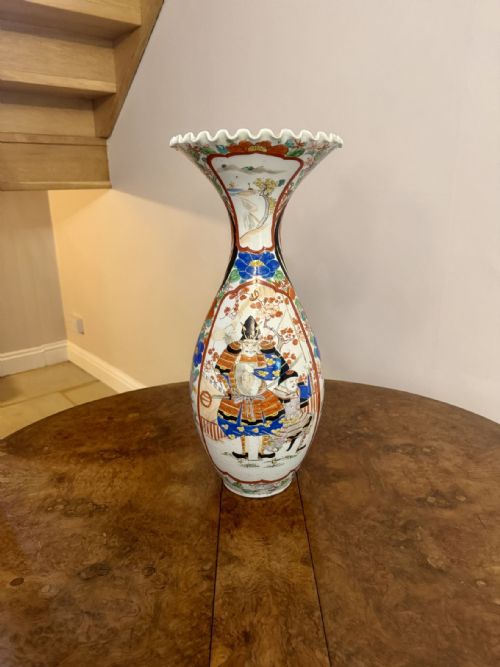
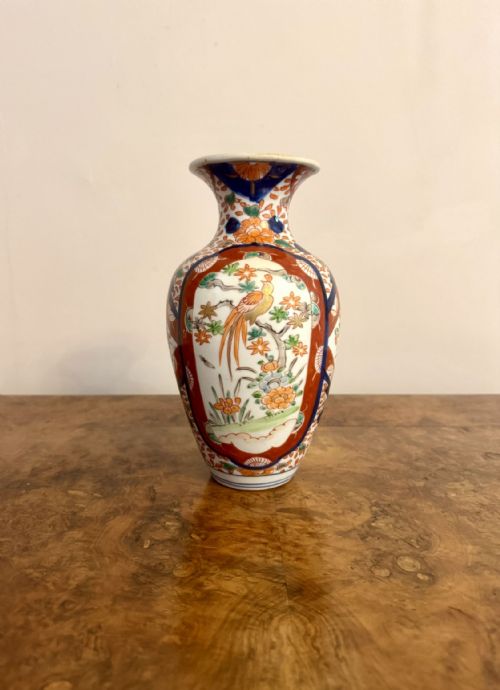
These meiji porcelain urn and vase selections bring Japanese ceramic artistry from the nineteenth and early twentieth centuries directly into British homes.
Meiji Porcelain Urn
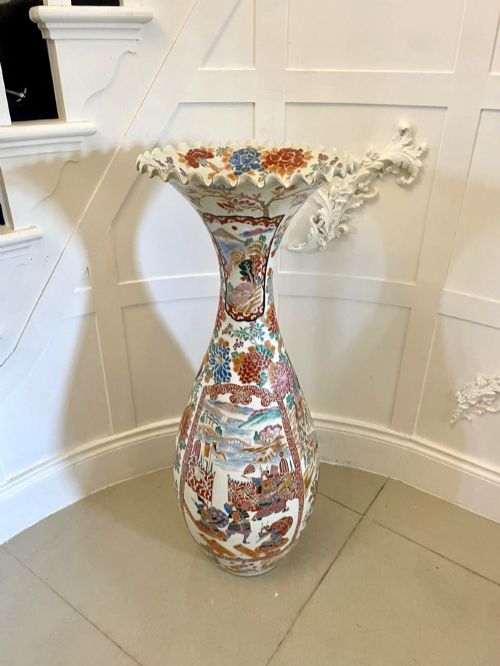
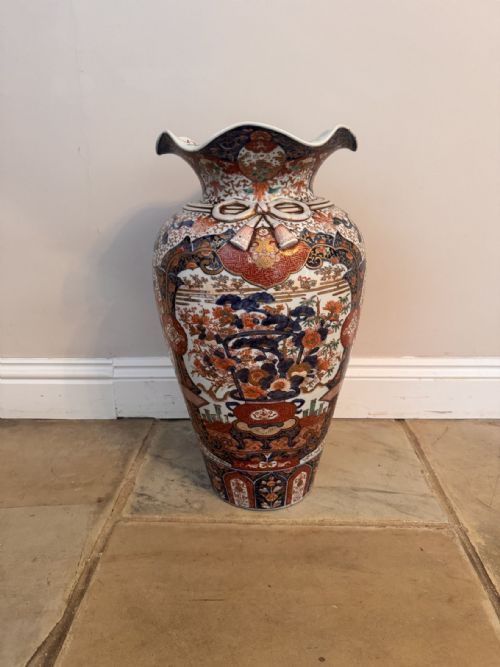
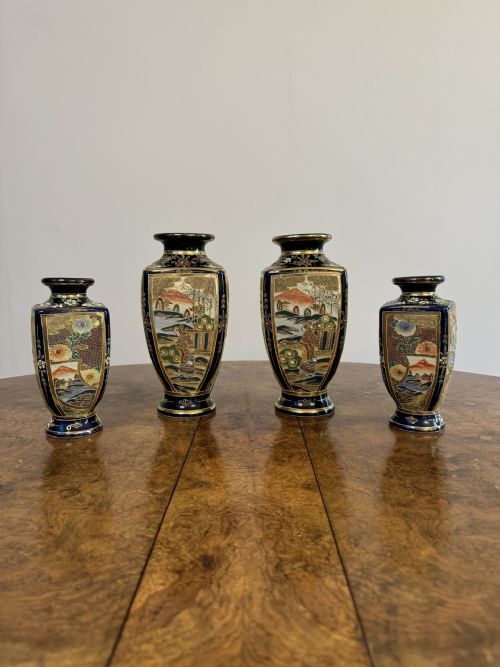
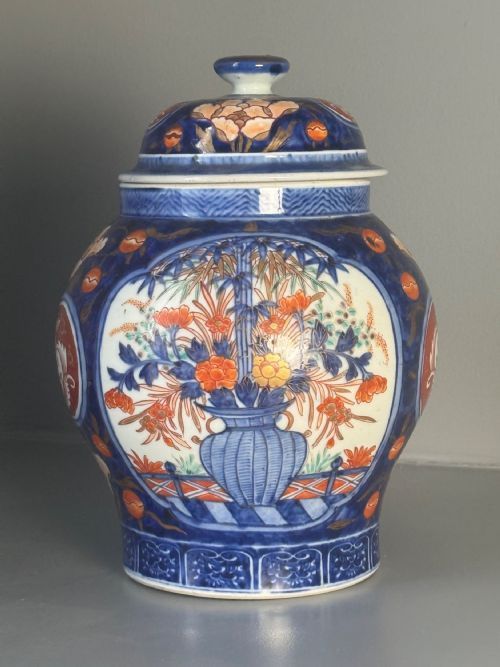
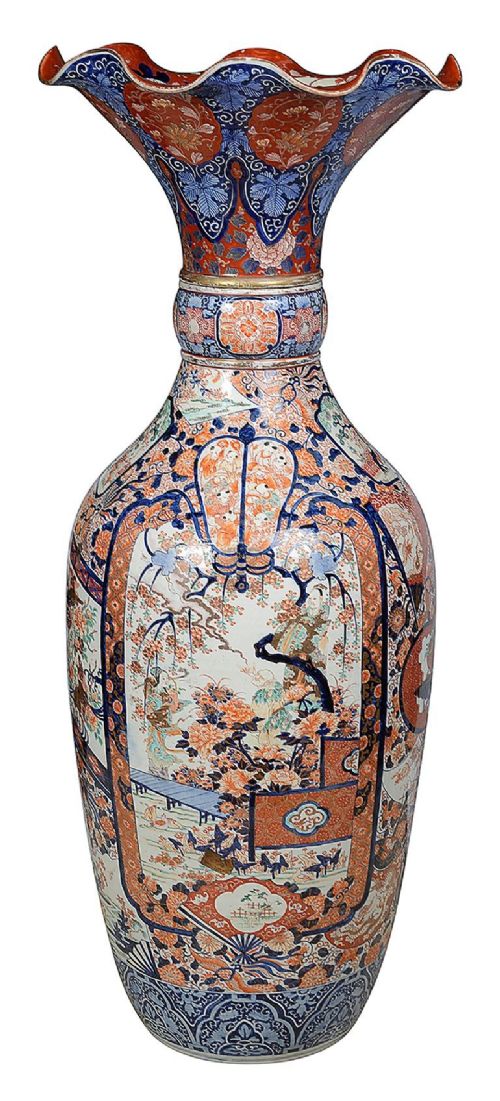
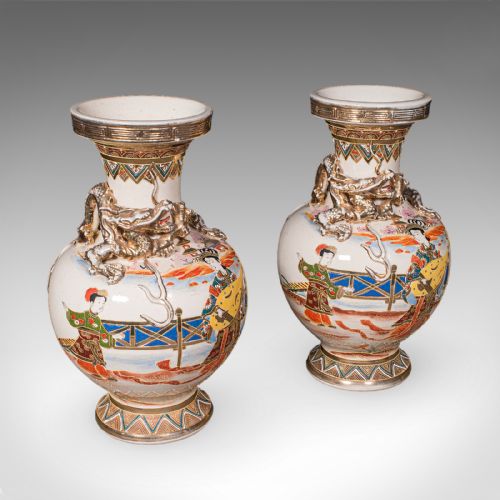
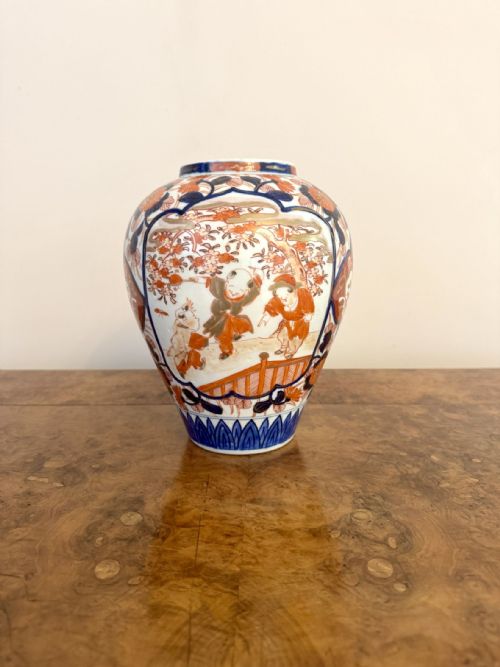
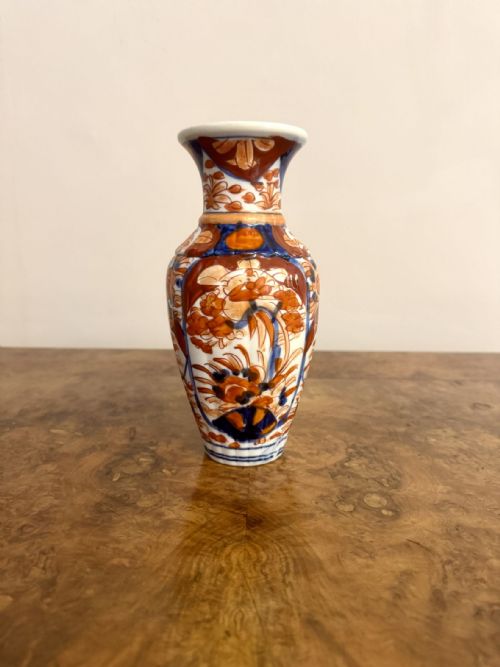
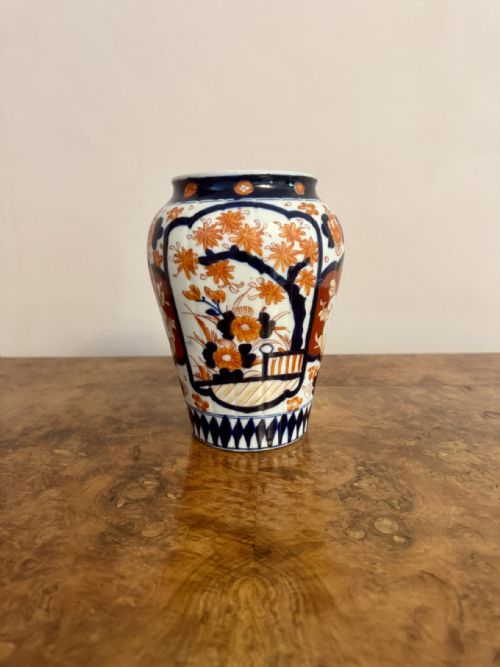
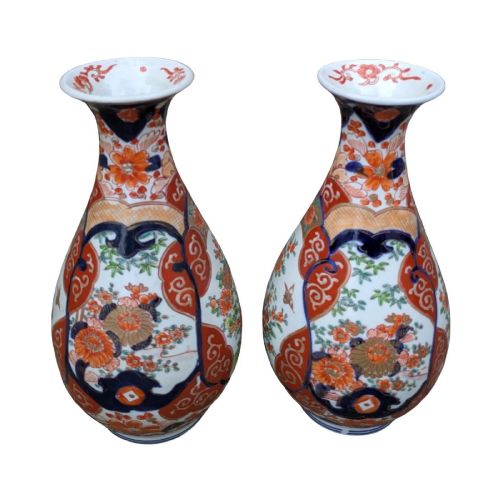
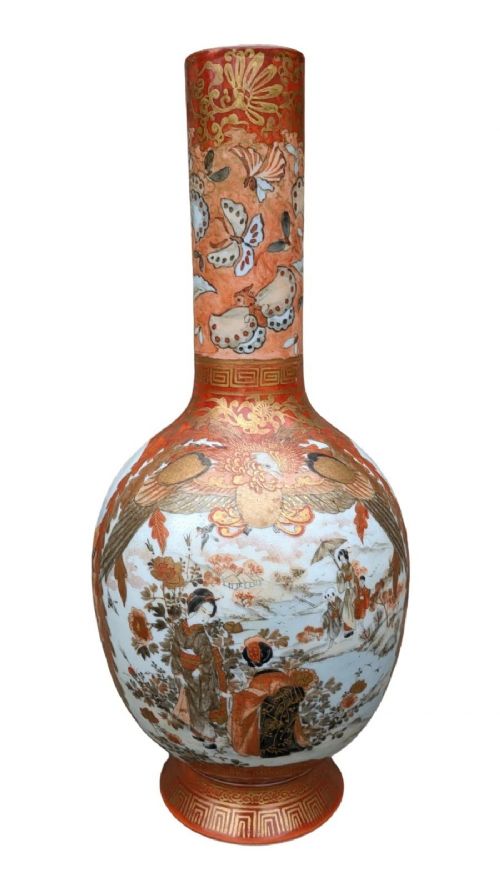
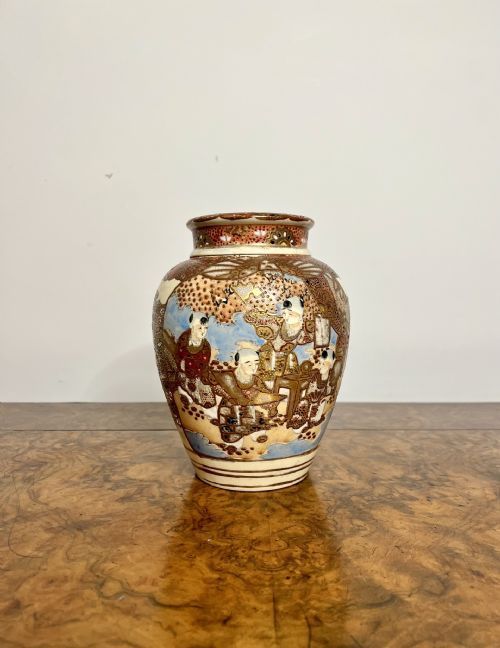
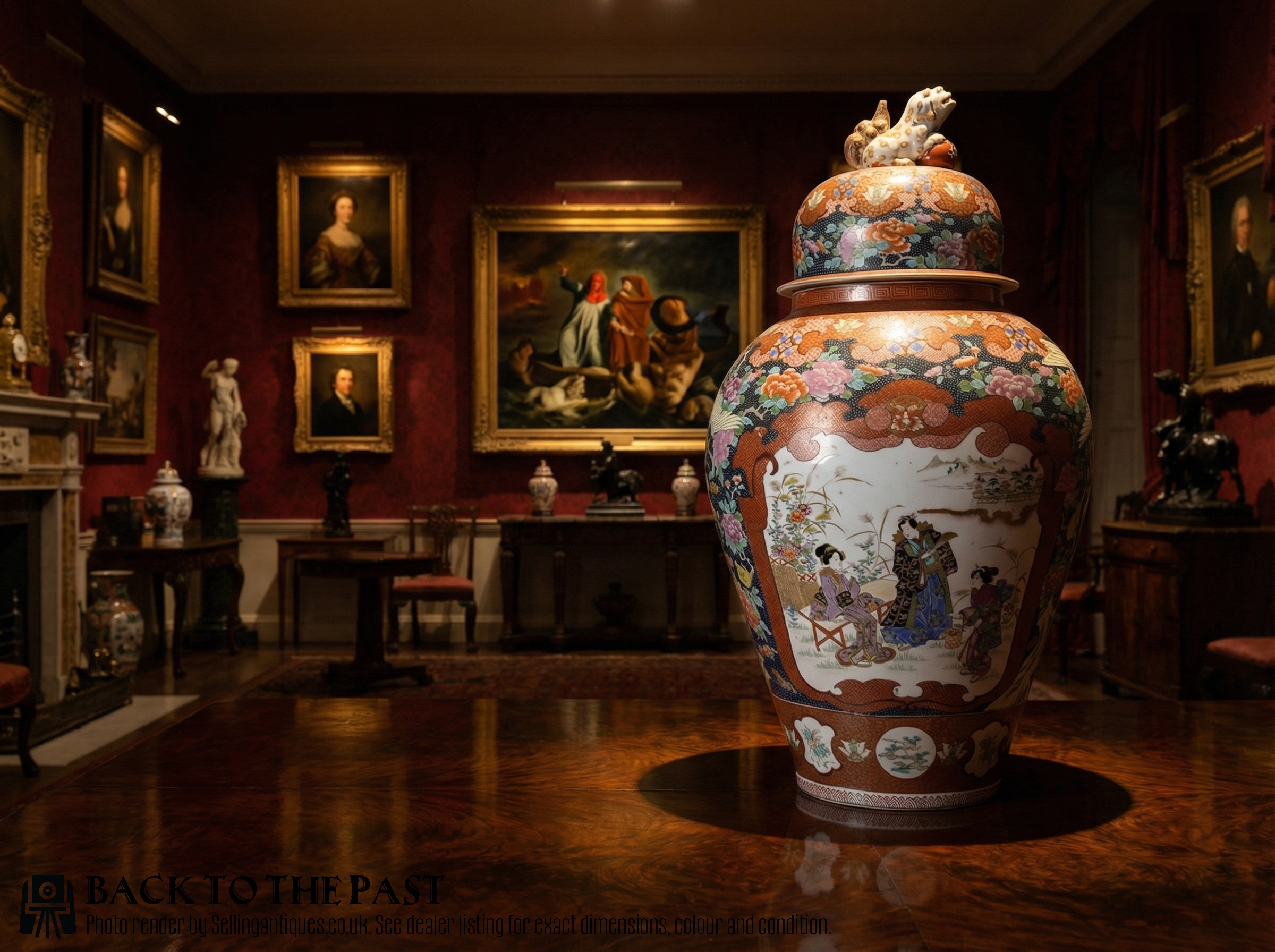
When buyers search for a meiji porcelain urn, they encounter decorative vessels, floor standing vases, ginger jars, and garnitures originating from Japan during the nineteenth century and the Edwardian era. The pieces listed under this phrase encompass vibrant Japanese Imari, intricate Satsuma earthenware and porcelain, and bold Kutani wares.
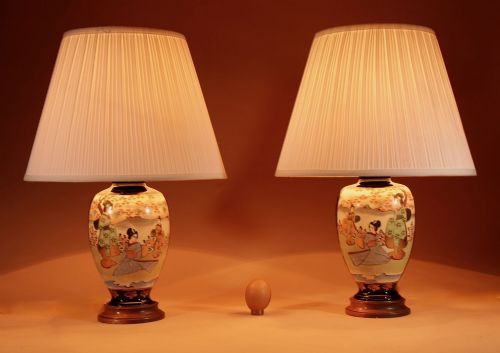
Most items on this page manifest as floor vases, lidded jars, or table lamps adapted from earlier forms. Makers utilised styles spanning the Meiji period, Japonisme, and late Victorian aesthetics to create substantial decorative focal points.
How they were made
Artisans formed these ceramic objects from porcelain and earthenware, often shaping them into baluster or double gourde profiles before applying extensive glaze, enamel, and gold leaf. Many pieces incorporate moriage relief work and hand-painted figural scenes executed in Kyoto, Arita, and Seto workshops.
Makers integrated supporting materials such as wood and fabric, or paired porcelain bodies with lacquer panels and original matching stands to complete the construction of larger vessels and garnitures.
The listings combine nineteenth-century porcelain and earthenware with styles ranging from traditional Japanese Imari to early twentieth-century Edwardian table lamps.
What varies in quality
The distinction between standard commercial output and exceptional artistry rests on the precision of the hand-painted detail and the complexity of the gilt figural processions or narrative scenes. Master workshops such as Kinkōzan or makers like Hotoda and Makuzu Kozan achieved superior refinement in their enamel palettes and glaze control.
Scale and ambition also differentiate the inventory, moving from miniature vases with signed marks to monumental floor-standing Imari pieces and matched multi-piece garnitures.
Kinkōzan Workshop·Hotoda·Makuzu Kozan·Kato Sanhei·Chosei
The Meiji Porcelain Urn Glossary
- Imari
- A style of Japanese export porcelain characterised by a distinctive palette of underglaze blue, iron red, and gold.
- Satsuma
- An earthenware type with a fine crackle glaze, typically decorated with polychrome enamels and gilding depicting court figures and landscapes.
- Garniture
- A set of matching vases or jars designed to be displayed together on a mantelpiece, sideboard, or dedicated stand.
- Moriage
- A decorative ceramic technique using piped clay slip to create raised, textured patterns and motifs on the surface.
- Baluster
- A vertical vase form that swells gracefully toward the lower portion before tapering near the foot and neck.
Meiji Porcelain Urn: Frequently Asked Questions
Where were Satsuma vases made?
These ceramic pieces originated primarily in workshops around Kyoto and the Satsuma domain during the late nineteenth century. Artisans refined the characteristic ivory-coloured crackle glaze specifically for export markets.
Many examples bear signatures from notable ceramicists and studios that operated during the Meiji period.
How do Imari and Kutani differ?
Imari ceramics rely on a strong combination of cobalt blue and iron red highlights enhanced with gold leaf. They typically feature intricate floral and geometric panel designs.
Kutani wares often utilise a bolder, more painterly green and gold palette that frequently showcases detailed figurative compositions.
How should large floor vases be displayed?
Substantial floor-standing vessels require stable placement away from high-traffic household areas to protect their glazed surfaces. Positioning them directly on wooden flooring or sturdy hearths highlights their height and silhouette.
Some monumental pieces incorporate original matching porcelain or wooden stands designed to support their weight.
What is a ginger jar?
Ginger jars are covered storage vessels characterised by their rounded bodies and high-fitting lids. Makers originally produced them in China for transporting spices before Japanese kilns adopted the form for decorative export wares.
Examples on this page feature both Imari patterns and detailed Satsuma figural enamel work.
Can table lamps be converted safely?
Many decorative ceramic vessels and ginger jars were adapted into table lamps during the Victorian and Edwardian eras. These adaptations usually accommodated electrical wiring while preserving the painted porcelain body.
Buyers should inspect the internal fittings to ensure modern electrical standards are met.