







Meiji Period Tray
A meiji period tray brings the meticulous metalwork, deep lacquer, and vibrant porcelain of late nineteenth-century Japan straight to your table.
Meiji Period Tray
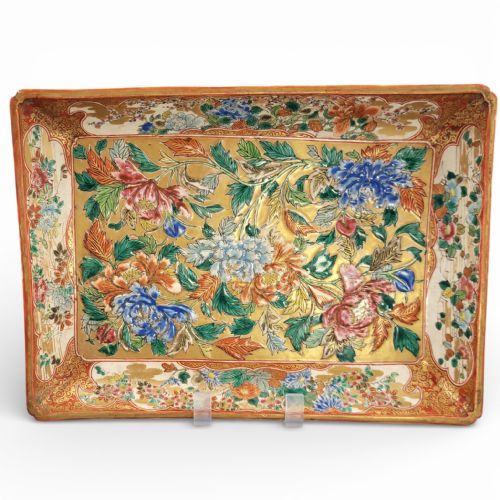
When you search for a meiji period tray, you encounter an array of decorative dishes, platters, and trinket dishes produced during the Japanese Meiji era. The examples on this page span several decades from the late nineteenth into the early twentieth century, reflecting a period of intense artistic output for export and domestic use.
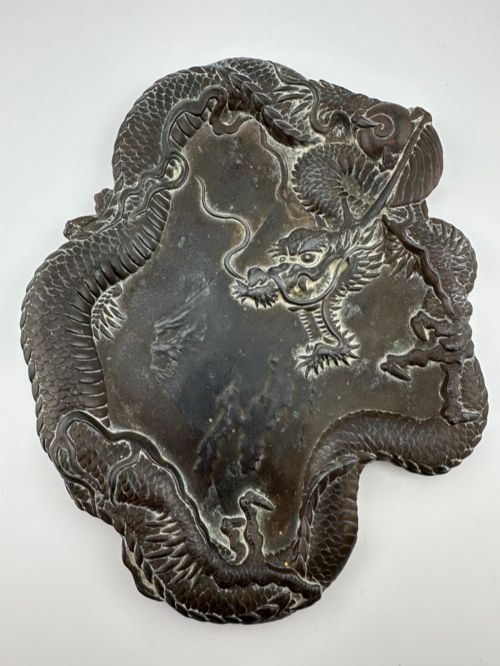
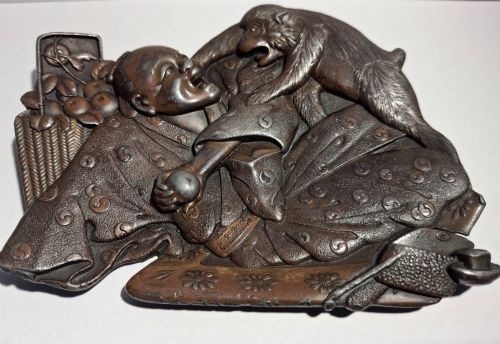
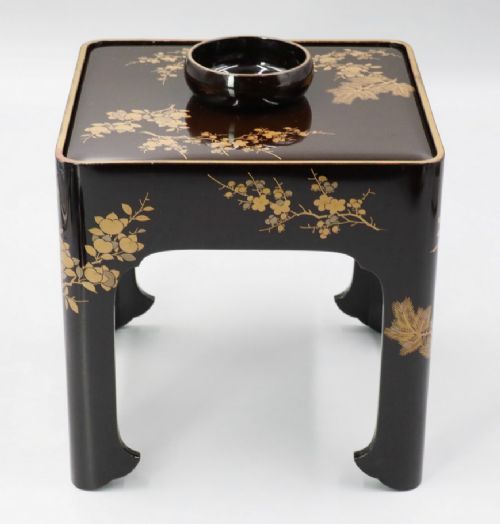
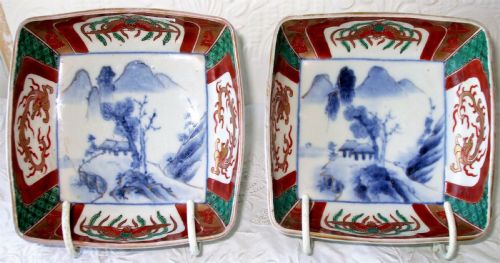
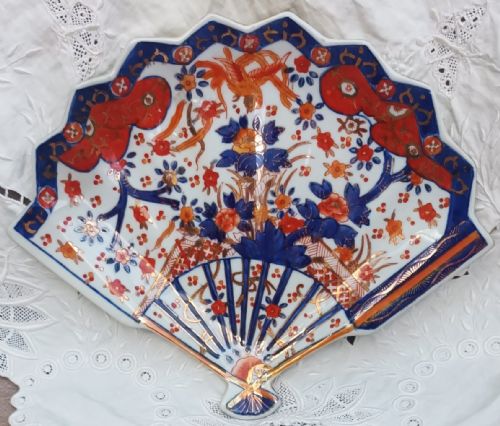
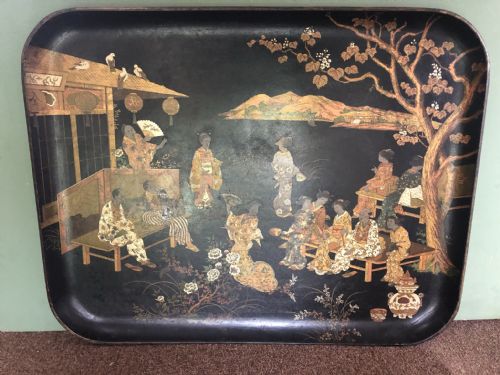
The most common forms you will meet here include circular and polygonal cloisonne enamel trays depicting flora and fauna, alongside hand-painted Japanese Imari porcelain plates in fan and shell shapes. Alongside these ceramic and enamel pieces, you will find mixed-metal copper and bronze items, as well as carved wooden and lacquered tea ceremony trays.
Materials and methods
Makers utilised a diverse palette of materials, combining base metals like copper, brass, and bronze with delicate gold leaf and applied enamel. Cloisonne pieces rely on fine wire soldered to a metal body to form cells that hold coloured glass pastes before firing.
Lacquerware and carved wooden items demonstrate traditional woodworking techniques, often incorporating polished layers of lacquer to achieve a durable, glossy surface. Porcelain dishes showcase traditional ceramic throwing and glazing methods, finished with intricate hand-painted cobalt blue and iron red pigments.
Meiji Period Tray Retail Price Guide 2026
Typical asking prices for meiji period tray among the pieces listed under this phrase on Sellingantiques today, from the lower quarter to the upper quarter. They describe what is for sale here now, not the wider market.
Several trays feature indignant dragons and leaping koi that look perpetually startled to find themselves serving as tea ceremony companions.
Distinguishing the work
The division between standard production and masterwork pieces rests upon the precision of execution and the complexity of the design. In cloisonne, the fineness of the wirework and the flawless vitrification of the enamel distinguish superior examples from simpler ones.
For metalwork and porcelain, the depth of relief in appliques such as takazogan and the crispness of hand-painted motifs determine the overall calibre of the item. Pieces featuring intricate mixed-metal inlays or complete matched sets represent a higher tier of craftsmanship.
The Meiji Period Tray Glossary
- Cloisonne enamel
- A decorative metalwork technique where thin wires form compartments filled with enamel paste and fired. This method creates detailed pictorial surfaces on trays and dishes.
- Imari porcelain
- A style of Japanese export porcelain decorated in underglaze blue, iron red, and gold. These colourful wares often appear in distinctive fan and shell shapes.
- Takazogan
- A high-relief metal applique technique used in Japanese metalwork. Artisans applied raised elements to create depth on trays and ashtrays.
- Lacquerware
- Objects coated with refined tree sap that hardens into a durable, lustrous finish. This technique protects and decorates wooden tea trays and vessels.
- Komai Style
- A specific metalworking tradition known for iron inlays in gold and silver. This style produces intricate pictorial scenes on small brass and bronze dishes.
Meiji Period Tray: Frequently Asked Questions
What materials are these trays made from?
These items are constructed from a variety of traditional materials including copper, bronze, brass, porcelain, and wood. Many incorporate cloisonne enamel, gold leaf, and lacquer finishes.
Makers often combined metals in mixed-metal compositions to create contrasting colours and textures within a single decorative tray or dish.
How do I care for a lacquer tray?
Lacquer surfaces require gentle handling to preserve the glossy finish and prevent scratching. Keep them away from direct sunlight and extreme humidity.
Dust the surface lightly with a soft, dry cloth and avoid using chemical cleaners, water, or abrasive sponges on antique lacquerware.
How can I tell a Meiji period piece apart?
Meiji period items often combine traditional Japanese motifs such as dragons, koi, and irises with technical precision geared towards international export markets. Examining the base metal, wirework density, and glaze characteristics helps identify the era.
Stylistic influences from the late nineteenth century distinguish these pieces from earlier Edo periods or later twentieth-century reproductions.
Were these trays used for tea ceremonies?
Some specific items, such as carved wooden sencha trays and lacquer sake cups with stands, were directly tied to Japanese tea and beverage rituals. Other forms served purely decorative or domestic container purposes.
Trinket dishes and platters functioned as ornamental display pieces in both Japanese homes and Western Victorian drawing rooms.