



Meiji Period Kutani Ware
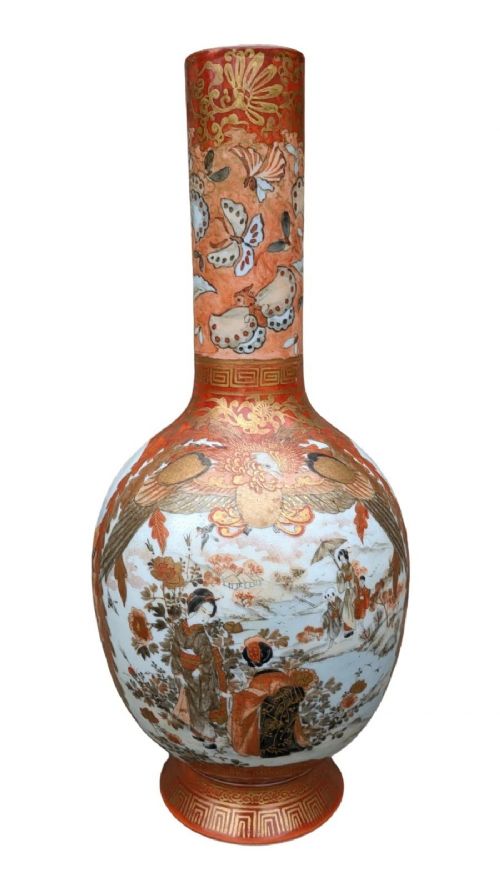
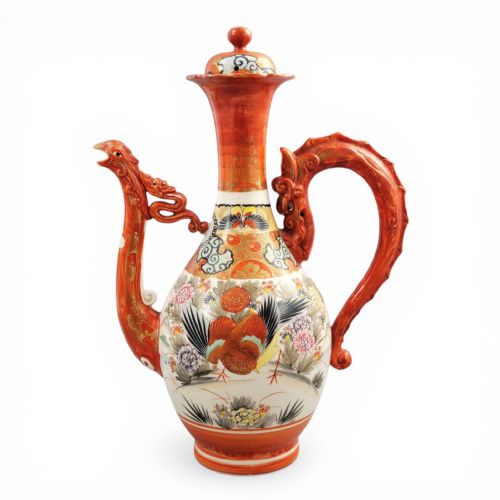
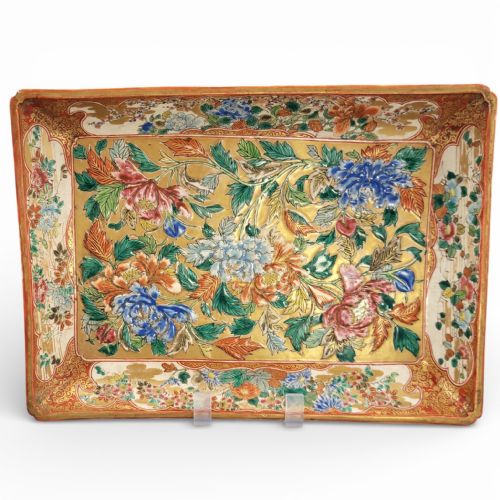
Meiji period kutani ware comprises Japanese porcelain and earthenware objects decorated with vibrant overglaze enamels and gold leaf.
Meiji Period Kutani Ware
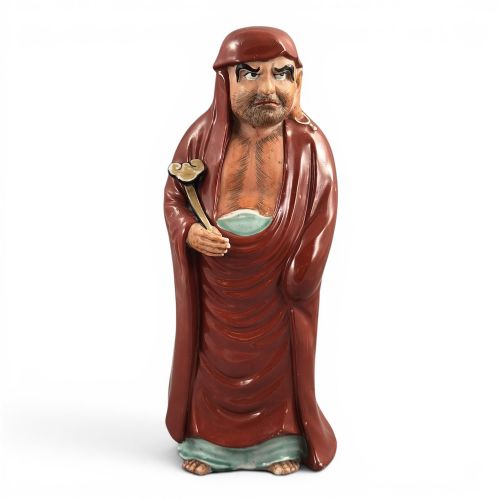
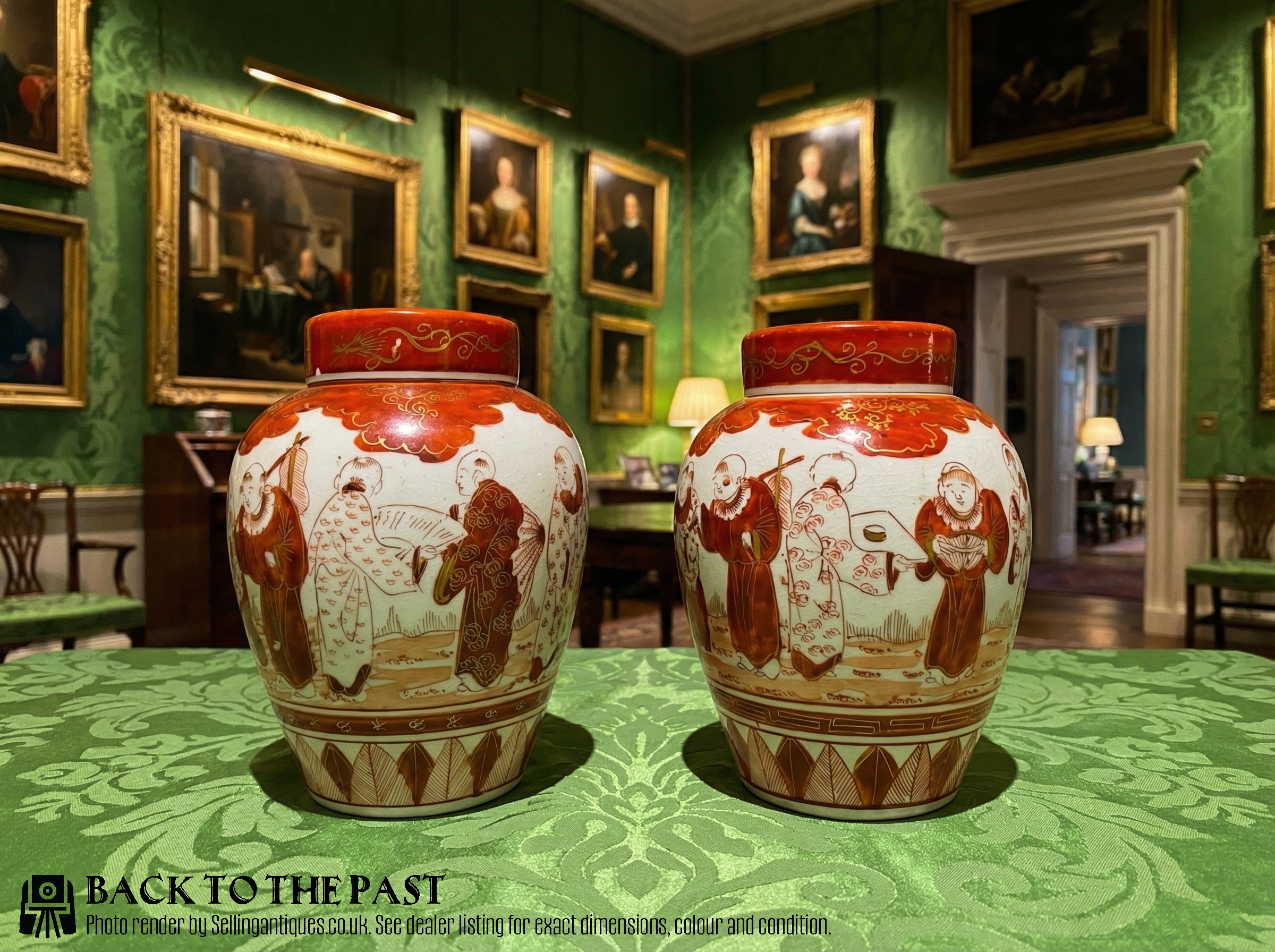
Meiji period kutani ware encompasses a diverse selection of ceramic objects produced in Japan during the late nineteenth and early twentieth centuries. Collectors encounter forms ranging from large cylindrical vases and ginger jars to intricate figurines of deities, Buddhist lions, and animals.
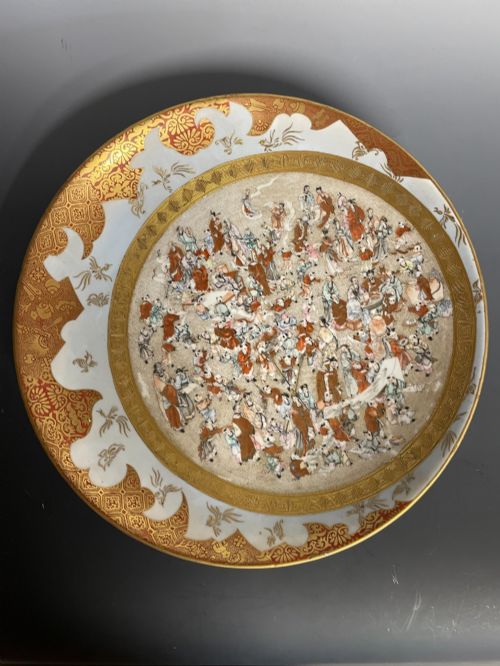
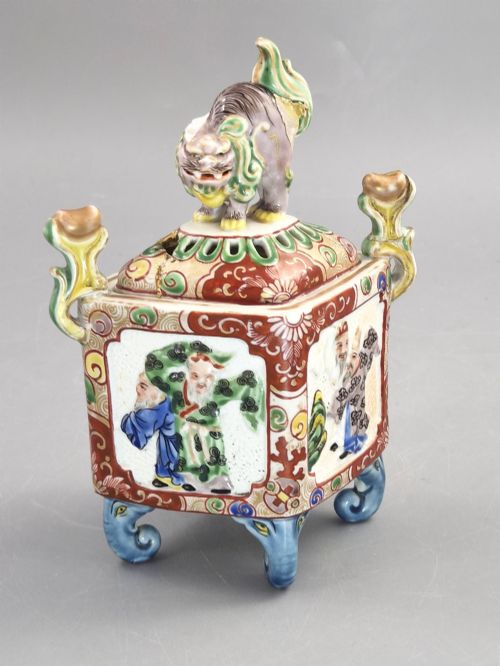
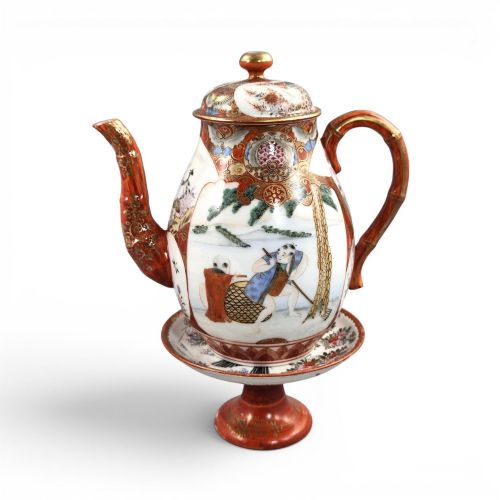
The most common pieces on this page are porcelain vases, dishes, and decorative plates displaying distinct Japanese export styles. Specialised items such as incense burners, teapots, and ewers also appear frequently among the nineteenth century selections.
How they were made
Artisans formed these objects primarily from white porcelain, shaping vessels on the wheel or modelling complex figurative sculptures by hand. Carved wood stands occasionally accompany the ceramic forms.
Makers applied rich overglaze enamels combined with extensive gold leaf and gilding to create detailed surface patterns. Raised moriage techniques add tactile dimension to many of the floral and figurative designs.
Meiji Period Kutani Ware Retail Price Guide 2026
Typical asking prices for meiji period kutani ware among the pieces listed under this phrase on Sellingantiques today, from the lower quarter to the upper quarter. They describe what is for sale here now, not the wider market.
A porcelain treasure ship brings auspicious maritime voyage straight to the mantelpiece.
What varies in quality
The sophistication of the hand painting largely defines the distinction between standard production pieces and exceptional examples. Skilled artists achieved greater depth and precision through controlled application of multiple enamel layers and gold leaf.
Complex sculptural elements such as animal handles, detailed finials, and figural drapery indicate superior craftsmanship. The clarity of the porcelain body and the preservation of the delicate gilding also influence the overall standing of an item.
Kinrin Workshop·Shozo
The Meiji Period Kutani Ware Glossary
- Moriage
- A decorative ceramic technique using piped clay slip to create raised, textured patterns before glazing and gilding. This method yields a distinct relief effect on vases and figurines.
- Okimono
- A Japanese freestanding decorative figurine or sculpture designed for display in a domestic interior. These figures often depict deities, mythical beasts, or cultural subjects.
- Koro
- A traditional Japanese incense burner typically supported on legs and fitted with a removable cover. Examples frequently feature sculptural handles or finials.
- Shozo Style
- A distinct decorative approach associated with Kutani production, known for dense pictorial scenes and rich gold detailing. Pieces in this manner display meticulous hand painted narratives.
- Karashishi
- A mythical guardian lion or Buddhist dog frequently rendered as a sculptural finial or standalone figure. These symbolic creatures are a recurrent motif in Japanese ceramics.
Meiji Period Kutani Ware: Frequently Asked Questions
What is kutani ware?
Kutani ware is a style of Japanese porcelain traditionally characterised by colourful overglaze enamel decoration and extensive gold gilding. Production spans several centuries, with significant output during the Meiji period.
The pieces range from everyday tableware to highly decorative vases and figurative sculptures intended for export markets.
How do I identify meiji period pieces?
Meiji period pieces date from the late nineteenth to early twentieth centuries, aligning with the reign of the Meiji Emperor. Stylistic markers include intricate hand painted enamel work and signature motifs such as dragons and Buddhist lions.
Many objects from this era reflect the stylistic exchange between traditional Japanese artistry and Western export demands.
Were these items used or displayed?
Many large vases, chargers, and okimono figures served primarily as decorative display items within domestic interiors. Smaller dishes, teapots, and bowls were often functional tablewares.
Export wares were frequently acquired by international collectors for ornamental purposes rather than daily use.
How should I care for gilded porcelain?
Gilded and enamelled porcelain requires gentle handling to preserve the delicate surface decoration and gold leaf. Cleaning should be limited to dusting with a soft dry cloth.
Harsh chemical cleaners and abrasive scrubbing will permanently damage the overglaze enamels and metallic accents.