


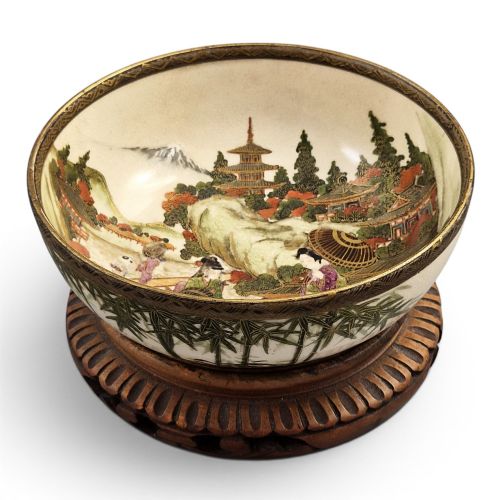
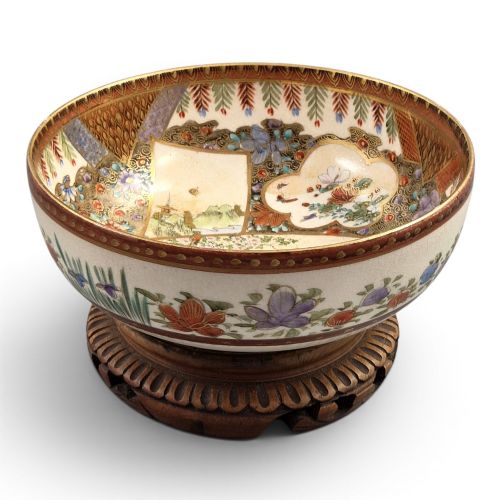
Meiji Period Ceramic Bowl
A meiji period ceramic bowl brings intricate hand-painted detail and rich glaze work into a room.
Meiji Period Ceramic Bowl
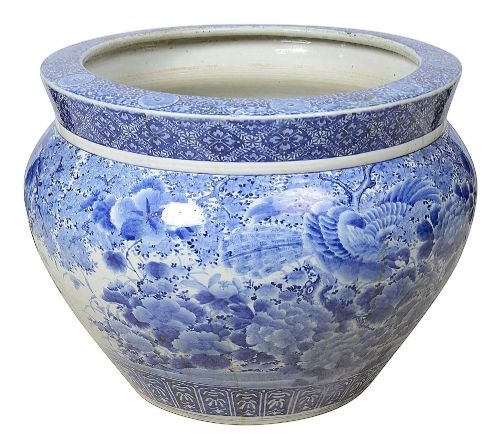
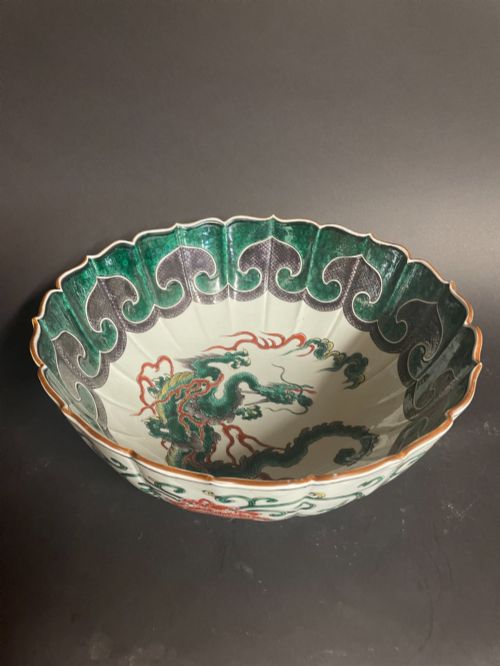
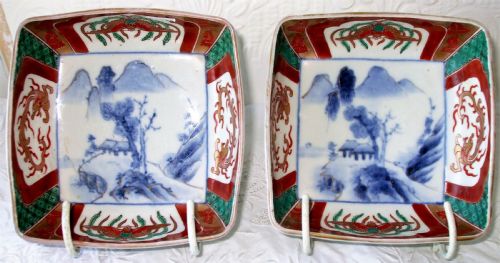
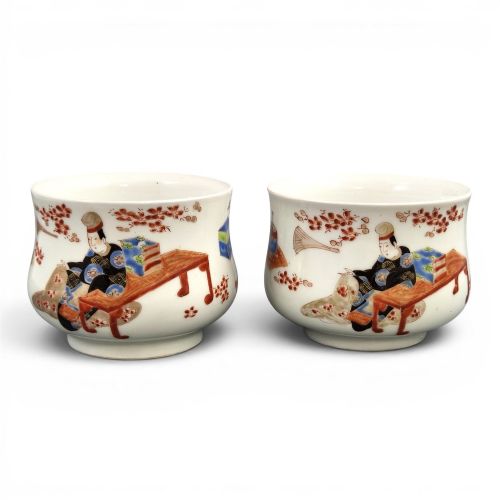
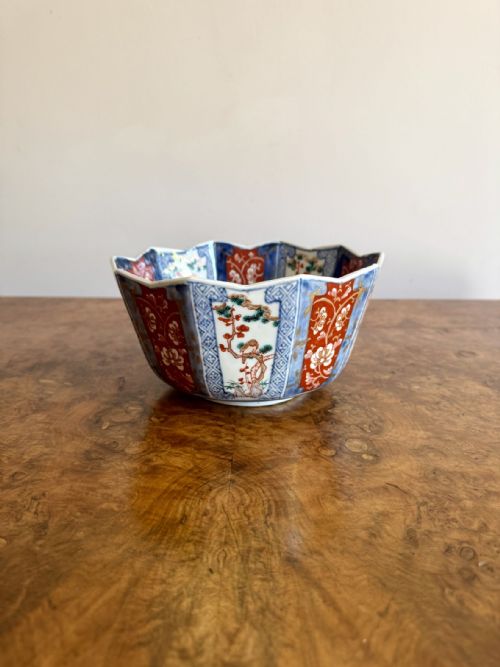
When you search for a meiji period ceramic bowl, you encounter finely potted vessels originating from late nineteenth and early twentieth century Japan. The selections span from large decorative display pieces to small tea cups and sugar bowls. Many pieces exhibit distinct stylistic traditions such as Imari, Satsuma, and Kutani ware.
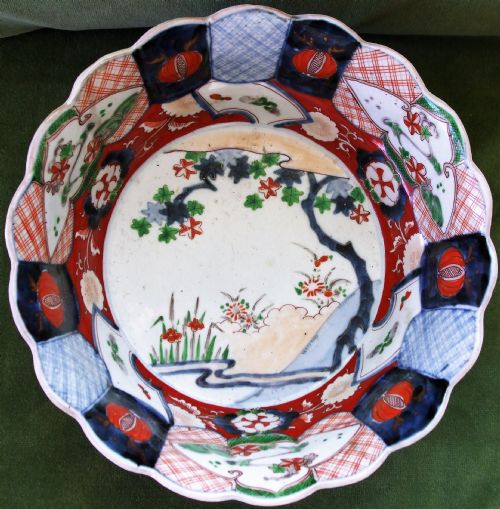
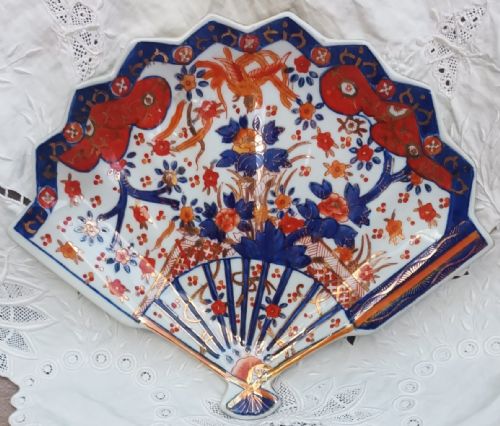
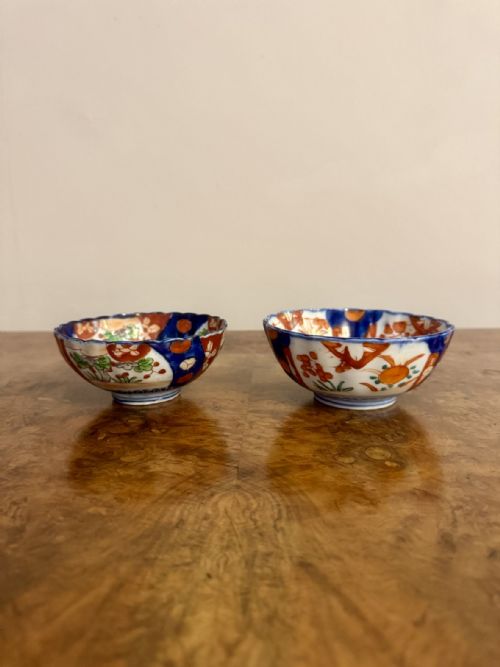
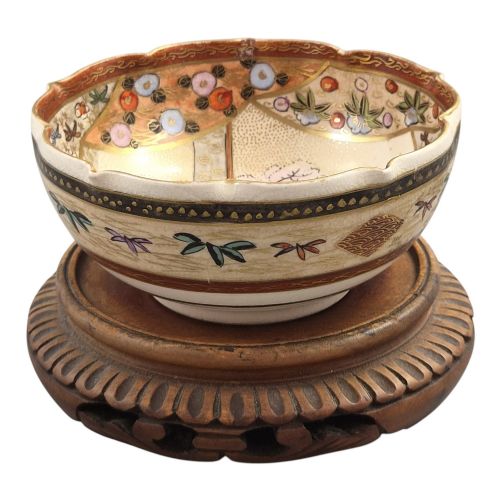
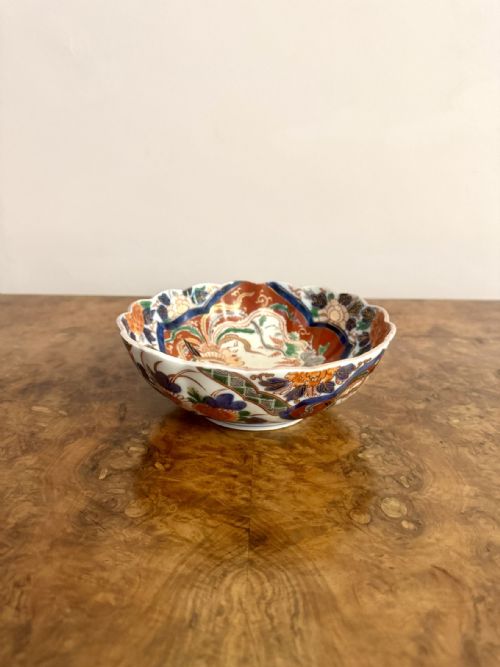
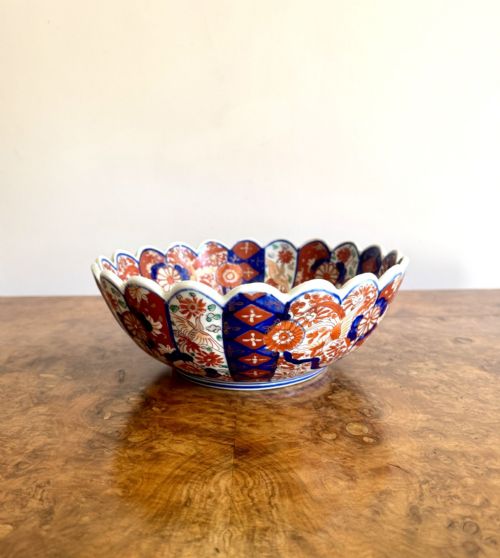
The Imari examples frequently display blue and white or polychrome enamel patterns with scallop-shaped edges. Satsuma pieces often present earthenware surfaces painted with figures, flowers, and heavy gilding. These forms served various decorative and functional roles in Japanese households and international trade.
How they were made
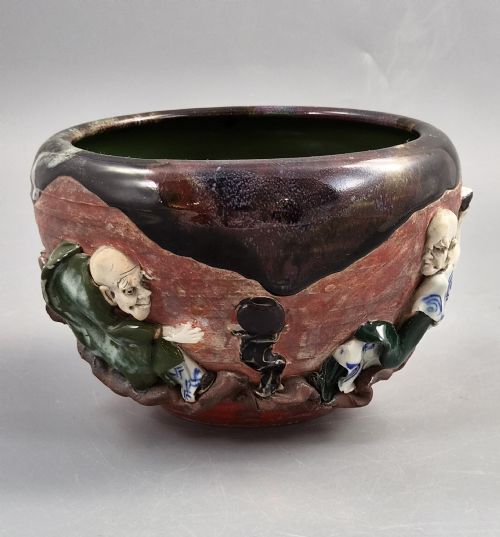
Potters shaped these objects from porcelain and earthenware, often applying cobalt blue underglazes or intricate overglaze enamels. Artisans integrated gold leaf and gilding to accentuate painted scenes of samurai, flora, and fauna. Relief figures added sculptural dimension to specific pottery styles like Sumida Gawa.
Kiln firing methods varied depending on whether the base material was vitreous porcelain or porous earthenware. Painters used fine brushes to execute complex narratives and botanical motifs before a final low-temperature or high-temperature fix. Signatures and marks stamped or brushed onto the base recorded the workshop or master responsible.
The selection includes porcelain and earthenware forms spanning the nineteenth and early twentieth centuries, featuring Imari, Satsuma, and Kutani styles.
What varies in quality
The distinction between ordinary and exceptional items lies in the precision of the brushwork and the complexity of the composition. Master artisans executed multi-layered figural scenes and botanical studies with rigorous discipline, while lesser pieces relied on repetitive stamping or hurried application. The clarity of the glaze and the crispness of the gilding further separate standard production from superior output.
Signatures by recognised makers or kilns often indicate a higher tier of craftsmanship. Pieces retaining sharp relief modelling and unblemished enamel surfaces command greater attention from collectors. The overall balance of the form and the refinement of the foot rim demonstrate the potter's control.
Inoue Ryōsai·Ginshōtei Gyokushi·Gyokkō·Kozan·Fukagawa·Shizan·Kōko·Ryuzan·Kinkozan·Nikko·Hododa
The Meiji Period Ceramic Bowl Glossary
- Imari
- A type of Japanese porcelain decorated in underglaze blue and overglaze colours, predominantly iron red and gold. These pieces were historically exported through the port of Imari.
- Satsuma
- An earthenware ceramic with a pale, ivory-crackled glaze, usually richly painted with enamels and gilding. Originating in Satsuma Province, production later spread to major urban centres like Kyoto.
- Kutani
- A style of Japanese porcelain known for bold colour palettes and detailed pictorial designs. The tradition encompasses various revival periods emphasising greens, blues, purples, and gold.
- Sumida Gawa
- A distinct pottery style featuring heavily textured glazes and applied figures in high relief. Workshops typically operated around Tokyo during the late Meiji era.
- Suiban
- A shallow basin or jardiniere used for flower arrangement or display. These vessels often accommodate water and miniature landscapes.
Meiji Period Ceramic Bowl: Frequently Asked Questions
How do I identify Satsuma ware?
Satsuma ware is typically characterised by an ivory-coloured earthenware body covered in a fine crackle glaze. Artisans decorated these surfaces with detailed enamel paintings depicting figures, flowers, and abundant gilding.
Many pieces also feature maker stamps or mon crests on the underside. The texture tends to feel slightly warmer and more porous than hard-paste porcelain.
What defines Imari porcelain?
Imari porcelain relies on a distinct colour palette combining underglaze cobalt blue with overglaze iron red, turquoise, and gold. The designs frequently incorporate floral arrangements, brocade patterns, and scalloped rims.
These wares were produced for both domestic use and export to Western markets. The durability of the porcelain body made them practical for daily dining as well as display.
Are signed pieces more valuable?
Signed pieces generally reflect the work of documented masters or established kilns, which often elevates their standing among collectors. Signatures can appear as painted calligraphy or impressed ceramic seals on the base.
However, unsigned examples of exceptional artistic execution remain highly desirable. The quality of the painting and the condition of the glaze ultimately determine the piece's merit.