


Fluted Porcelain Dish
A fluted porcelain dish brings crisp moulding and hand-painted detail to a table, offering both decorative presence and historic utility.
Fluted Porcelain Dish
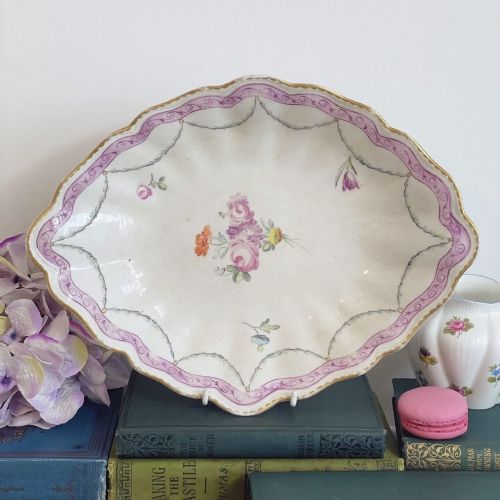
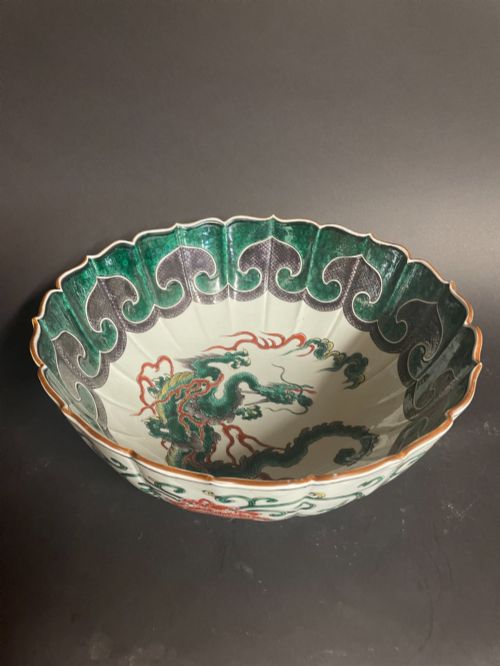
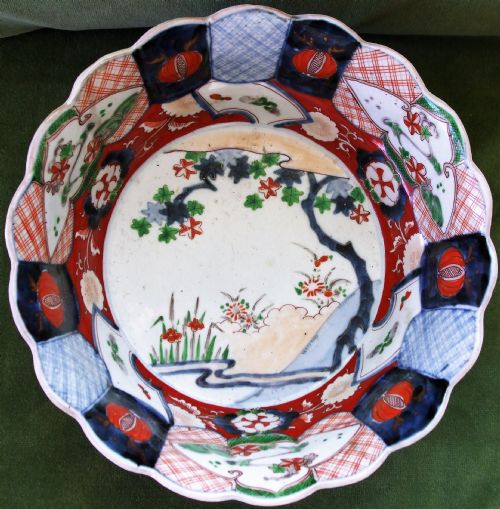
The selection ranges from early Bow porcelain scallop fluted dishes to Copeland white ironstone and KPM examples. Makers from Derby and continental factories also contribute to the variety of serving dishes and decorative plates available. Each item displays distinct regional aesthetics, moving from Rococo Revival curves to traditional Japanese Imari patterns.
How they were made
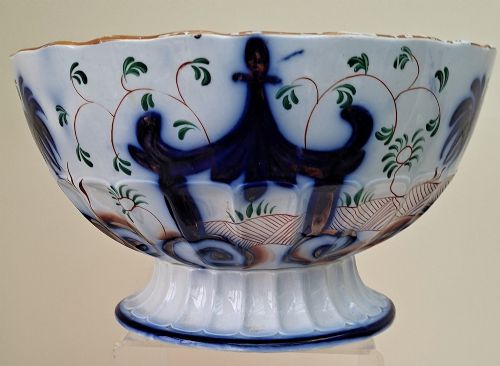
These items rely on fine ceramic bodies shaped with moulded flutes or scallop edges, finished with glaze and hand-painted enamels. Artisans applied cobalt glaze and gold leaf to accentuate the architectural ridges of the porcelain.
Potters shaped earthenware and ironstone alongside traditional porcelain, using high-temperature kilns to set the glaze. Decoration often involved polychrome pigments and hand-painted floral or avian motifs applied directly over or under the glaze.
Listings feature periods from the eighteenth century to 1900, incorporating porcelain, ironstone, and earthenware with cobalt glaze and gold leaf.
What varies in quality
The distinction between standard examples and finer pieces rests on the crispness of the moulding and the execution of the hand-painted details. Superior items exhibit sharp, defined fluting and carefully controlled enamel work that remains bright across the surface.
The weight of the ceramic body and the uniformity of the glaze also indicate the standard of production. Earlier eighteenth-century pieces often show greater delicacy in body thickness compared to heavier nineteenth-century ironstone or earthenware versions.
Derby·Copeland·KPM·Bow
The Fluted Porcelain Dish Glossary
- Fluted
- Having parallel shallow grooves or ribs moulded into the body of the ceramic. This technique adds structural rigidity and catches the light along the rim.
- Imari
- A style of Japanese export porcelain characterised by a palette of underglaze blue, iron red, and gilt. Pieces often feature complex floral and panel designs.
- Polychrome
- Decorated in many colours. Artisans used multiple enamel pigments to create pictorial scenes or floral arrangements.
- Ironstone
- A type of durable earthenware patented in the nineteenth century. It provides a robust alternative to softer porcelains while accepting similar glazes.
- Scallop Edge
- A border formed of a series of continuous curves resembling the edge of a scallop shell. This shaping is common on eighteenth-century bowls and dishes.
Fluted Porcelain Dish: Frequently Asked Questions
Were these dishes used for serving food?
Many examples functioned as tableware for serving vegetables, meats, or sweets during formal dining. Footed bowls and serving dishes were central to period table service.
Others served purely decorative roles on sideboards and cabinets. Their current utility depends on the integrity of the glaze and ceramic body.
How can I tell an eighteenth-century piece from a nineteenth-century one?
Examine the weight, translucency, and foot rim of the ceramic. Earlier porcelain often feels lighter and displays greater translucency when held to the light.
Nineteenth-century items frequently utilise denser bodies like ironstone or heavier earthenware. Maker marks and painted styles also help narrow down the production period.
What does Imari style mean on these dishes?
The Imari style refers to Japanese export wares featuring a distinct palette of cobalt blue and iron red, frequently heightened with gold leaf. These designs were widely copied and appreciated in Europe.
Pieces bearing this style show intricate panel work and floral motifs. They represent a significant portion of nineteenth-century decorative ceramics.