




Meiji Period Bronze Vessel
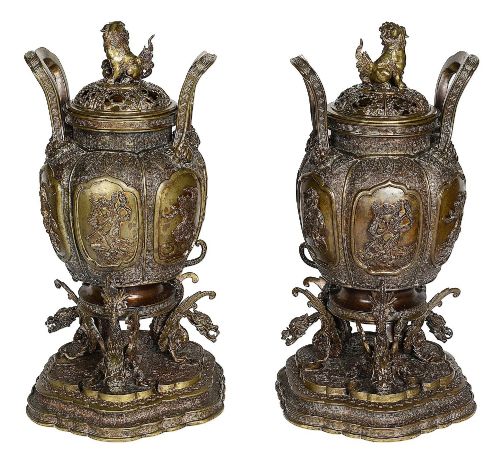
A meiji period bronze vessel brings master metalwork from nineteenth-century Japan into a room, offering rich patination and intricate inlaid detail.
Meiji Period Bronze Vessel
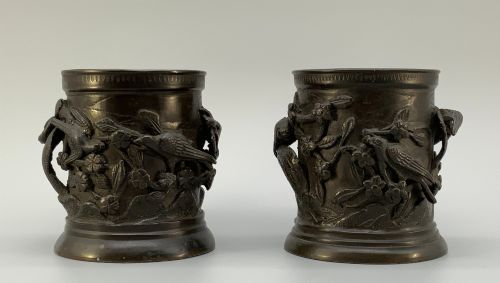
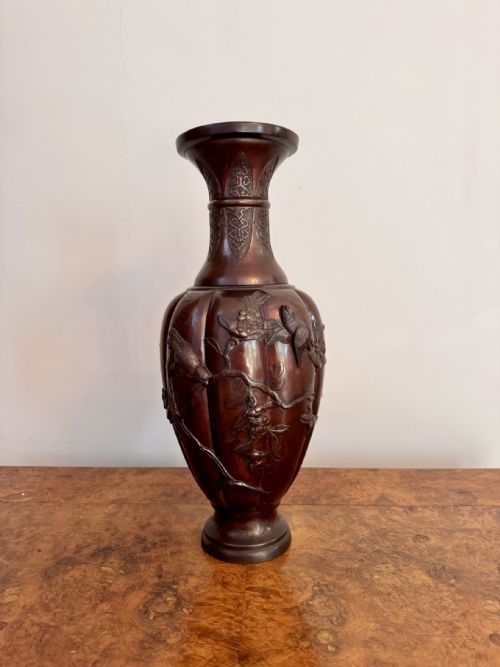
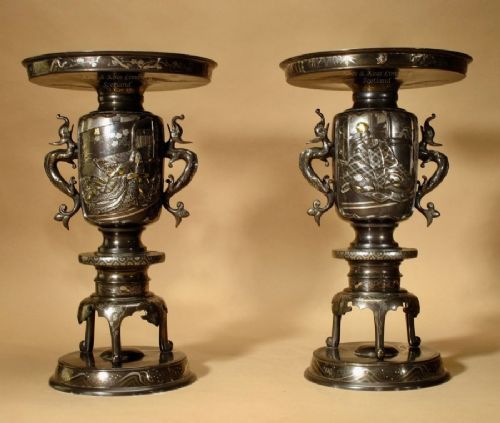
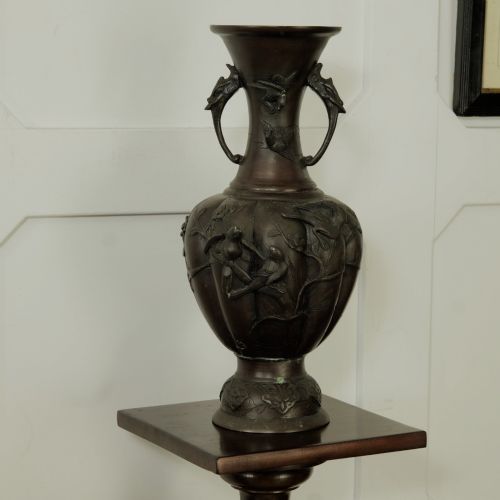
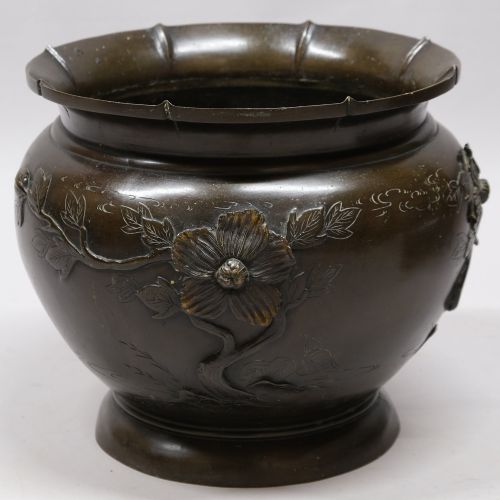
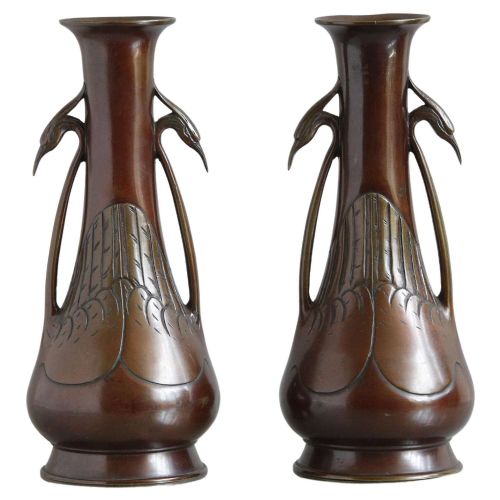
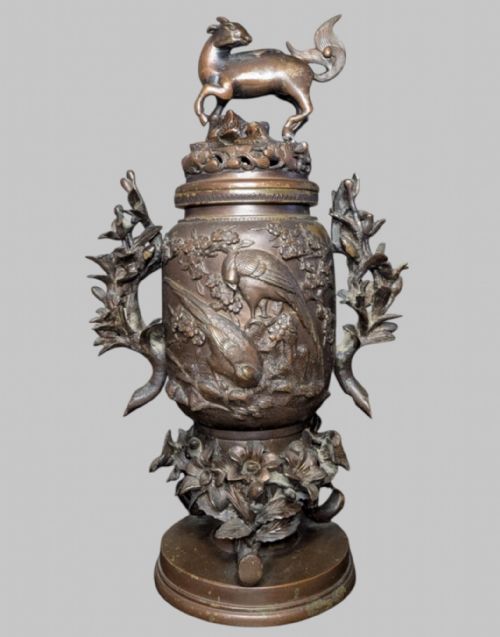
A meiji period bronze vessel encompasses vases, incense burners, and jardiniere planters originating from Japan during the late nineteenth and early twentieth centuries. These decorative works reflect the traditional metalworking skills developed across the era, spanning balanced baluster shapes and large garden urns.
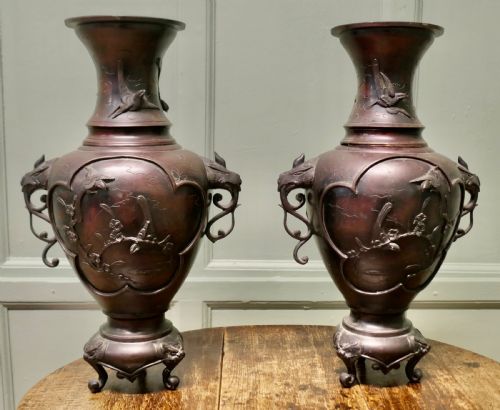
Vases and lidded urns dominate the selections available, often appearing in symmetrical pairs alongside smaller tabletop vessels and brush pots. Each piece displays the distinct aesthetic associated with the Meiji era, blending utilitarian metal objects with sculptural artistry.
Materials and Technique
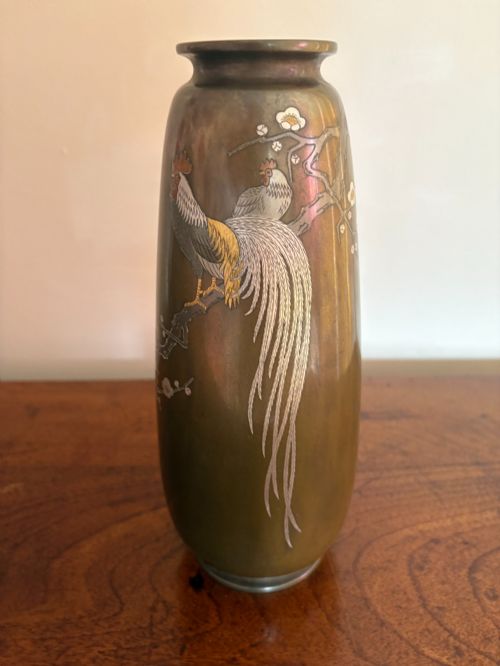
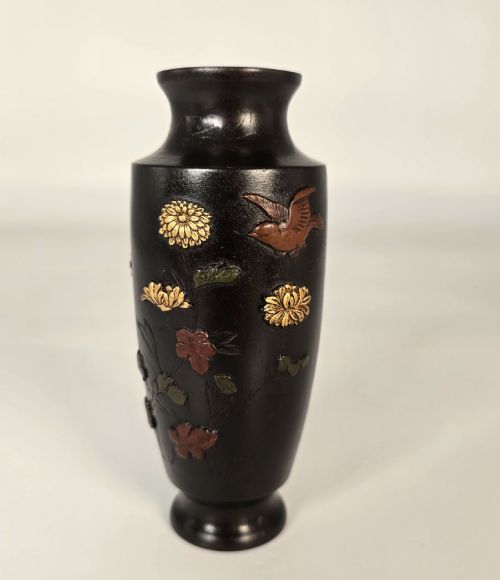
Makers utilised bronze, brass, and copper as the foundational metals, applying chemical patination to achieve deep, rich surface tones. Many examples incorporate mixed metal highlights, integrating gold, silver, and enamel inlay to create raised floral, bird, and figurative motifs.
Casting techniques allowed for intricate three-dimensional decorations, such as egret handles and goat finials, executed with precise craftsmanship. Surface ornamentation frequently combines carved detailing with applied elements soldered securely to the main body.
Meiji Period Bronze Vessel Retail Price Guide 2026
Typical asking prices for meiji period bronze vessel among the pieces listed under this phrase on Sellingantiques today, from the lower quarter to the upper quarter. They describe what is for sale here now, not the wider market.
Some bronze vessels wear tiny goats and egrets as handles, proving that nineteenth-century metalworkers thoroughly enjoyed a touch of wildlife.
Assessing Craftsmanship
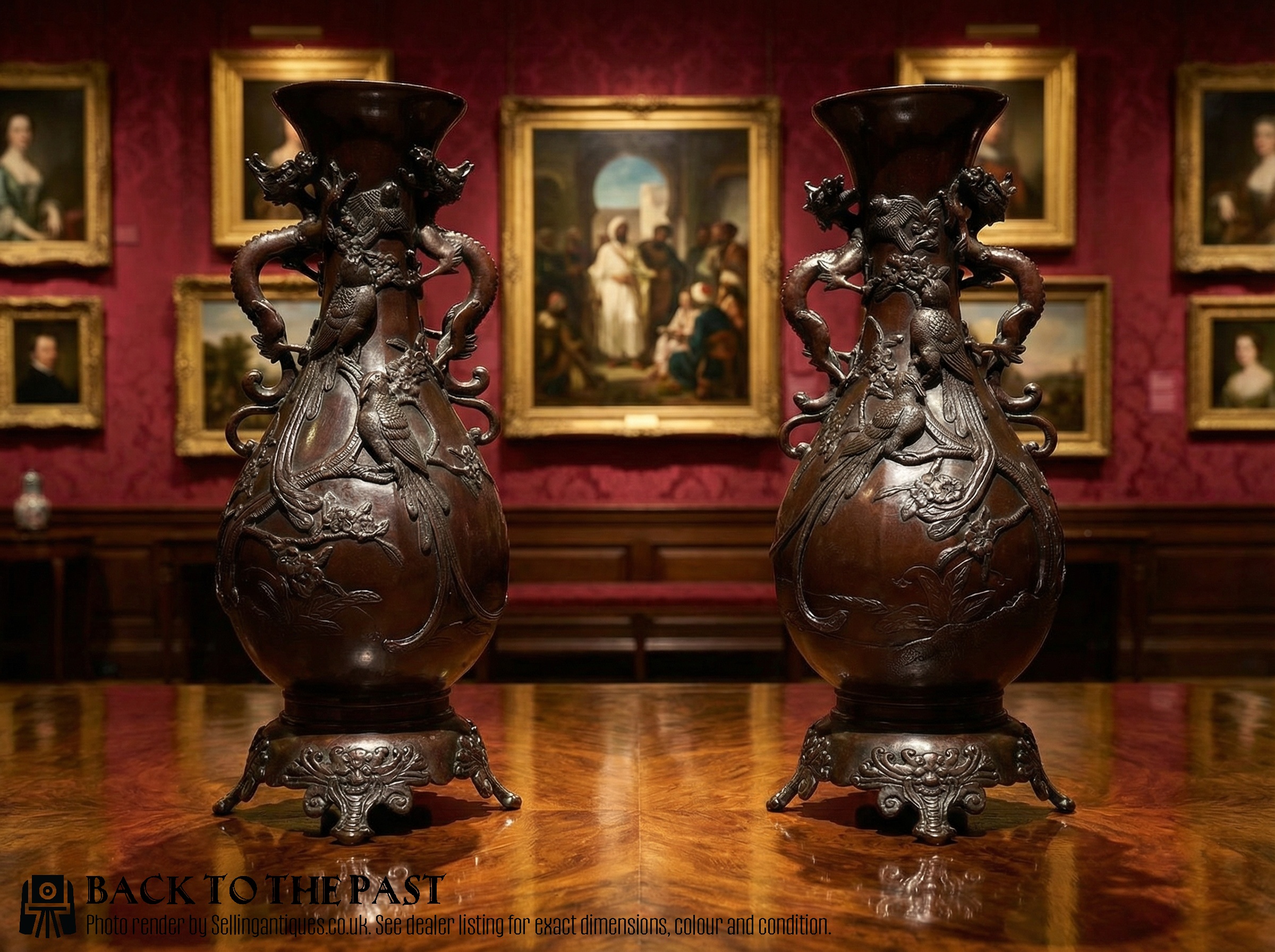
Quality rests in the precision of the casting and the crispness of the applied mixed metal inlay. Superior examples demonstrate a balanced harmony between the vessel form and the decorative relief, where birds, blossoms, and dragons integrate naturally into the bronze surface.
The depth and consistency of the original patination dictate visual success, alongside the finesse of signature work from recognised schools and makers. Lesser pieces present simpler surfaces with flat decoration, whereas finer works reward close inspection through layered textures and meticulous detailing.
KANASAWA·KIBUNDO·KIZAN
The Meiji Period Bronze Vessel Glossary
- Patinated Bronze
- Bronze treated with chemical solutions to produce specific surface colours and tones. This process protects the metal while enhancing the decorative qualities of the piece.
- Koro
- A traditional Japanese incense burner, often lidded and supported on legs. These vessels frequently feature pierced covers designed to release fragrant smoke.
- Mixed Metal
- A technique combining bronze with contrasting metals such as gold, silver, and copper. This method creates multicoloured pictorial effects across the surface of the vessel.
Meiji Period Bronze Vessel: Frequently Asked Questions
What is a meiji period bronze vessel?
It is a metalwork object created in Japan during the Meiji era, spanning vases, censers, and jardinieres. These pieces utilise traditional casting and patination methods.
They reflect the artistic output of Japanese metalworkers who combined classical forms with intricate surface decoration.
How do I identify a Meiji era piece?
Look for characteristic decorative motifs including birds, blossoms, dragons, and figures executed in bronze or mixed metal inlay. Dating typically falls between the late nineteenth and early twentieth centuries.
Many examples feature signatures or school markings from Japanese workshops active during this historical period.
How should I clean bronze vessels?
Dust gently with a soft dry cloth to preserve the historic surface patination. Avoid abrasive cleaners, polishes, or water that might strip the original chemical finish or damage mixed metal inlays.
Maintaining a stable indoor environment protects the metal and any delicate cloisonne enamel elements.