



Meiji Gilt Ceramic Dish
A meiji gilt ceramic dish brings intricate Japanese artistry into a room through hand-painted scenes and lustrous gold leaf details.
Meiji Gilt Ceramic Dish
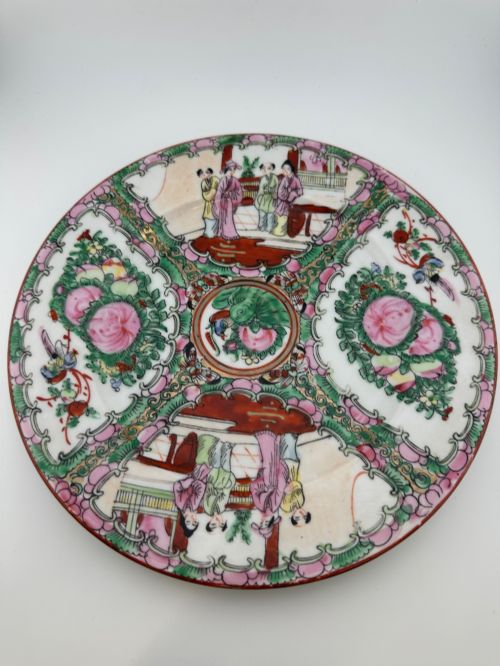
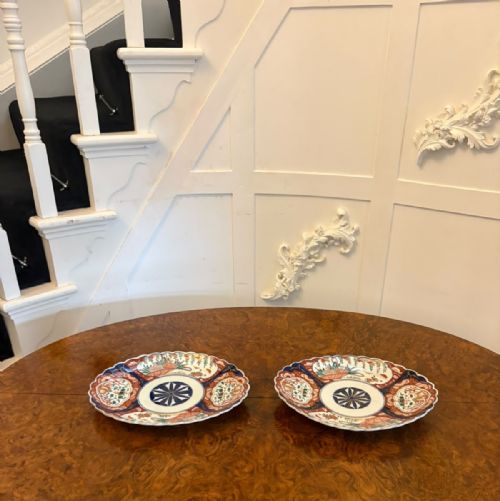
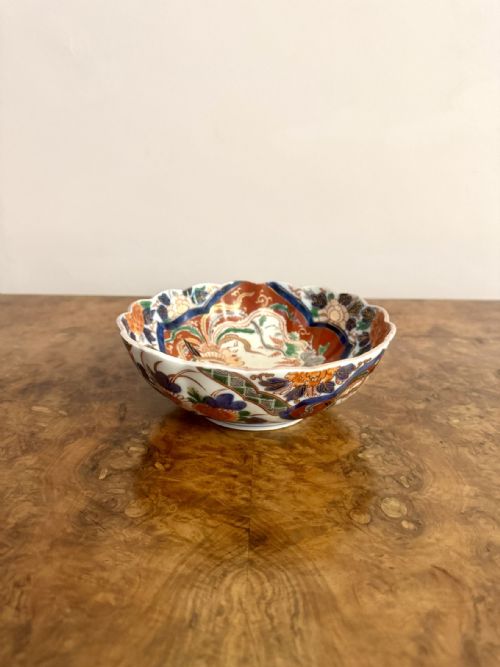
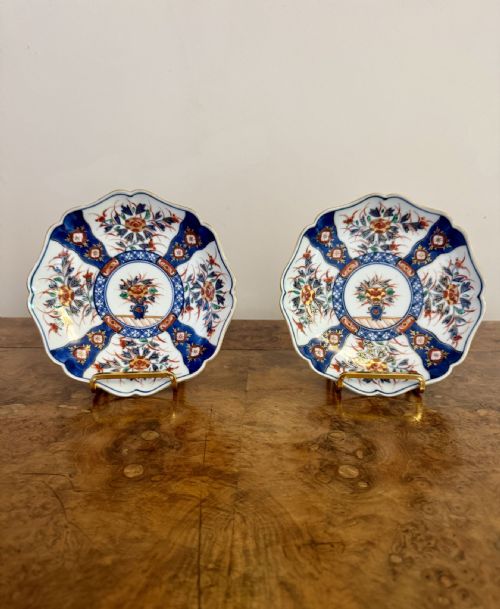
A buyer examining a meiji gilt ceramic dish encounters decorative plates, bowls, chargers, and trinket boxes originating from nineteenth and early twentieth century Japan. These pieces span the Meiji period alongside Victorian, Edwardian, and later dates, reflecting diverse aesthetic traditions.
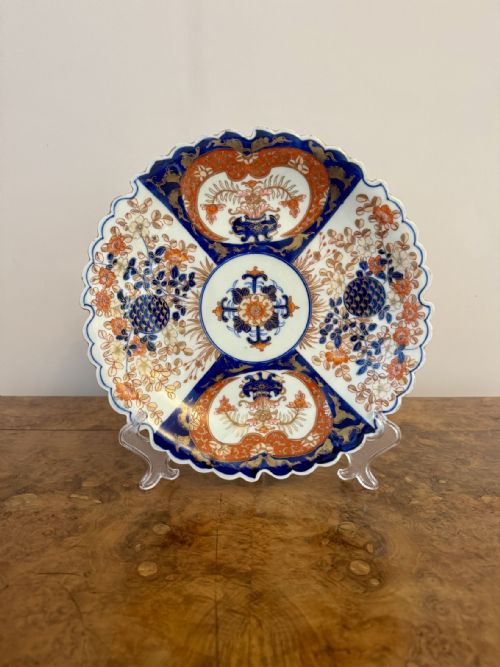
The version most commonly met on this page is the Japanese Imari plate or charger, alongside Satsuma earthenware and Kutani porcelain forms. These items arrive in various scales, from small dishes to large chargers measuring fifty-five centimetres in diameter.
Makers and workshops across different regions produced these objects utilising distinct palettes, incorporating cobalt blue, enamel, and gold gilt. The forms serve primarily as decorative displays, chargers, and bowls.
Assessing Quality
The standard of execution in the hand-painted brushwork distinguishes individual pieces, separating simpler domestic items from works bearing intricate figural or floral scenes. The precision of the gilt and enamel application reveals the skill of the original workshop.
Signature marks from notable makers and specific regional potteries indicate a higher level of atelier production. The preservation of the original gold leaf and enamel colours further determines the overall visual strength of the piece.
Listings feature ceramics from the nineteenth century through the Edwardian era, incorporating porcelain, earthenware, enamel, and gold leaf.
Toshozan·Kinkozan·Nikko·Meizan
The Meiji Gilt Ceramic Dish Glossary
- Imari
- A traditional style of Japanese porcelain featuring distinct underglaze blue and overglaze iron red and gold decorations. These wares were widely exported and copied during the Meiji period.
- Satsuma
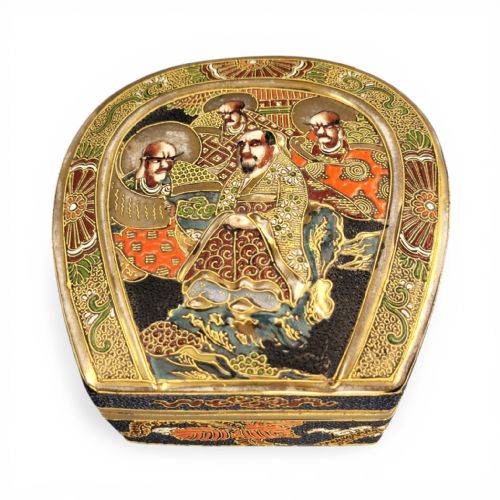
- A type of Japanese earthenware characterised by a pale, ivory crackle-glaze and elaborate polychrome enamel and gilt decoration. Many pieces feature figural scenes and floral motifs.
- Kutani
- A style of Japanese porcelain known for bold pictorial designs and rich colour palettes, often incorporating heavy gold work. Production centres around Ishikawa Prefecture.
- Charger
- A large decorative plate or platter intended for display rather than table service. These pieces frequently feature prominent rim patterns and central pictorial panels.
- Gilt
- A thin layer of gold or gold-like material applied to the surface of ceramics to create luminous decorative highlights. This technique defines much of the ornamentation on Meiji period wares.
Meiji Gilt Ceramic Dish: Frequently Asked Questions
How are meiji gilt ceramic dishes displayed?
These decorative plates and chargers suit wall mounting or placement on dedicated stands to showcase their detailed surface work.
Smaller bowls and boxes fit well on cabinet shelves or tabletops where viewers can examine the painted scenes closely.
What subjects appear on these ceramics?
Designs frequently incorporate multi-figure human scenes, floral arrangements, and traditional Japanese motifs.
Some pieces feature specific patterns like thousand flowers or bird subjects executed in enamel and gold.
How do I identify Satsuma ware?
Satsuma pieces typically display a characteristic ivory-coloured earthenware body covered in fine crackle glaze.
Makers painted these surfaces with detailed polychrome enamels and gold gilt, sometimes including artist signatures or family crests.
What is the difference between Imari and Kutani?
Imari wares rely on a distinct palette of underglaze cobalt blue combined with iron red and gold highlights on porcelain.
Kutani ceramics utilise broader pictorial compositions and heavier enamel colouration, often on porcelain bodies.