






Meiji Enamel Dish
A meiji enamel dish brings the intense discipline of nineteenth-century Japanese metalwork and ceramics directly into a modern interior.
Meiji Enamel Dish
A meiji enamel dish captures the technical ambition of Japanese artisans working during the Meiji period, spanning decorative chargers, plates, bowls, and trays.
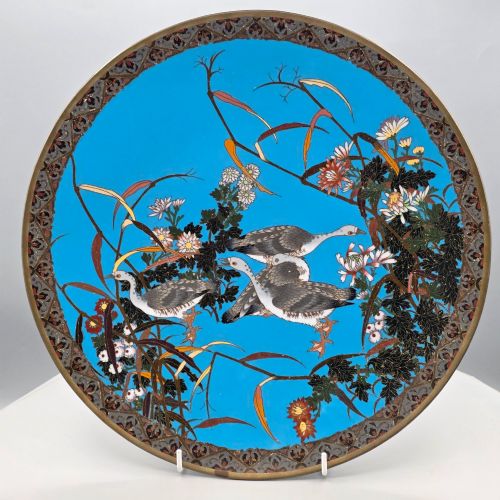
The version most frequently met on this page is the cloisonne enamel charger or plate, populated with natural motifs like birds, dragons, and flowers.
These pieces served primarily as decorative table items or cabinet showpieces, reflecting the heightened global interest in Japanese craftsmanship during the late nineteenth century.
Materials and construction methods
Metal formwork of copper or brass received intricate networks of thin wire soldered to the surface to create cells for coloured pastes.
Porcelain and earthenware bodies also served as foundations for specialised techniques like totai shippo, where enamel decoration adhered directly to ceramic surfaces.
Firing and polishing cycles locked the vitrified pastes into smooth planes, sometimes incorporating gold leaf or bronze accents.
Meiji Enamel Dish Retail Price Guide 2026
Typical asking prices for meiji enamel dish among the pieces listed under this phrase on Sellingantiques today, from the lower quarter to the upper quarter. They describe what is for sale here now, not the wider market.
Among the birds and mythical beasts, a solitary leaping koi and an inquisitive owl occasionally peer out from the enamel.
Distinctions in craftsmanship
The precision and fineness of the wirework define the upper tiers of production, requiring steady hands and microscopic exactness.
Complexity of subject matter and depth of palette distinguish ambitious narrative plates from simpler decorative vessels.
Signatures from notable workshops or individual makers indicate higher output standards and greater artistic ambition.
Kozan·Meizan·Shuzan·Yasuda·Kinkozan
The Meiji Enamel Dish Glossary
- Cloisonne
- A metalworking technique where thin wires form raised partitions that hold coloured enamel pastes before firing. This method allows for intricate pictorial designs across curved surfaces.
- Charger
- A large decorative plate intended for display on a wall or stand rather than for dining use. These pieces often feature the most complex imagery in a collection.
- Totai shippo
- A specific variation where enamel and wirework are applied directly over a porcelain or earthenware body rather than a metal base. The ceramic core remains visible beneath transparent glazes.
- Satsuma
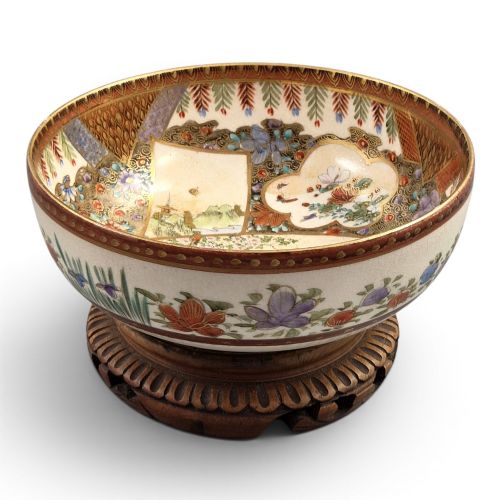
- A type of Japanese earthenware featuring a crackle-glaze ivory body, typically decorated with elaborate polychrome and gilt patterns. Bowls and dishes in this style frequently depict figures and dense floral scenes.
- Imari
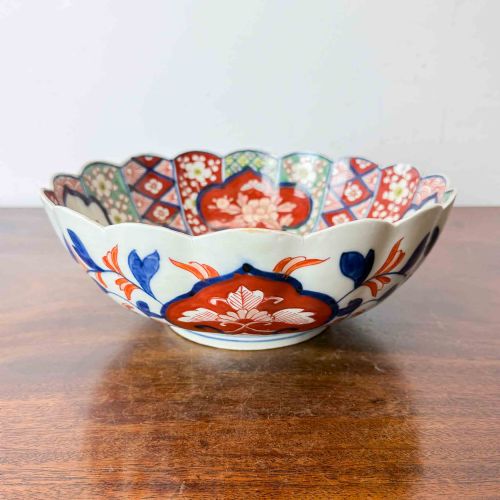
- A traditional style of Japanese porcelain characterised by underglaze blue and overglaze red, green, and gold decoration. These items originated in Arita and became central export goods.
Meiji Enamel Dish: Frequently Asked Questions
What is a meiji enamel dish?
A meiji enamel dish is a decorative plate, tray, or bowl produced in Japan during the Meiji period using metal or ceramic foundations fused with coloured glass pastes.
These objects were created for both domestic display and export, showcasing advanced metalwork, wire-embedding, and ceramic glazing techniques.
How were these dishes displayed?
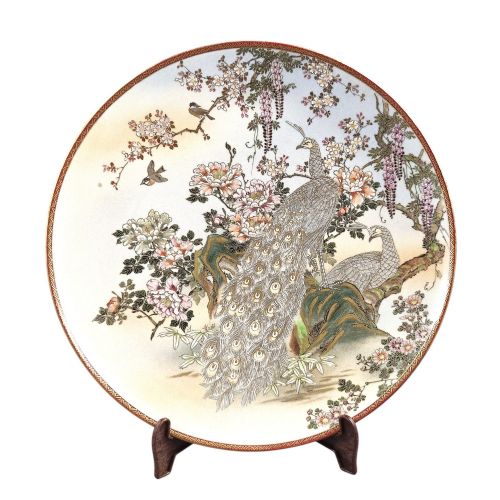
Larger chargers and plates were typically mounted on wooden stands or hung on walls to showcase their pictorial designs.
Smaller trays and bowls sat on surfaces in parlours and drawing rooms, utilised as decorative accents rather than functional tableware.
How do I identify the period?
Pieces originating from the Meiji era generally date between eighteen sixty-eight and nineteen twelve, reflecting specific aesthetic shifts in Japanese export art.
Examining the base, wire thickness, and presence of artisan signatures helps narrow down the decade of production within this timeframe.
What subjects appear on them?
Common motifs include birds such as cranes, geese, and ibises, alongside mythical creatures like dragons and phoenixes.
Floral arrangements featuring chrysanthemums, wisteria, and peonies also appear frequently alongside landscapes and human figures.