

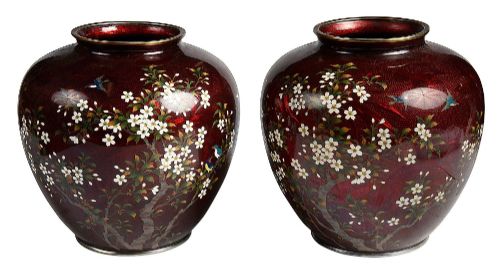



Meiji Cloisonne Enamelware
Meiji cloisonne enamelware brings together meticulous metal wirework and vibrant glass pastes to create striking Japanese decorative vessels and plates.
Meiji Cloisonne Enamelware
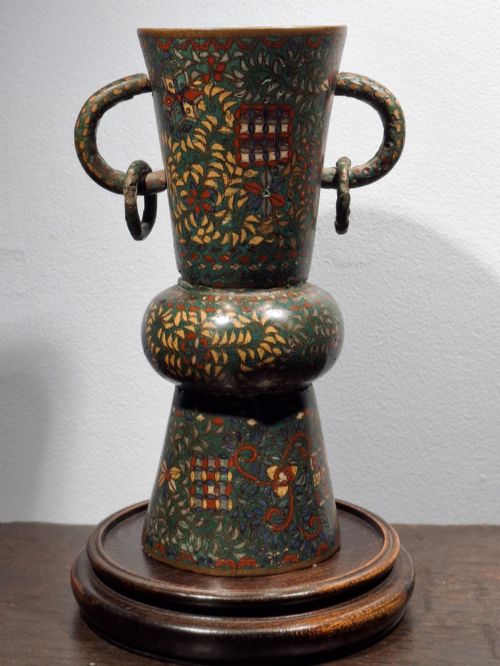
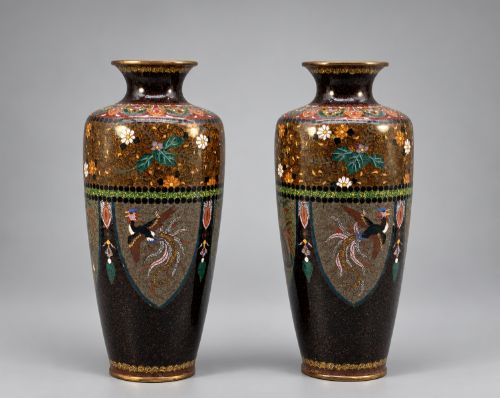
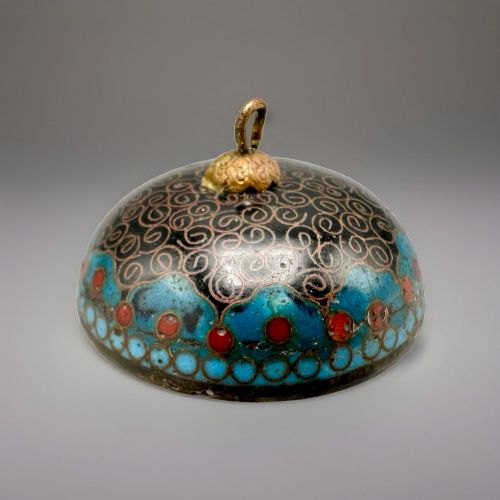
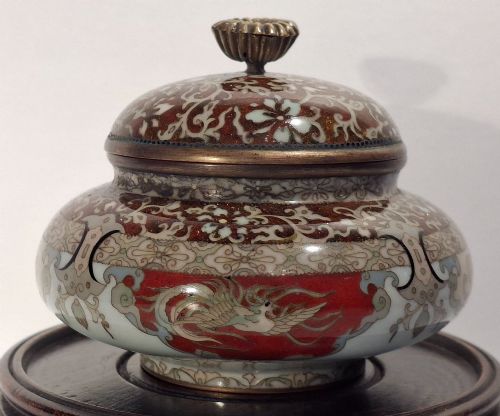
Meiji cloisonne enamelware comprises Japanese decorative items such as vases, chargers, bowls, plates, and jars originating primarily from the nineteenth and early twentieth centuries. These pieces display intricate designs depicting birds, flowers, landscapes, and dragons across various forms.
Buyers will encounter items ranging from large chargers and octagonal trays to lidded gourd pots and hanging boat koro. The selection draws heavily upon the Meiji period and related Japanese Meiji aesthetics.
Forms include both paired and single vessels, alongside shallow dishes and deep bowls. Each object reflects the distinct artistic output associated with this Japanese era.
How they were made
Craftsmen built these pieces using copper, bronze, or brass bodies as a foundation for the surface design. Fine metal wires, including brass and silver wire, were soldered onto the metal base to form the outlined cells for the composition.
Enamel paste was applied within the wire cells and fired multiple times in a kiln to fuse the glass to the metal substrate. Artisans also utilised techniques such as ginbari and basse-taille alongside silver foil to achieve translucent red enamel and textured ground effects.
Meiji Cloisonne Enamelware Retail Price Guide 2026
Typical asking prices for meiji cloisonne enamelware among the pieces listed under this phrase on Sellingantiques today, from the lower quarter to the upper quarter. They describe what is for sale here now, not the wider market.
Listings feature copper, brass, and bronze metal bases combined with enamel, silver foil, and wirework across various forms.
What varies in quality
The precision and fineness of the wirework set the standard for superior examples, where intricate motifs demand immense technical control. Complex imagery featuring dragons, samurai, or detailed bird and flower scenes requires advanced execution.
The depth and clarity of the enamel layers further distinguish finer items from standard production. Advanced variations such as transparent enamel over textured foils demonstrate greater mastery than opaque ground applications.
The Meiji Cloisonne Enamelware Glossary
- Cloisonne Enamel
- A metalwork technique where thin wires form raised cells that hold coloured glass paste before firing. This method creates detailed patterns defined by thin metallic lines.
- Charger
- A large decorative plate intended for display rather than dining use. These pieces often feature elaborate pictorial scenes across a wide surface.
- Ginbari
- A Japanese enamelling technique that uses a textured or foiled background beneath translucent enamel. It produces a distinctive patterned depth beneath the coloured glass.
- Koro
- A traditional Japanese incense burner, sometimes shaped like a boat or vessel. These lidded containers often incorporate intricate wirework and enamel decoration.
- Champleve
- An enamelling method where troughs or cells are carved directly into the metal base to hold the glass paste. This differs from soldered wire cloisons.
Meiji Cloisonne Enamelware: Frequently Asked Questions
What is meiji cloisonne enamelware?
Meiji cloisonne enamelware refers to decorative metal vessels and plates produced in Japan during the Meiji period and surrounding decades. These objects utilise soldered metal wires and coloured glass pastes to create detailed pictorial designs.
Items range from large wall chargers and table bowls to matched pairs of vases and lidded jars. Each piece showcases traditional Japanese motifs such as birds, flowers, and dragons.
How do I display chargers?
Decorative chargers are typically shown mounted on walls using specialised plate hangers or supported upright on sturdy display stands. Their wide surfaces allow the detailed bird, dragon, or landscape motifs to be viewed clearly.
Placement should avoid direct, harsh sunlight to protect the coloured enamel from fading over time. Pairing plates with complementary vases helps create a balanced Japanese antique display.
What materials were used?
The structural foundation of these items is typically formed from copper, bronze, or brass. Surface decoration relies on coloured enamel pastes held within networks of brass or silver wire.
Some advanced pieces incorporate silver foil beneath translucent enamel to add texture and depth. Wooden elements occasionally appear as part of fitted display components.
How are periods identified?
Periods are generally attributed based on stylistic characteristics, construction methods, and occasionally maker marks. Items span the nineteenth century, the Meiji period proper, and into the early twentieth century.
Stylistic shifts in wire fineness and enamel transparency help distinguish earlier nineteenth-century examples from later Edwardian or 1920s pieces. Documentation or signatures from makers like Ando Jubei provide specific chronological context.