



Meiji Bronze Urns
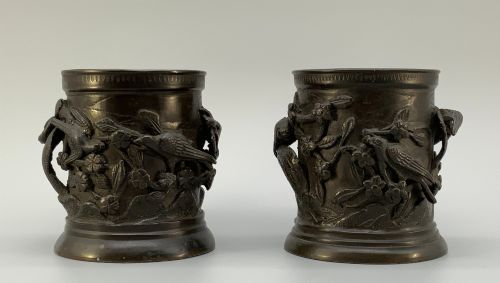
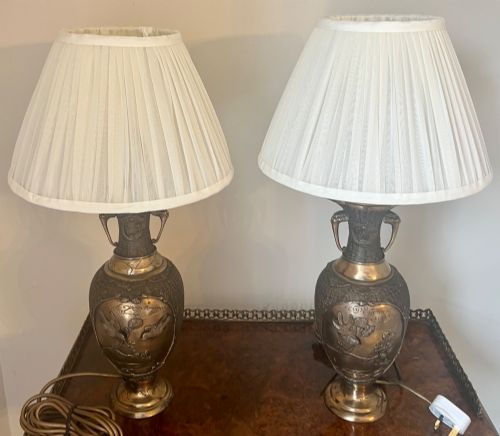
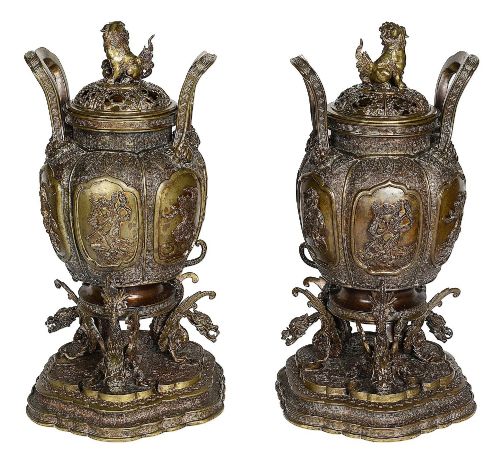
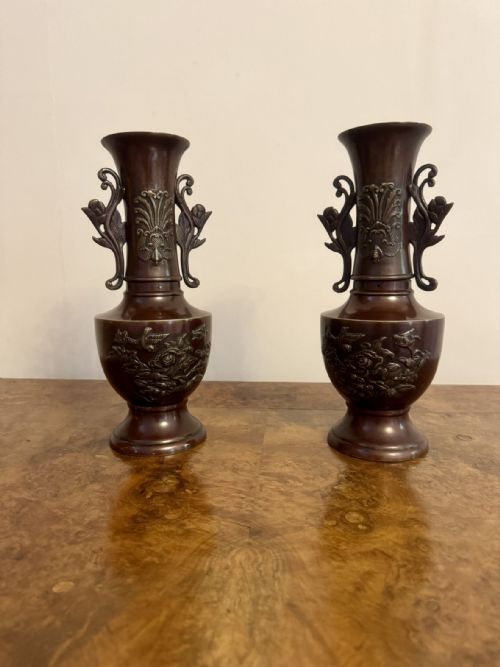
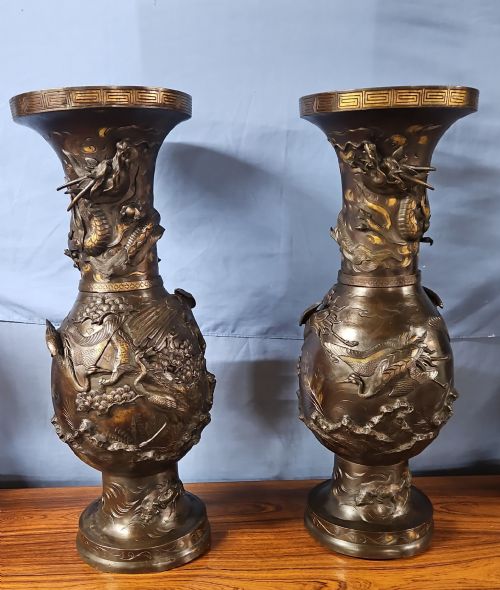
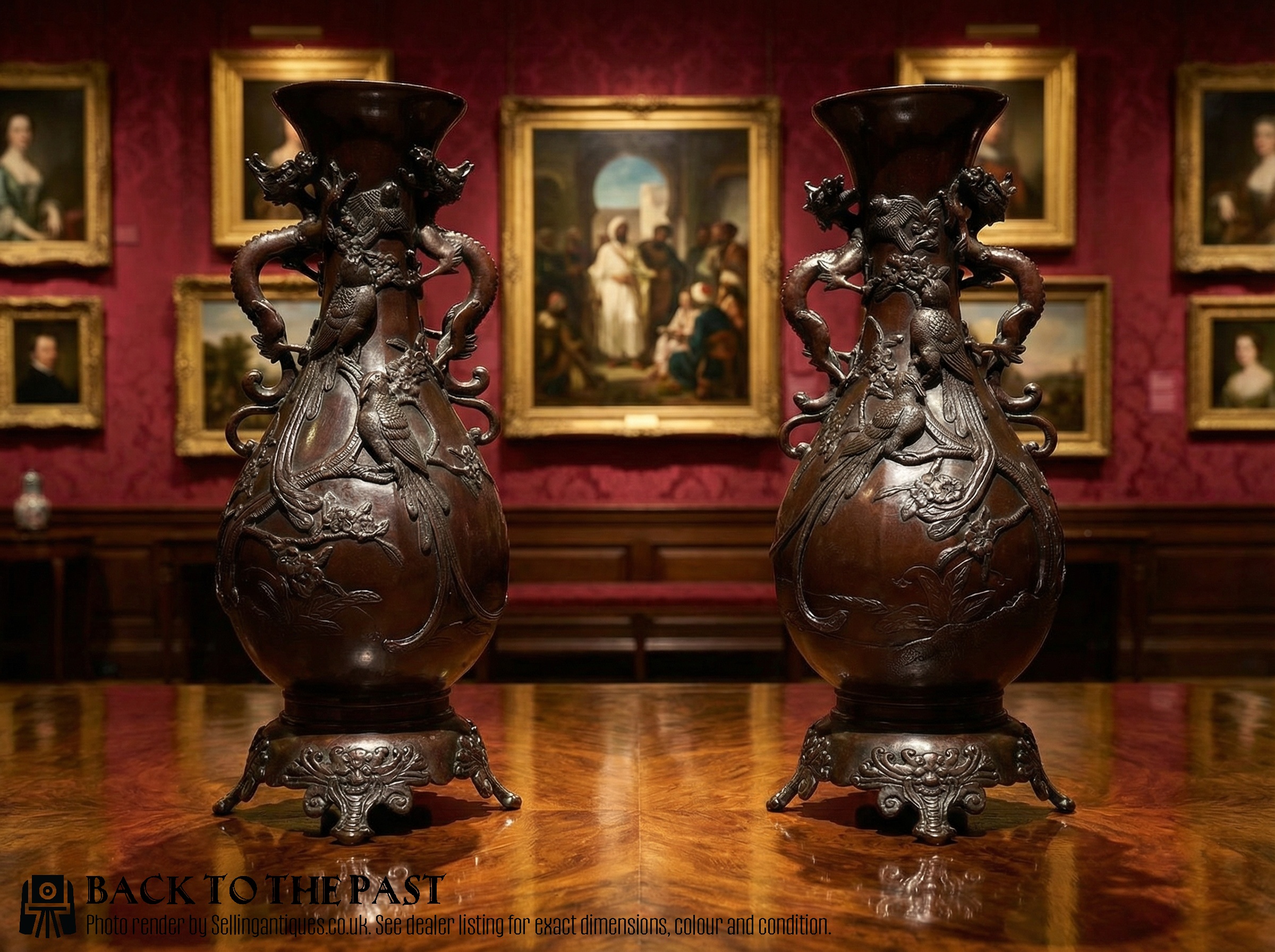
Meiji bronze urns bring exceptional Japanese metalwork into the room, offering heavy casting and complex patination.
What meiji bronze urns are
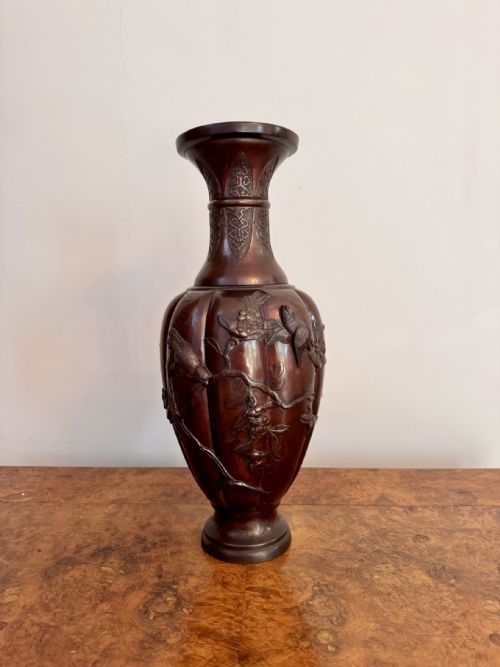
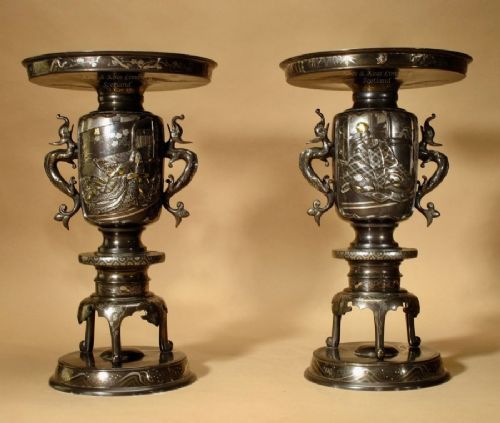
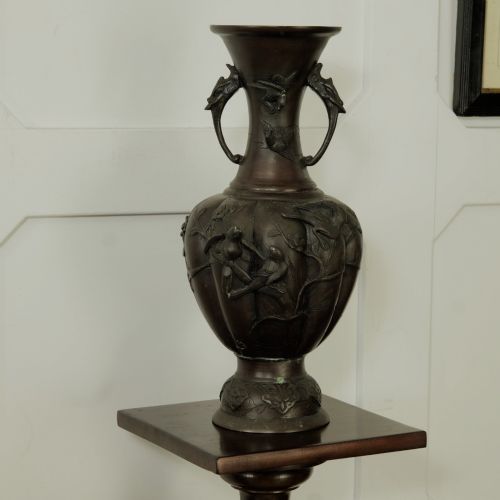
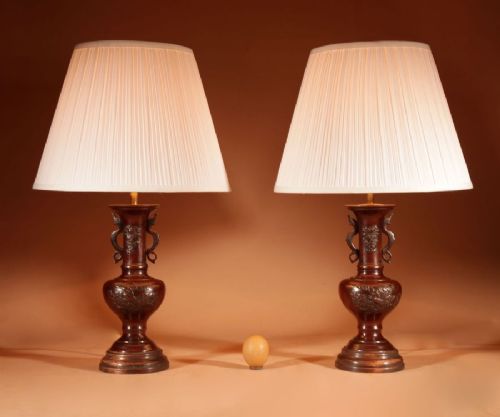
These meiji bronze urns take the form of heavy metal vases produced during the Meiji period, often appearing in matched pairs. They span production dates from 1880 through to 1900, aligning with the Victorian era in British timelines.
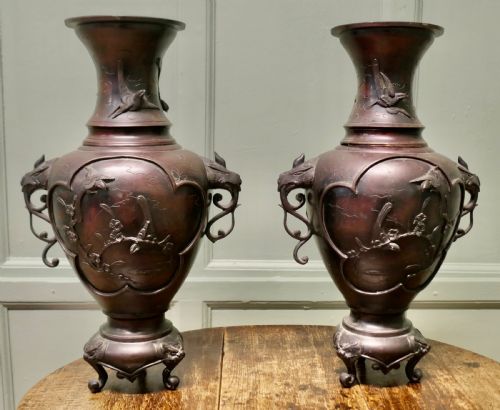
Makers shaped these bronze vessels with varying silhouettes, incorporating twin handles or sculptural motifs such as elephants to distinguish individual forms.
Every example recorded on this page is a vase, demonstrating the predominant vessel type exported during this phase of Japanese craftsmanship.
How they were made
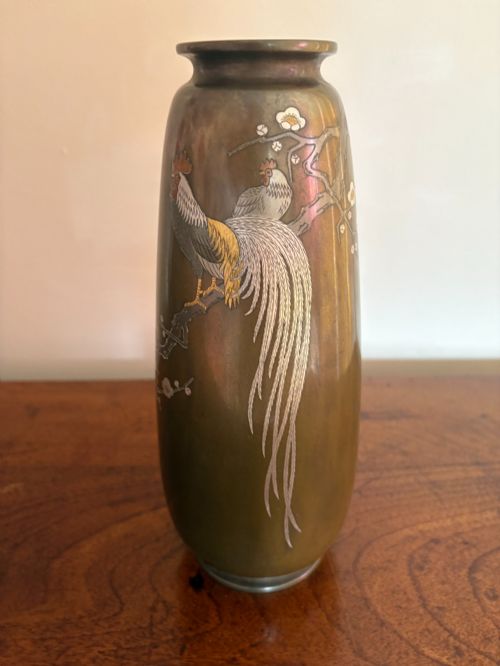
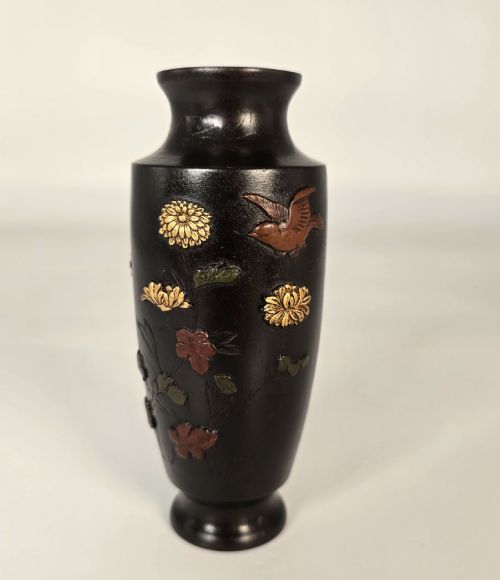
Artisans cast these pieces primarily in bronze, occasionally applying gilt bronze, pigment, or gold leaf to highlight specific decorative elements on the surface.
The casting process created substantial metal bodies capable of supporting intricate surface details and specialised patination developed by Japanese metalworkers.
Retail Price Guide 2026
Typical UK retail prices for meiji bronze urns, calculated from the Sellingantiques database of over a million retail prices indexed since 2003. This retail price guide relies exclusively on Sellingantiques data; no external sources or auction records are used, so the figures do not describe the wider market.
Watch for the elephant motif handles, proving that Victorian parlour tastes happily embraced exotic pachyderms alongside traditional bronze forms.
What varies in quality
Superior examples separate themselves through the precision of the casting and the depth of the applied pigment or gold leaf. The inclusion of a signature shifts an ordinary pair into the territory of documented studio work.
Scale and proportion drive the visual impact, where very large pairs demand greater technical mastery from the foundry than standard cabinet-sized vessels.
The Meiji Bronze Urns Glossary
- Meiji Period
- The era in Japanese history spanning from 1868 to 1912, known for opening trade with the West and the export of fine metalwork. Pieces from this time show distinct technological shifts.
- Gilt Bronze
- Bronze metal coated with a thin layer of gold or gold leaf to produce a bright, two-tone metallic surface. This technique creates contrast against darker patinated areas.
- Patination
- The chemical or natural alteration of the bronze surface over time or through intentional treatment to produce specific colours. It protects the metal while defining the visual character.
- Cast
- The method of pouring molten bronze into a mould to form the primary shape of the vase. Skilled founders minimised flaws during this initial phase.
Frequently Asked Questions
Are these vases always found as pairs?
The selection recorded here consists entirely of matched pairs, reflecting how these decorative items were originally exported to Western markets.
Buyers typically displayed them symmetrically on mantelpieces or console tables in period interiors.
How do I identify the Meiji period?
Meiji pieces date between 1868 and 1912, aligning with the late Victorian era in British chronology. The style reflects a period of rapid industrial and artistic exchange between Japan and Europe.
Datings on these listings cluster around 1880 to 1900, capturing the height of this export trade.
What materials are used besides bronze?
While bronze forms the primary structural body of each vessel, makers frequently utilised supplementary materials to enrich the surface.
Surface treatments include applied pigment, gold leaf, and gilt bronze highlights that accent the cast decorations.
Do these pieces feature signatures?
Certain examples carry maker signatures cast directly into the metal body during production. These marks help identify the specific workshop responsible for the casting.
Signed pieces indicate higher workshop ambition and provide a direct link to the artisan.