


Meiji Bronze Planter
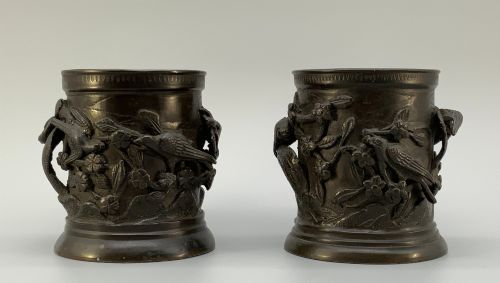
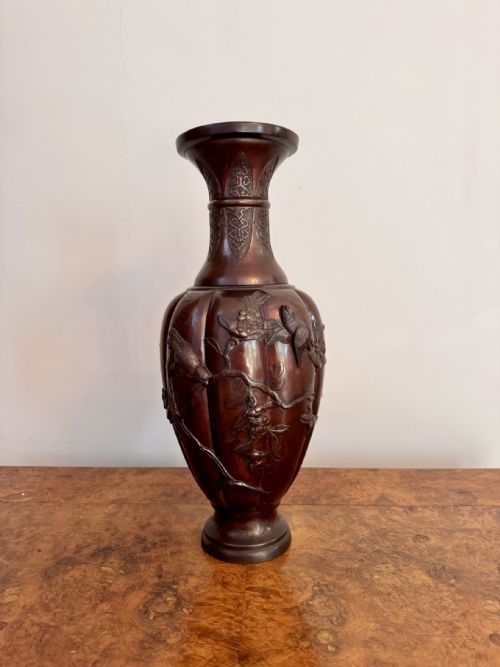
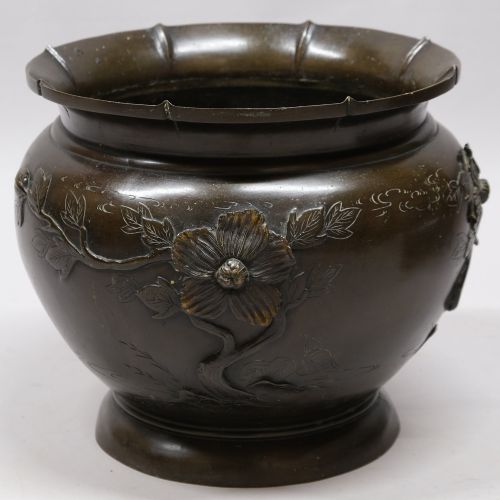
A meiji bronze planter brings heavy cast metal sculpture and botanical display together through intricate birds, blossoms, and dragons.
Meiji Bronze Planter
When searching for a meiji bronze planter, collectors encounter heavy vessel forms including jardinières, bowl planters, garden urns, and vases originating from nineteenth and early twentieth century Japan.
The objects on this page span the Edo and Meiji periods, crossing paths with Victorian trade aesthetics through export pieces that reached British homes.
Most examples function as substantial indoor bowls or garden vessels, often appearing as deep jardinières, wide planters, or tall temple vases designed for floral arrangements.
How they were made
Artisans cast these pieces in bronze, brass, and patinated bronze, frequently employing intricate relief work to render birds, blossoms, and dragons across the vessel walls.
Surface treatments vary from smooth patinated dark metal to vibrant additions of cloisonné enamel, champlevé enamel, and verdigris finishes that highlight the cast details.
Some heavy garden urns double as ancient indoor ash receptacles, proving Victorian botany often doubled as indoor smoke management.
What varies in quality
The distinction between standard vessels and exceptional pieces rests on the crispness of the cast decoration and the depth of the relief work on the bronze body.
Finishes also dictate worth, as clean patination, intact enamel work, and well-defined motifs elevate a jardinière far above plain utilitarian utility bowls.
The Meiji Bronze Planter Glossary
- Jardiniere
- A large ornamental pot or stand for indoor plants. These deep bowls sit on tables or floors to hold heavy root systems.
- Patinated bronze
- Metal treated with chemicals to produce a specific surface colour and texture. This layer protects the alloy and creates deep brown or black tones.
- Cloisonne enamel
- A technique where vitreous enamel is applied within compartments created by soldered wire strips. It adds bright colour accents to the metal body.
- Usubata
- A traditional Japanese bronze vase form featuring a broad flat mouth. These vessels support flower arrangements in ikebana displays.
- Champleve enamel
- A method where troughs are gouged into the bronze surface and filled with enamel paste before firing. This technique produces bold patterns flush with the metal.
Meiji Bronze Planter: Frequently Asked Questions
How do you clean an antique bronze planter?
Maintenance requires only gentle dusting with a soft dry cloth to protect the original patination and metal finish.
Harsh chemical cleaners or abrasive polishes strip away the aged surface layers and historical character.
Are these pieces waterproof?
Many solid bronze and cloisonné vessels hold water securely, making them suitable for live plants and cut stems.
Older or enamelled joints benefit from a protective inner liner to prevent moisture seepage over time.
How do you date a meiji bronze piece?
Dating relies on stylistic markers, casting techniques, and recorded export periods spanning the late nineteenth and early twentieth centuries.
Cross-referencing surface motifs like dragons or birds with known manufacturing eras helps narrow down the decade of production.