



Meiji Bronze Jardiniere
These Japanese meiji bronze jardiniere pieces bring heavy metalwork and intricate casting into domestic plant displays from the nineteenth century.
Meiji Bronze Jardiniere
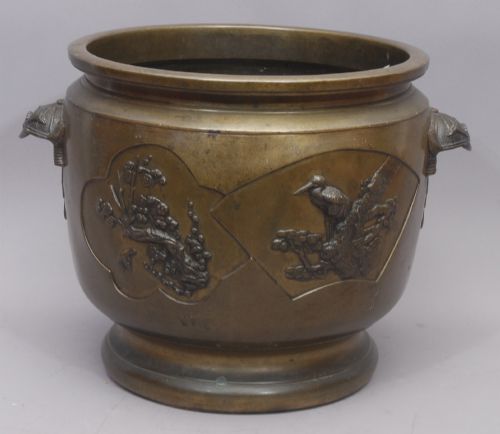
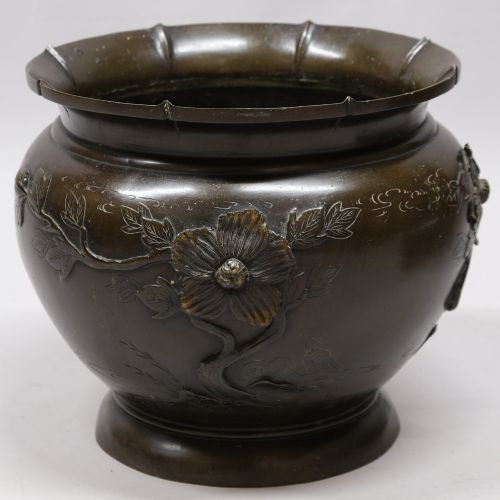
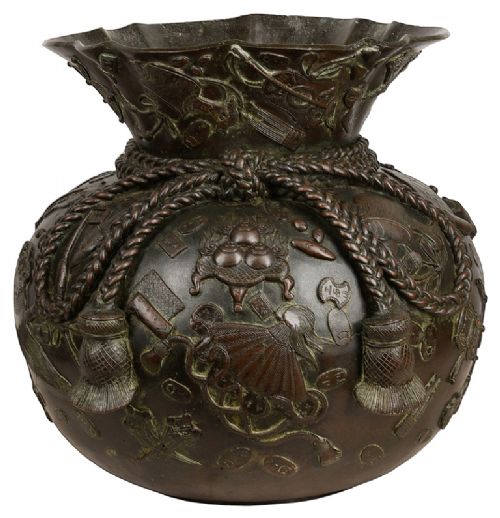
A meiji bronze jardiniere is a heavy plant vessel originating from Japan during the nineteenth century and the early twentieth century. These pieces arrive in various forms including bowls, planters, and vases designed to hold large interior plants.
The most common version on this page is the nineteenth century Japanese bronze jardiniere, often linked directly to the meiji period. Buyers encounter both round decorative bowls and larger rectangular floor standing planters.
Many examples merge Japanese meiji styles with Victorian British interior tastes, creating hybrid decorative objects that served as plant holders in nineteenth century homes.
How they were made
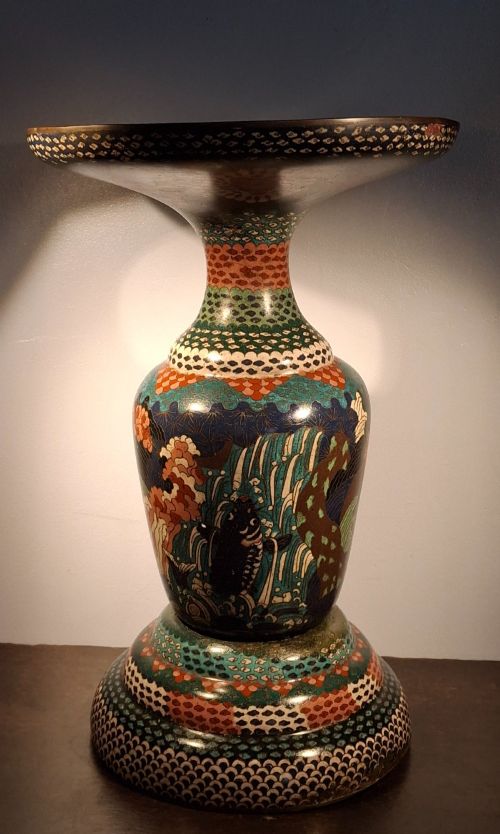
Makers utilised bronze, patinated bronze, and gilt bronze, often combining metals to achieve mixed metal surface details such as birds and kabuto motifs. Some vessels incorporate cloisonne enamel and champleve enamel sections directly into the metal body.
The casting process produced substantial bowls, with certain pieces weighing multiple kilograms to ensure stability when holding heavy plants and damp soil.
Meiji Bronze Jardiniere Retail Price Guide 2026
Typical asking prices for meiji bronze jardiniere among the pieces listed under this phrase on Sellingantiques today, from the lower quarter to the upper quarter. They describe what is for sale here now, not the wider market.
Materials recorded across the inventory include bronze, brass, patinated bronze, gilt bronze, and cloisonne enamel.
What varies in quality
The distinction between standard vessels and the finest examples rests on the crispness of the casting and the complexity of the surface decoration. Superior pieces feature detailed mixed metal work and clear signatures from the maker.
Patination and enamel preservation also dictate value. Enamel work that remains intact without loss adds considerable weight to the craftsmanship of the object.
The Meiji Bronze Jardiniere Glossary
- Meiji Period
- The era in Japanese history lasting from 1868 to 1912. This period marks a major opening of trade with the West, influencing decorative arts exported to Britain.
- Jardiniere
- A decorative pot or container used for holding flowers or plants. These vessels sit on tables or directly on the floor.
- Cloisonne Enamel
- A technique where enamel is applied to compartments separated by thin metal strips welded to the bronze base. This creates colourful geometric or pictorial patterns across the surface.
- Patinated Bronze
- Metal treated with chemicals or heat to alter its surface colour and tone. This process protects the bronze while giving it a darker, aged appearance.
- Hibachi
- A traditional Japanese heating device which was often repurposed or matched in form to decorative planters in Western interiors.
Meiji Bronze Jardiniere: Frequently Asked Questions
Are these jardiniere vessels waterproof?
Most bronze jardinieres were designed to hold plants in inner pots rather than soil directly against the cast metal.
Using a liner prevents moisture from sitting in the base and preserves the interior patination.
How do I clean a bronze planter?
Dust the surface gently with a soft dry cloth to remove everyday particles without disturbing the original finish.
Avoid abrasive cleaners or chemical polishes that strip away the aged bronze patination.
Where should I place a heavy bowl?
These vessels require sturdy furniture or direct floor placement due to their substantial metal weight.
Ensure the surface can support several kilograms of bronze plus the additional weight of earth and foliage.
How do I date a meiji piece?
Look to the manufacturing style, material combinations, and any associated period markers noted in the description.
Objects from this span often combine traditional Japanese casting methods with nineteenth century export requirements.