
Mechanical Pocket Watch Gold
A mechanical pocket watch gold piece is a portable timepiece driven by springs and gears, offering traditional horology wrapped in precious metal.
Mechanical Pocket Watch Gold
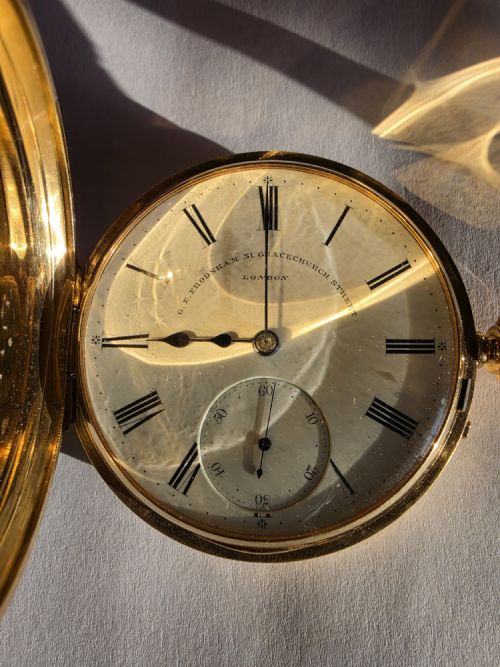
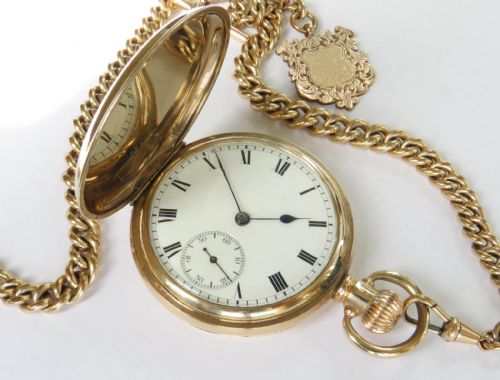
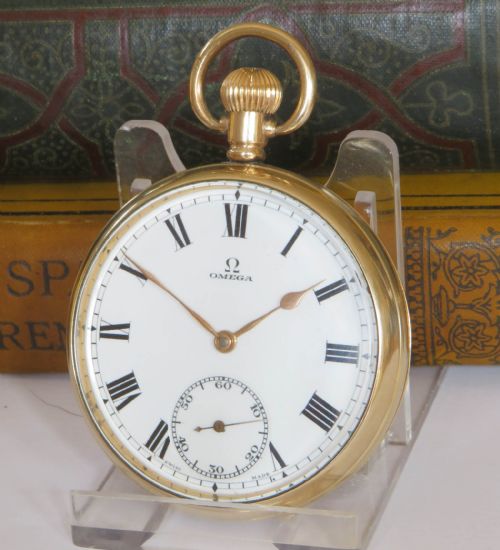
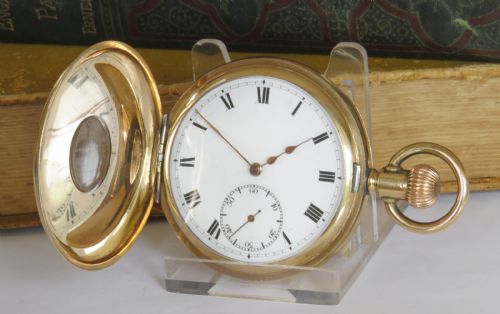
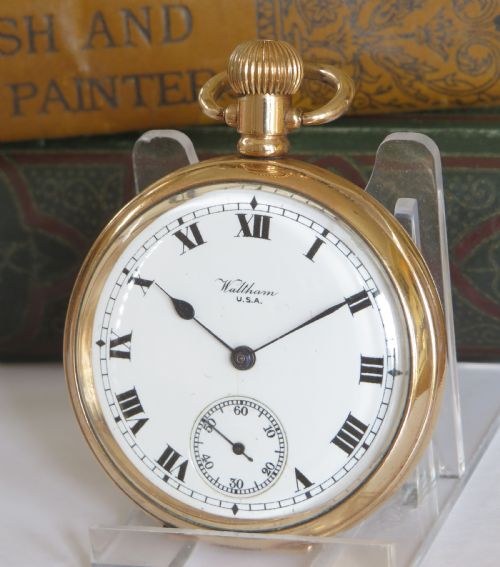
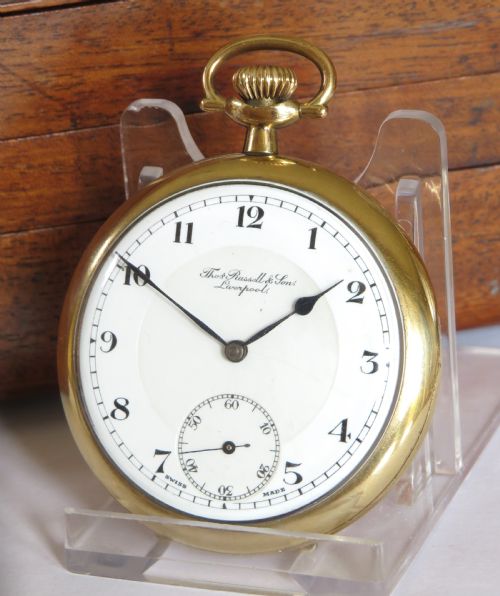
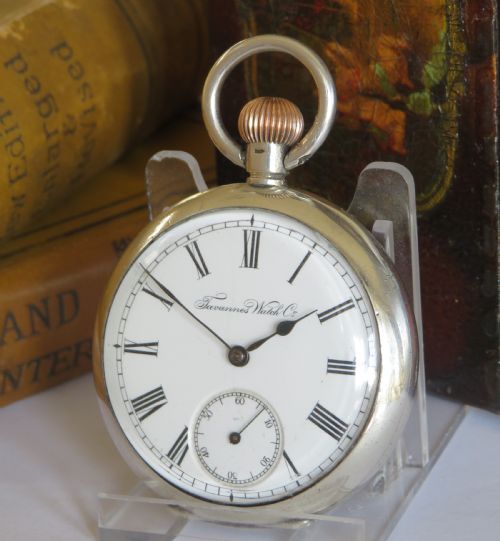
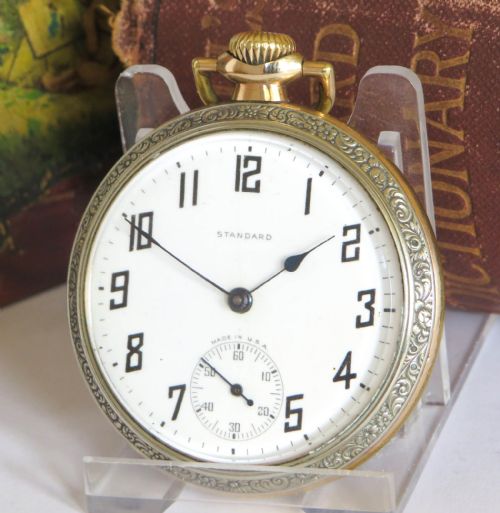
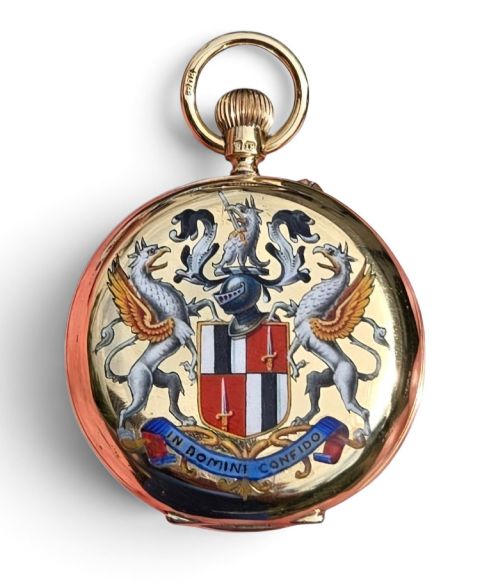
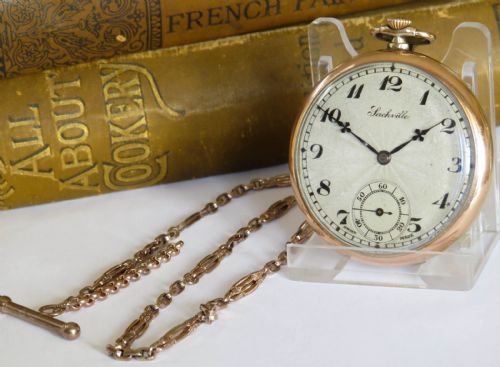
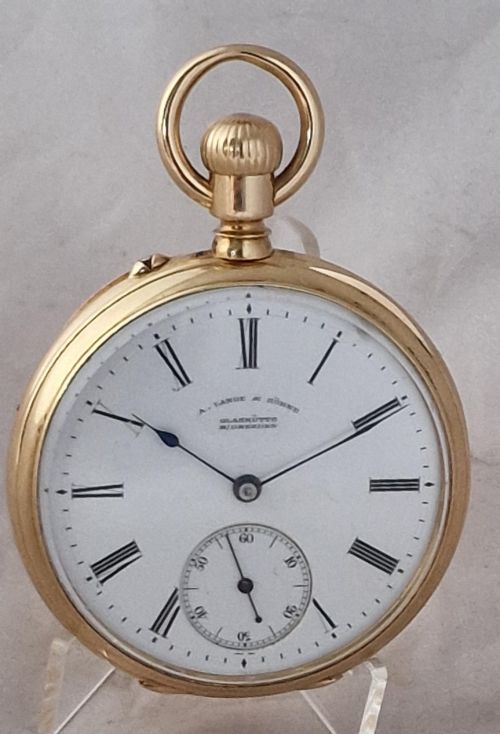
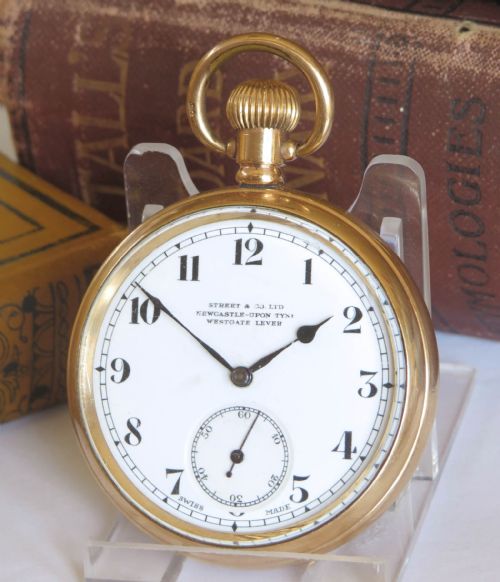
When you search for a mechanical pocket watch gold item, you encounter portable timepieces that span periods from the Georgian era through to the 1950s. These pieces include open-faced designs and half hunter variants featuring protective front covers with small viewing apertures.
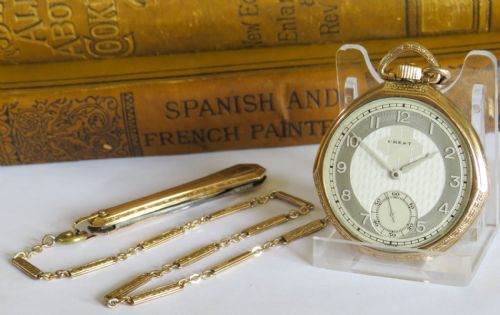
The selection ranges from Victorian fusee models and Edwardian pieces to Art Deco designs from the 1920s and 1930s. Mid-century examples also appear alongside earlier nineteenth-century items.
Most entries on this page originate from established makers and workshops operating in Britain, Switzerland, and America. These watches served practical daily timekeeping functions for generations before becoming collectible items.
Materials and construction
Internal mechanisms rely on intricate brass and steel gear trains, mainsprings, and escapements assembled by hand. Fusee movements incorporate chains and conical drums to equalise the mainspring pull as it unwinds.
Listings feature periods spanning from the Georgian era through Victorian, Edwardian, and Art Deco styles up to the 1950s.
Judging quality in these timepieces
Quality separates through the precision and finish of the internal movement rather than external appearance alone. Hand-finished components, jewel bearings, and adjusted escapements distinguish superior horology from standard production pieces.
Case materials also determine standing, with solid 18-karat gold housings representing the upper echelon compared to gold-filled or plated alternatives. The reputation of the maker and the complexity of the mechanism, such as fusee setups, elevate particular examples.
George Edward Frodsham·Waltham·Omega·Thomas Russell and Son·Tavannes·R Stewart Glasgow·Lange and Sohne·Elgin·Smiths De Luxe·Hamilton
The Mechanical Pocket Watch Gold Glossary
- Half hunter
- A pocket watch featuring a solid outer case with a glass or open centre window that reveals the central hands without opening the cover. This design protects the delicate dial during transit.
- Full hunter
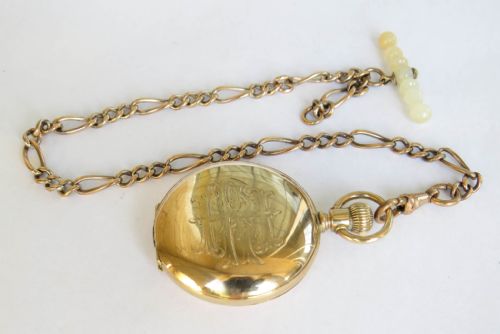
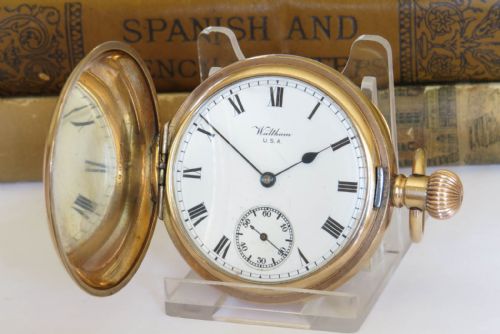
- A pocket watch fitted with a full spring-loaded metal cover that completely conceals the glass and dial until a release button is pressed. It provides maximum protection for the face.
- Fusee
- A conical pulley connected to the mainspring by a chain, designed to maintain even power delivery to the movement as the spring unwinds. This mechanism is common in older English watches.
- Stem winding
- A mechanism allowing the mainspring to be wound via the crown at the top of the case rather than requiring a separate key. This innovation dominated later Victorian and twentieth-century production.
- Open faced
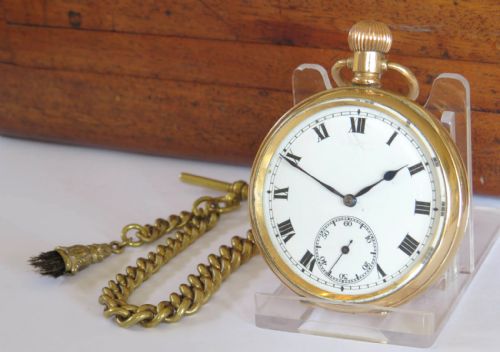
- A pocket watch manufactured without a protective metal cover over the dial, allowing immediate visibility of the hands and numerals. These pieces often pair with waistcoats and watch chains.
Mechanical Pocket Watch Gold: Frequently Asked Questions
How do I wind a mechanical pocket watch?
Winding involves turning the crown at the top of the case clockwise until gentle resistance is felt. Avoid forcing the crown once tension increases to protect the mainspring.
Most vintage pieces require daily winding to maintain accurate timekeeping throughout twenty-four hours.
What is the difference between open faced and hunter watches?
Open faced watches expose the dial continuously for instant reading. Hunter models protect the glass beneath a hinged metal lid that opens via the crown button.
Choosing between them depends on whether you prefer quick visibility or extra protection for the dial.
How do I wear a pocket watch?
Pocket watches typically secure to a waistcoat or jacket buttonhole using a short length of chain or fob. The watch rests inside the pocket while the chain spans across the chest.
Ensure the chain is securely fastened to prevent accidental drops on hard surfaces.
Can these watches keep accurate time daily?
Many vintage movements maintain reliable time when properly serviced and regulated by a professional horologist. Minor daily variations are normal for mechanical pieces produced decades ago.
Regular cleaning and oiling keep the internal gears operating smoothly across changing temperatures.