
Mechanical Manual Wind Watch
A mechanical manual wind watch offers a direct physical connection to horological history through daily hand-wound operation.
Mechanical Manual Wind Watch
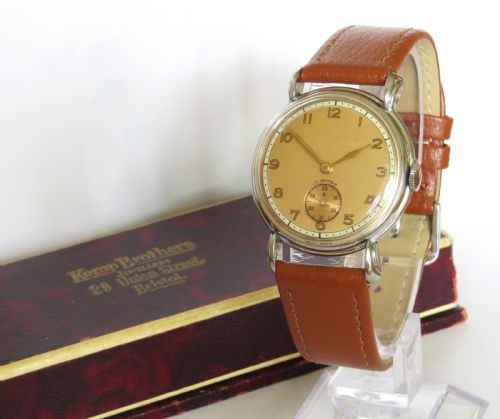
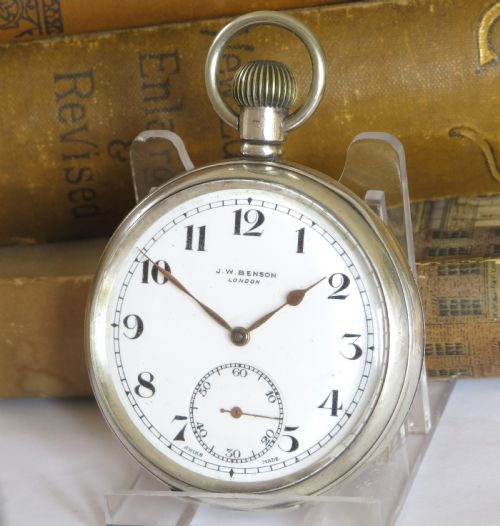
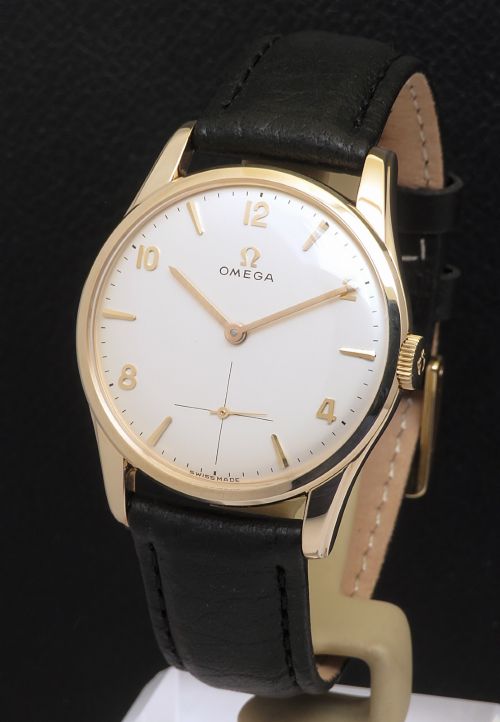
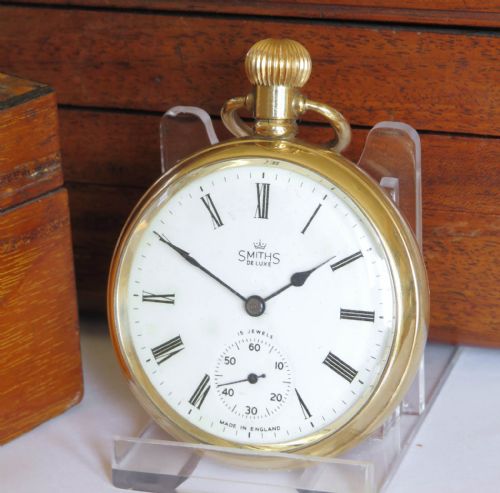
A mechanical manual wind watch encompasses both wristwatches and pocket watches driven by internal springs rather than batteries or automatic weights. These timepieces span the early twentieth century through the nineteen-seventies, covering Edwardian pocket watches to Mid-Century Modern wristwatches.
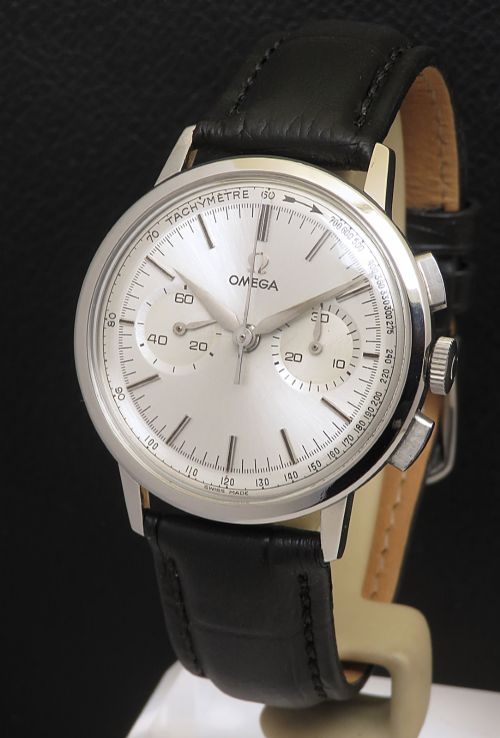
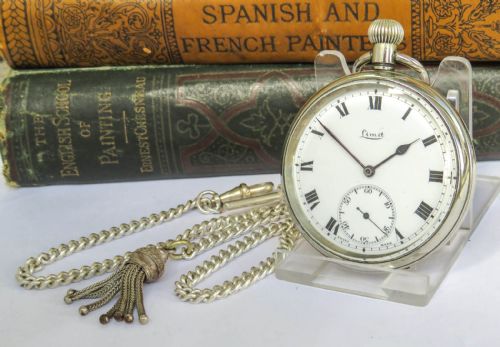
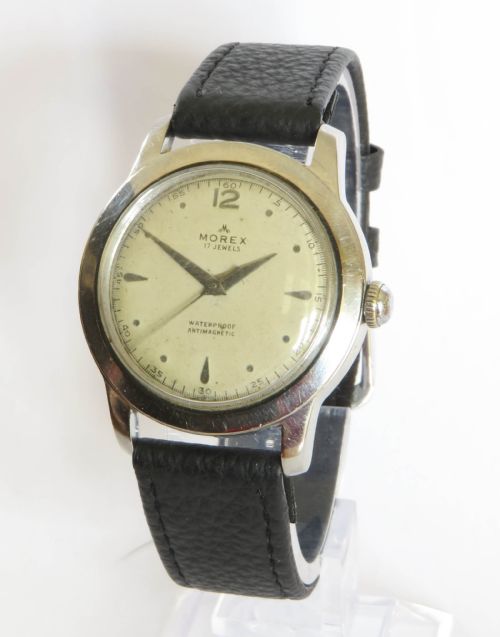
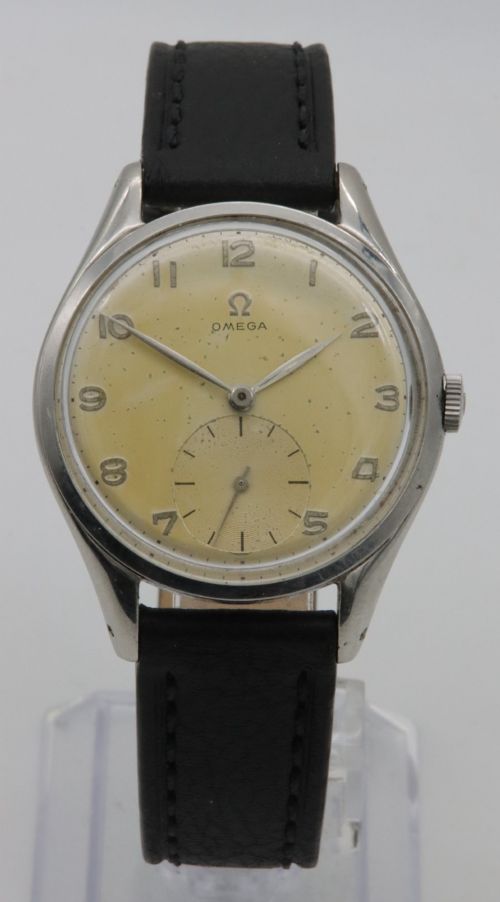
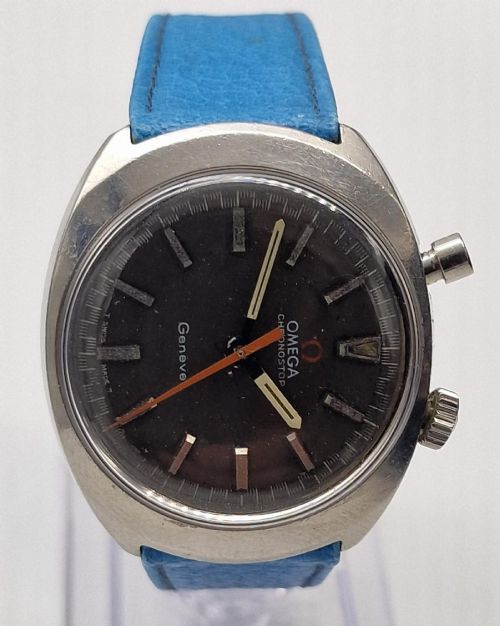
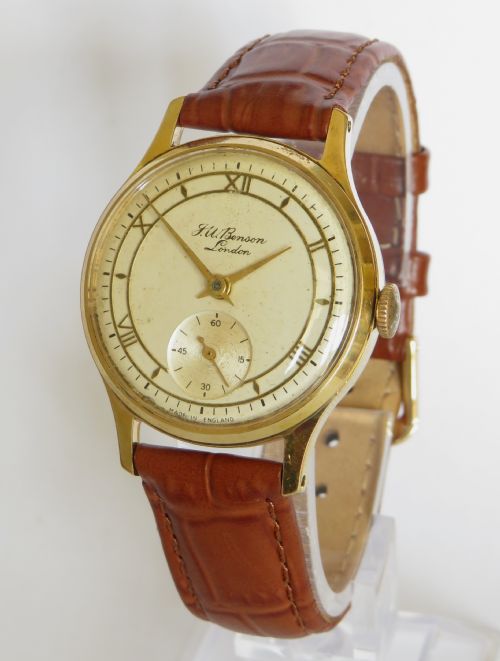
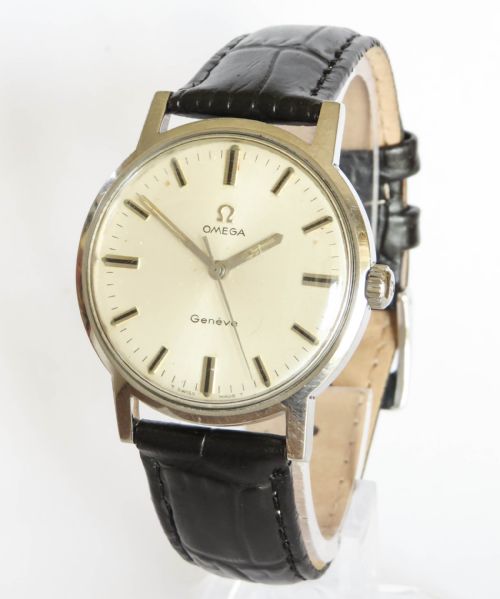
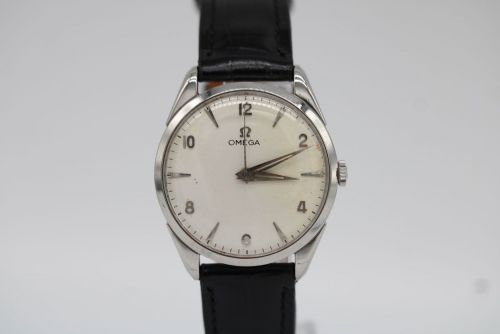
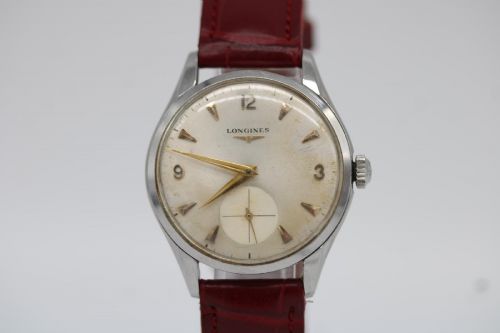
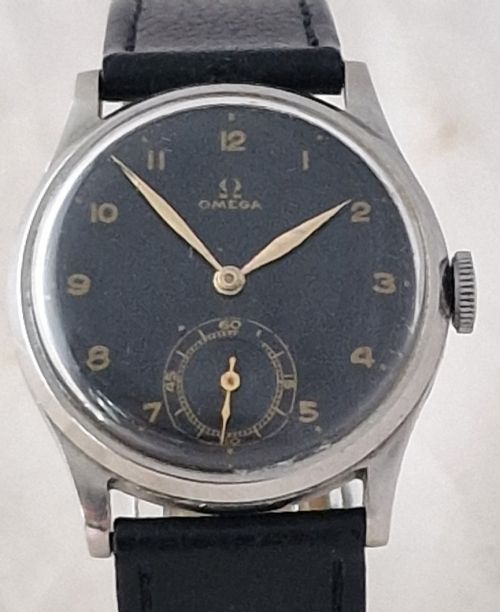
The selections on this page lean heavily toward wristwatches from the nineteen-fifties and nineteen-sixties alongside pocket watches originating from the nineteen-tens to the nineteen-forties. Makers such as Omega, Longines, Smiths, and Cyma appear frequently across various styles including Art Deco and Mid-Century British.
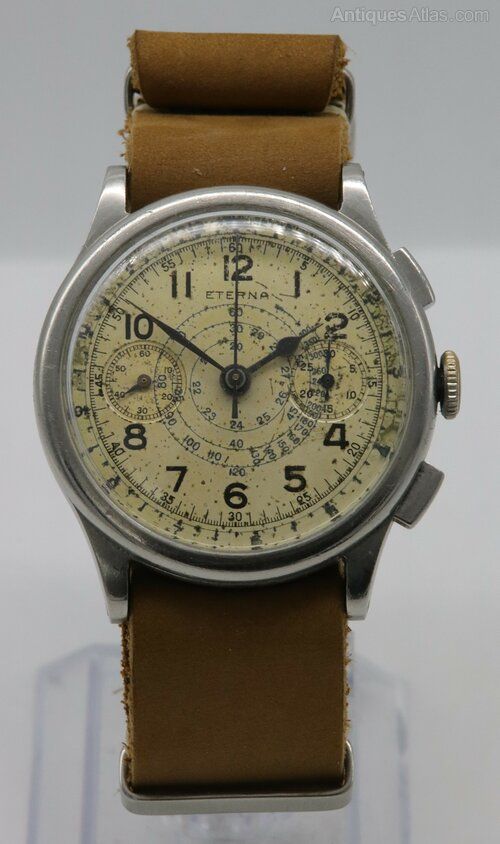
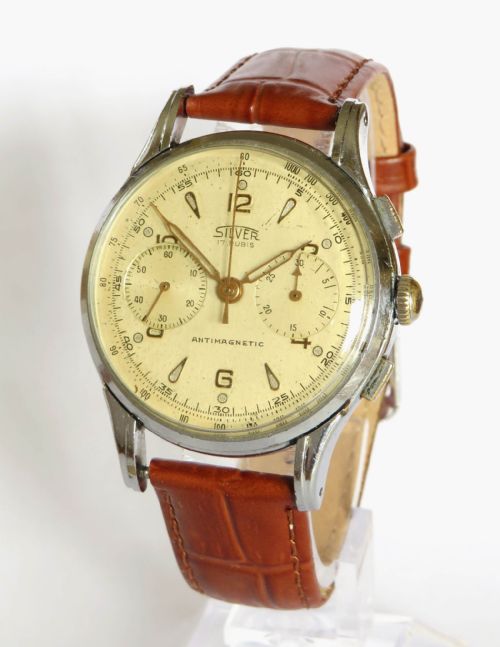
Buyers encounter diverse case forms constructed for daily wear or specific tasks, such as chronographs and drivers edition models. The material execution ranges from simple stainless steel to solid nine carat gold and silver.
Materials and construction methods
Cases utilise metals such as stainless steel, silver, gold plate, and solid nine carat gold, paired with protective crystal or acrylic lenses over the dial. Leather straps frequently secure wristwatches, while pocket watches connect via matching metal chains.
Internal movements rely on intricate assemblies of gears, springs, and escapements designed to be wound by hand via the crown. Enamel and metal dials feature printed or applied markers, often protected by specialised sub-dials for chronograph functions.
The available inventory spans seven distinct decades, ranging from nineteen-hundred pocket watches to nineteen-seventy wristwatches.
Factors distinguishing standard pieces from exceptional examples
Quality separates through the originality of components, such as dials remaining untouched by heavy restoration and cases retaining sharp, unpolished edges. Original boxes, specific calibre designations, and documented service histories elevate certain examples above standard pieces.
The complexity of the internal movement also dictates standing, with multi-register chronographs and adjusted chronometer calibres representing higher tiers of watchmaking skill than basic three-hand time-only movements.
Omega·Limit Revue·Morex·Montilier·Cyma·J W Benson·Eterna·Antoremi·Smiths·Longines·Venus·Seiko·Gloriosa·Enicar·Zenith·Kered·Certina·Tudor·Nirvana International·Doxa·Waltham·Breitling
The Mechanical Manual Wind Watch Glossary
- Calibre
- The specific manufacturer's designation for a particular watch movement design. This number helps identify the exact internal mechanism housed within the case.
- Chronograph
- A watch equipped with a stopwatch function alongside the standard time-displaying hands. Independent sub-dials typically record elapsed seconds and minutes.
- Manual wind
- A movement powered entirely by manually turning the crown to tension the mainspring. Unlike automatic watches, these require regular winding by hand to function.
- Half hunter
- A pocket watch featuring a case with a glass or open centre panel on the outer cover. This allows the user to read the primary hands without opening the case fully.
- Panda dial
- A watch face featuring a light-coloured background with contrasting dark sub-dials. The layout visually resembles the facial markings of a panda.
Mechanical Manual Wind Watch: Frequently Asked Questions
How often should a manual wind watch be wound?
These watches typically require winding once every twenty-four to forty-eight hours depending on the specific mainspring power reserve. Owners generally establish a consistent morning routine for winding to maintain accurate timekeeping.
Overwinding should be avoided by stopping immediately when resistance is felt in the crown. Regular daily winding ensures the internal lubricants distribute evenly across the mechanical components.
How do I identify the production era of these watches?
Stylistic cues such as dial typography, hand shapes, and case geometry provide initial clues regarding the decade of manufacture. Art Deco styles point toward the nineteen-twenties and thirties, while bold markers suggest mid-century periods.
Internal movement serial numbers and stamped case hallmarks offer more precise dating references. Consulting manufacturer archives using these specific numbers often reveals the exact year of production.
Can I wear a vintage pocket watch daily?
Pocket watches function reliably for daily wear when secured properly to clothing via a matching chain. Waistcoat pockets or secured jacket pockets protect the polished silver or gold cases from accidental drops.
Regular handling requires care to prevent dust entering the movement when the case is opened. Storing the piece safely at night maintains its condition for continuous use.