
Marquetry Inlay Display Case
Marquetry inlay display cases combine fitted glass and timber to hold precious objects, bringing nineteenth-century craftsmanship into a room.
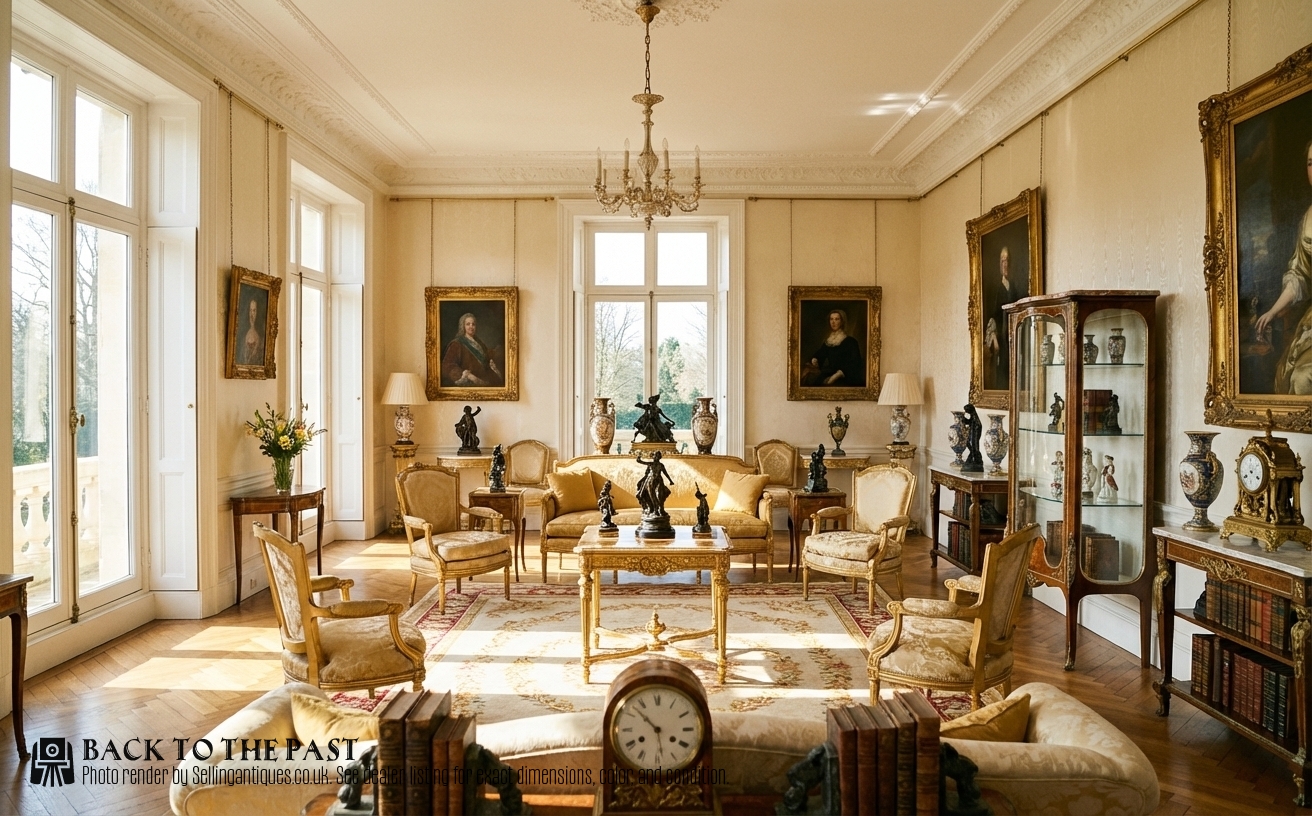
Marquetry Inlay Display Case
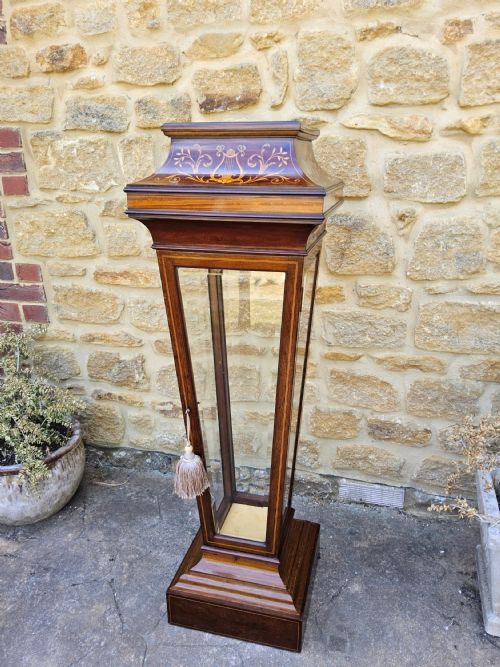
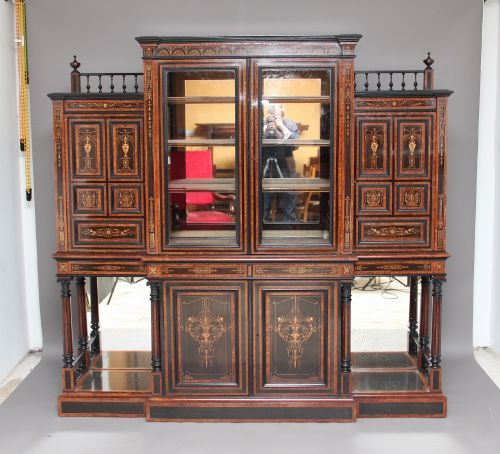
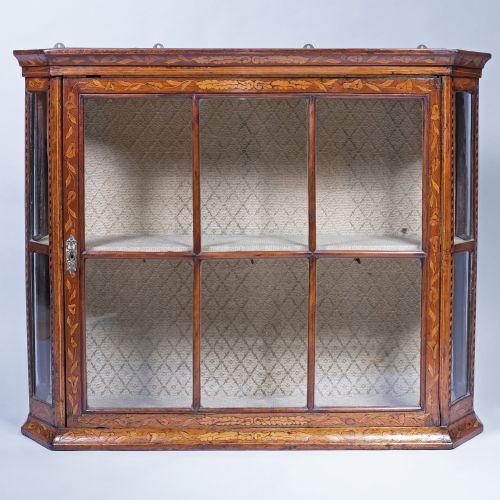
A marquetry inlay display case takes the form of pier cabinets, credenzas, corner cabinets, wall cabinets, and freestanding vitrines designed to show possessions behind glass. The search phrase covers these glazed storage forms across the Victorian, Edwardian, and nineteenth-century periods.
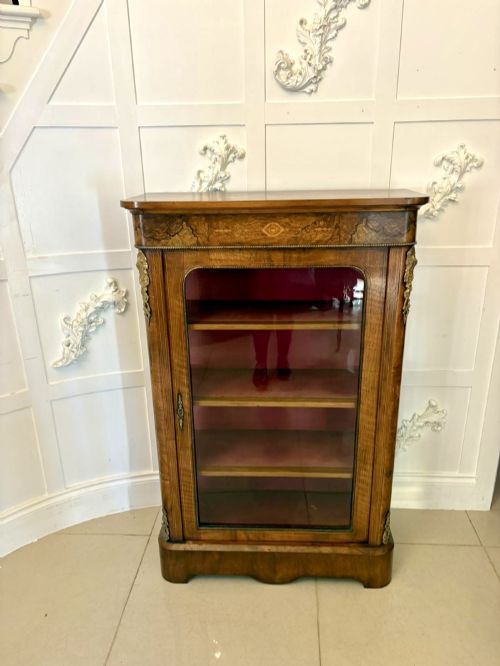
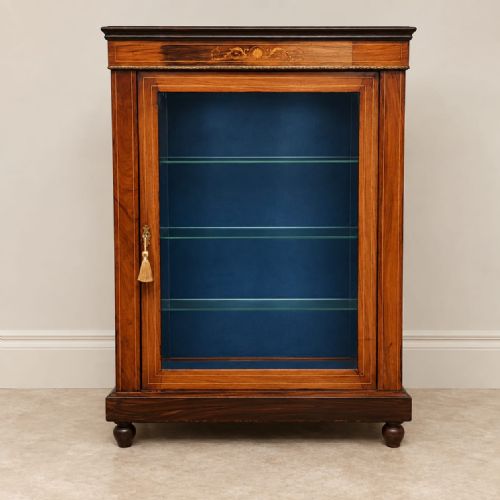
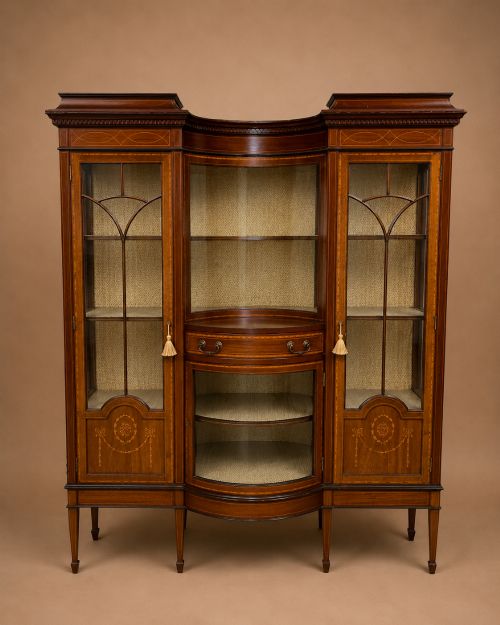
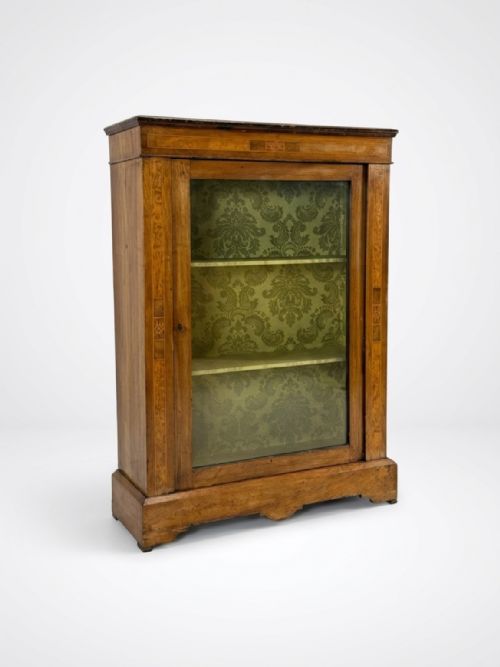
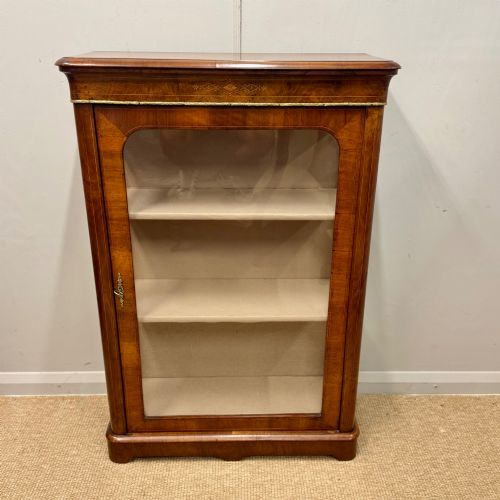
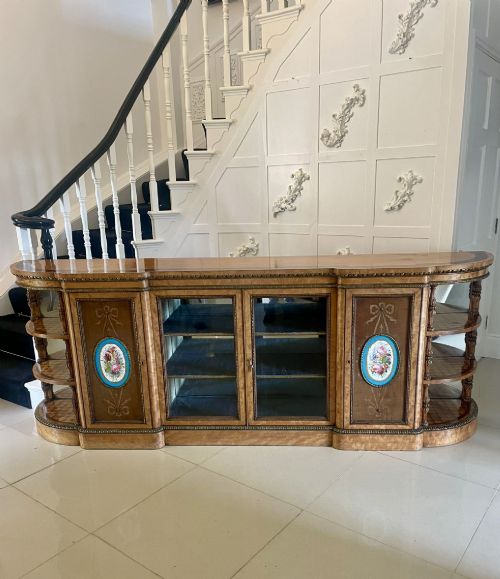
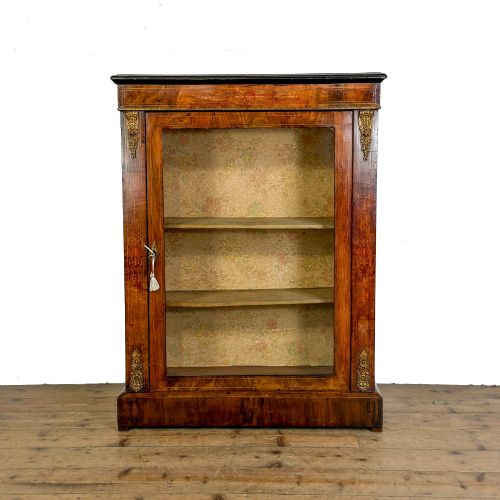
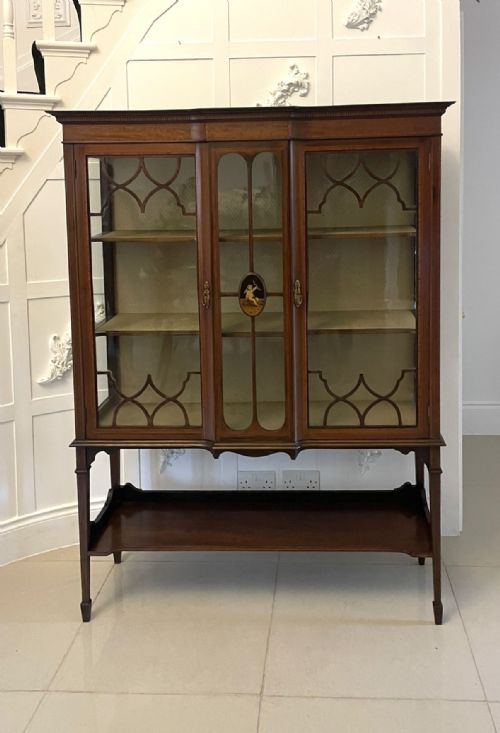
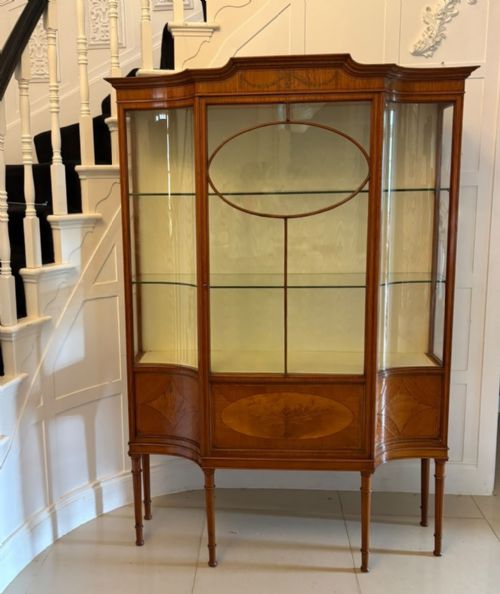
The most common version met on this page is the Victorian or Edwardian pier cabinet in walnut or mahogany, often fitted with intricate marquetry and brass mounts. These pieces range from small scale collectors cabinets to monumental credenzas.
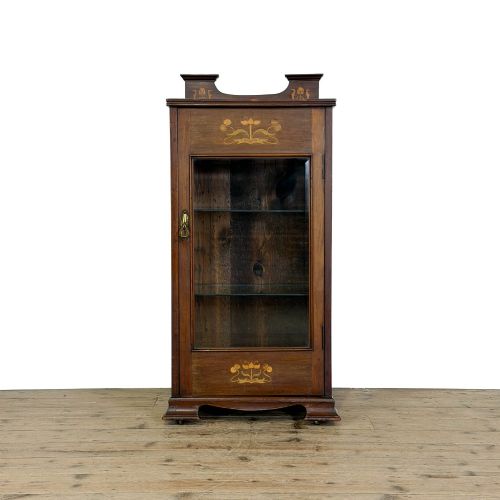
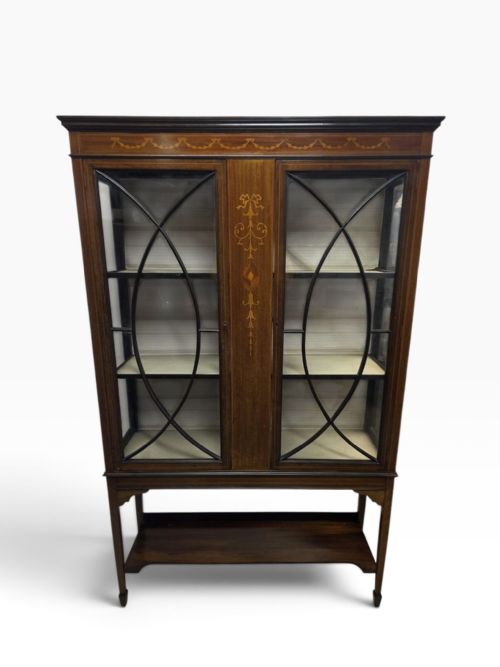
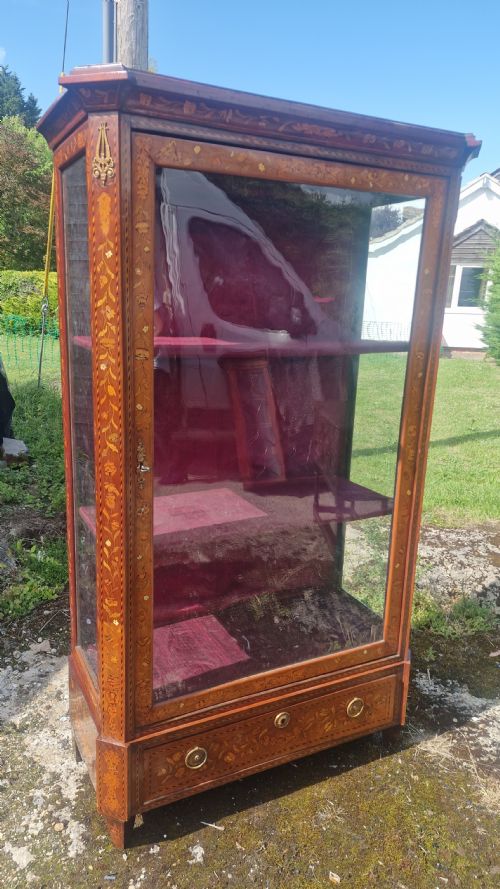
Makers such as Lamb of Manchester and James Hicks appear in the records alongside French Napoleon III ebonised boulle work and Dutch marquetry vitrines. Styles span Sheraton Revival, Art Nouveau, and the Aesthetic Movement.
How they were made
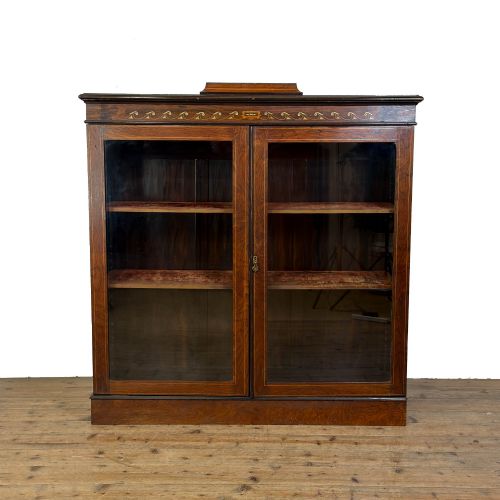
Cabinet makers used timber frames of mahogany, walnut, burr walnut, and satinwood, applying finely cut wood veneers to form complex marquetry patterns. Ormolu mounts, brass details, and glazed doors completed the construction.
Interiors frequently received fabric or velvet linings to cushion displayed objects, whilst glass panes were set into wooden doors or bowed fronts.
What varies in quality
Quality rests upon the precision of the timber veneer work and the complexity of the marquetry inlay. Cabinets with figured burr walnut, detailed ormolu mounts, and fine proportions sit at the upper end of the range.
The choice of secondary woods, the execution of glazed doors, and the depth of the cabinet carcass distinguish standard production from exceptional examples.
Lamb of Manchester·James Hicks
The Marquetry Inlay Display Case Glossary
- Marquetry
- Decorative veneer work assembled in patterns using different coloured woods and materials. It creates pictorial or geometric designs across the surface of the cabinet.
- Pier cabinet
- A narrow cabinet designed to stand against the wall space between windows. These upright cases frequently feature glass doors and inlaid timber.
- Ormolu
- Gilt bronze mounts applied to furniture for decoration. This material accents corners, borders, and feet on nineteenth-century cases.
- Vitrine
- A glass-fronted cabinet or display case. It allows objects to be viewed from multiple angles.
- Credenza
- A low cabinet or sideboard, sometimes fitted with display sections. Large examples combine marquetry with extensive shelving and glass.
Marquetry Inlay Display Case: Frequently Asked Questions
What is a marquetry inlay display case used for?
These cabinets were designed to hold and protect collections of ceramics, glass, and curiosities behind glass panels. The glazed doors kept dust away while allowing owners to exhibit their valuables in reception rooms.
Over time, collectors have used them for similar purposes, placing small sculptures, porcelain, and books inside the fitted shelving.
How do I tell Victorian from Edwardian cabinets?
Victorian examples frequently utilise dark woods like walnut and mahogany, often featuring heavy proportions, burr veneers, and ormolu mounts. Pieces from this era date from the mid to late nineteenth century.
Edwardian cabinets, dating around 1900, tend towards lighter satinwood and Sheraton Revival influences, displaying more delicate inlay work and airier forms.
Where were pier cabinets placed?
Pier cabinets were built specifically to fit the narrow stretch of wall between two windows, known as the pier. Their shallow depth allowed them to occupy this otherwise difficult space without blocking light or movement.
Because they were made for prominent reception rooms, makers lavished extra attention on their marquetry fronts.
How do I care for a wood and glass display case?
Keep the timber away from direct sunlight and sudden temperature changes to protect the delicate veneer and marquetry inlay from splitting. Dust the wood gently with a dry cloth.
Clean the glass panels with a mild cleaner applied to a cloth rather than sprayed directly onto the surface, preventing moisture from reaching the antique wood frame.