
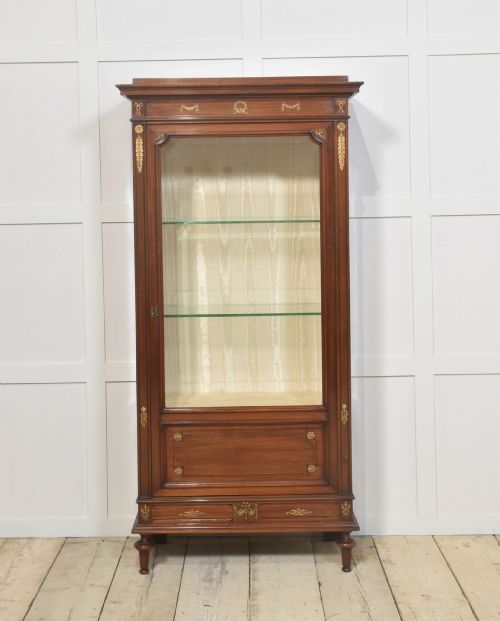


French Style Curio Display
A French style curio display brings continental elegance into a room, offering glazed protection for cherished ornaments and delicate small treasures.
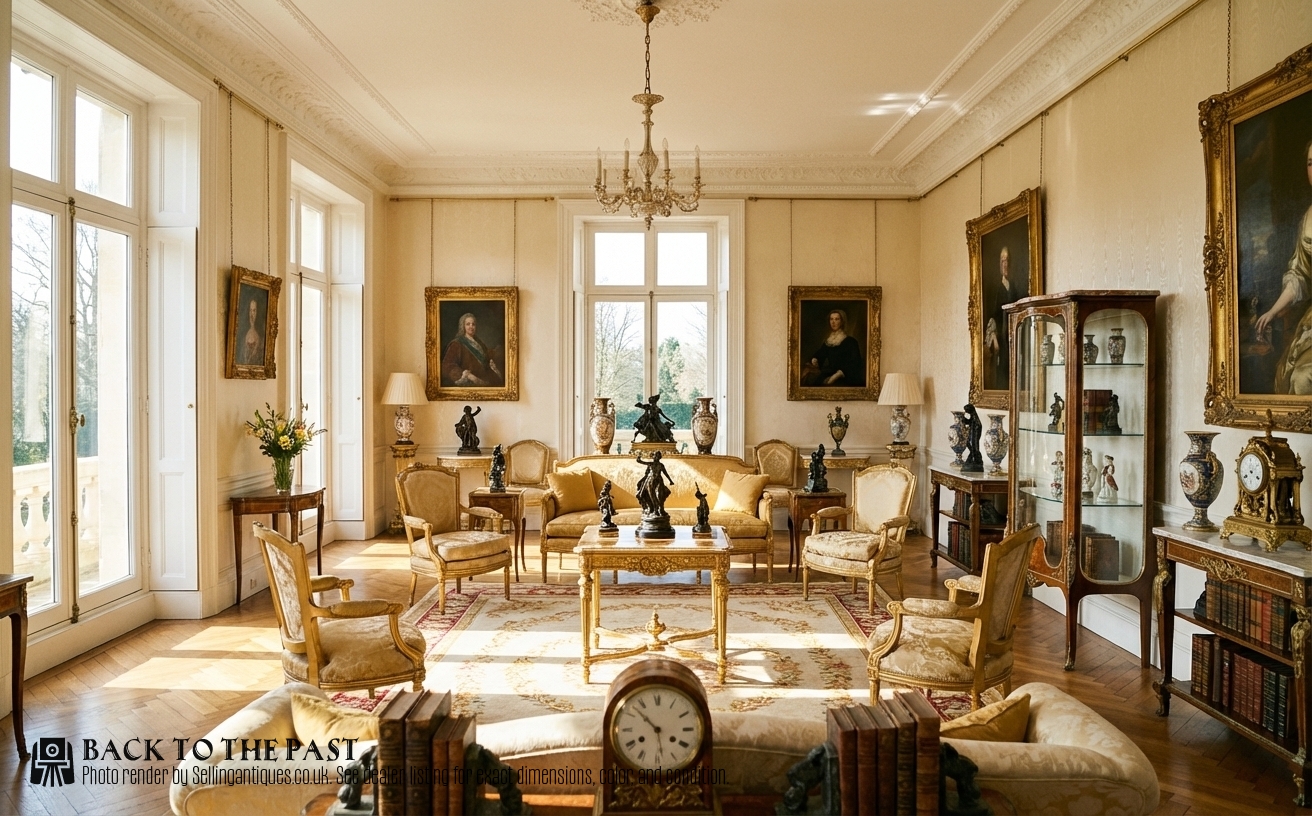
French Style Curio Display
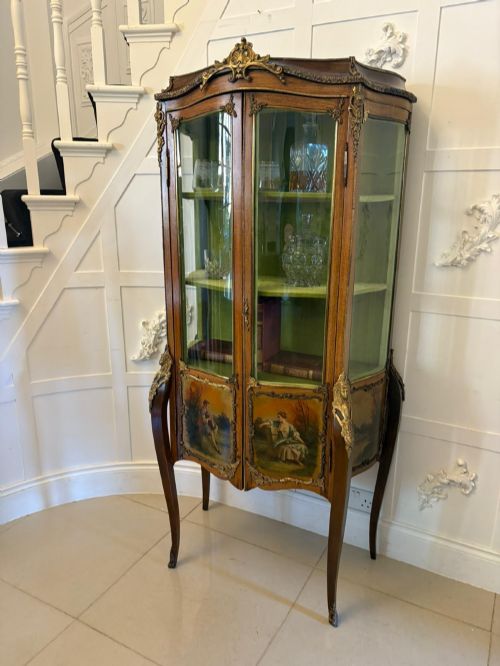
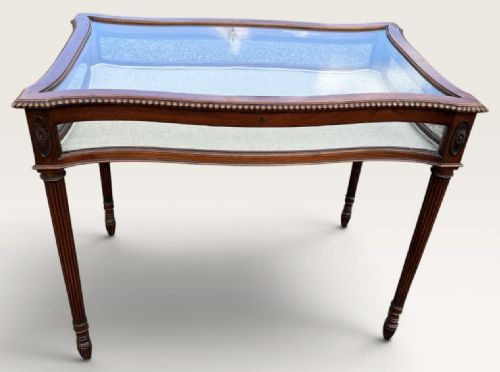
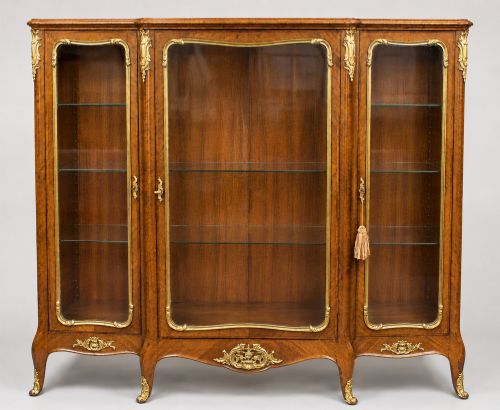
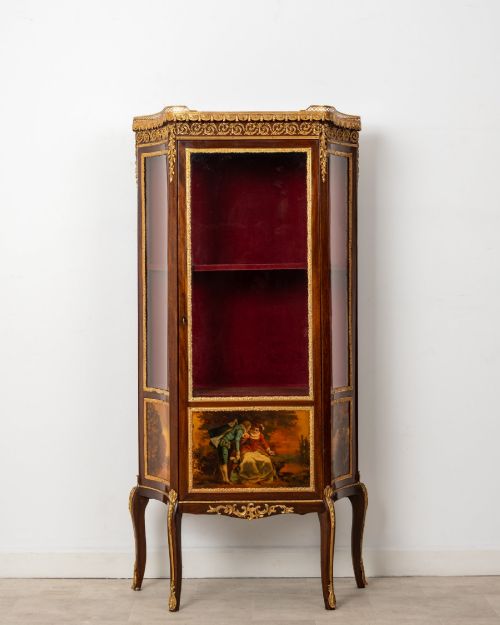
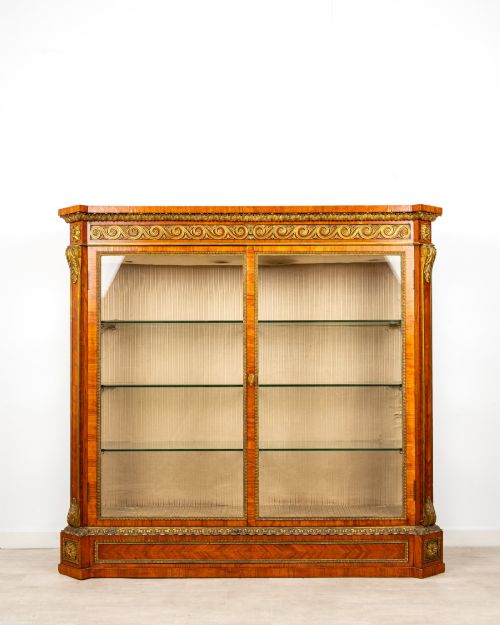
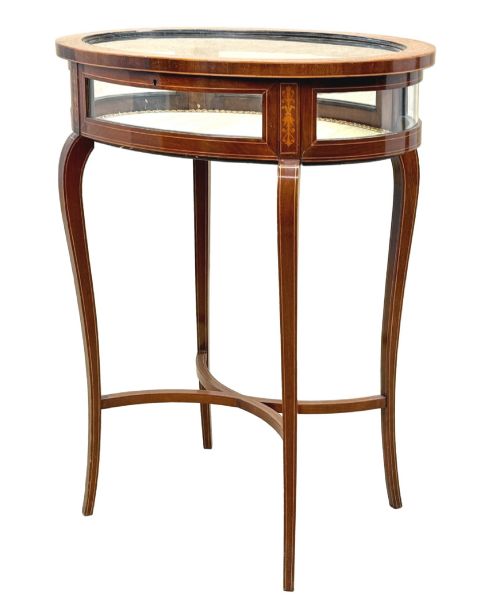
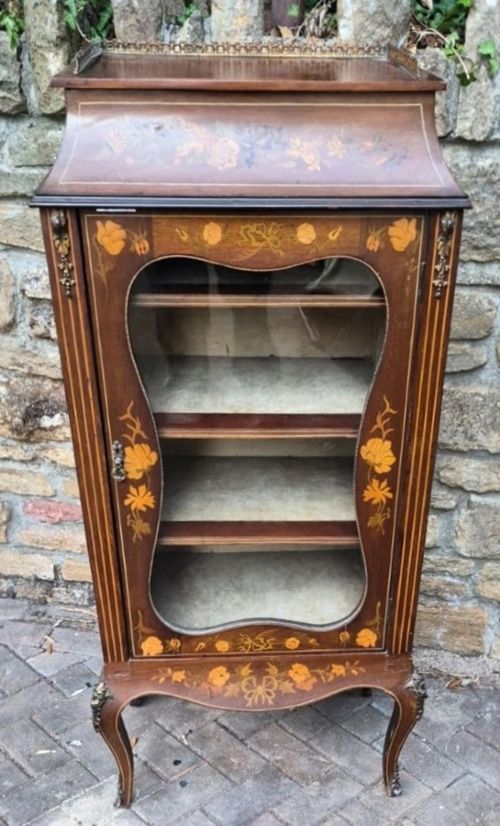
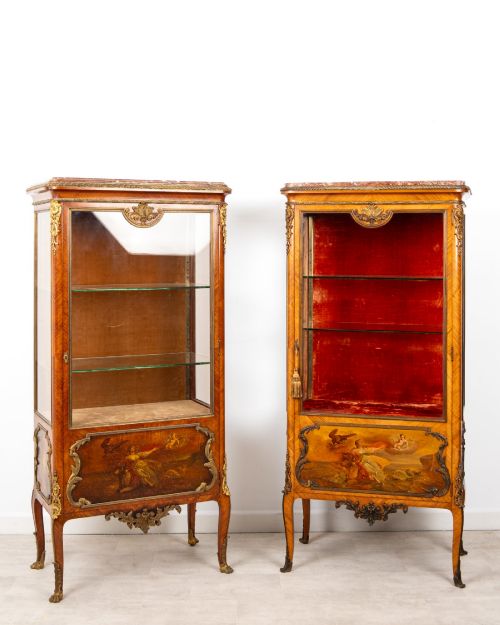
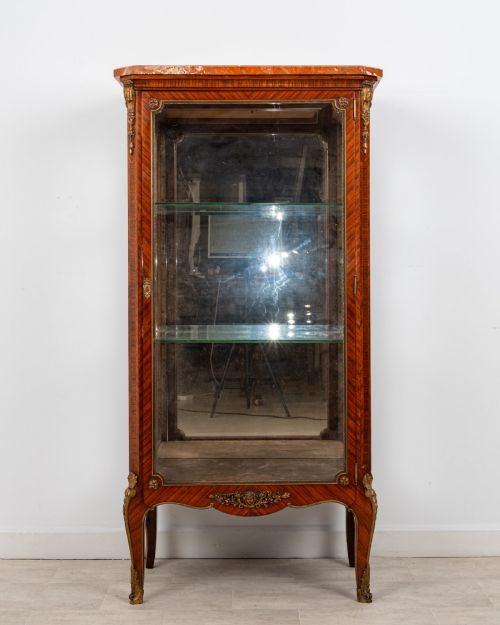
A French style curio display primarily takes the form of a vitrine, display cabinet, or bijouterie table designed to showcase decorative objects. These pieces span from the nineteenth century into the twentieth century, capturing the enduring appeal of continental revival aesthetics.
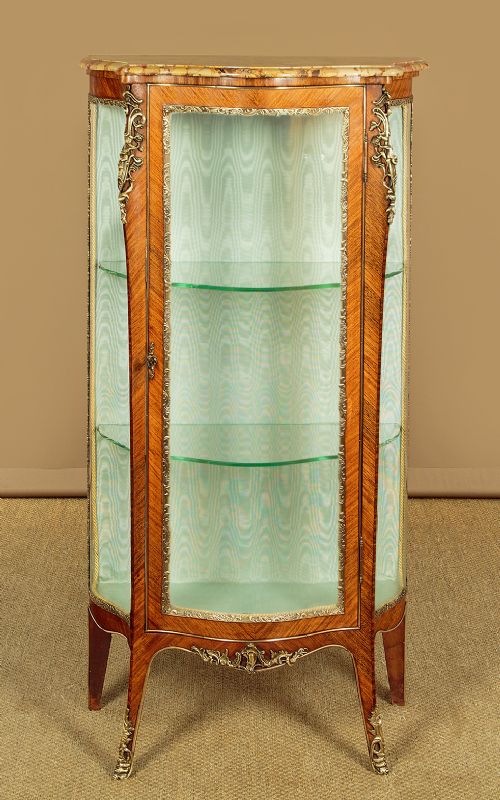
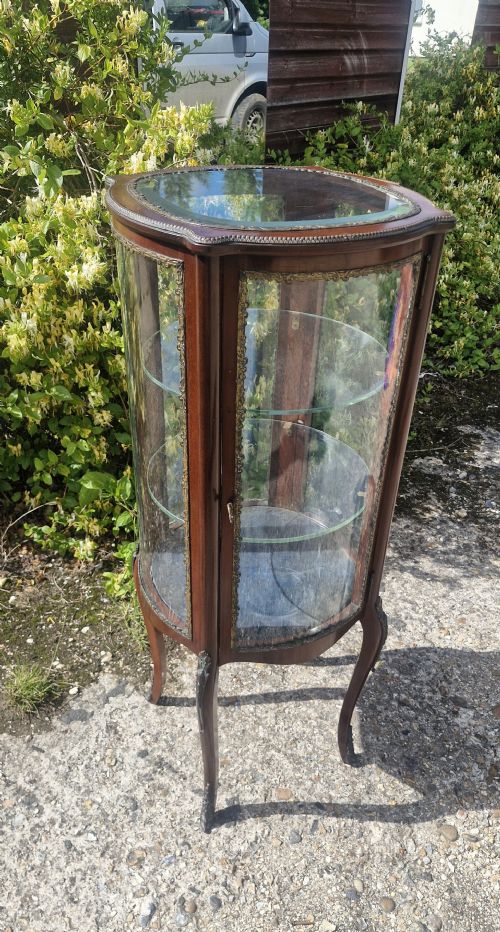
The most common variants met in these listings include freestanding mahogany or kingwood vitrines and serpentine-shaped tables with glass panels. Cabinets frequently feature glazed sides and mirrored backs to maximise light exposure for the items kept within.
Makers and cabinetmakers drew heavily on historical continental motifs, producing pieces aligned with Louis XV and Louis XVI revivals. Alongside tall floor cabinets, collectors encounter table-top boxes, wall shelves, and specialised bijouterie tables intended for flat treasures.
Materials and Techniques
Construction relies heavily on fine timbers such as mahogany, kingwood, rosewood, and walnut, often paired with marquetry or parquetry veneers. Cabinetmakers shaped these woods into serpentine or bombé contours that required advanced joinery skills.
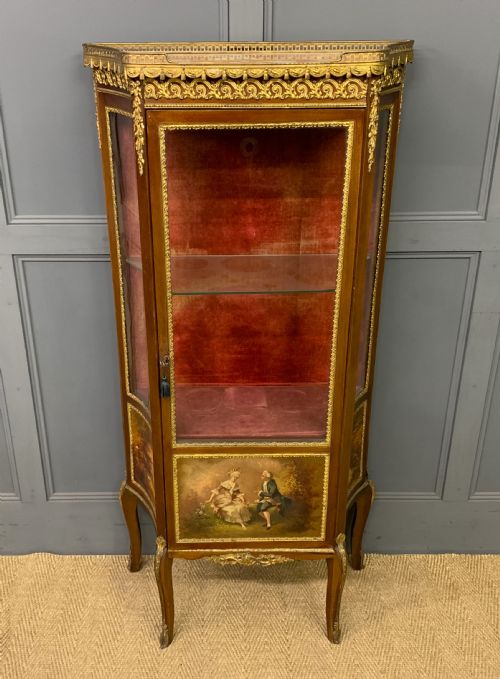
Gilded bronze, known as ormolu, mounts and brass framing accent the structural lines of the cabinetry. Many pieces incorporate white or coloured marble tops alongside hand-painted Vernis Martin panels depicting pastoral scenes.
Glass panels are fitted into doors and sides to enclose the interior safely while maintaining visibility. Silk, velvet, or fabric linings frequently pad the interior shelves and display surfaces of bijouterie tables.
Materials recorded on this page include mahogany, kingwood, rosewood, walnut, ormolu, marble, glass, brass, and fabric linings.
Judging Quality
Quality rests significantly on the calibre of the metalwork and the crispness of the gilt-bronze or ormolu mounts. Finer examples display meticulously chased bronze details rather than simply cast or plated metal.
The selection of timber veneers and the precision of marquetry inlay dictate the upper tier of cabinetmaking. Grain matching across curved serpentine fronts requires exceptional skill from the workshop.
The integration of materials such as genuine marble tops and hand-painted Vernis Martin lacquer panels separates standard production items from master-level cabinetmaking associated with prominent Parisian makers.
François Linke·Paul Sormani·H. J. Hatfield & Sons
The French Style Curio Display Glossary
- Vitrine
- A glass-fronted cabinet designed for displaying fine porcelain, curios, and small works of art. These pieces protect delicate objects from dust while allowing all-round visibility.
- Ormolu
- Gilded bronze mounts applied to the exterior of fine furniture for decorative effect. The technique involves treating brass or bronze with an amalgam of gold.
- Bijouterie table
- A shallow glass-topped table specifically constructed for displaying jewellery, medals, and small trinkets. The glazed lid lifts or opens to grant access to the velvet-lined interior.
- Vernis Martin
- A simulated Japanese lacquer technique developed in France, featuring painted pastoral or romantic scenes beneath a translucent varnish. It appears frequently on panels of nineteenth-century vitrines.
- Kingwood
- A dense, richly grained tropical timber used extensively for decorative veneers in high-end cabinetmaking. Its contrasting dark and golden streaks suit refined marquetry designs.
French Style Curio Display: Frequently Asked Questions
What is a French style curio display used for?
These cabinets and tables serve to exhibit collections of porcelain, glassware, miniatures, and small ornaments. The glass panels and mirrored interiors allow viewers to inspect delicate items from multiple angles while keeping them safe from handling and dust.
Table versions, known as bijouterie tables, place smaller objects directly beneath a horizontal glass top at viewing height. They function as both functional furniture and personal museum cases within a domestic setting.
How do I tell Louis XV and Louis XVI styles apart?
Louis XV style pieces, often linked to Rococo revival, feature flowing asymmetrical curves, serpentine lines, and bombé profiles. The ornamentation relies heavily on naturalistic scrollwork and organic leaf motifs.
Louis XVI style shifts towards neoclassical symmetry, straight tapered legs, and geometric proportions. Rectangular or oval geometries replace the pronounced curves of the earlier period, accompanied by classical architectural details.
Where should I place a vitrine in my home?
A vitrine requires a stable location away from direct sunlight to protect interior fabrics and delicate objects from fading. Placing the cabinet near natural light sources helps illuminate the glass shelves and mirrored backs.
Floor-standing cabinets suit corners or blank wall expanses in drawing rooms and reception spaces. Wall-mounted shelves and table-top vitrines fit neatly above sideboards or within more compact rooms.
How do I care for antique ormolu and mahogany?
Dust wood surfaces regularly with a soft, dry cloth to prevent accumulation in carved details and marquetry crevices. Avoid modern silicone sprays, relying instead on traditional beeswax applied sparingly to nourish the timber.
Ormolu mounts should remain untouched by abrasive cleaning agents or metal polishes that strip the original gilding. Gentle dusting with a dry brush preserves the aged bronze patina safely.