


Marquetry Indoor Planter
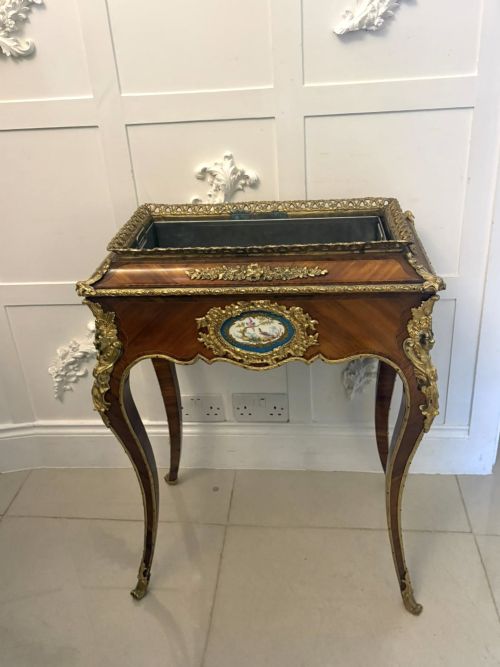
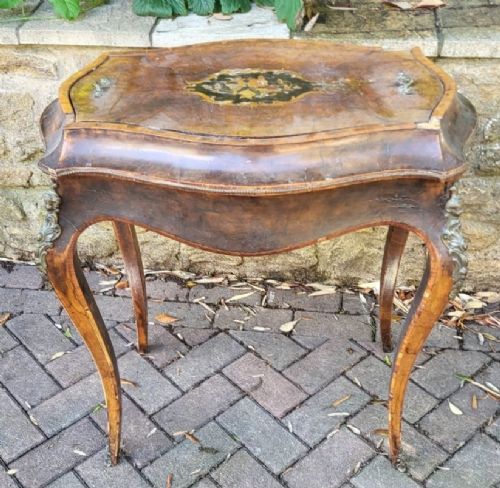
A marquetry indoor planter brings botanical display into the nineteenth-century parlour through intricate wood inlay and metal mounts.
Marquetry Indoor Planter
Burr walnut and kingwood form the primary timbers seen in these plant stands, frequently enhanced by contrasting marquetry inlay. Many examples incorporate lift-off lids or removable liners to protect the wooden structure from moisture.
French and Victorian workshops produced the majority of these jardinieres, combining decorative floral woodwork with cast metal mounts. The surviving pieces demonstrate the period preference for bringing elaborate furniture craftsmanship into domestic horticulture.
How they were made
Cabinetmakers shaped these planters using dense hardwoods like burr walnut, kingwood, mahogany, and satin walnut as a foundation for decorative veneer work. Artisans cut thin slices of contrasting woods to create detailed marquetry patterns across the surfaces of the body.
Mounts in ormolu, brass, and gilt metal were cast and applied to the corners, feet, and rims to accent the cabinetwork and protect vulnerable edges. Zinc or metal liners sat within the wooden framework to hold soil and plants safely without soaking the timber.
The listings show nineteenth-century examples exclusively, spanning decades from 1860 to 1880 under Victorian and French revival styles.
What varies in quality
The refinement of the marquetry work sets one piece apart from another, distinguishing crisp, multi-wood floral motifs from simpler inlaid lines. Timber selection also dictates grade, with highly figured burr walnut and rich kingwood commanding greater visual depth.
The weight and chasing of the ormolu and gilt metal mounts indicate the standard of production, alongside the precision with which the metal joins the wood. Pieces retaining their original fitted zinc liners demonstrate a higher degree of completeness.
The Marquetry Indoor Planter Glossary
- Marquetry
- The art of applying decorative pieces of veneer to a structural structure to form intricate pictures or patterns. This technique defines the surface decoration of many nineteenth-century plant stands.
- Ormolu
- Gilded bronze or brass applied to furniture mounts and decorative hardware. It provides a bright metallic contrast to the dark burr walnut and kingwood bodies.
- Jardiniere
- A decorative pot or stand designed to hold plants and flowers indoors. These containers appear in various table and floor-standing configurations throughout the period.
- Burr Walnut
- Timber taken from the warted excrescences of walnut trees, yielding complex, swirling grain patterns. Cabinetmakers prized this wood for high-status nineteenth-century case pieces.
- Kingwood
- A dense, richly coloured Brazilian timber featuring dark violet-brown shades with lighter stripes. It served as a choice veneer for French and Victorian luxury furniture.
Marquetry Indoor Planter: Frequently Asked Questions
What is a marquetry indoor planter?
A marquetry indoor planter is a decorative nineteenth-century container designed to hold potted plants within domestic rooms. These pieces combine elaborate wood veneer patterns with structural timber frames.
They often feature metal liners to contain water and soil, protecting the delicate internal woodwork from damage during use.
How were these plant stands used?
Victorian and French households utilised these stands to display ferns, flowers, and palms inside parlours and drawing rooms. The vessels allowed greenery to be brought indoors without marking household surfaces.
Some designs included lift-off lids, enabling the piece to function as a regular table when plants were absent.
Which woods appear most often?
Burr walnut and kingwood dominate the surviving examples, prized for their striking natural grain and dark tones. Mahogany and satin walnut also appear across the nineteenth-century inventory.
These timbers provided stable foundations for intricate marquetry designs and supported heavy metal mounts.
How do I date a jardiniere?
Dating relies on stylistic markers such as Victorian Rococo Revival or Louis XV revival motifs popular between 1860 and 1880. The combination of ormolu mounts and specific timber choices points directly to this nineteenth-century window.
Construction methods, including the type of metal liner and internal joinery, further confirm the period of manufacture.
Do they require special care?
Living with these planters involves protecting the wood veneer from excessive moisture and direct sunlight. Using modern potted inserts inside the original metal liners prevents water contact with the antique timber.
Regular polishing preserves the finish of the burr walnut and kingwood surfaces without harming the marquetry.