


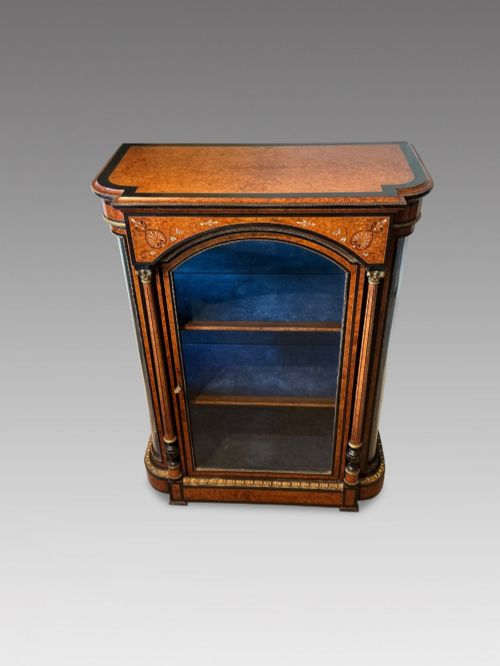
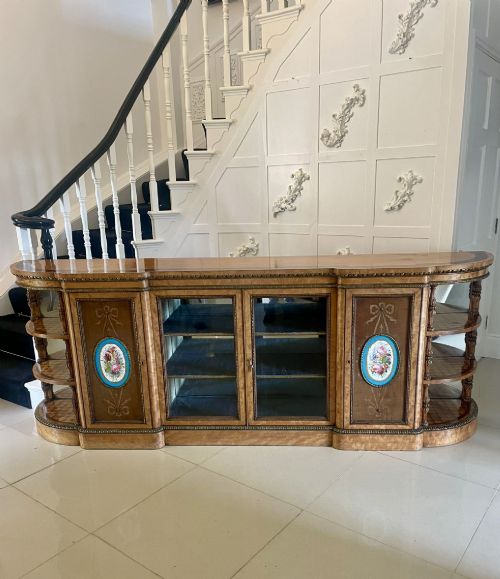
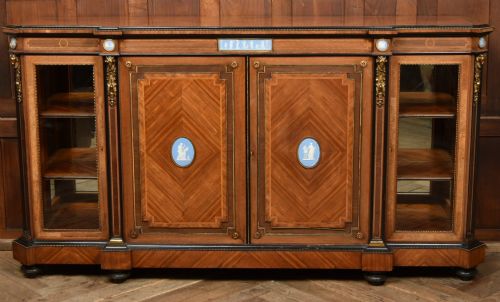
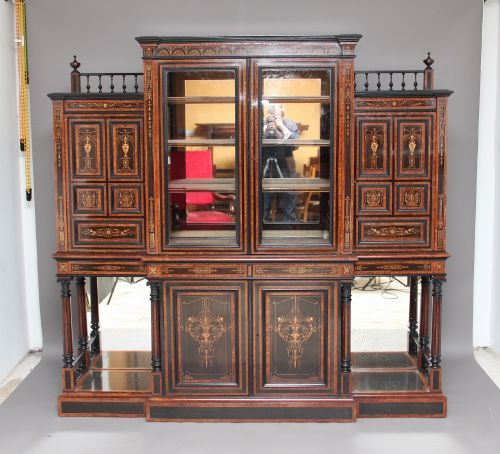
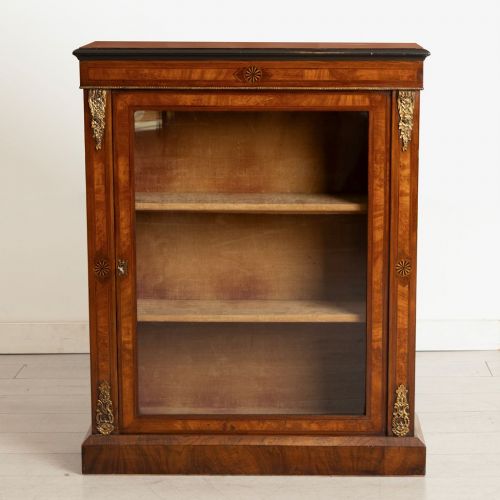
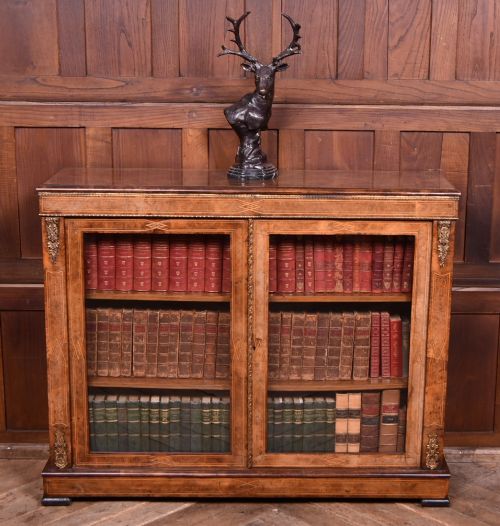
Marquetry Glazed Credenza
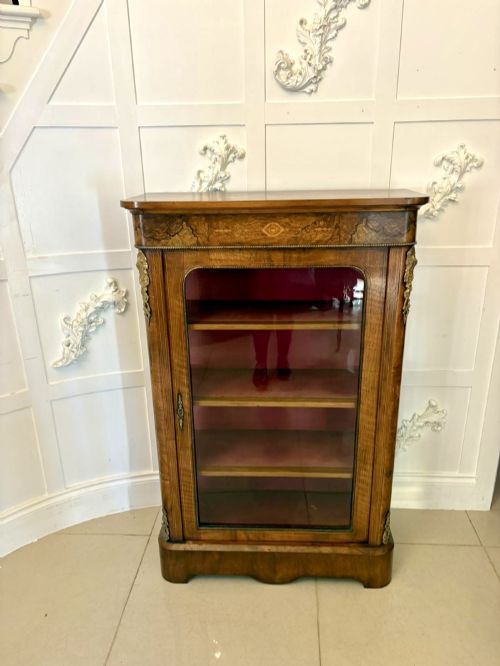
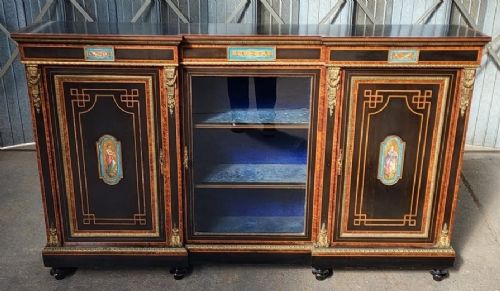
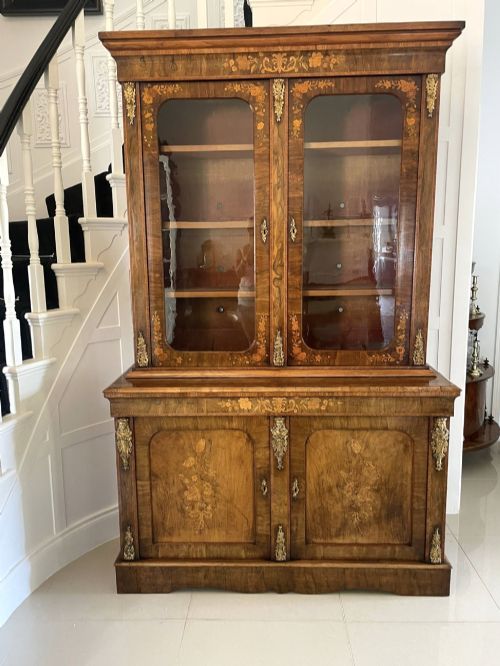
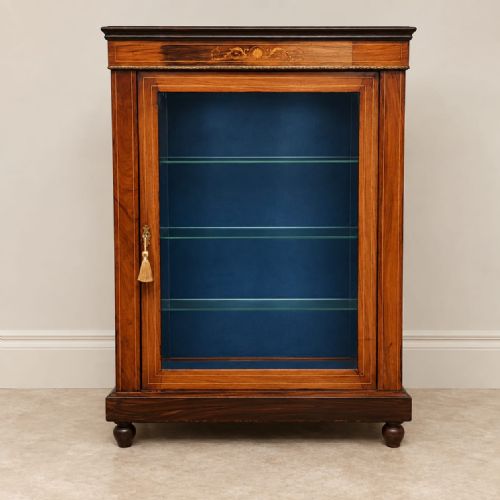
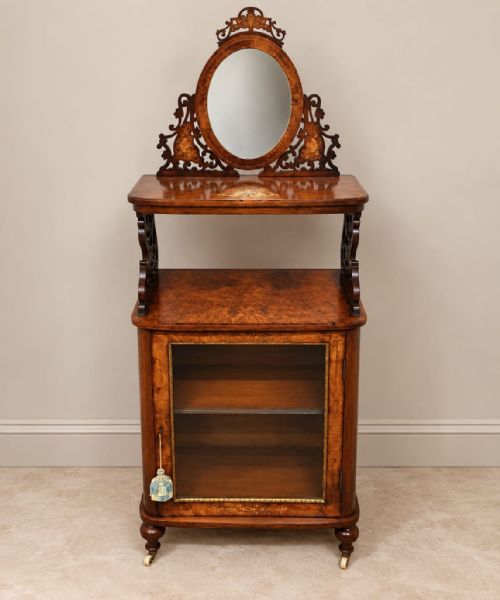
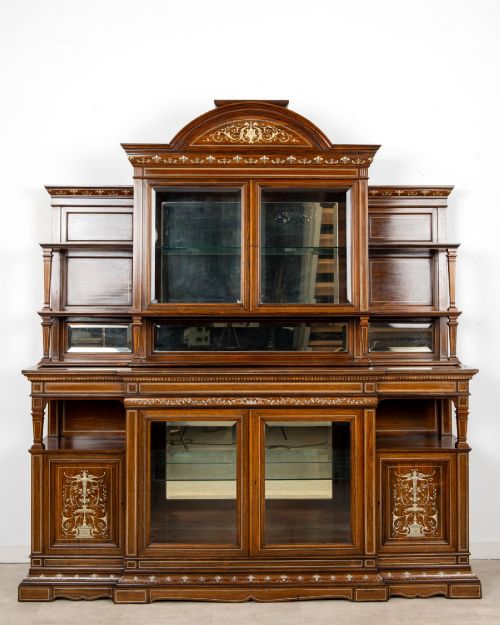
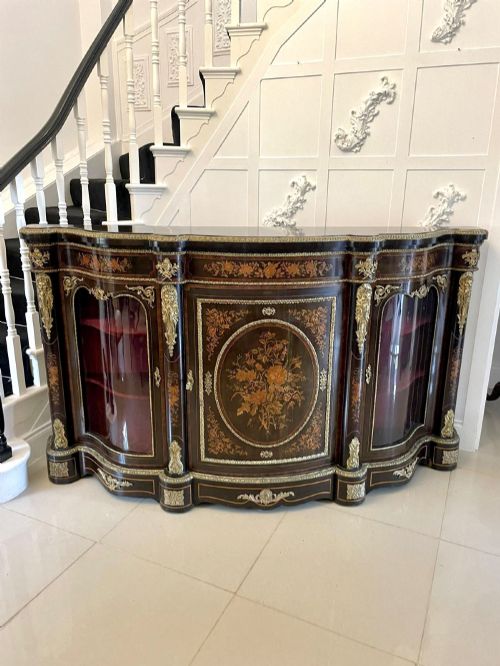
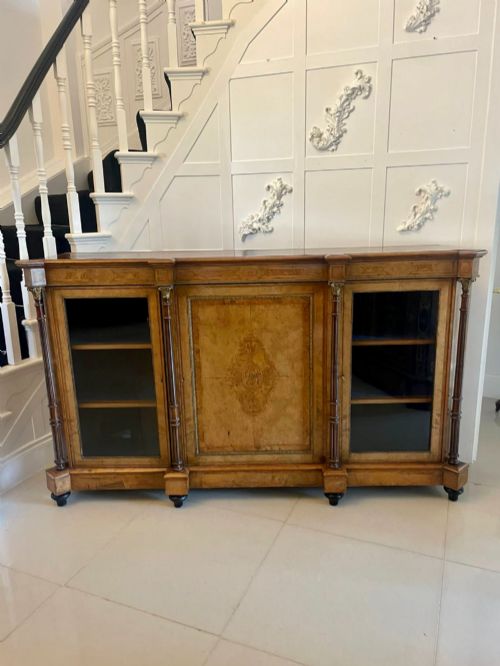
These marquetry glazed credenza pieces are elaborate nineteenth century display cabinets built to command attention in a grand Victorian interior.
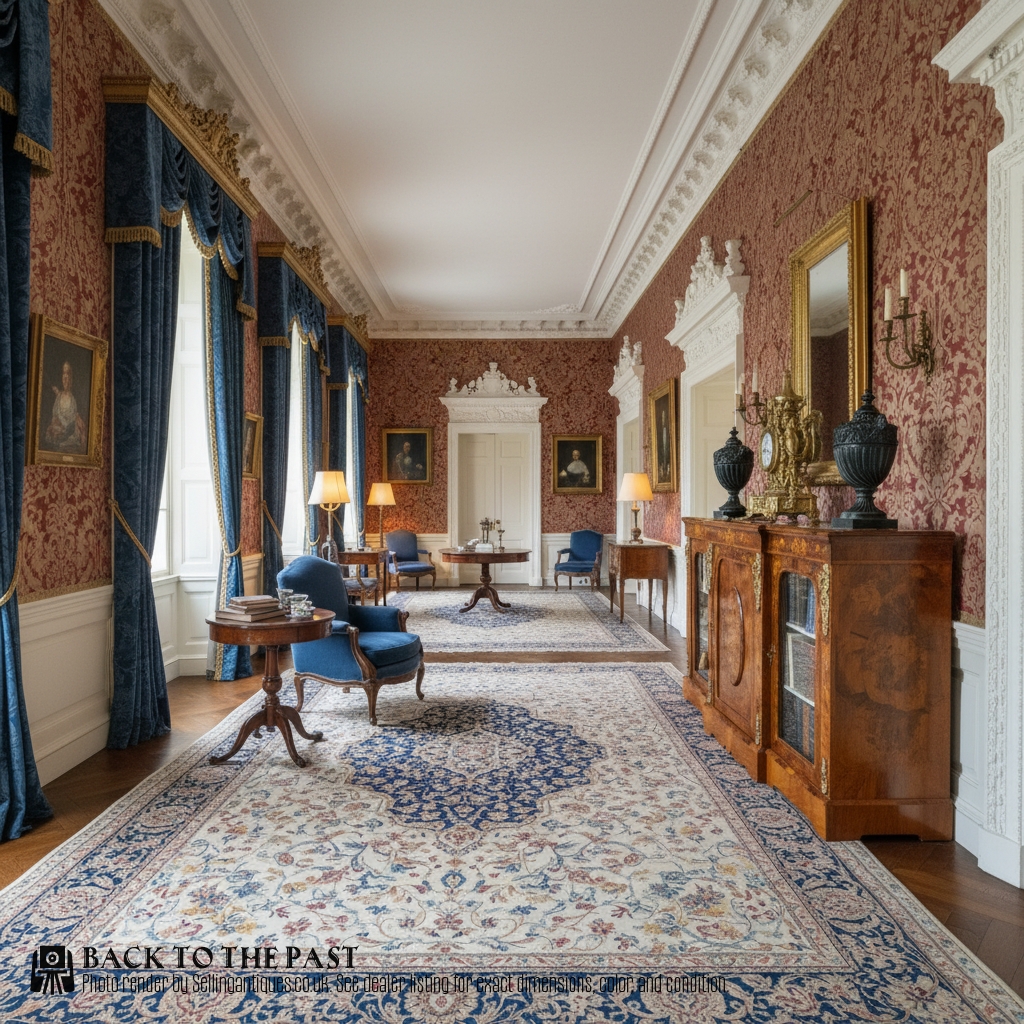
Marquetry Glazed Credenza
A marquetry glazed credenza unites timber marquetry panels with glazed central or flanking compartments designed to display ceramics and fine objects. These items emerge primarily from the Victorian and Edwardian eras, spanning periods from eighteen fifty to nineteen hundred.
The form appears alongside related side cabinets, pier cabinets, and breakfront bookcases in burr walnut, rosewood, and ebonised wood. Most examples date from the mid-nineteenth century through the late Victorian decades.
Makers and workshops of the period construct these cabinets to serve as principal reception room furnishings. Buyers encounter serpentine fronted centerpieces alongside compact pier cabinets and monumental multi-door exhibition pieces.
How they were made
Cabinets are constructed using timber carcasses veneered in burr walnut, rosewood, or mahogany, then enriched with detailed marquetry floral or geometric inlays. Ebonised finishes and satinwood details provide sharp contrast against the main body of the wood.
Ormolu mounts cast in bronze frame the glazed doors and corners, while brass details accent the shelves and locks. Glass panels are fitted into doors that protect the velvet lined interiors.
Original velvet linings whisper tales of long-dead Victorian teacups and silent display shelves.
What varies in quality
Quality rests in the crispness of the ormolu casting, the complexity of the floral marquetry, and the depth of figure within the burr walnut or rosewood veneers. Exhibition pieces display finer hand-cut timber inlays and heavier gilt mounts than standard parlor cabinets.
The structural harmony of serpentine fronts and breakfront profiles distinguishes superior workshops from mass production. Precision in cabinet joints and the preservation of original glass and velvet linings determine the standing of each piece.
Collinson and Lock·Lamb of Manchester·James Hicks
The Marquetry Glazed Credenza Glossary
- Marquetry
- The art of forming decorative patterns by fitting together small pieces of wood veneer. This technique creates floral or geometric motifs across the cabinet doors and friezes.
- Ormolu
- Gilt bronze mounts applied to furniture edges and corners. These cast metal ornaments provide decorative contrast to the dark wood veneers.
- Burr walnut
- Timber taken from the growth growths of a walnut tree, yielding swirling grain patterns. Cabinet makers prized this wood for its decorative surface movement.
- Pier cabinet
- A narrow display cabinet designed to fit against the wall space between windows. These upright cases often feature a single glazed door and velvet lined shelves.
- Boulle
- A form of marquetry employing tortoiseshell and brass inlaid in scrollwork patterns. This French decorative technique appears on Napoleon III revival cabinets.
Marquetry Glazed Credenza: Frequently Asked Questions
What rooms suit a credenza?
These cabinets suit spacious dining rooms, drawing rooms, or long hallways where their length and glass display areas have room to breathe.
Position them against large plain walls so the timber grain and ormolu mounts draw the eye without visual clutter.
How do I care for the wood?
Maintain the burr walnut or rosewood surfaces by keeping them away from direct sunlight and steady heat sources.
Apply a traditional beeswax polish sparingly to nourish the timber veneer without building up sticky residues on the marquetry.
Can I adjust the shelves?
Shelves in these nineteenth century cabinets generally rest on fixed wooden supports rather than modern metal ratchets.
Plan the height of your displayed objects carefully around the fixed shelf positions inside the glazed compartments.
How do I date these cabinets?
Look to the combination of timber veneers, door profiles, and mount styles to determine the era of production.
Victorian pieces frequently feature rich burr walnut with heavy ormolu, while later Edwardian Sheraton revival examples lean toward lighter satinwood and refined stringing.