
Marquetry Display Vitrine
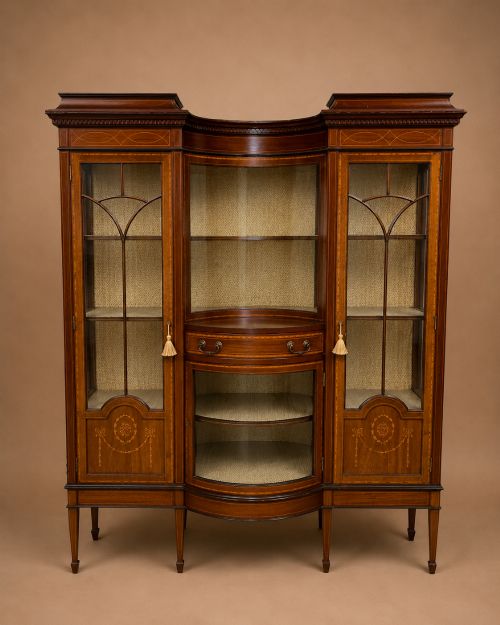
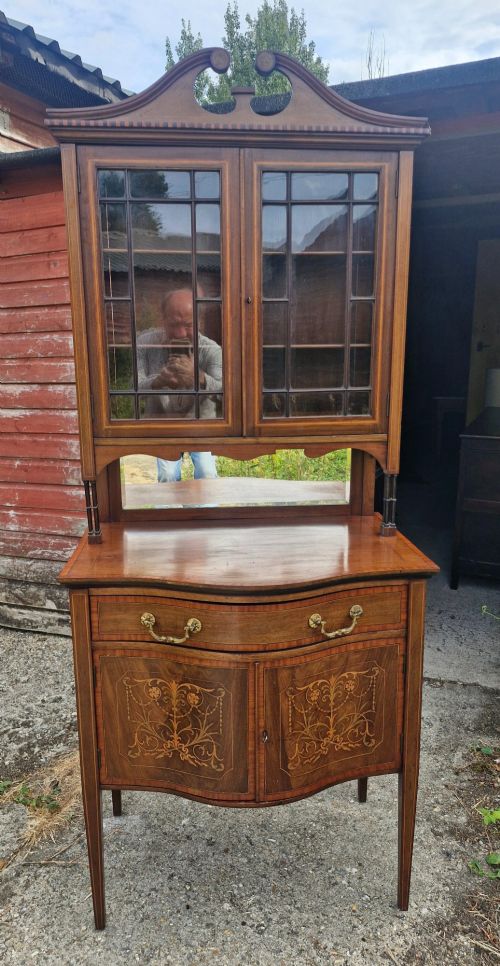
A marquetry display vitrine brings together fine timber, intricate floral or pictorial inlay and glass shelving to showcase treasured items.
Marquetry Display Vitrine
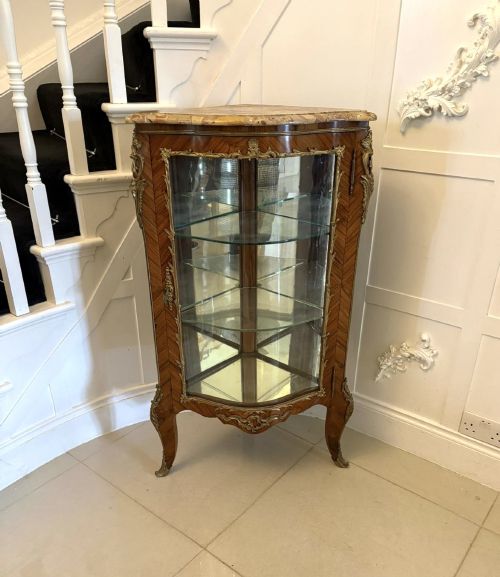
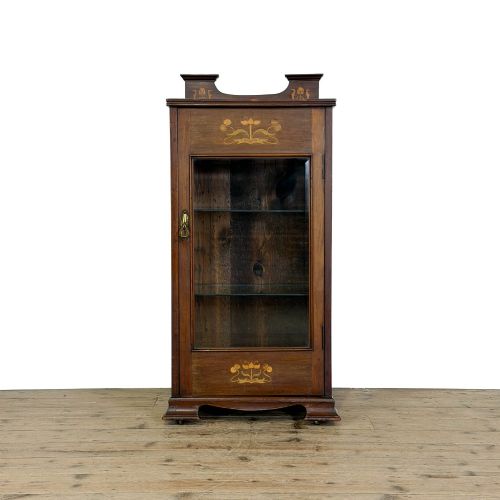
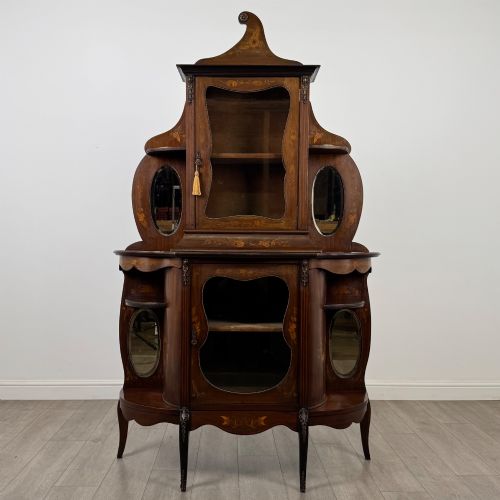
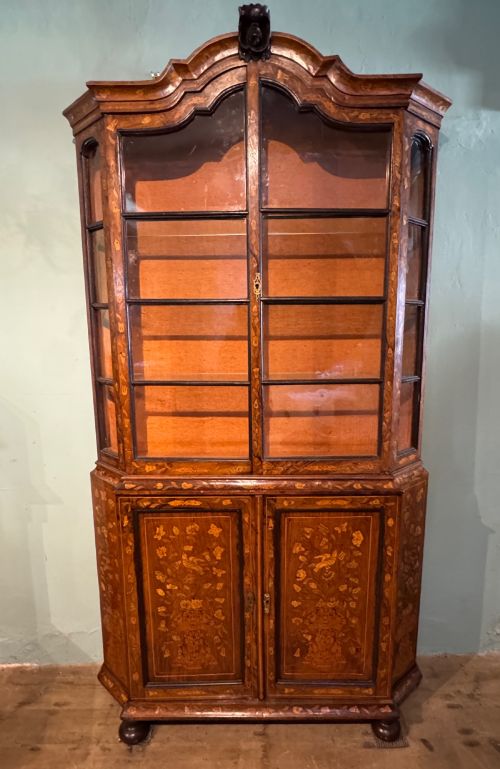
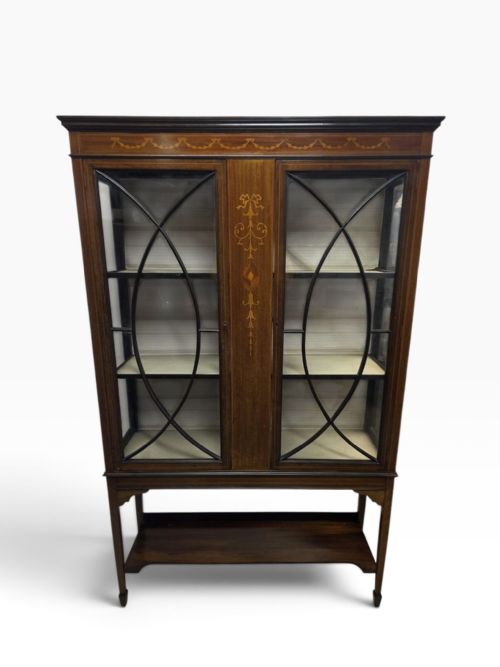
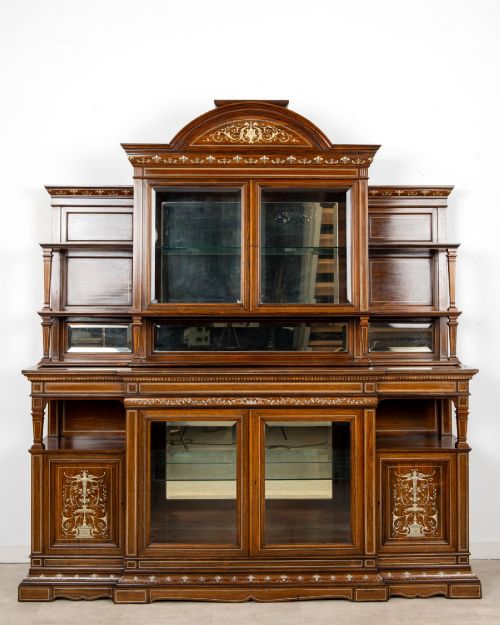
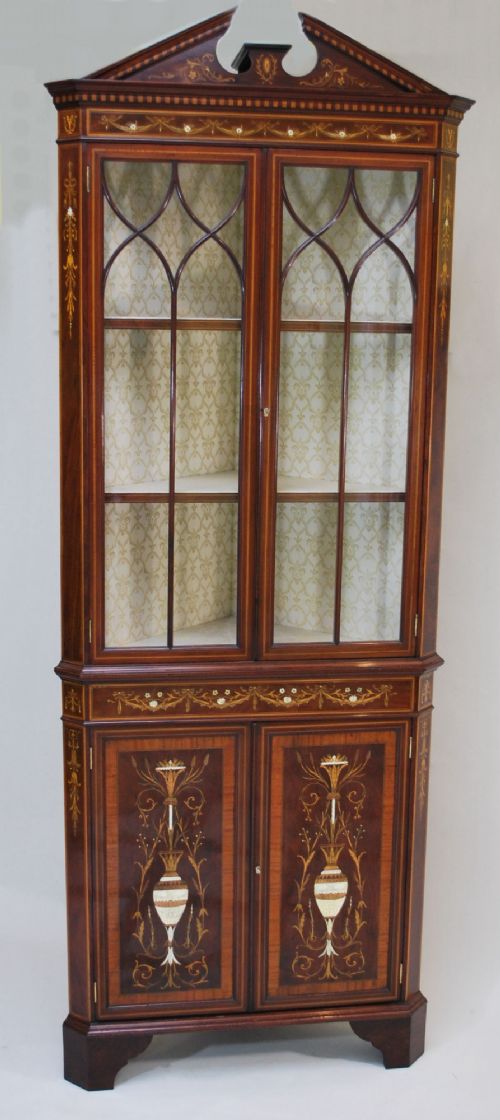
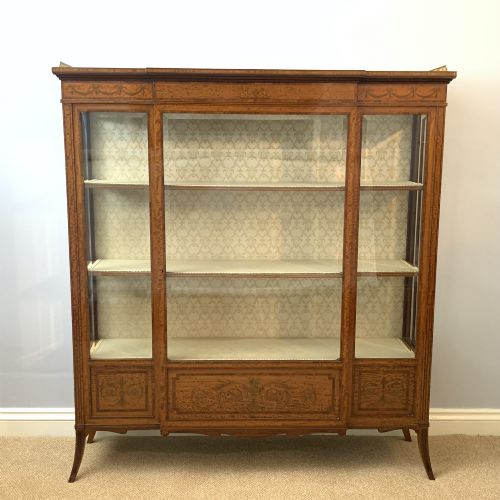
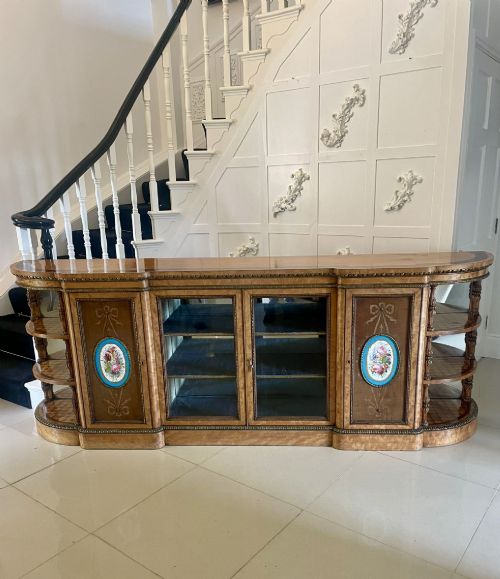
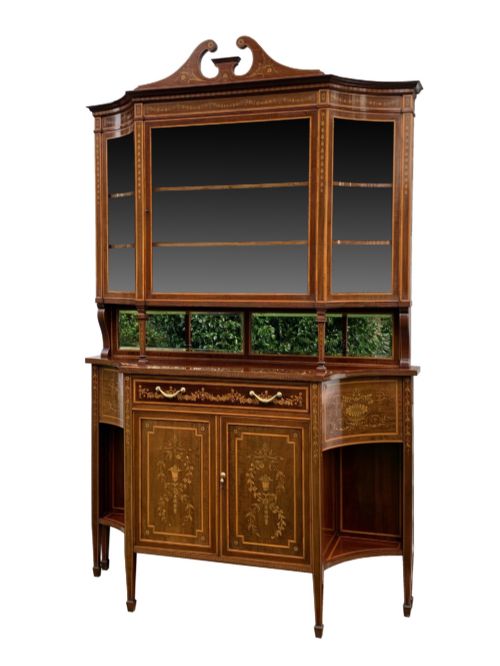
A marquetry display vitrine is primarily a glazed cabinet designed to exhibit porcelain, silver and small curiosities while protecting them from dust. These pieces surface most frequently in Edwardian and Victorian incarnations, alongside earlier 18th-century Dutch examples.
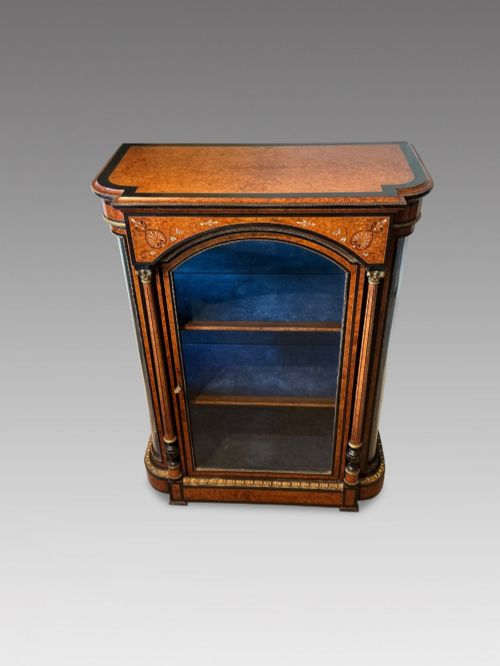
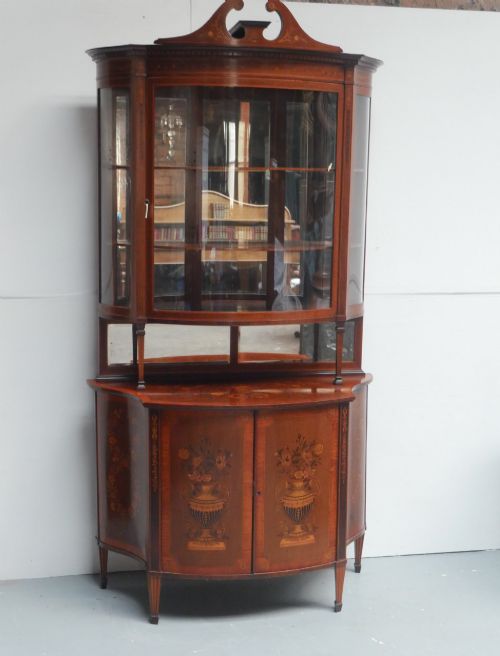
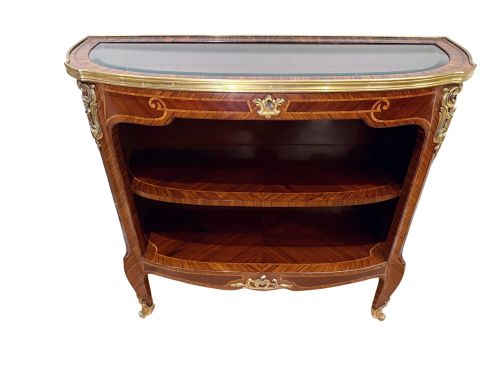
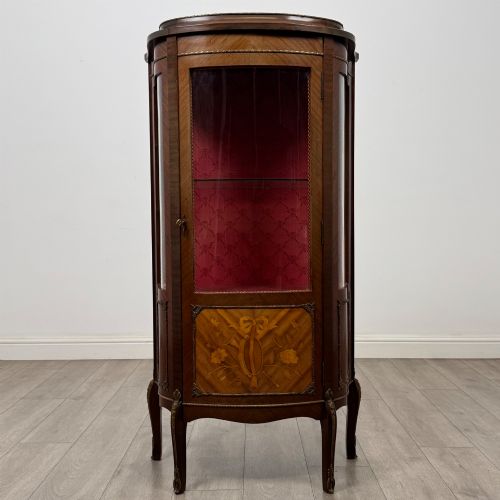
The silhouettes vary from tall serpentine corner cabinets and wall-mounted cupboards to low pedestal cases and grand credenzas. Mahogany, walnut and satinwood serve as the primary carcase timbers for housing these glazed chambers.
Materials and Technique
Cabinetmakers constructed these frames using dense hardwoods like mahogany and walnut, frequently veneered with satinwood or kingwood to provide a smooth canvas for detailed inlay. Contrasting woods were sliced thinly to create floral or geometric marquetry patterns across doors and friezes.
Gilded bronze or ormolu mounts, cast brass fittings and marble tops often complete the assembly, pairing structural joinery with decorative metalwork.
Some diminutive vitrines were built low enough to sit beside a Victorian armchair, keeping a collector's magnifying glass close at hand.
Assessing Craftsmanship
The finesse of the marquetry dictates much of the visual success, separating crisply cut, tightly fitted pictorial veneers from simpler or coarser inlay work. The crispness of the cast ormolu mounts and the precision of the glazed door framing further distinguish standard workshop output from exceptional cabinetmaking.
Edwards & Roberts·Collinson & Lock·François Linke·Maple & Co.
The Marquetry Display Vitrine Glossary
- Marquetry
- A decorative technique where small pieces of coloured wood veneer are assembled into pictorial or floral patterns. This creates elaborate surface designs across cabinet doors and panels.
- Vitrine
- A glass-fronted cabinet or table designed specifically for displaying art objects or curiosities. The term derives from the French word for glass.
- Ormolu
- Gilt bronze mounts applied to furniture for decorative enrichment. These metallic accents frame panels and highlight corners.
- Serpentine
- A curved furniture front shaped in a distinctive wave pattern with a convex centre flanked by concave sides. This undulating profile requires advanced woodworking skill.
- Astragal
- Moulding used to hold panes of glass within a cabinet door. These slender wooden bars divide the glazing into symmetrical geometric sections.
Marquetry Display Vitrine: Frequently Asked Questions
What is a marquetry display vitrine used for?
These cabinets were originally built to display valuable porcelain, decorative ceramics and small treasured curiosities within formal reception rooms. The glazed panels and glass shelves allowed collectors to exhibit their acquisitions safely while keeping them protected from dust.
Today, they serve the exact same purpose in domestic interiors. They provide a secure, enclosed space to showcase collections with internal visibility from multiple angles.
How do I care for the wood and glass?
Maintaining these pieces requires keeping them away from direct sunlight and sudden temperature shifts, which can dry out the old timbers and crack delicate veneer. Regular dusting with a soft, dry cloth preserves the polished surface without building up chemical residues.
Glass panels should be cleaned gently using a minimal amount of window cleaner applied to a cloth rather than sprayed directly. This prevents liquid from seeping behind the wooden glazing bars or damaging the internal fabric linings.
Are these cabinets difficult to place in modern rooms?
The variety of available formats, ranging from slim corner units and wall cabinets to low pedestal tables, makes it straightforward to find a suitable proportion for most rooms. Their refined wooden surfaces and glass fronts allow them to sit comfortably alongside contemporary furniture without dominating the space.
Consider the lighting in the room when positioning a glass-fronted cabinet to maximise the visibility of items placed on the internal shelves. Freestanding floor models require a stable, level surface to ensure the doors align correctly within their frames.
How can I tell different periods apart?
Identifying the era involves examining the primary woods, the style of the inlay and the overall structural silhouette. Georgian and 18th-century pieces often feature heavier Dutch floral marquetry on walnut, while Victorian and Edwardian examples frequently utilise satinwood or mahogany with lighter Sheraton Revival influences.
Hardware details and internal construction methods also offer clues to the date of manufacture. Hand-cut dovetails and specific lock types help narrow down the decade when the cabinet was built.