


Louis XVI Glazed Cabinet
A louis xvi glazed cabinet brings structural elegance and glass-panelled display space into a room.
Louis XVI Glazed Cabinet
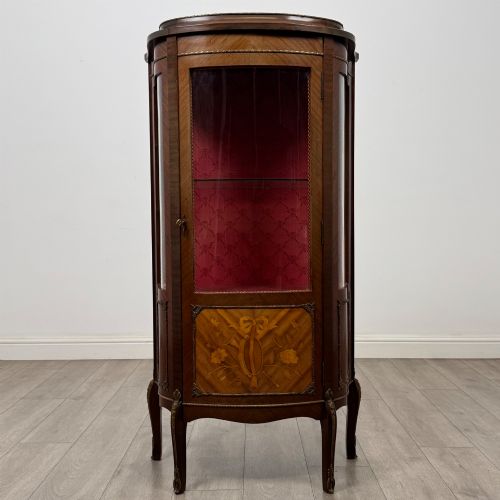
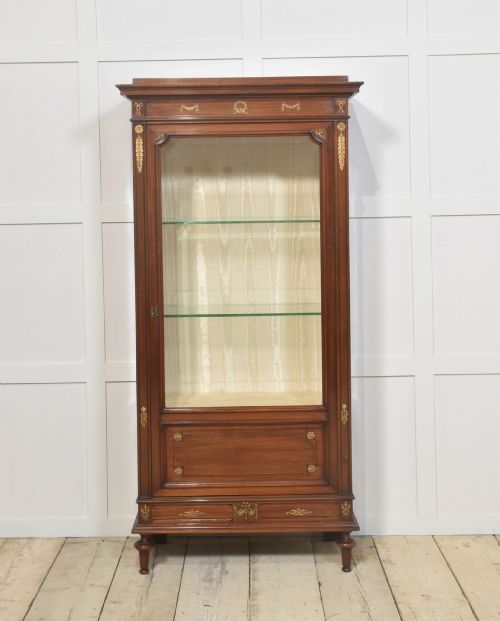
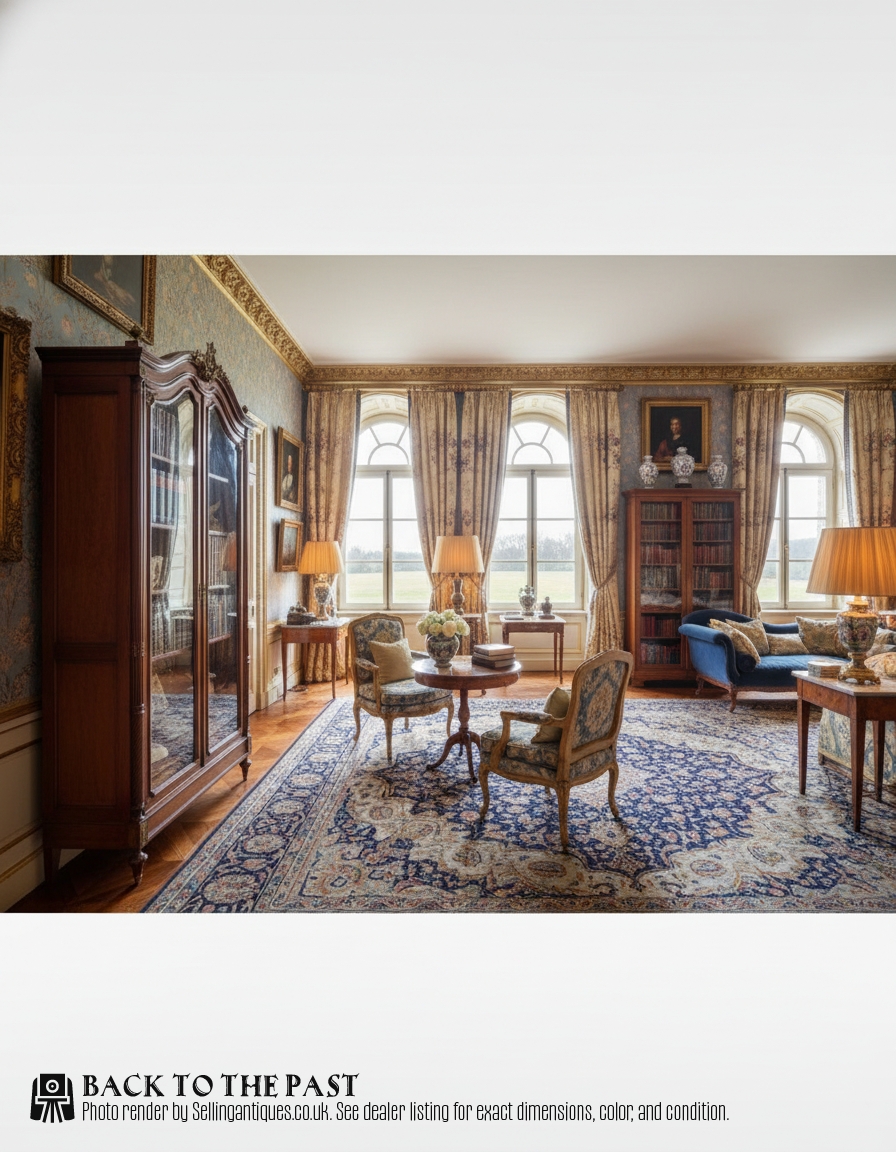
A louis xvi glazed cabinet provides enclosed shelving for displaying porcelain, books and collected objects while keeping them protected behind glass doors. These pieces draw from neoclassical design principles, featuring straight lines, symmetrical proportions and refined architectural elements rather than heavy curves.
The versions met on this page span the nineteenth century through to mid-century revivals, taking forms such as freestanding vitrines, breakfront credenzas and tall bookcases. Mahogany, kingwood and walnut form the primary carcases, often paired with extensive glass panels and mirrored backs to enhance light circulation.
Makers and workshops across France and Britain produced these cabinets to satisfy enduring demand for continental revival furniture. Many examples carry direct stylistic links to prominent cabinetmakers like François Linke and Paul Sormani, reflecting high standards of period craftsmanship.
Materials and Construction
Cabinetmakers constructed the carcases using dense timbers such as mahogany, kingwood, walnut and satinwood, frequently applying intricate parquetry or marquetry veneers across flat surfaces. Solid frames support large glazed panels, while internal shelving often incorporates plate glass or matching veneered wood.
Cast ormolu and gilt brass mounts define the neoclassical aesthetic, accentuating corners, friezes and door frames with chased foliage and classical motifs. Marble slabs frequently top side cabinets and commodes, secured directly to the wooden structure below.
Several cabinets arrive with working keys, inviting owners to lock away their secrets behind gilded ormolu mounts.
Assessing Quality
The refinement of the cast ormolu mounts separates standard production from exceptional pieces, as finely chased bronze displays crisp detail and depth in every leaf and scroll. Weight, solidity of the timber carcase and the precision of the veneer work further distinguish the workshop tiers.
Originality of the glass, internal silk linings and the integration of decorative plaques contribute to the overall integrity of a cabinet. Pieces bearing attribution or direct influence from master makers command closer attention for their superior joinery and proportional balance.
François Linke·Paul Sormani
The Louis XVI Glazed Cabinet Glossary
- Vitrine
- A glass-fronted display cabinet designed specifically for showcasing porcelain, glassware and small valuables. These pieces rely on extensive glazing to maximise interior visibility.
- Ormolu
- Gilt bronze mounts applied to furniture for decorative accent and structural protection. Makers cast and chased these metal elements by hand before guilding them.
- Parquetry
- Geometric wood veneer patterns arranged in repetitive motifs such as cubes or chequers. Craftsmen select contrasting timbers to create depth across cabinet doors and panels.
- Credenza
- A low cabinet featuring cupboards and central shelving, often fitted with glass doors or decorative plaques. These forms frequently incorporate marble tops.
- Bijouterie table
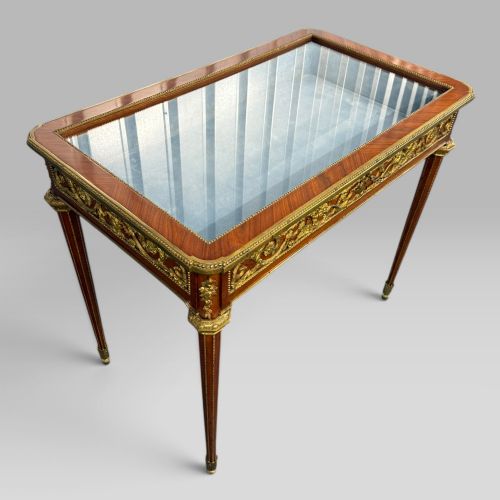
- A glass-topped display table intended for jewellery and small collectables. They utilise hinged glazed lids supported by slender neoclassical legs.
Louis XVI Glazed Cabinet: Frequently Asked Questions
What is a louis xvi glazed cabinet used for?
A louis xvi glazed cabinet serves to store and display fine porcelain, glassware and treasured collections behind protective glass doors. The internal shelves and mirrored backs allow light to circulate around the objects.
These cabinets function well in drawing rooms, dining spaces and libraries where visible storage adds elegance and structure to the interior.
How do I identify a louis xvi style piece?
Neoclassical proportions, straight fluted legs, symmetrical layouts and classical ormolu mounts identify this style. The design moves away from the curved asymmetry of earlier periods towards architectural restraint.
Craftsmen utilised mahogany, kingwood and walnut veneers alongside parquetry patterns and gilt bronze detailing to complete the aesthetic.
Are these cabinets purely decorative?
While ornamental in appearance, these cabinets provide practical enclosed storage with sturdy shelving and lockable doors. The construction handles the weight of heavy books and ceramic collections securely.
Glass panels keep dust away from delicate items while maintaining full visibility across the interior displays.
When were these revival cabinets made?
The pieces on this page date primarily from the nineteenth century through the Edwardian era, with select examples from later decades. Nineteenth-century workshops frequently revived eighteenth-century French designs for international exhibitions and elite homes.
Later twentieth-century interpretations continue the tradition using historical construction methods and decorative vocabularies.